By Solange Maniraguha | Coordinator
1.Introduction
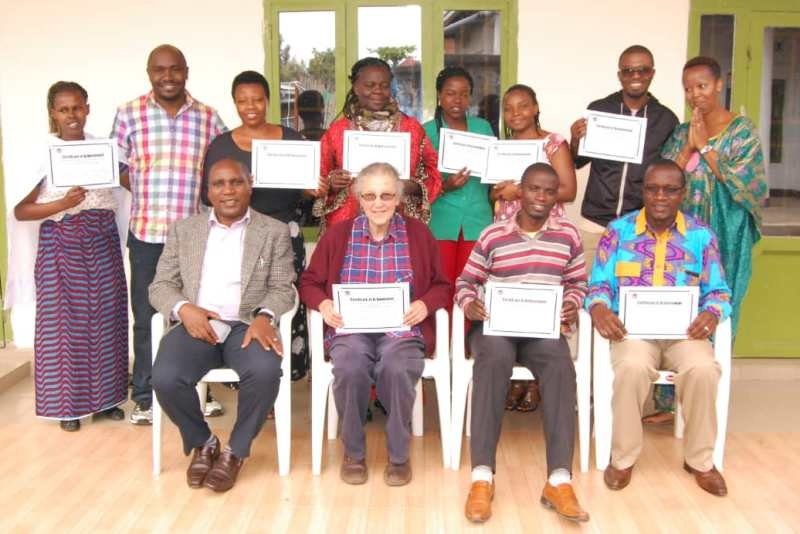
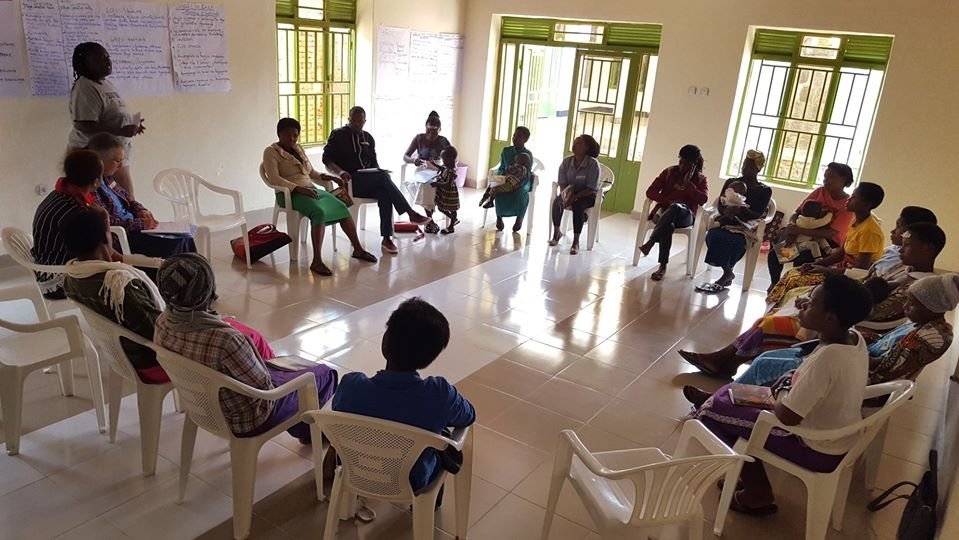
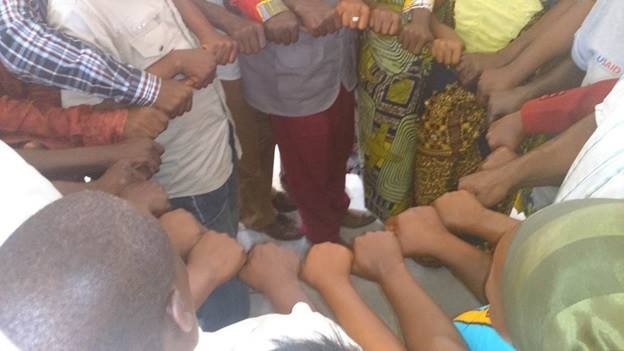
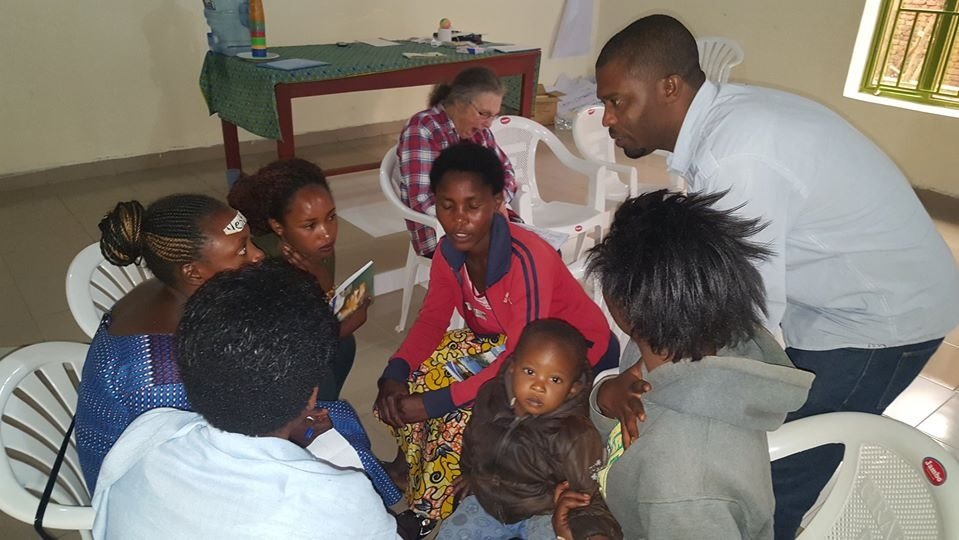
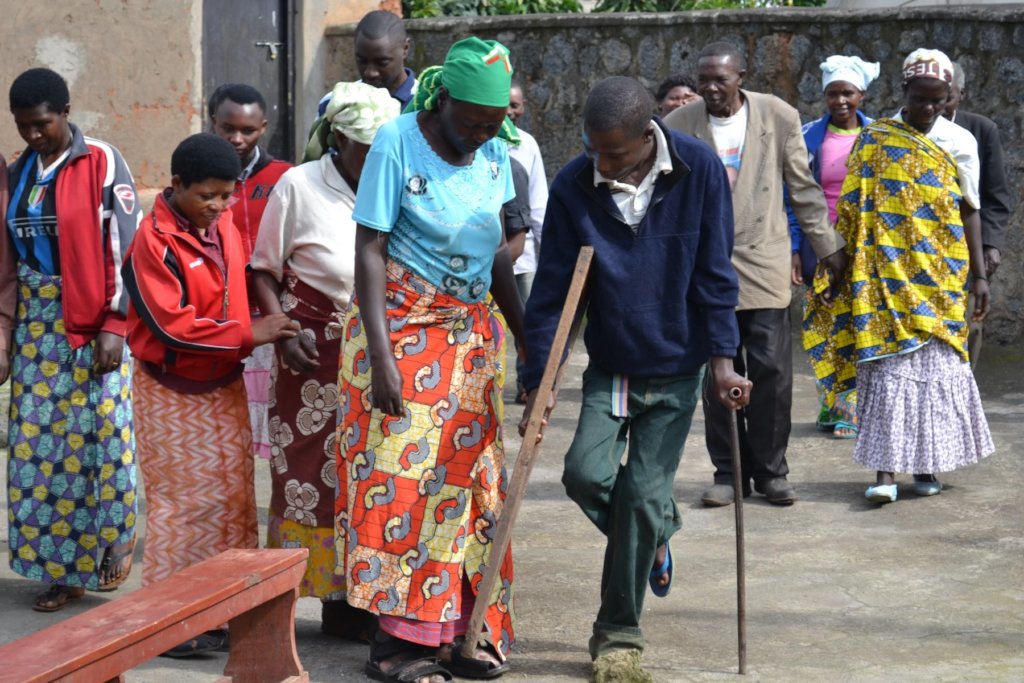
Since 2003, Hroc Rwanda have been conducting Basic Workshops activities on trauma healing, follow ups into the communities to measure the impact of the workshops after they are done.
For this time, Hroc Rwanda had planned to do more workshops with the community, with teachers, and students that are being sponsored.
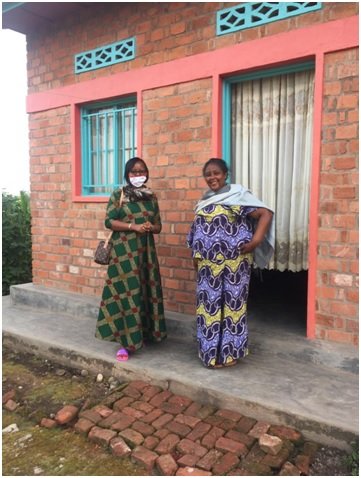
Due to the Covid-19 conditions of working, including the prohibition of meetings and workshops and that at this time Rwanda is commemorating for its 26th year since the 1994 Genocide against Tutsi, HROC Rwanda had planed on conducting One on One listening sessions by meeting people in their homes.
2. Strengths
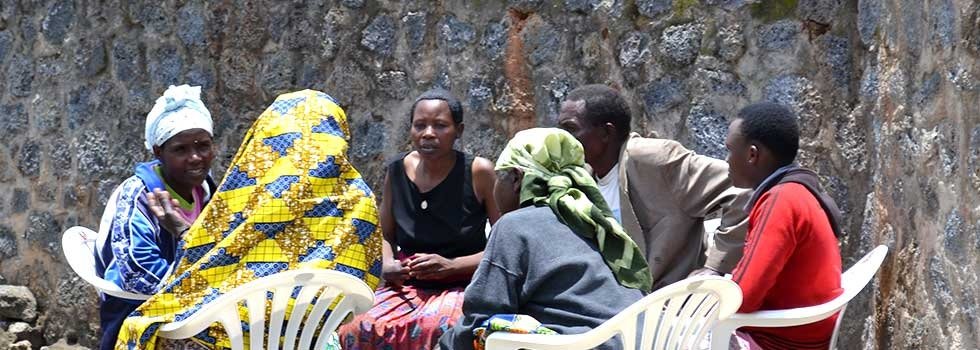
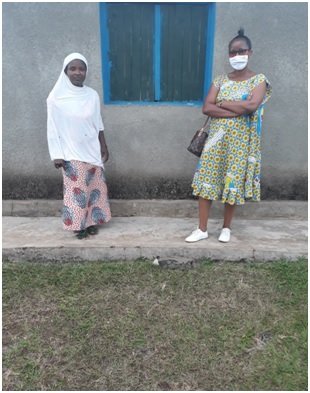
The fact that this was one on one listening session, HROC Rwanda together with the local leaders were able to identify the people to visit. These are the people that have attended HROC workshops and who are re-experiencing symptoms of trauma. Its was easy to identify them and it wasn’t hard for the facilitators to introduce themselves to them as we are familiar with each other.
3.Challenges
A. This is a high risk activity as it takes people back deep into their past
B. Meeting people into their homes took us more energy as most of the people here in Musanze live up in the hills with no motorcycles, no buses, just walking and climbing.
C. It is hard to bring in facilitators from other Districts, to create dynamism, as some of them are in lockdown. Also the worry of the spread of codiv-19 comes when you think of bringing in more facilitators
3. Here are some success stories
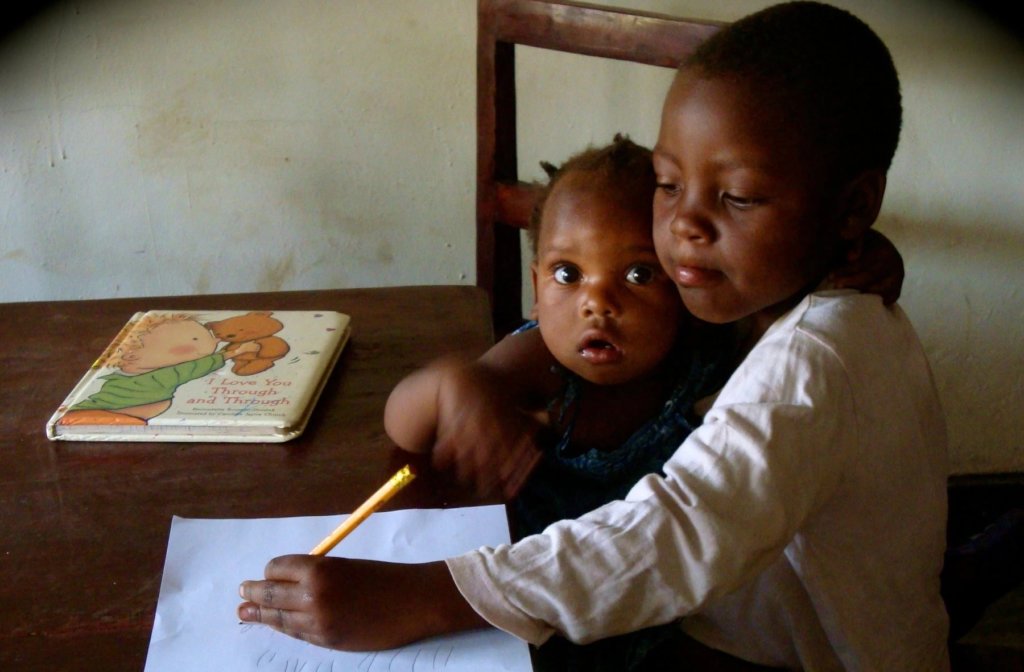
A. “I am Sauda, a single mother of three kids, I was given a shelter as a very poor woman. I don’t know how and where I was born as my parents died when I was young. I don’t trust anybody. I just want my kids to grow up.” “Thank you so much for the visit, as I remember being visited so many years ago. I didn’t know that anyone knows me” “I still cherish the empty chair exercise, though I trust hardly, but there are people that love me” “You are an example of them” “Thank you”
Sauda need a particular follow up as shehas lived in a total confusion for so long and she doesn’t want to interact with people. When she feels overwhelmed she goes find a beer, gets drunk then goes to bed, with no one to take care of the little kids.
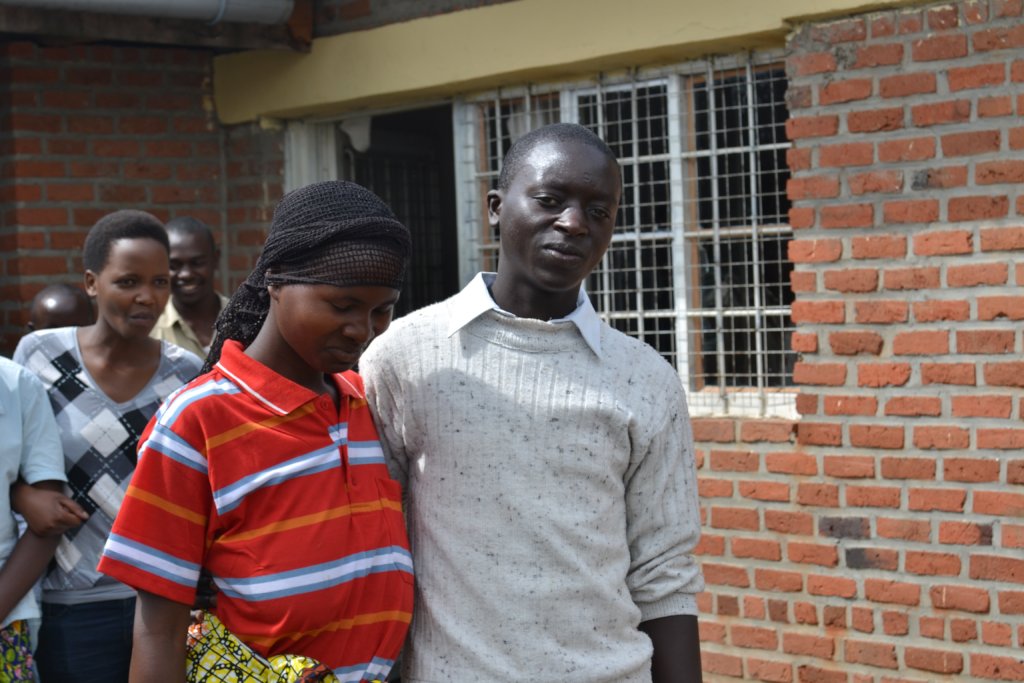
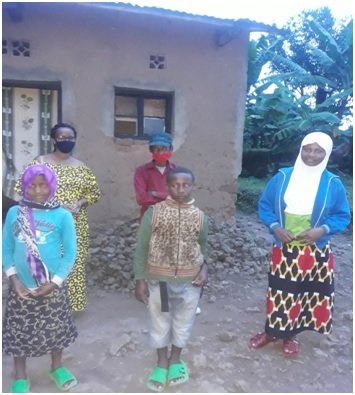
2.Photo: Gasana, with his little children and Solange
B. With so many tears, Gasana who is turning 64 years soon said ”I am so much touched to have someone who could at least remember my name”. I went there calling him by his name ”Uraho Gasana, iminsimyinshi” meaning "Hello Gasanga, longtime”. That was me greeting him.
He started crying and praying for me and the other facilitator (Solange NYIRAMANA) whom I went with. Gasana is a Muslim and started praying in Arabic, and asked Allah to bless us and remember us all the rest of our lives. His wife got traumatized and developed the mental illness. Gasana have decided to leave her with the big kids in the village and came to stay with the small kids in Musanze town in order to survive.
With so much anger into his eyes, and irritated body he said, ”I have suffered for the past 24 years, nobody cares about me. I have kept these materials as a sign that I can do something, but can't do it due to my conditions of living. I know how to make so beautiful bags, but have no support. The government had made a house for me, but it is damaged due to the old materials on it and I can't do anything on it. My family have been killed, and I am alone with these kids. I won't let them go back to school because they have to look for jobs and survive as I am getting old. My other kids found it hard to stay with me in this life and decided to abandon me and my wife who sick. My daughters take this testiomony of me and share it with others,” he added.
C. “HROC had made me who I am today. I had my first time to feel what has happened to me. Before I came for the workshop, I had in my mind that I would commit suicide because I couldn’t tolerate what has happened to me. You people have changed my mind. And again you come to visit me. You are part of my life, and I am sure that I will live longer,” said Josephine.
She is Genocide survivor and a widow. She remained alone in her family. She used to be admitted to the hospital each year in April, but, after attending a HROC workshop on trauma healing, she never went back to the hospital. She was admitted this last April, due to lack of going to mourn and remember her family members who died during the Genocide against Tutsi.
Report on Hroc Center Constructions
1.Introduction
Since 2014 HROC Rwanda has started the building at its Center in the Northern Province. The purpose is to have it completed (1 hall, 5 single rooms including one Listening room and two dormitories), so that it can be able to accommodate participants who may come from far for the Hroc International Trainings that happen twice a year, but not this year due to cCovid-19.
2.Progress
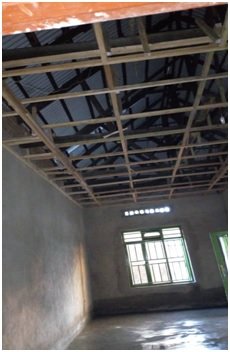
A.We now have our hall almost done. Only the kitchen is not finished. The single rooms with no cement on the floor, no doors and windows are not finished.
B. We have one dorm that is almost done, and now being used by people who come for HROC International Training.
See pictures.
3. Next step
With hope, we will be finishing this one dormitory and hope to share the good news with you soon.
We also plan on starting with the single rooms second phase which is putting on doors and windows.
With your partnership, we hope to have a healed community.
Project reports on GlobalGiving are posted directly to globalgiving.org by Project Leaders as they are completed, generally every 3-4 months. To protect the integrity of these documents, GlobalGiving does not alter them; therefore you may find some language or formatting issues.
If you donate to this project or have donated to this project, you can receive an email when this project posts a report. You can also subscribe for reports without donating.