By Ashley Chatneuff | Communications Coordinator
Introducing new foods and skills through healthy cooking
We all know a picky eater. Many of us have friends that are impossible to cook for and we’ve all heard stories of children who refuse to eat anything that isn’t orange. These traits often become more pronounced when someone is on the autism spectrum. Up to seventy percent of children on the spectrum have narrow eating habits making it a challenge for families and caregivers to expand food choices.
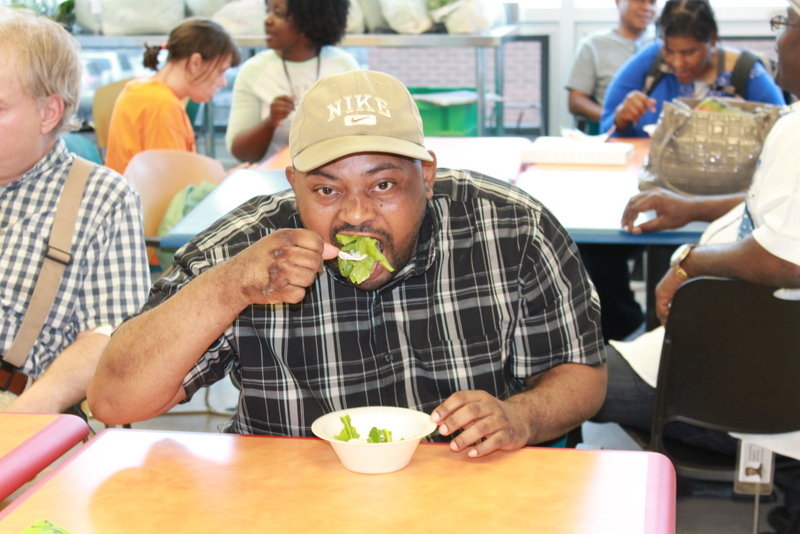
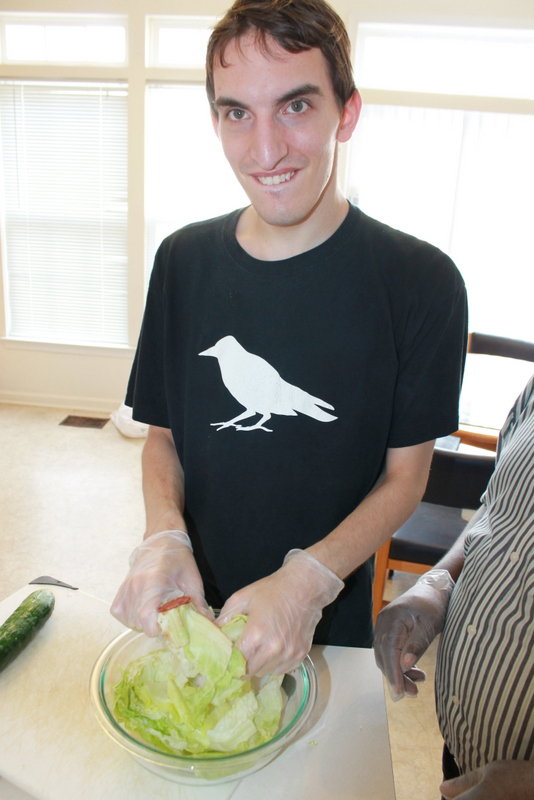
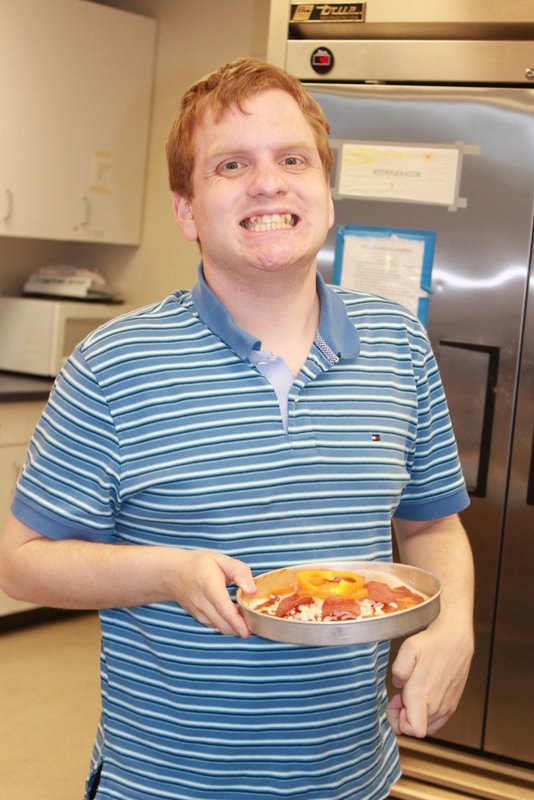
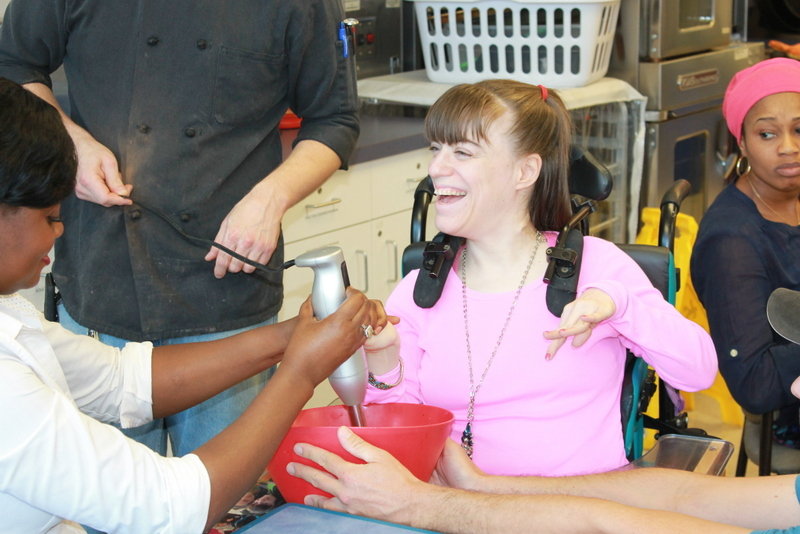
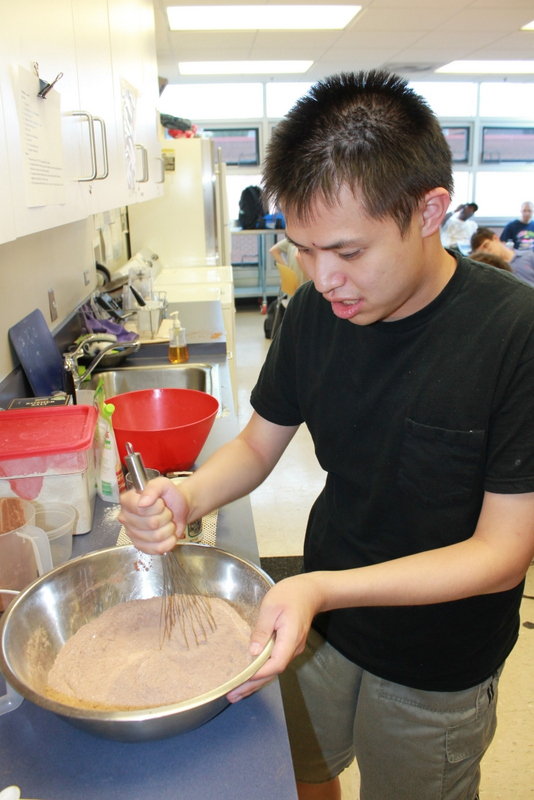
CSS has a new Salad Group which utilizes independent input and decisions while broadening the list of “good” vegetables that individuals want to eat. This group is composed of individuals with developmental disabilities including autism. Many members of the class used to dislike vegetables but now they all enjoy not only making their salads but eating them too.
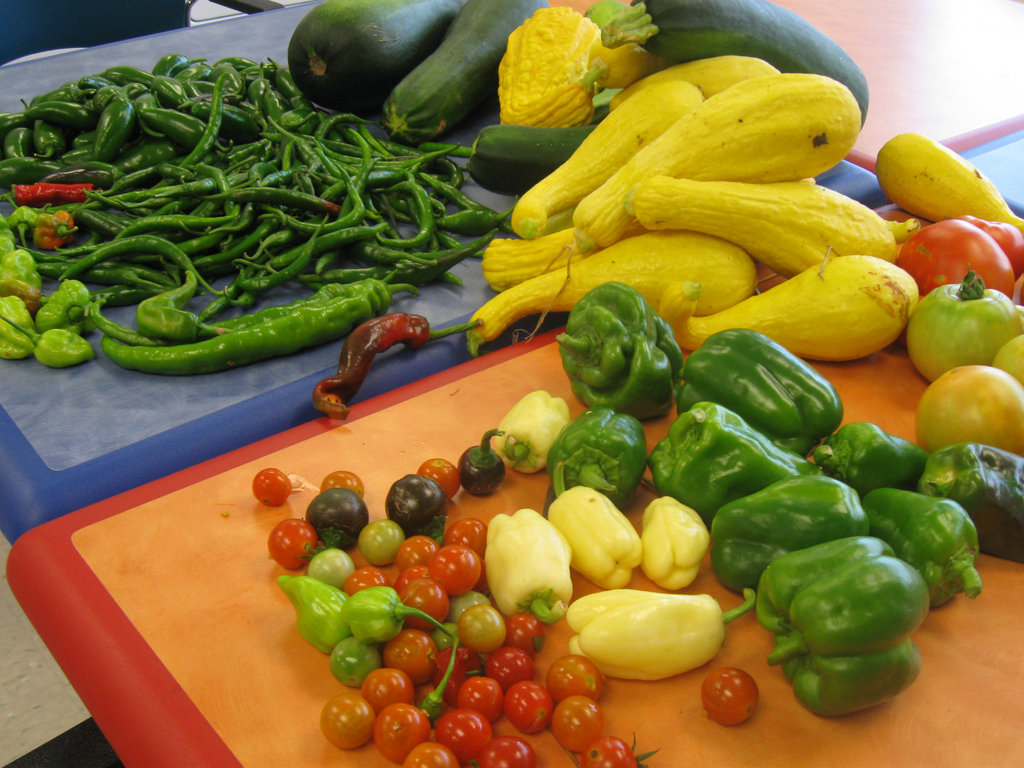
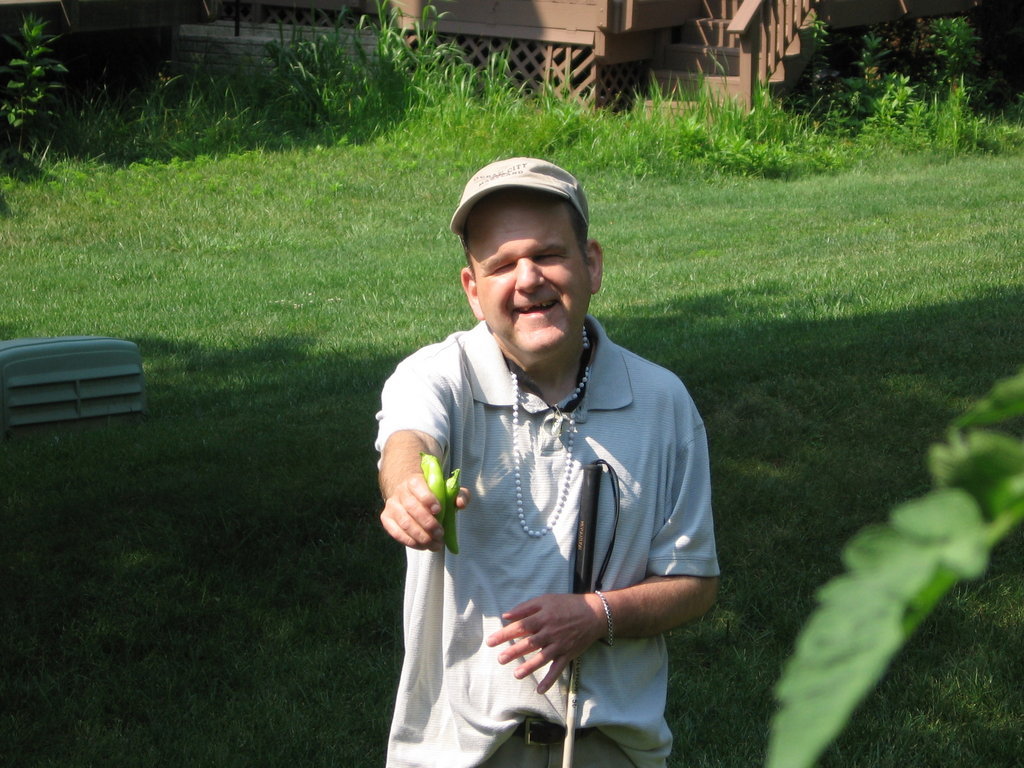
Every week there is a new vegetable to try that is not part of the salad. This week it’s cherry tomatoes. Each taster gets the opportunity to taste and vote with their picture if they like or dislike the vegetable. Everyone likes the chance to put their vote on the board and they see that their choice matters. All but one group member decides that cherry tomatoes are good.
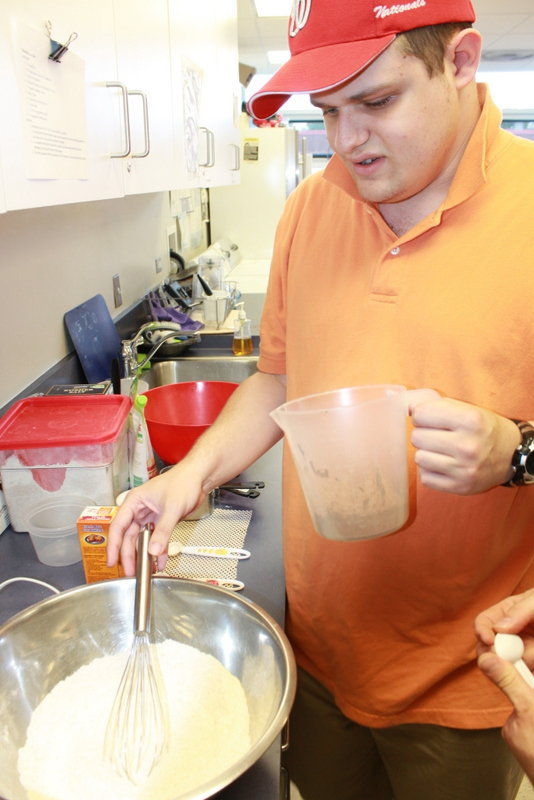
Ingredient lists are handed to every group member at the beginning of class. The week before each person picked out items for their salads and will now use these ingredients to truly make their unique salad. Based on this list they then choose what they’d like to cut first. The knives are made out of special blunt nylon material that will not accidentally cut skin but still easily cuts vegetables with a sawing motion. By using a safe knife more people can participate fully. Every step of the way is a choice for the individual. No vegetable or task is forced on anyone. No one is ever told they must eat something or that they need to hurry up. By giving the opportunity to decide for oneself, an individual becomes involved and interested in participating. Group members became invested in their salad creations
Initially, when the class first met, there were a few individuals that refused to even chop any vegetables using the safe knives. After a few weeks even the most reluctant began to enjoy cutting up the vegetables for their salad.
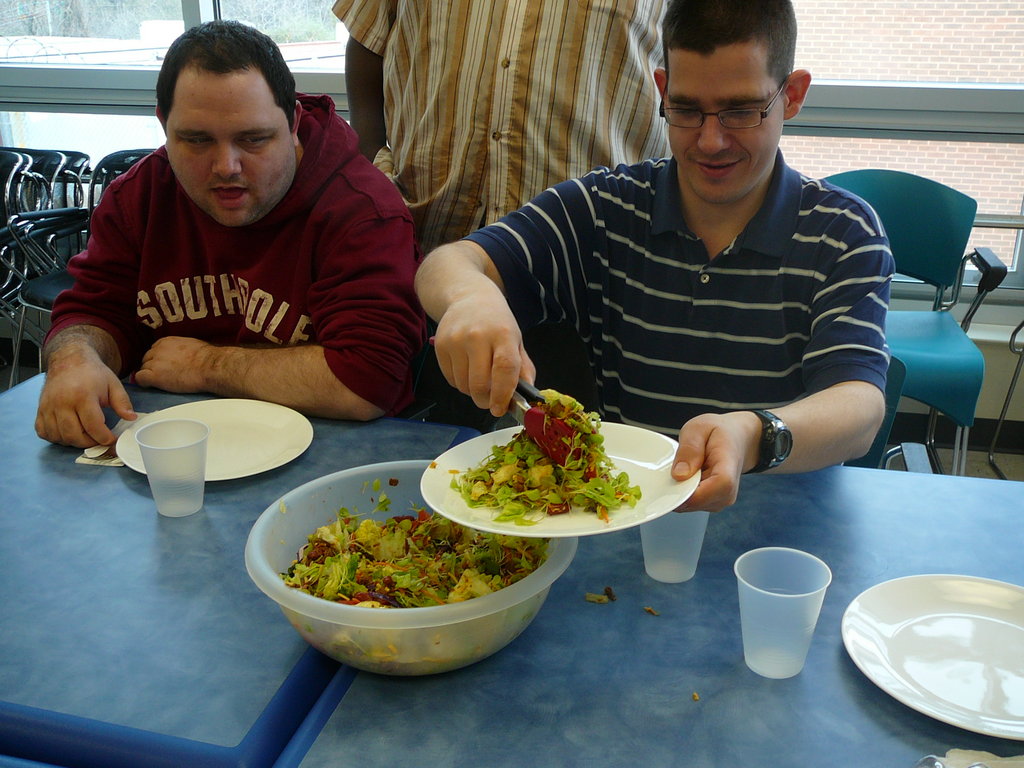
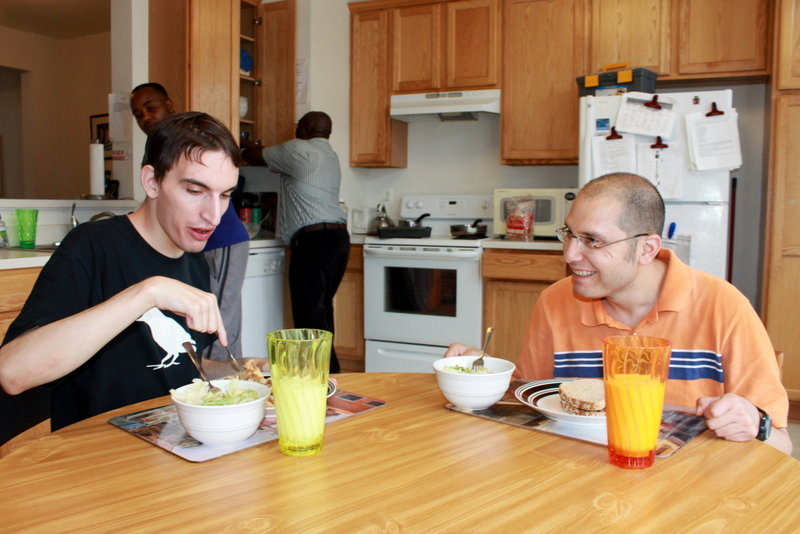
Everybody’s salad is different giving each salad artist the opportunity to express himself. On top of flavor, much of a salad is texture and color. Each salad becomes a work of art that many people appreciate. After the class others enjoy dropping by to eat the leftovers, sampling one or several salads. This increases vegetable exposure beyond the salad group itself. Individuals who normally won’t eat salads are excited to visit the kitchen for a chance to taste the creations.
At the end of each class, each participant picks out the ingredients to go into their salad for the following week. As ingredients vary so do the salads. Joey says his salad is good this week, but he thinks next week he’d like to try a different dressing. Everyone leaves happy with what they’ve made and looks forward to the next week and the chance to do it again.
Project reports on GlobalGiving are posted directly to globalgiving.org by Project Leaders as they are completed, generally every 3-4 months. To protect the integrity of these documents, GlobalGiving does not alter them; therefore you may find some language or formatting issues.
If you donate to this project or have donated to this project, you can receive an email when this project posts a report. You can also subscribe for reports without donating.