By David Chrystal | Project Leader
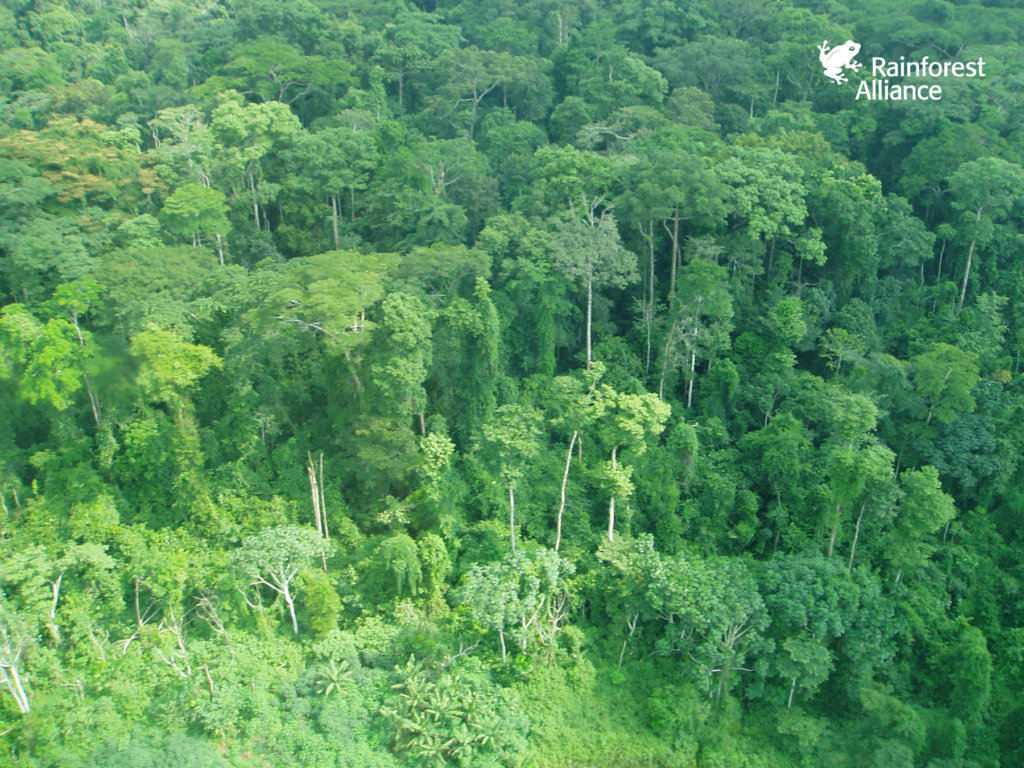
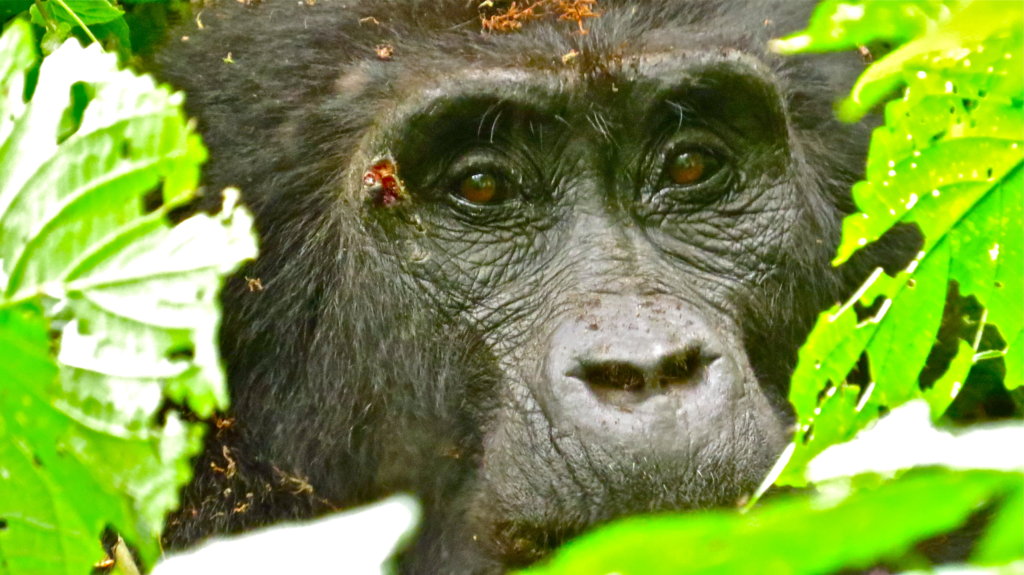
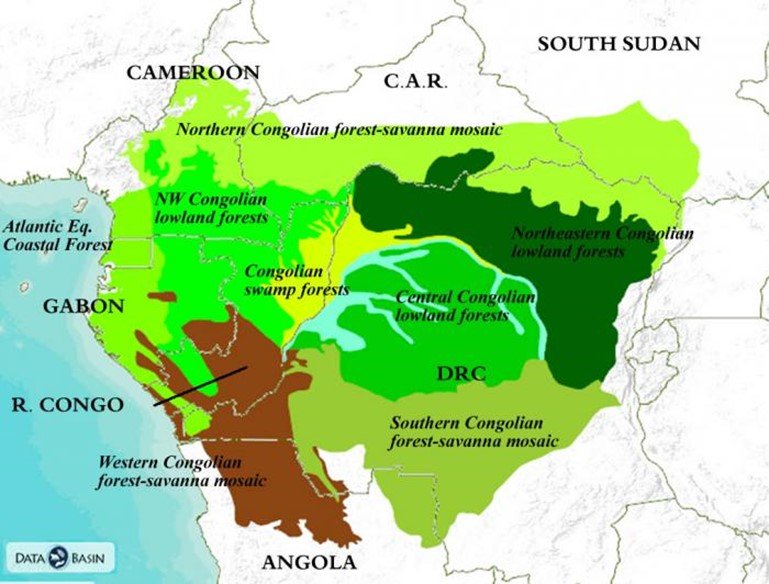
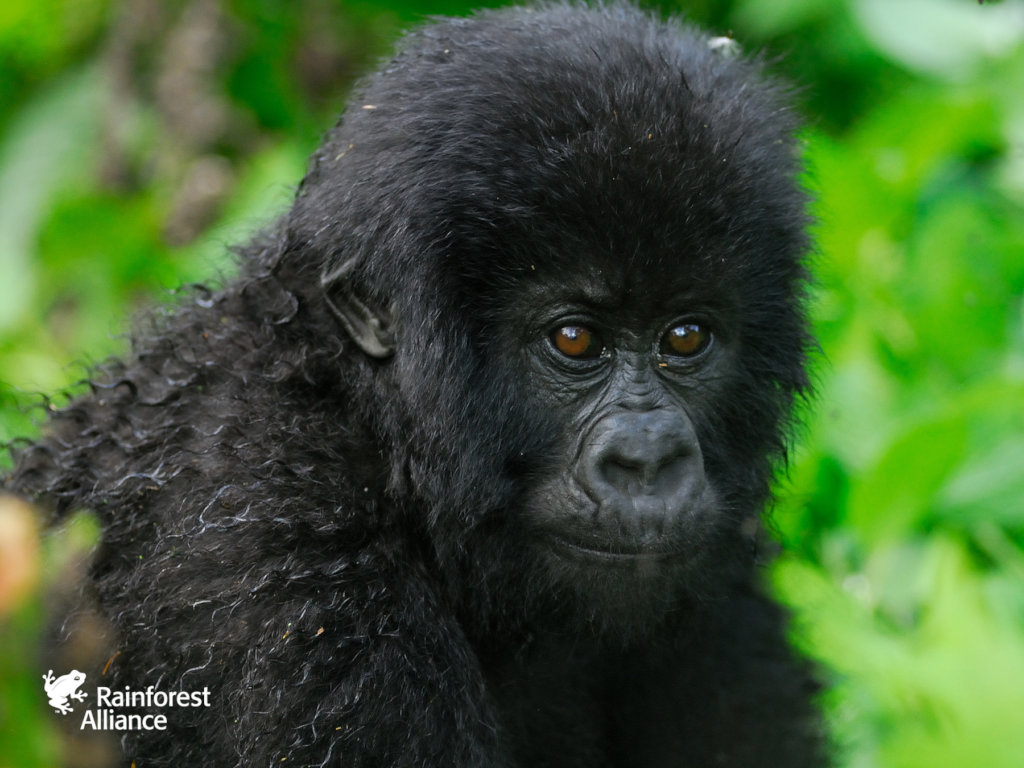
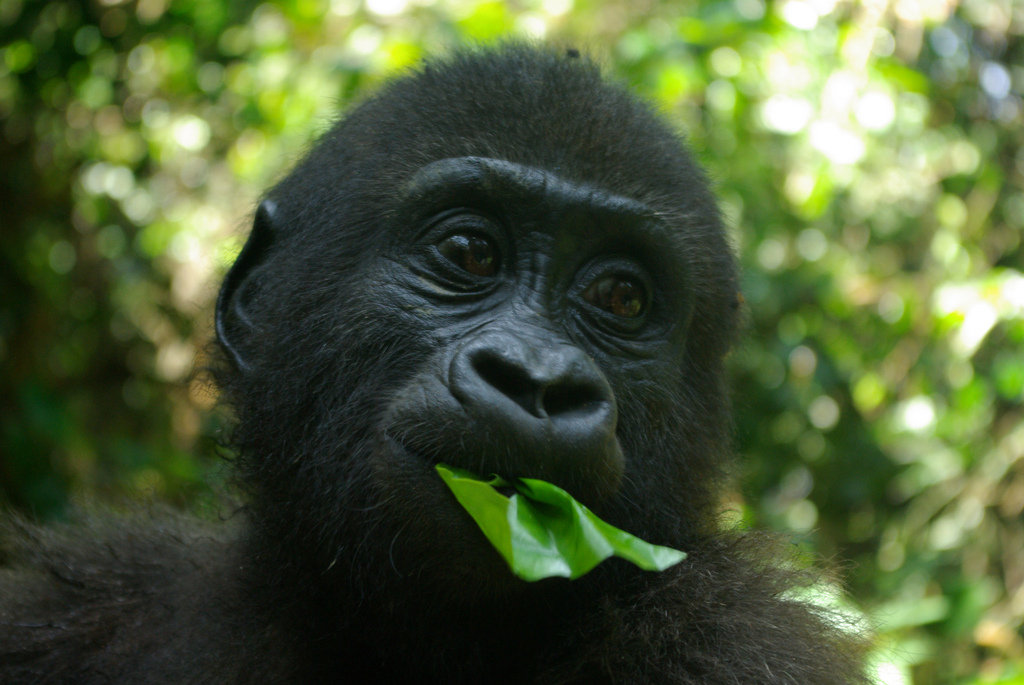
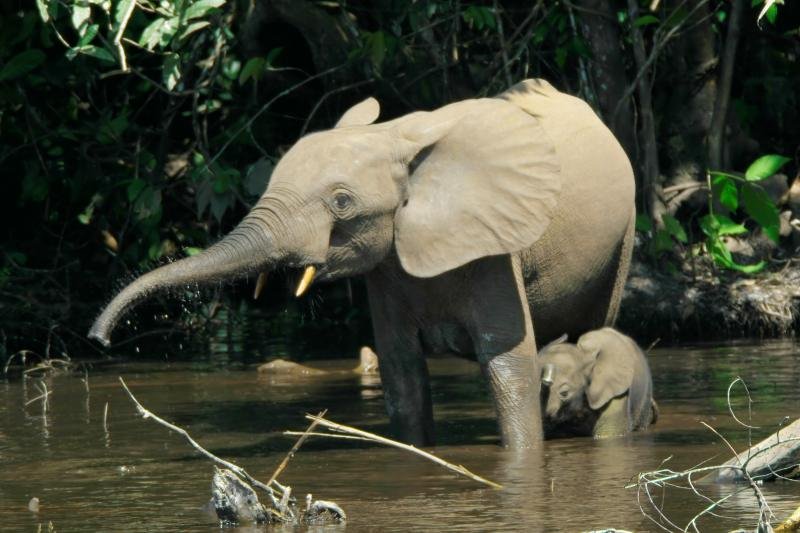
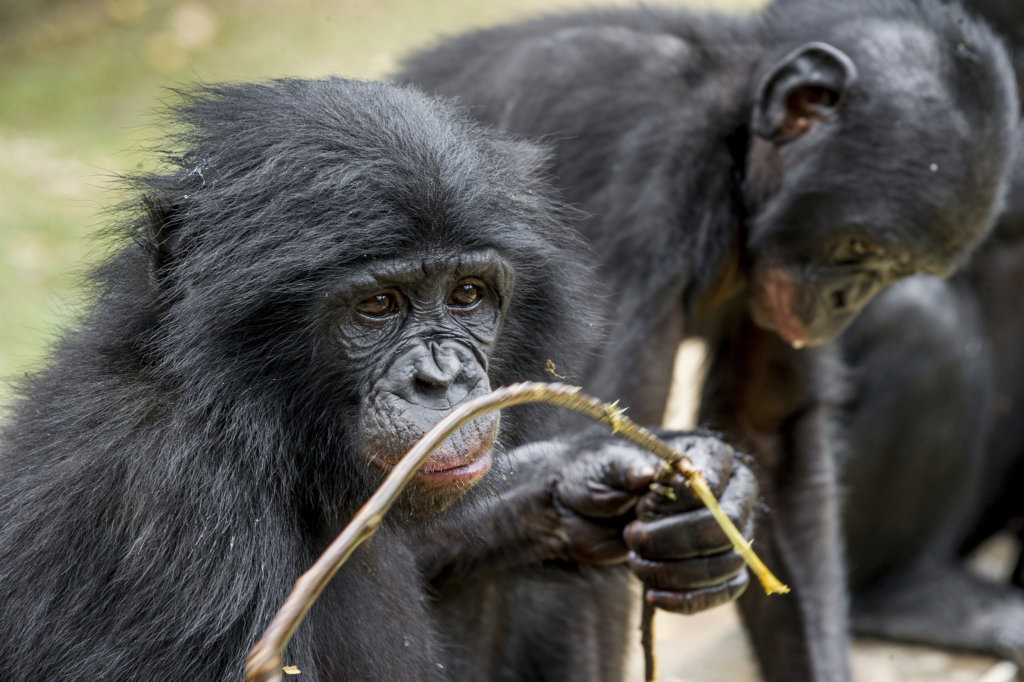
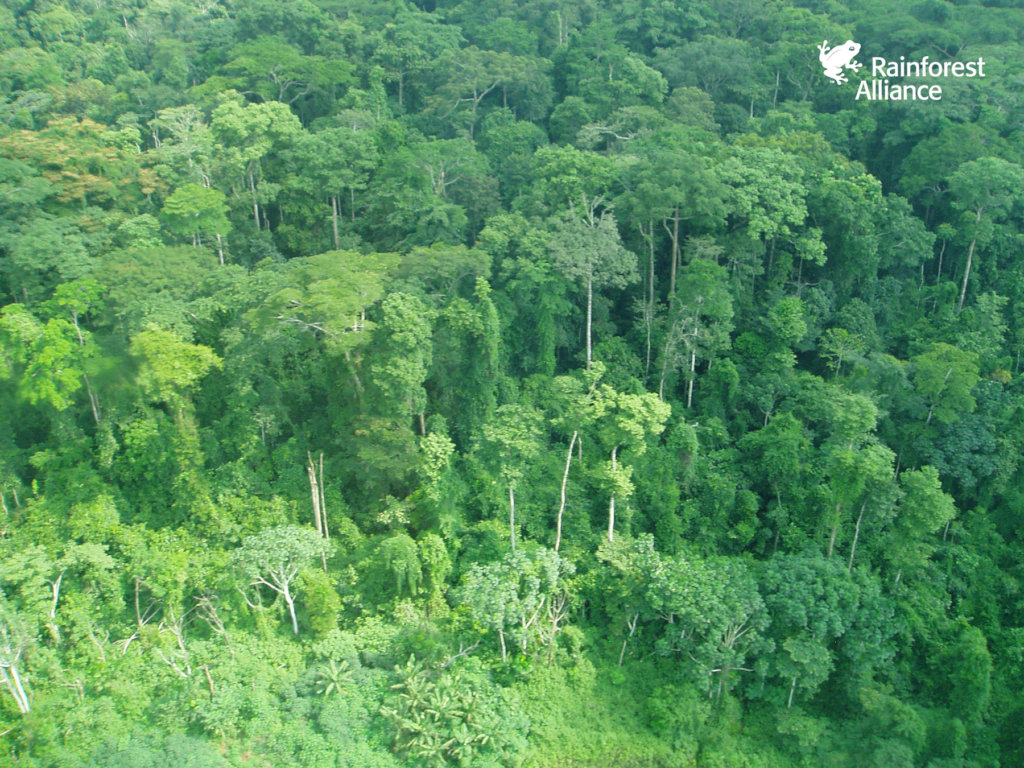
West and Central Africa have strong rural economies set within some of the world's largest forest expanses. The Congo Basin spans eight countries, contains the world's second largest contiguous forest, and boasts abundant biodiversity and natural resources. The biodiversity-rich Congo Basin contains 10,000 species of tropical plants, 400 species of mammals, 700 species of fish, and 1,000 species of birds. Included in the wildlife population are endangered creatures such as lowland and mountain gorillas, chimpanzees, bonobos, and forest elephants.
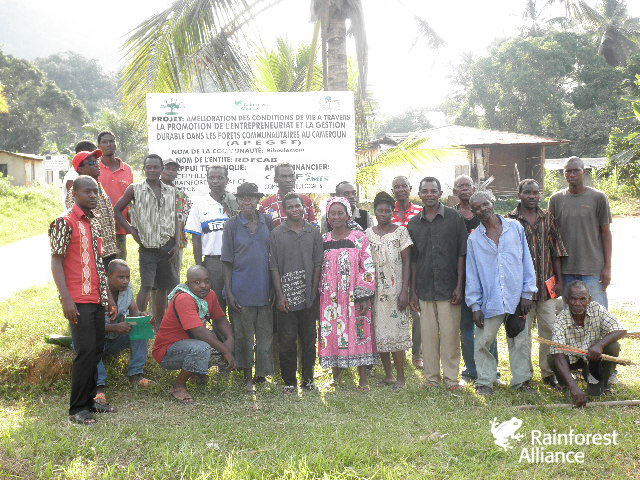
The Congo Basin’s forests have stood for tens of thousands of years, with humans, flora and fauna, and wildlife all managing to coexist. Since 2011, the Rainforest Alliance has by focused on two clusters of community forests which border protected areas in the country’s southern region. We have applied this approach in Cameroon, focusing on two clusters of community forests that border protected areas in the country’s southern region—one cluster that’s adjacent to the CampoMa’an National Park and another that’s near the Dja Biosphere Reserve. Both protected areas harbor an array of endangered species, such as the lowland gorilla, African forest elephant, western chimpanzee and Grey-necked Picathartes.
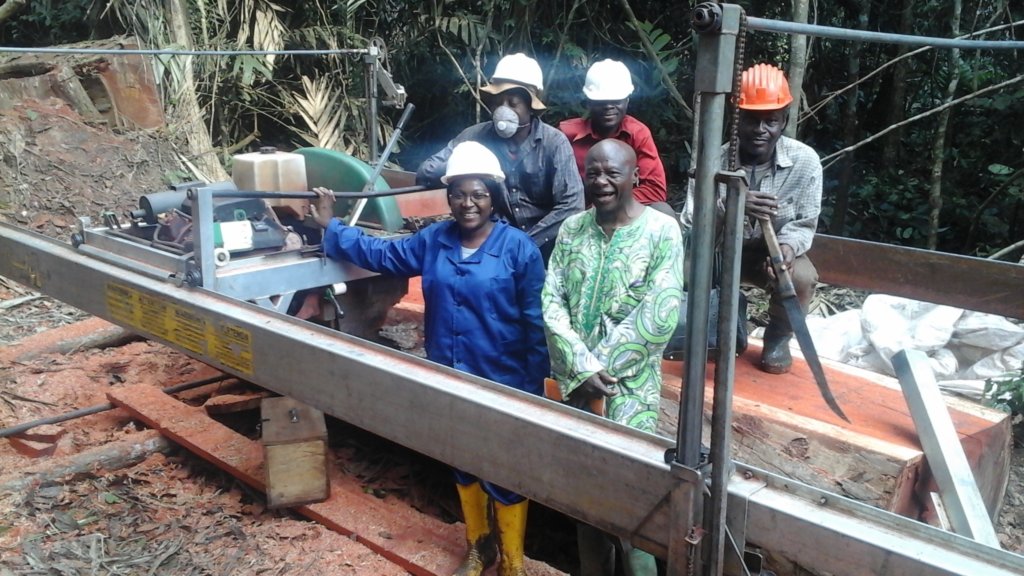
Despite encountering challenging conditions, Cameroon’s community forest projects have made significant progress over the past five years. As a result of your support, they’ve approved management plans that cover a total of 74,000 acres (30,000 ha)—a major step forward for community forests in the region.
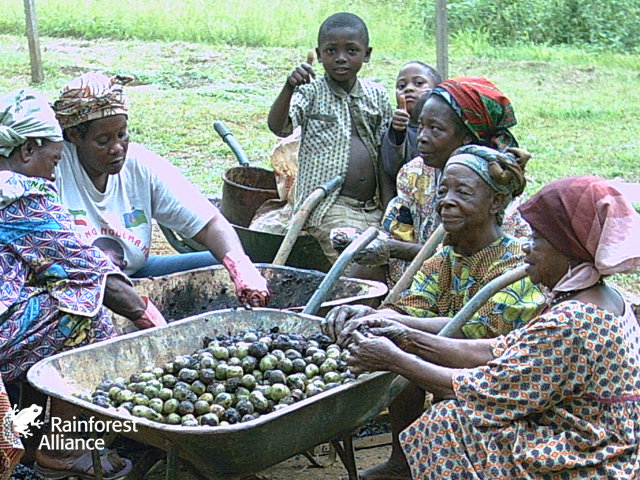
the Rainforest Alliance is working with local communities so they can earn livelihoods while conserving the neighboring forest—home to several endangered species such as lowland gorillas, forest elephants, and bonobos. Through this work in community forestry, those 10,000 species of tropical plants, 400 species of mammals, 700 species of fish, and 1,000 species of birds mentioned earlier are closer to safety.
Project reports on GlobalGiving are posted directly to globalgiving.org by Project Leaders as they are completed, generally every 3-4 months. To protect the integrity of these documents, GlobalGiving does not alter them; therefore you may find some language or formatting issues.
If you donate to this project or have donated to this project, you can receive an email when this project posts a report. You can also subscribe for reports without donating.