By David Chrystal | Project Leader
Thank you for your support for the Rainforest Alliance’s work with community forestry in the Congo Basin. Forests are critical to the survival of every living thing on Earth: they clean the air, absorb greenhouse gas emissions, and stabilize the climate—both globally and locally. We’re working together to fight deforestation around the world. Read below to understand the unique beauty and resources found in Cameroon and the Congo Basin:
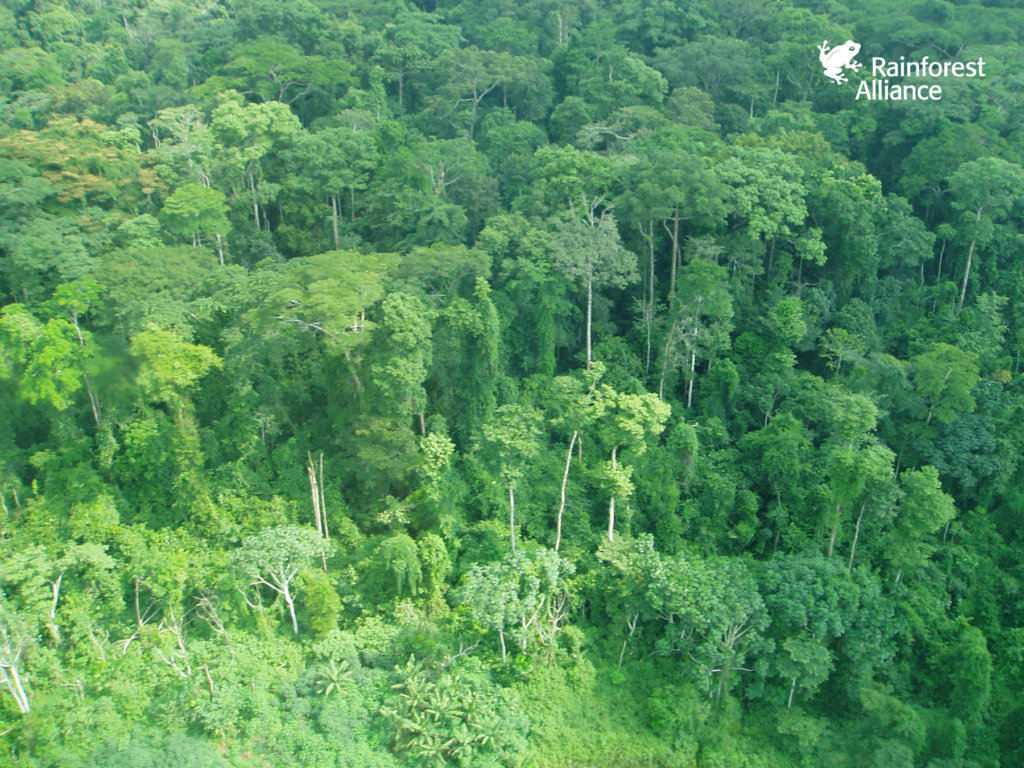
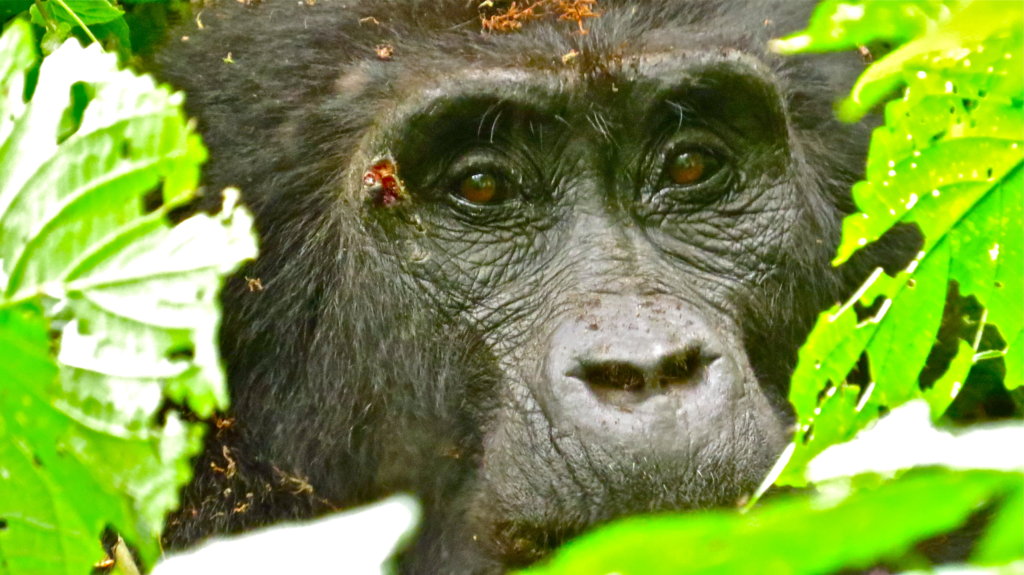
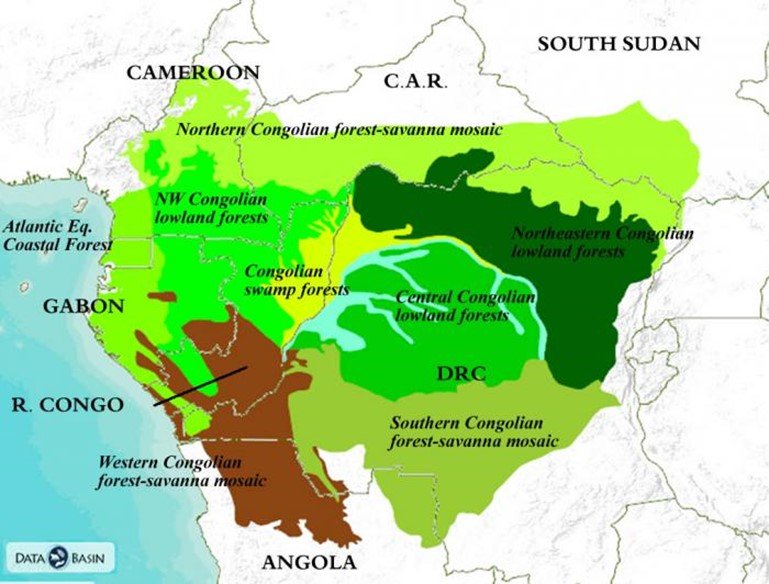
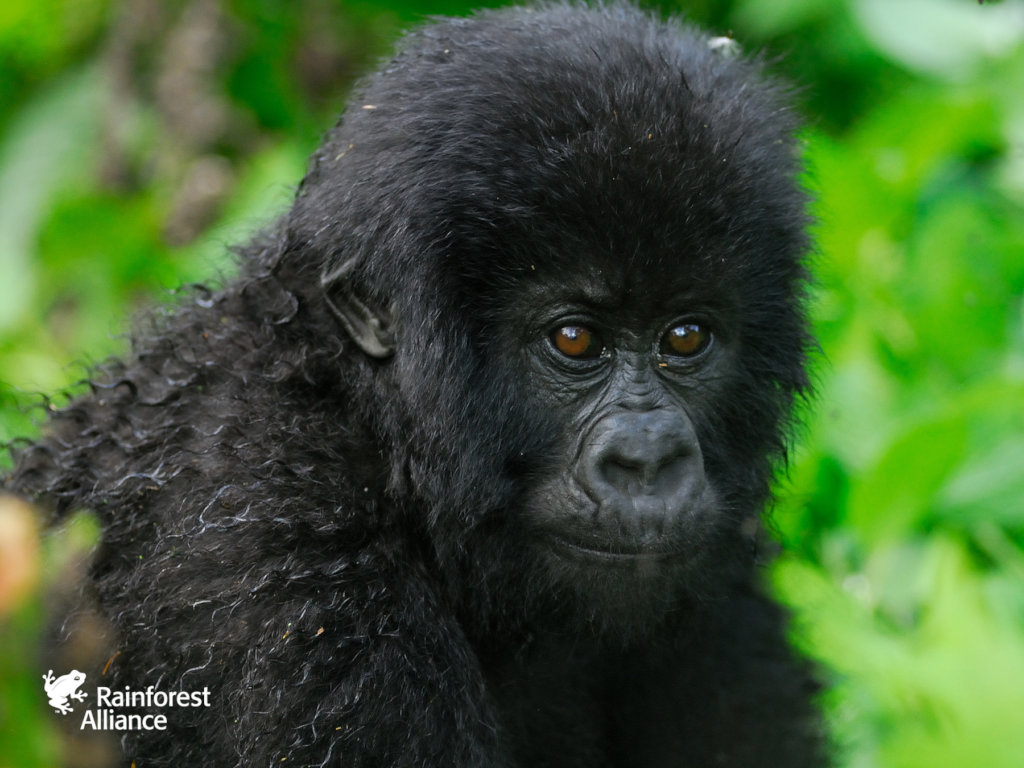
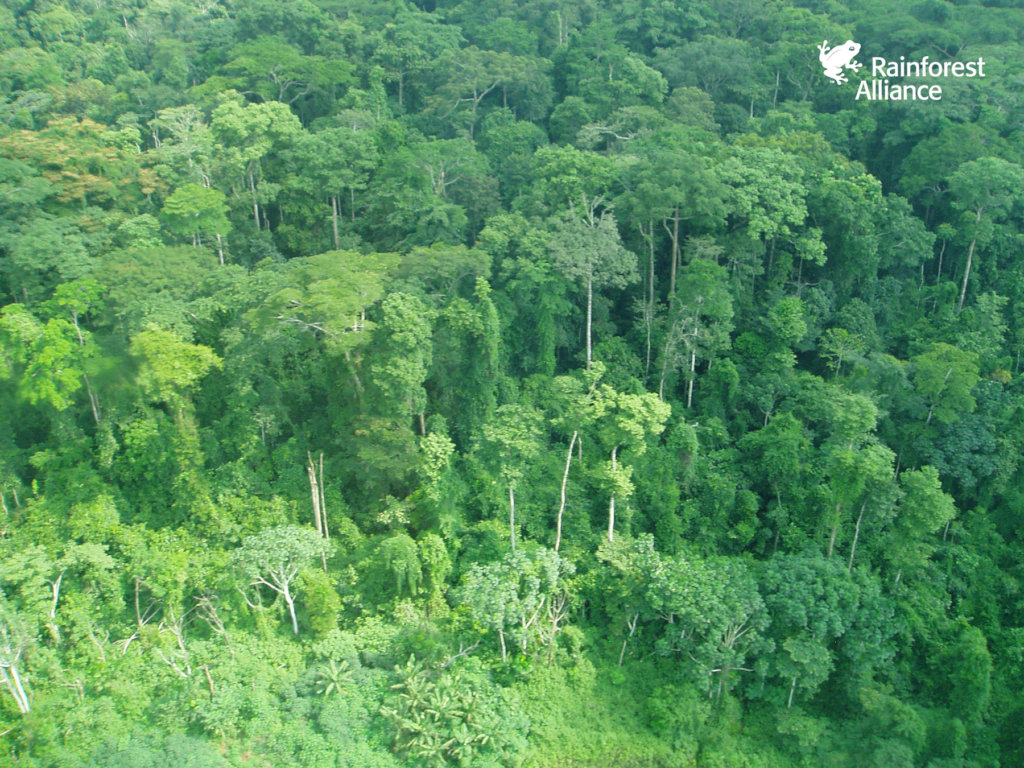
The Congo Basin’s vast and still largely intact expanse of tropical rainforest spans eight countries and represents 90 percent of Africa’s remaining tropical forest. It is an area of stunning biodiversity filled with approximately 10,000 species of tropical plants (nearly a third of which are endemic), 400 species of mammals, and 1,000 species of birds. These include an array of endangered wildlife, such as lowland and mountain gorillas, chimpanzees, drill, bonobos, and forest elephants.
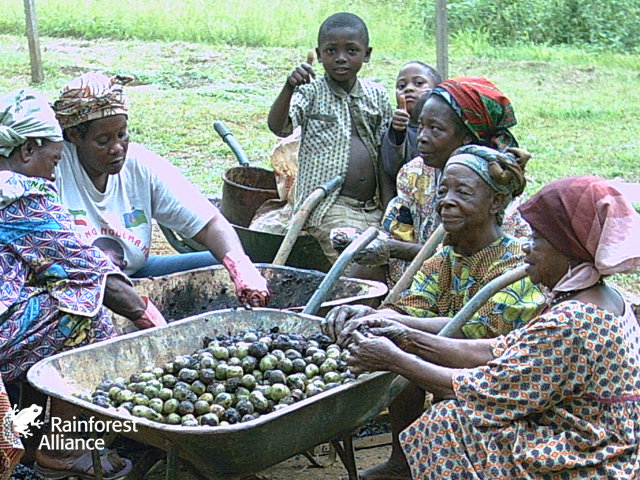
For tens of thousands of years, these forests have also supported the livelihoods of millions of people. Today, the human population of the Congo Basin is approximately 30 million, including more than 150 ethnic groups. Like most forest-dependent groups, these communities have a tremendous knowledge of biodiversity, and their harvesting of forest products for consumption and/or trade generates critical household income and provides them with an opportunity for sustainable economic growth.
Yet even as the Congo Basin and other tropical forests around the world face mounting threats, a promising alternative has begun to emerge: the devolution of forest management to local communities. In Africa, this approach is still in its nascent stages, but there is one country where community forestry has already shown significant potential as a tool for conserving forests and promoting sustainable local development.
By David Chrystal | Project Leader
By David Chrystal | Project Leader
Project reports on GlobalGiving are posted directly to globalgiving.org by Project Leaders as they are completed, generally every 3-4 months. To protect the integrity of these documents, GlobalGiving does not alter them; therefore you may find some language or formatting issues.
If you donate to this project or have donated to this project, you can receive an email when this project posts a report. You can also subscribe for reports without donating.