By Millenium Water Alliance | Project organization
The inhabitants of the project areas are predominantly rural, and face critical challenges in terms of access to safe water supply and hygiene and sanitation. Government employees assigned to work in the communities, including health workers, primary school teachers and development staff also experiences the same problems, particularly during the seasonal dry periods. This in turn has significantly affected the quality and quantity of government public services to the rural communities. For example, absence of safe water sources and sanitary facilities (particularly for girls) at schools results in low attendance and retention. While at health posts, the lack of water and poor sanitary conditions exacerbates incidences of disease.
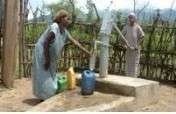
In these Woredas, as in many rural areas of Ethiopia, the burden of fetching water for domestic and livestock consumption from distance sources is a time and labour consuming activity performed by women and school-aged children, usually girls. School enrolment rates for students, particularly girls, are critically hampered. Older school children, primarily girls, are required by their parents to shorten school attendance so that they can collect the family’s water from distant sources.
Moreover, residents have no choice but to use water from any source, regardless of its poor quality and unsafe sanitary conditions around the source. Ponds, puddles and rivers are often the only water sources for many households. Awareness of the linkage between water quality and health is quite low. The lack of water has had a dramatic impact on the health status of the communities. Families face the increased risk of water-related and water-borne diseases from unsafe water sources. Low awareness of personal hygiene and sanitation practices coupled with poor environmental health and a lack of water have worsened and complicated their health status, particularly on children.
The major stakeholders in this program are government respective offices of Water, Health, Education, Woreda and kebele Administration, women and youth groups and Water and Sanitation committee.
Please click below to read the full report with more information on the work in Ethiopia including project status, challenges, and future plans.
Project reports on GlobalGiving are posted directly to globalgiving.org by Project Leaders as they are completed, generally every 3-4 months. To protect the integrity of these documents, GlobalGiving does not alter them; therefore you may find some language or formatting issues.
If you donate to this project or have donated to this project, you can receive an email when this project posts a report. You can also subscribe for reports without donating.