By Laurel Groh | Sr. Communications Manager
Our project in Pallabi has been divided into three phases. The first two phases are complete and have been tremendously successful.
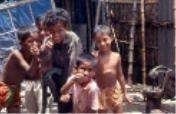
History Dhaka’s water and sewage systems are run by the Dhaka Water and Sewerage Authority (DWASA). However, DWASA will not provide water to the people living in these slums because they live outside its service area. Instead, community members accessed the water they need for survival through a patchwork of sources, none of which are guaranteed or safe. There were some hand pumps on wells, but these largely went out of service in the dry season when the water table drops. When these sources were unavailable, community members were reduced to scavenging for water, relying on mosques or schools and many had to resort to ditches and rivers to meet their water needs. Not only were the sources unreliable throughout the year, they also carried the risk of illness from pathogens and, for the ground water sources, arsenic poisoning.
New Water Source Our local partner organization bridged the gap between these squatter communities and DWASA, allowing the communities to purchase water in bulk from DWASA at wholesale prices. Water is piped to underground reservoirs via the DWASA water mains. From these reservoirs it is pumped to elevated storage tanks and then distributed to water points throughout the slums. People are able to walk shorter distances (less than 500 meters) to collect their water. Some areas that were not easily reached by the piped system are served by deep wells with hand pumps. The groundwater was tested to make sure it is free of arsenic. Caretakers will monitor the water points to serve those who collect water and ensure proper maintenance.
Impact on the Community Providing water security has allowed the Phase I and II populations to pursue wider economic development. Because of reduced illness and time spent scavenging for water, adults are pursuing additional work and children are spending more time in school.
Links:
Project reports on GlobalGiving are posted directly to globalgiving.org by Project Leaders as they are completed, generally every 3-4 months. To protect the integrity of these documents, GlobalGiving does not alter them; therefore you may find some language or formatting issues.
If you donate to this project or have donated to this project, you can receive an email when this project posts a report. You can also subscribe for reports without donating.