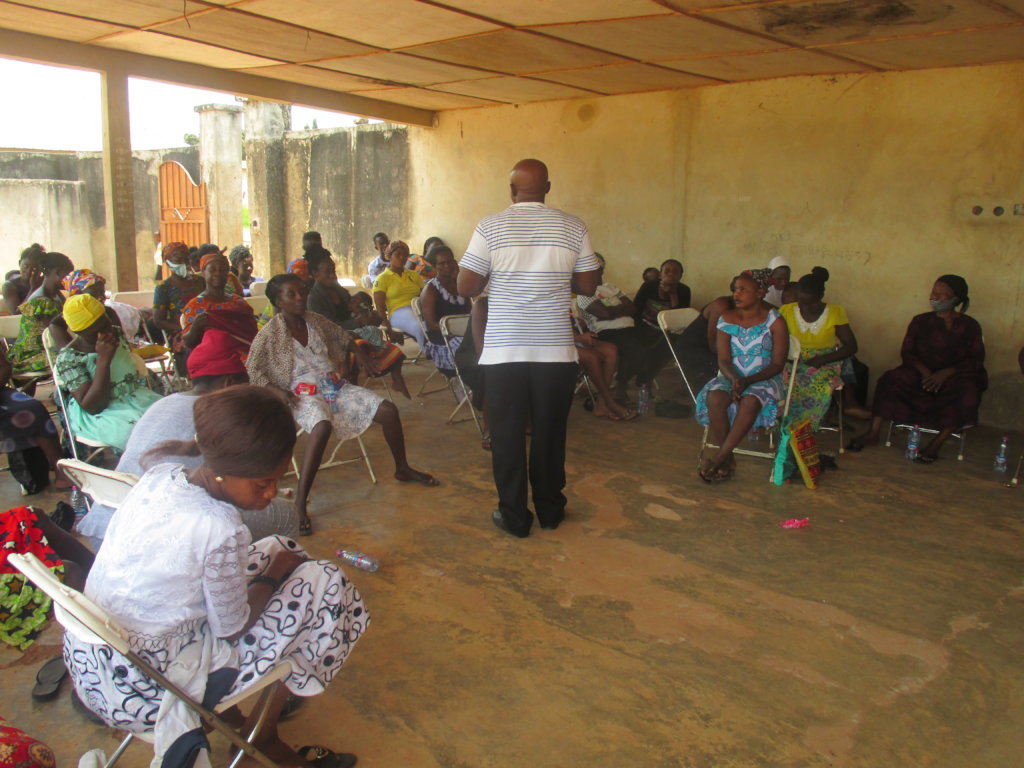
This project will contribute to the implementation of the 2013 Riparian Buffer Zone Policy for Managing Freshwater Bodies as well as restore the livelihood of 1500 poor rural women whose lands have been destroyed through indiscriminate and uncontrolled sand winning in the Ashanti Region of Ghana. Specifically, it will: a. Sensitise communities on conservation of buffer zones. b. Restore green spaces with native grass, shrubs and trees c. Support 1500 poor rural women to plant yams for income.
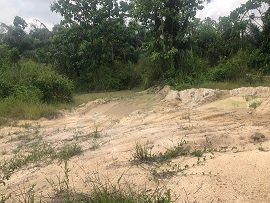
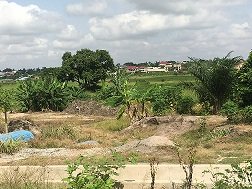
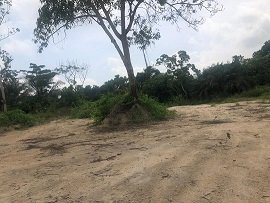
The sources of livelihoods of 1500 poor rural women have been destroyed through indiscriminate and uncontrolled sand winning in Ejisu and Kwabre East Municipalities in the Ashanti Region of Ghana. These women can no longer grow staple foods such as cassava, maize and vegetables such as pepper, okra, garden eggs on low level lands. In the process, small perennial streams ecosystems have not been spared despite the existence of the 2013 Riparian Buffer Zone Policy for Managing Freshwater Bodies.
This project will contribute to the implementation of the 2013 Riparian Buffer Zone Policy for Managing Freshwater Bodies as well as restore the livelihood of 1500 poor rural women whose lands have been destroyed through indiscriminate and uncontrolled sand winning in the Ashanti Region of Ghana. Specifically, it will: a. Sensitise communities on conservation of buffer zones. b. Restore green spaces with native grass, shrubs and trees c. Support 1500 poor rural women to plant yams for income.
The project will improve water quality, resulting in less run off erosion. This will allow more recharging of the ground water supply. It will also prevent the transport of sediment and chemicals into the streams. Very poor people who depend on the streams for their water needs will have access all year round. Incomes of the rural women will be improved as a result of the training and marketing assistance provided. 120 tons of carbon dioxide and 80 tons of oxygen will be absorbed annually.
This project has provided additional documentation in a DOCX file (projdoc.docx).