By Jacinta Pinto | Regional Coordinator
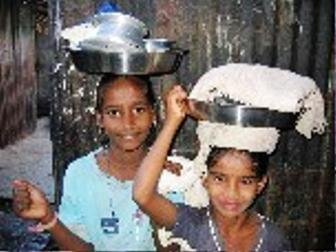
95% of the children in domestic work are girls subjected to physical, sexual and emotional abuse. Many of these children are forced into labour due to poverty. Over 2000 children in domestic work have been rescued from all states in India.
The Maharashtra government indicated that there were no children in domestic work. This attitude has changed and now the government has recognized that 45 million of such children do exist.
Important Highlights:
*The Ban on Child Labour was amended to include children in domestic work and those working in hotels, restaurants and roadside inns. This came into force on 10th October 2006. It was a landmark event giving hope to millions of children. However, a child labour-free country is far from the truth and the media still reports news about children bonded in this labour and their employers claiming to be their beneficiaries.
Knowing fully well of the situation, NDWM – National Domestic Workers Movement has gone all out this year to ensure that the Ban is implemented
1. Awareness programs and campaigns were the agenda of this task force and it has struck a chord in society.
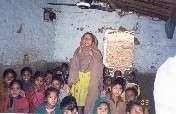
2. In every domestic workers groups and communities, awareness has been created to encourage children to be educated and not put into domestic work or any other work. Children who are in domestic work are encouraged to go to school or given non-formal education.
3. Rallies were carried out in collaboration with like- minded NGOs and Childs Rights organizations on Anti-Child Labour Day and the 10th of October to make the public who would include employers, aware of the situation and to prevent children in any labour force.
Below are the results of surveys and work that has been done in different parts of India. In Chattisgarh : * Survey in 116 Villages –3601 girls in 12 – 16 age group have been identified. * 40,000 people participated – 8 girls rescued through Padyatra -.
In Manipur: * Education of children in domestic work through sponsorship and tuitions
In Uttar Pradesh – 20 girl children admitted in residential schools *Seminar for 40 boys and 40 girls. 5-12 yrs age group. *Camp for Youth 13 – 18 Yrs of age
Awareness campaign against children working at such an age:
In Punjab – 75 migrant domestic workers were rescued resulting in compensation of 13 lakhs.The Culprits are behind bars but unable to trace the workers.
In Delhi – Tracking of 400 placement agencies, Leadership training, Children in age group of 12 to 16 yrs in observation homes have been reintegrated with their families.
Orissa: is a prominent source area for trafficking women and children for forced labour. The Movement here has been active in creating awareness of the issue and they have received good support from the Church authorities and State government officials. They have been instrumental in making the women aware of alternate employment options in the region. The Government has instituted 40 schools for children in labour.
This Year, the offices of the Movement in the source and destination areas have collaborated with each other to tackle this menacing issue. The following activities are carried out to prevent trafficking and prepare for safe migration.
• Village-level committees and vigilant groups are set up to control trafficking and protect the women. Vigilant groups include groups of domestic workers, women and youth organizations. • Creating a database: a comprehensive list is prepared which presents the number and names of girls and women who have moved out of the local areas to work in urban cities. Active records of all sorts of migration is maintained. This study also identifies the routes of human trafficking: source to destination areas. • Exposure Visits: Members of the Movement from source areas, village vigilant committees participate in exposure visits to destination areas. They are trained and exposed to the risks faced by migrant domestic workers. These visits help the participants to prepare a strong support system for the women who migrate or are trafficked into cities
• Campaigns to create awareness of the issue of trafficking: These include networking with other like-minded social organizations and displaying posters, media campaigns and street plays depicting the causes, how and why of migration and the fate of falling into the clutches of the agents. The street plays also display self-employment and information of the National Rural Employment Guarantee Act (NREGA) in Orissa.
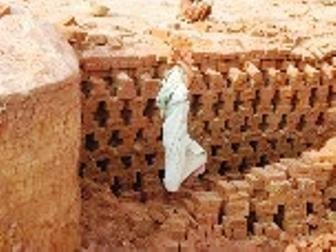
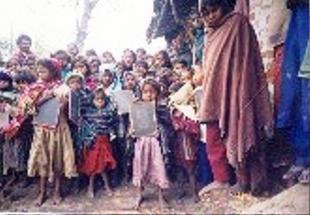
• The Bihar Domestic Workers” Welfare Trust runs non- formal education programmes and provide medical care for children of brick kiln workers. The conditions of the workers and their children are appalling. The children’s growth and development are hampered due to the lack of resources and negligence on the part of the parents. Most of them are malnourished. The older children have to look after their siblings from the age of four and by the time they are six years of age they start working and carry mud to support their families. Conclusion: Looking forward to the Dream of getting the rights to every child for education and to avail the opportunity for the Child, who are deprived of their rights to childhood. We strive to get them, the opportunity to shine in the main stream of education. to play school or enjoy life with their family and friends.
Project reports on GlobalGiving are posted directly to globalgiving.org by Project Leaders as they are completed, generally every 3-4 months. To protect the integrity of these documents, GlobalGiving does not alter them; therefore you may find some language or formatting issues.
If you donate to this project or have donated to this project, you can receive an email when this project posts a report. You can also subscribe for reports without donating.