By SEHER | Child Protection manager
Children are vulnerable to sexual abuse and exploitation and specifically the boys as due to the tribal area in Quetta. It was also highlighted that mostly the incidences of child abuse take place in the vicinities of Cinemas, video gaming zones and small hotels. The boys who are forced to work by their parents usually become any easy target for the perpetrators to lure them into commercial sexual activities.
SEHER strategically dealt the situation multi-dimensionally. On one hand SEHER started rehabilitation of victimized children through variety of recreational activities and psychosocial counseling and on the other hand started sensitization of key stakeholders that include people belonging to different tiers of the society that directly or indirectly have a link with the life of the children vulnerable to sexual abuse. The focused stakeholders include parents, primary care givers, mentors, community elders, Law Enforcing officials, school teachers and elected representatives.
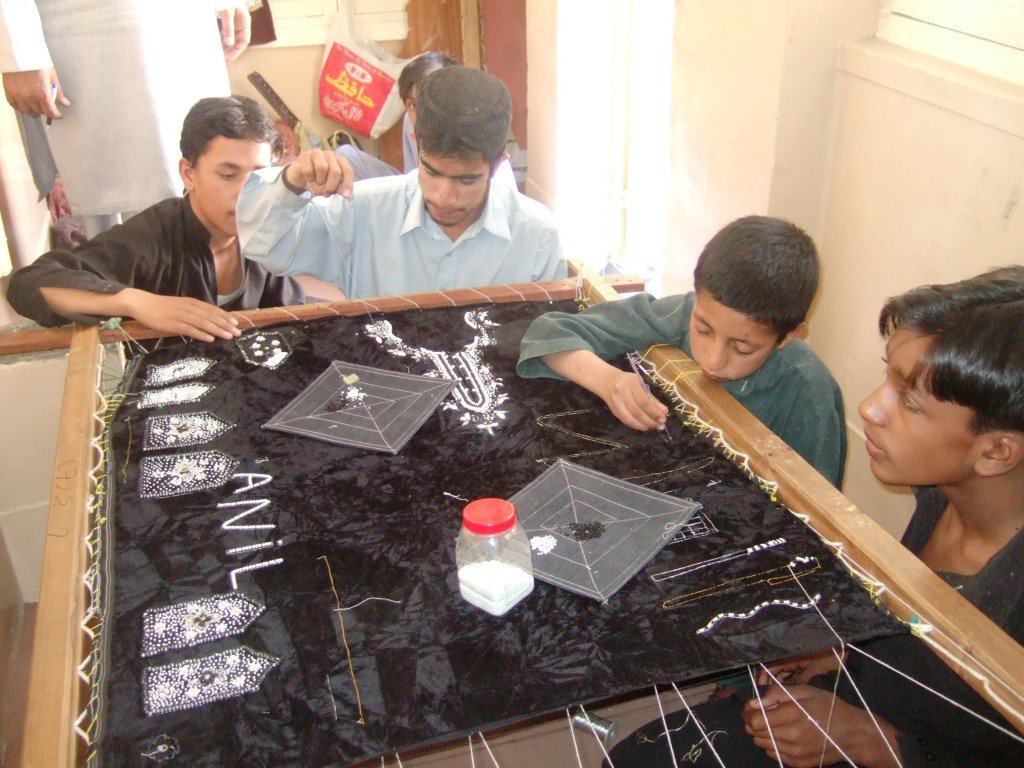
During the reporting period SEHER has imparted life skill training to the street children affected by sexual exploitation, Life skills based education enable them to enhance their skills and knowledge about the issues affecting their lives. Following topics were covered during sessions once in a week with 56 children.
Decision making and problem solving:
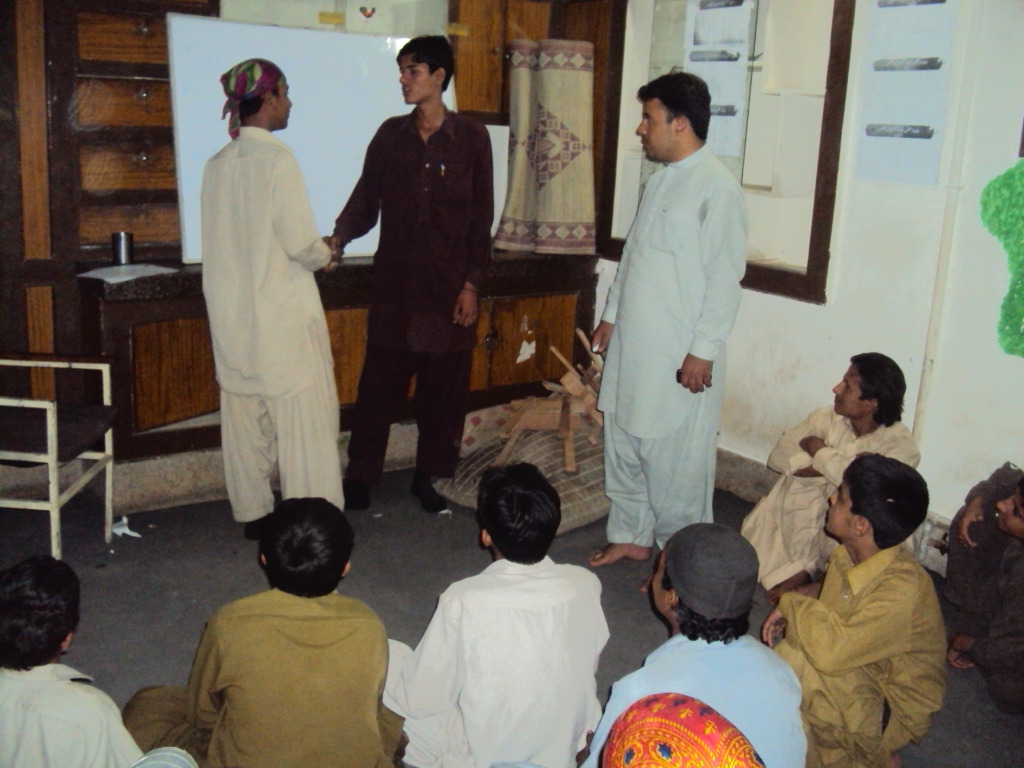
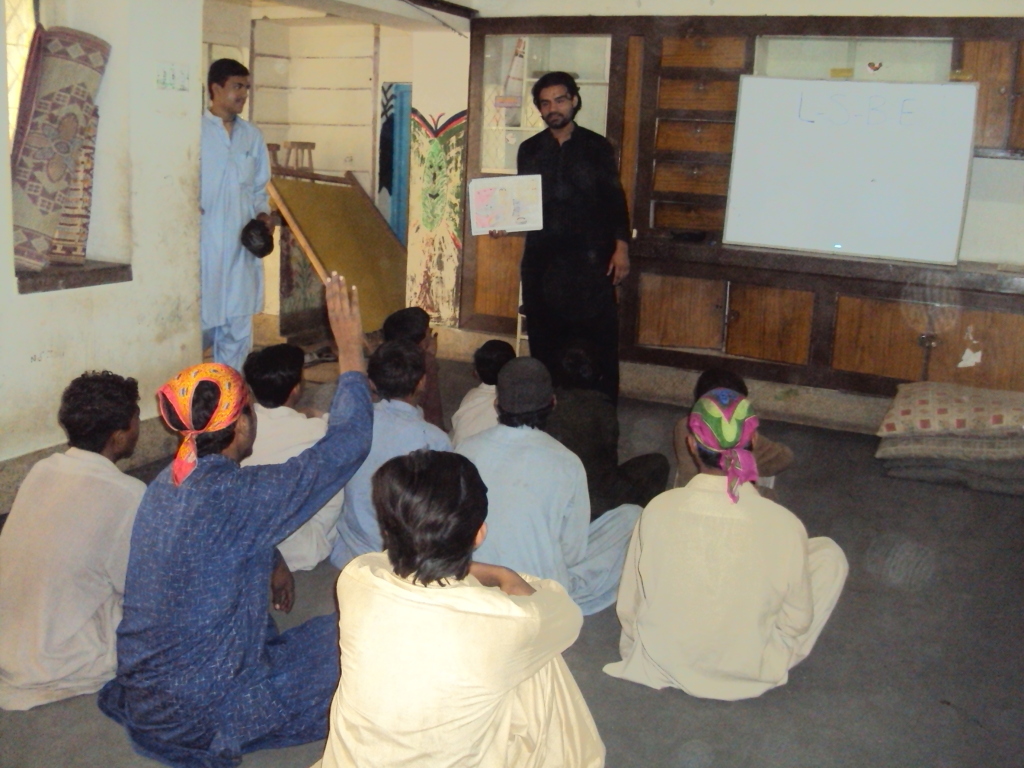
Through a role play concept of problem solving and decision making was explain and both the skills were discussed briefly. Children were provided with the information to decide well and their problem solving abilities were enhanced. Pictures of situations were shown and children were asked that how they will solve this problem.
Self-awareness:
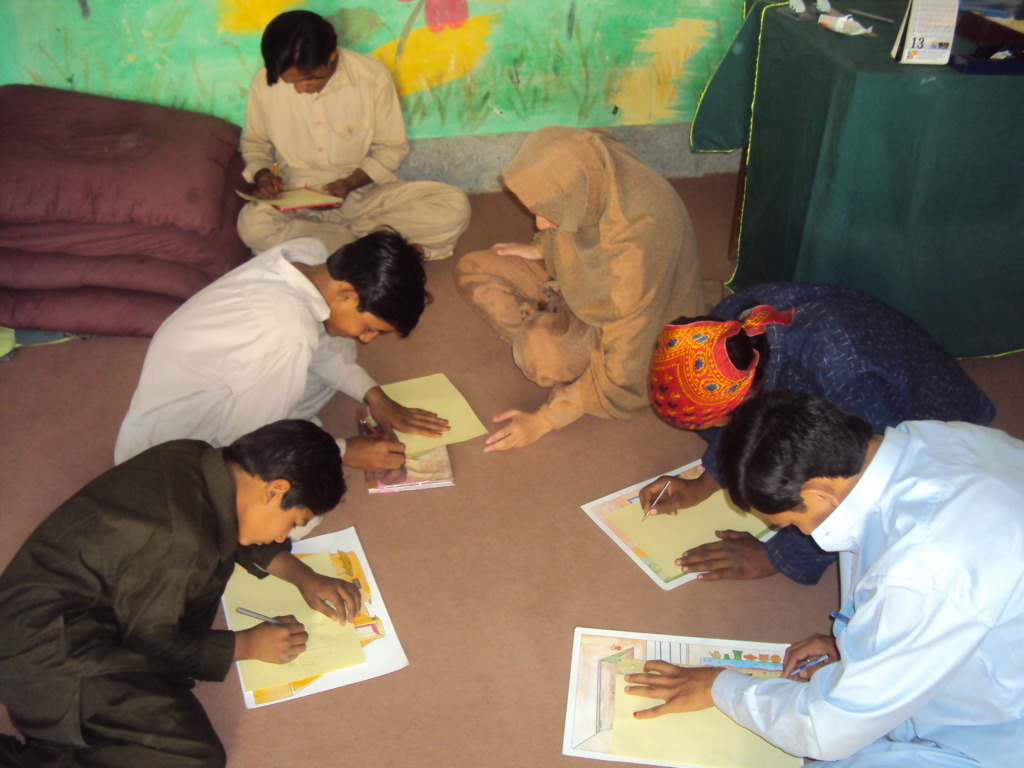
An activity was done with children, where they were given with a chart and piles of magazine so they can choose pictures from these which describe their personality, their likes dislikes, strengths, weakness, future goals etc. the activity name was “Who am I?
Each of the child present their charts and through this chart they were presenting themselves, after that importance of self- awareness was discussed, it was explain to them that understanding their weakness and strength can improve quality of life. Also discuss that this is very necessary that we came to know our strength and weaknesses. It was added that everybody has strength and weaknesses, but we could change our weaknesses into strength.
Creative and Critical thinking:
Briefly discuss these topics and share that what is critical thinking how we perceive other’s comments in +ve sense and bring a +ve change in our weaknesses. Then we also discuss the creative thinking’s that creative thinking’s are God gifted, we Draw Squares and said to participants that they generate more squares inside these squares. Another activity done that was on story making Facilitators give a start of a story and ask to all the participants that everybody said only one sentence to follow the story and then give it a positive end.
Health and hygiene:
Discuss the types of health and hygiene with participants also discusses how these relate to another. all participants said that whole types are very necessary e.g. if we take care of our personal hygiene but don’t keep our home clean then our personal hygiene is purposeless because we take infection from our environment so it is very necessary that we take care of whole types of hygiene like: - personal Hygiene, domestic, food, environmental, water and sanitation hygiene. Show the pictures on health and hygiene at the end of session.
HIV/Aids:
start the session with that what is HIV/Aids participants told that it is a cureless disease then we write down the Abbreviations of HIV/Aids stand for what also discuss the causes, and precautions of this disease its window period ,investigations and anti-Retroviral therapy. They were oriented about the ways of transmitting HIV.
Sexual Abuse:
Describe the types of abuses that how many kinds of abuses. Children were shown pictures of different kind of physical and sexual abuse, they were told that how they can protect themselves, they were given information that it is not their fault if some adult do bad things to them.
Project reports on GlobalGiving are posted directly to globalgiving.org by Project Leaders as they are completed, generally every 3-4 months. To protect the integrity of these documents, GlobalGiving does not alter them; therefore you may find some language or formatting issues.
If you donate to this project or have donated to this project, you can receive an email when this project posts a report. You can also subscribe for reports without donating.