By Stacy Harris | Program Manager
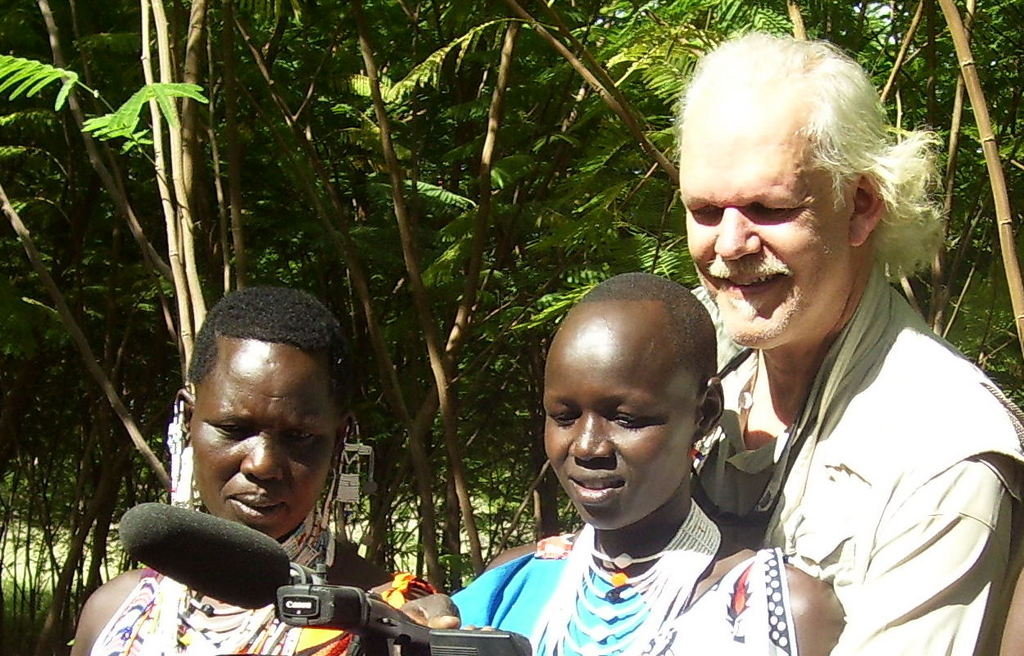
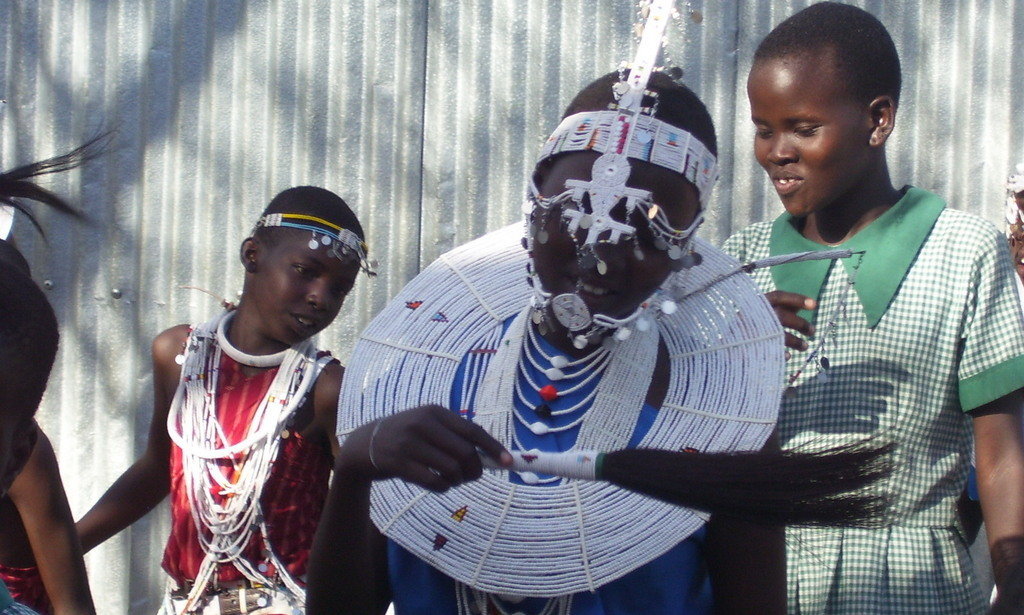
Thanks to Sopranos actor and filmmaker, Turk Pipken, our video about the Masai women and our vision will be viewed at the Miami Short Film Festival from November 13 – 22. Come and support our program if you are in the area. Over 500 films were screened our film, produced by Turk Pipken, “A Convenient Truth” was one of the 70 films selected.
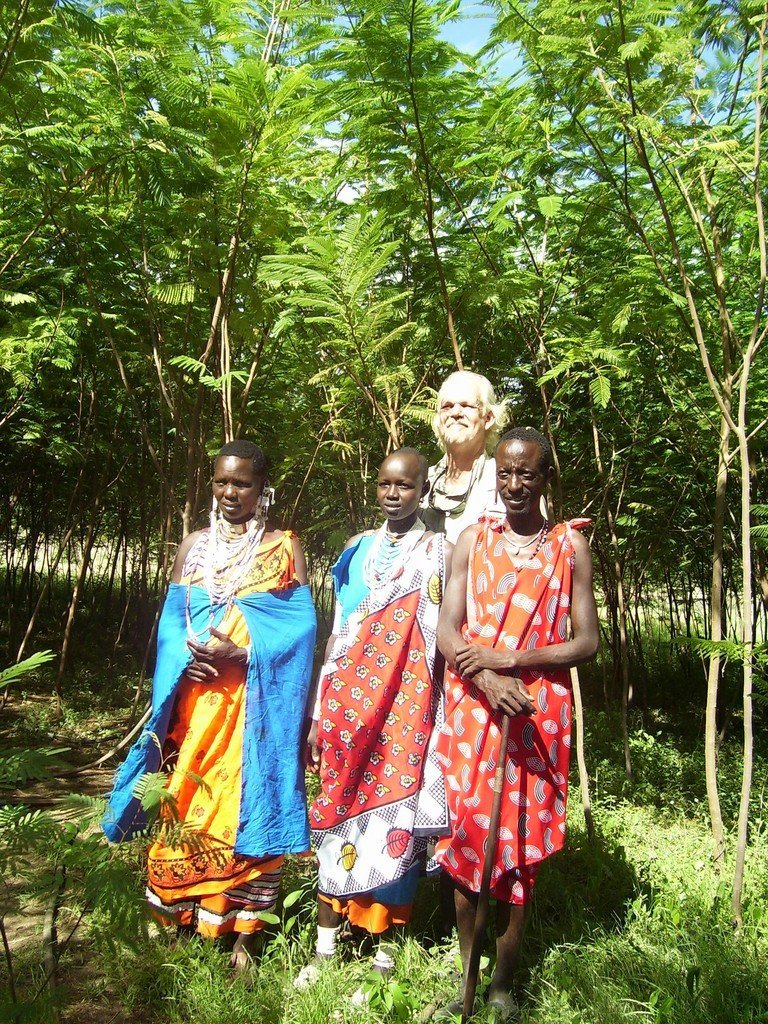
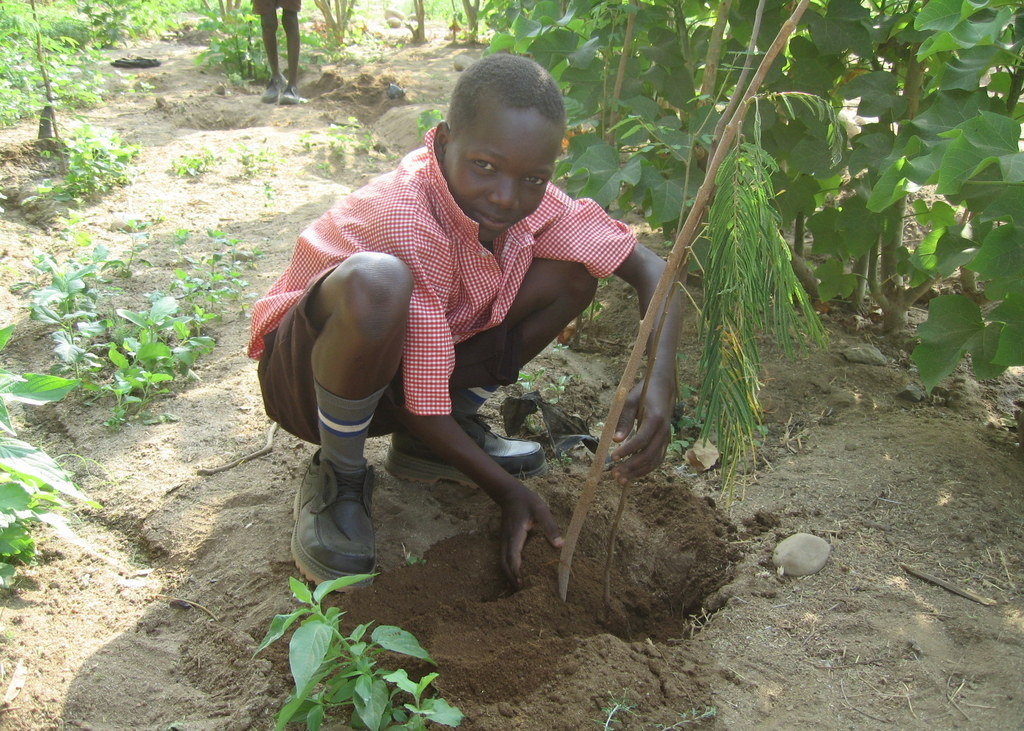
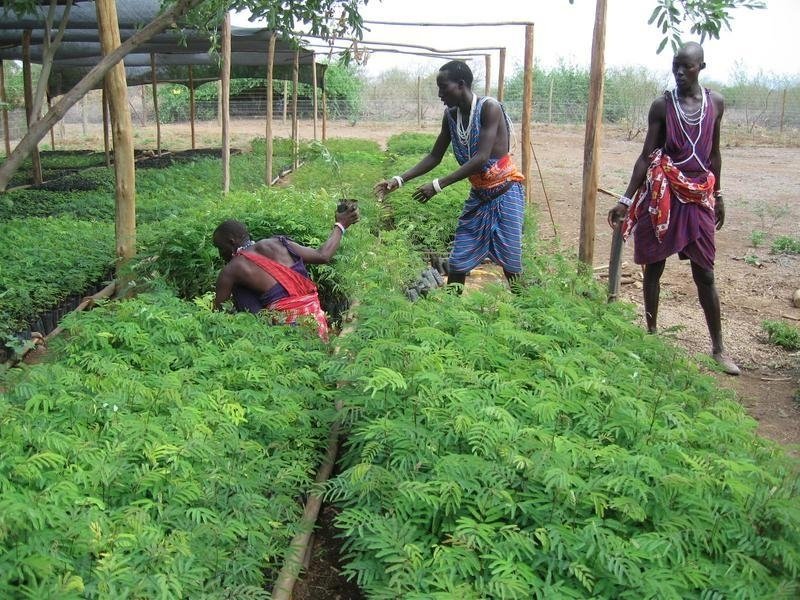
We have committed 25,000 trees to the UNEP Billion Tree Campaign and we will be planting out an additional 5,000 trees in November. With help from the Masai community, including elders, women and children, 5,000 trees will be planted out alongside the river.
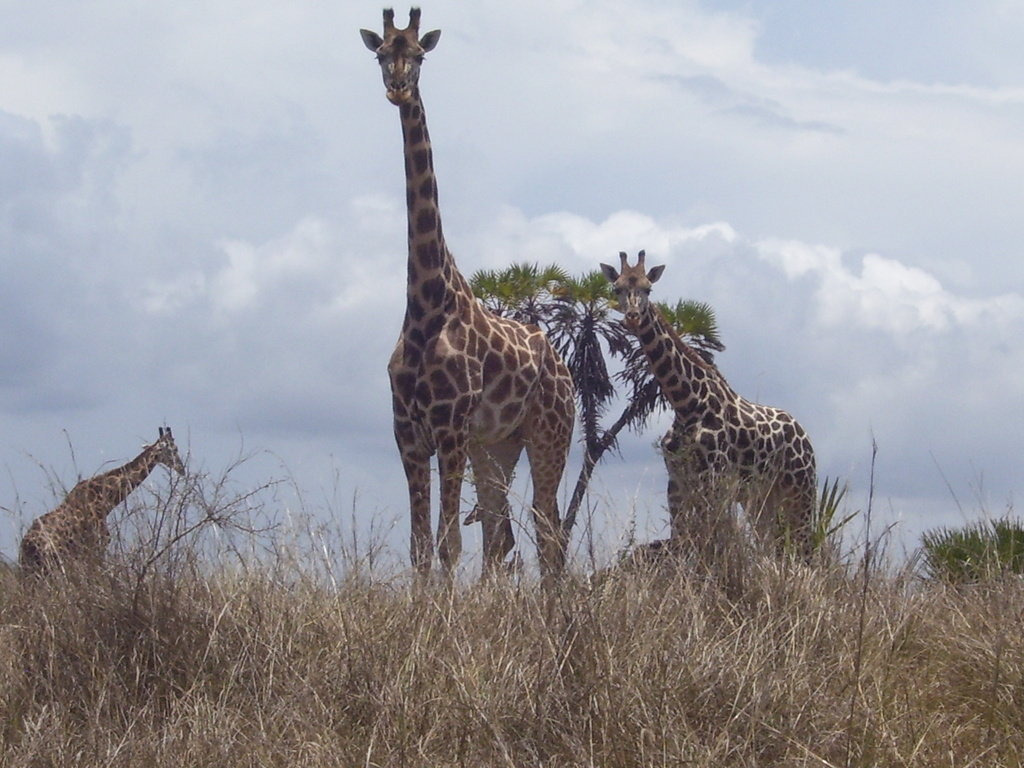
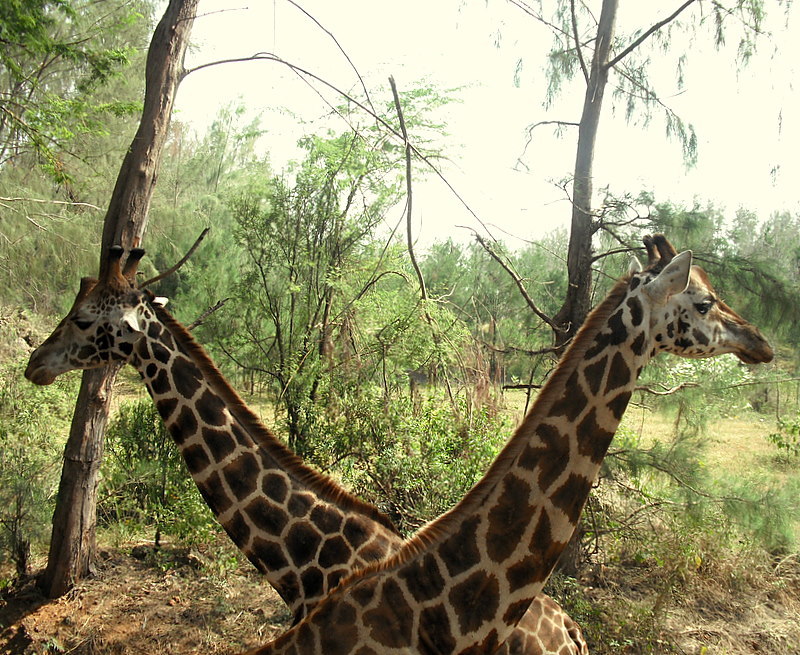
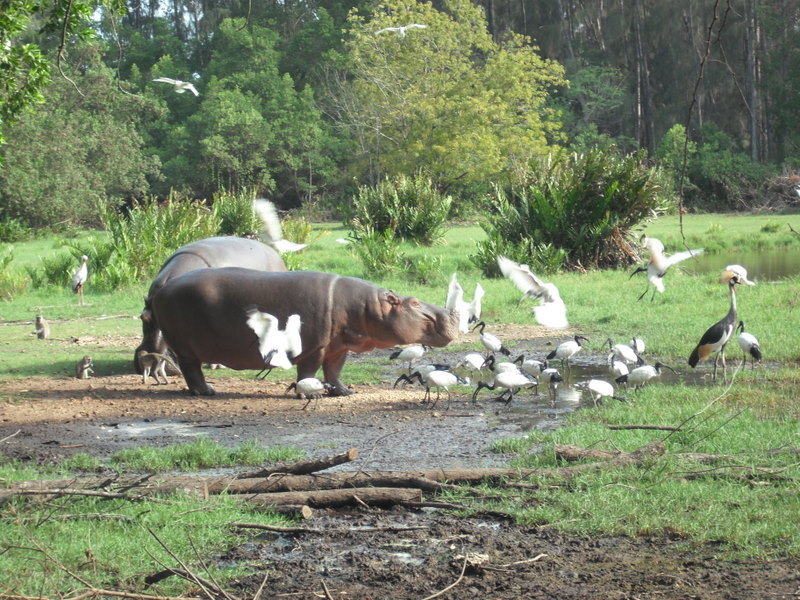
Due to the extended drought we will be planting the trees along the river to ensure that they grow properly. The lack of rain is causing problems for the trees, wildlife, but most importantly, the local inhabitants. Animals, mostly giraffe and baboons, are persistently eating the trees, and likewise, dead animals, mostly zebras, can be found all around the camp.
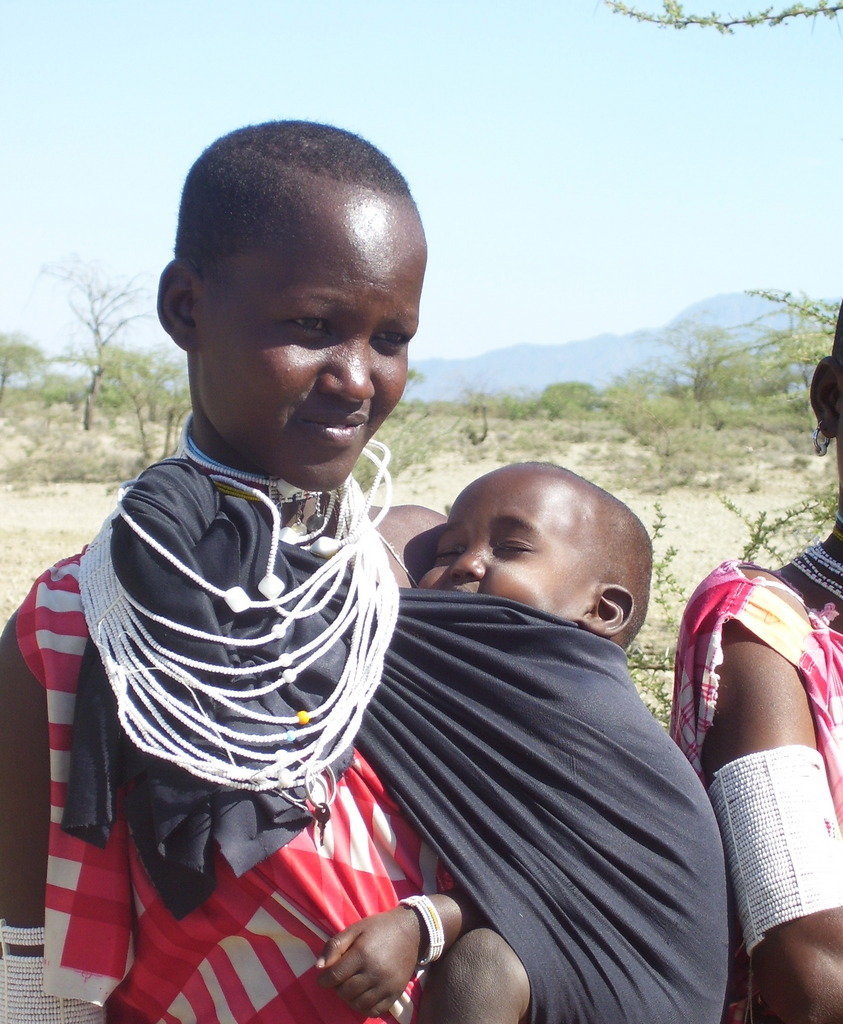
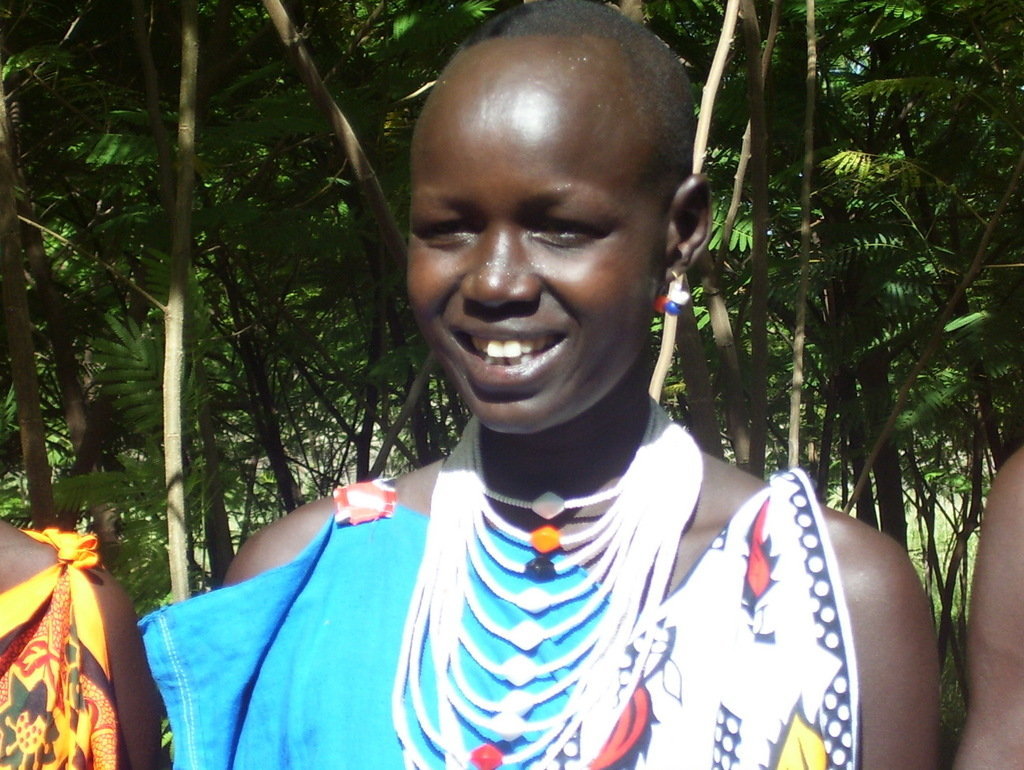
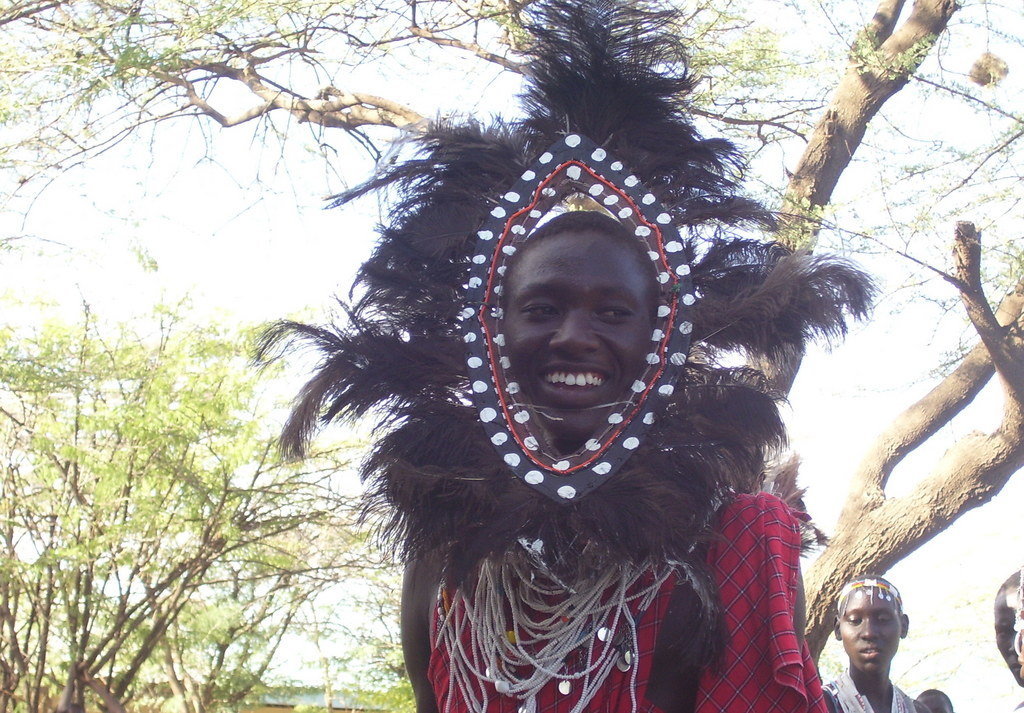
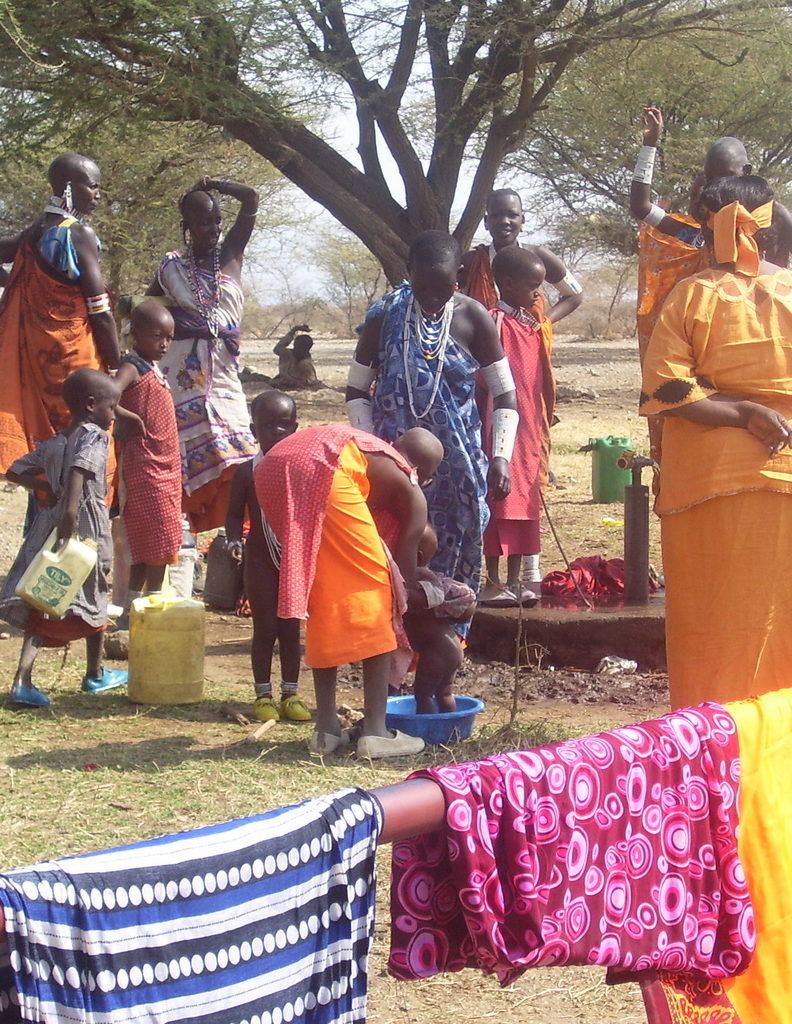
Yet through all the obstacles, it is the Masai women who have proven themselves most resilient. The come to work, take care of the families, fetch water and even work in the schools. The money they earn goes to feed their families and pay school fees for their children, and in addition, they cater to the needy in the community. We hope to have a fully functioning Women’s Program with 40 Masai women controlling the program by the end of the year. They will be trained in food crop management, water management and agro forestry. Most Masai traditionally do not eat fruits and vegetables, they rely mainly on meat and milk, but they are excited to start growing food crops. I am looking forward to the day when I can share a salad with my Masai coworkers.
There are even conflicts between humans. Many Masai travel days to find water and when they come across our nursery and plant out area there is often a disagreement. Everyone wants to graze their goats on our land, but overgrazing is part of the deforestation problem. To solve this problem, we have set up a rotation for the goats to eat the fodder crops to ensure it is not overgrazed. However, we have not been able to completely solve the water problem. People are breaking the water pipes at night and stealing the water.
To solve this problem we have started our Women’s Program. We will set up 2 community water tanks on our fenced in nursery. Water, through our solar pump, will be pumped to the tanks and then in turn, the water will be pumped to a community watering site. 1 tank will be used for drinking, bathing and livestock while the other tank will be used by the women to grow food crops (beans, greens, tomatoes, melons).
2 hectares will be set aside for food crops, fruit trees and fodder crops for the livestock. Since the area is adjacent to the nursery it will have full security. Most importantly this will provide water and food security for these vulnerable Masai. The women will have a short walk compared to the 3 km walk they make each way every day. Also, the women will be trained in agro forestry and water management to ensure all 500 families living in the area benefit.
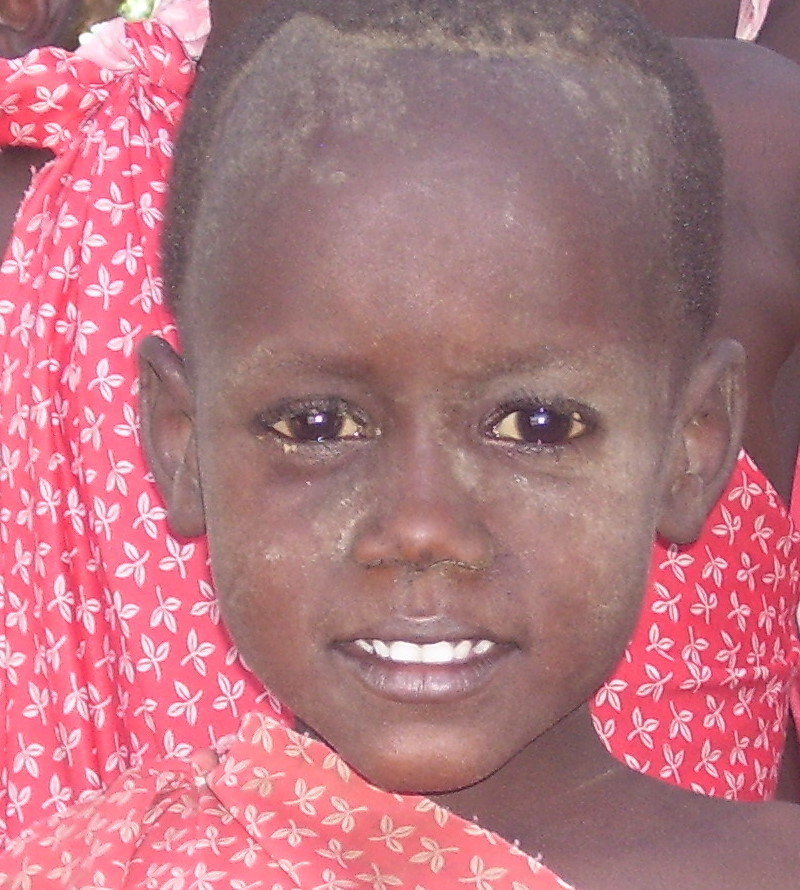
The extreme drought is causing problems all across Kenya. As the water supplies are steadily dwindling, people are coming into conflict with one another. Animals continue to die and despite being illegal, loggers continue to fell trees all across Kenya. Yet through it all, our Masai workers have proven resilient. When the solar pump is down, they fetch water with buckets from the river to preserve the trees, however this is very dangerous as many Masai children have died falling down the steep river banks.
The Olika Boarding School has received more trees and is planting our on their compound. The children are excited to see the trees grow tall. One Masai girl stated “I love seeing the trees grow bigger and bigger. The taller they get, it makes me feel like there is a bright future for us.”
Thank you for your continued support and the Masai women thank you because without you they would not have the opportunity to empower themselves. Your contribution is literally saving lives and changing the outlook for the future for many women and children. Together we can change the world, ONE TREE AT A TIME!
Links:
Project reports on GlobalGiving are posted directly to globalgiving.org by Project Leaders as they are completed, generally every 3-4 months. To protect the integrity of these documents, GlobalGiving does not alter them; therefore you may find some language or formatting issues.
If you donate to this project or have donated to this project, you can receive an email when this project posts a report. You can also subscribe for reports without donating.