By Dr Ritesh Singha | Health Officer
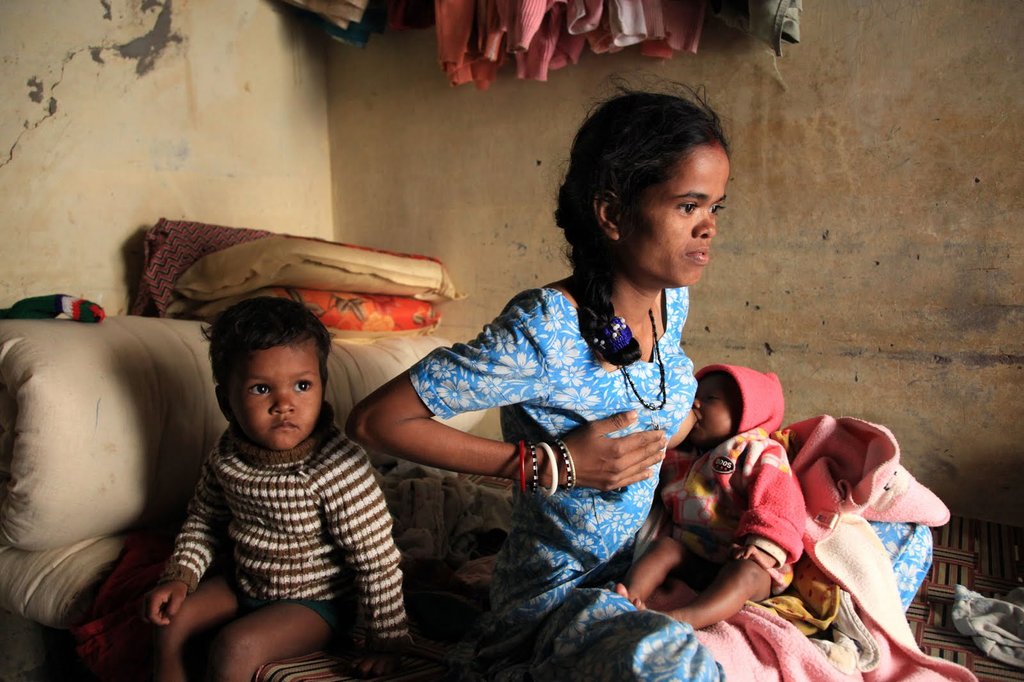
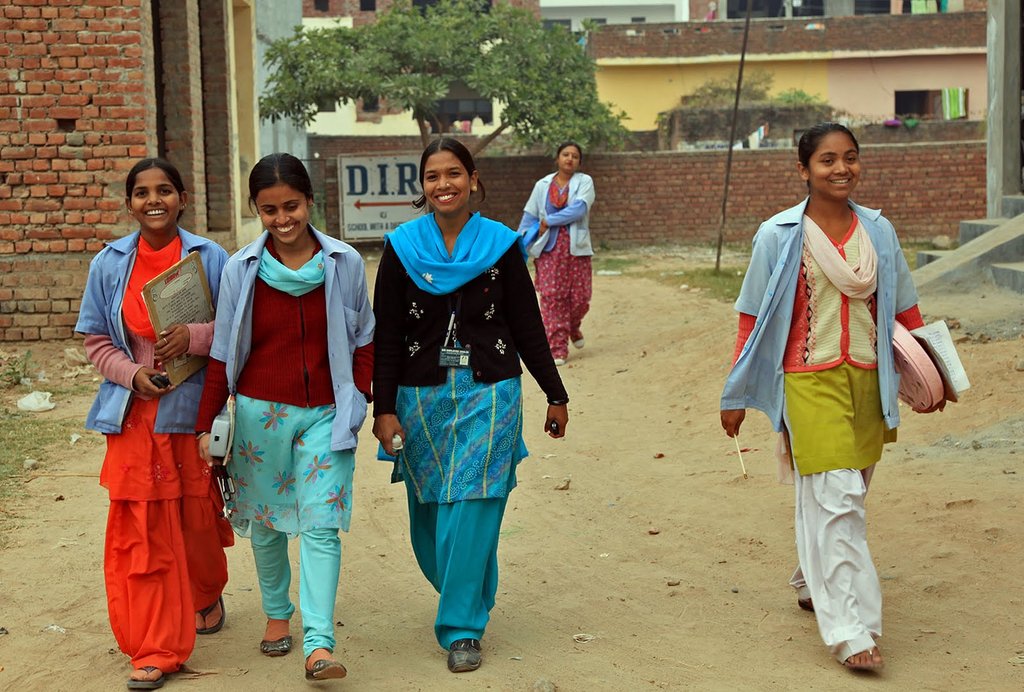
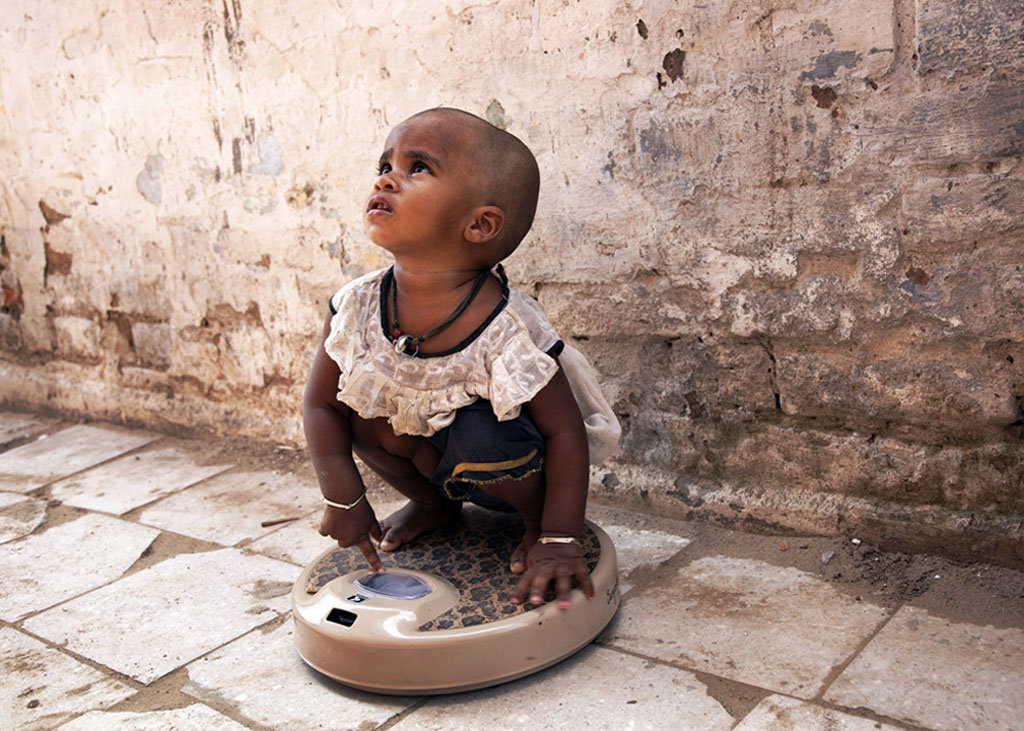
While we feel our efforts to improve the nutritional status of young children has reduced malnutrition from 87% to less than one-quarter of that initial rate, in every Health Promoter’s (HP) area, there are a few families that need special attention. These are the homes in which at least one child under the age of 60 months, has been identified as severely malnourished but is not making satisfactory progress. To provide assistance to the HP's with the most difficult cases, Dr Shaw designed “The Nutritional Improvement Priority Project or NIPP”. Under this project, each HP was asked to identify the three most worrisome cases in his/her area, and then make a concerted effort to get the parents of the selected children to improve their health behavior in general, and their dietary habits in particular.
The worst 3 cases will be designated as P1 (First Priority) and all the other severely underweight children in “Red’ (severely malnourished) category will be designated as P2 (Second Priority). The criteria for identification of P1 children are:
1. Being in the Red-Category for more than two months while showing no sign of improvement;
OR
2. Sudden and severe weight reduction
The first step is now completed. All 14 HP's have selected 3 P1 children, and we now have identified 42 top priority cases who are in need of intensive interventions.
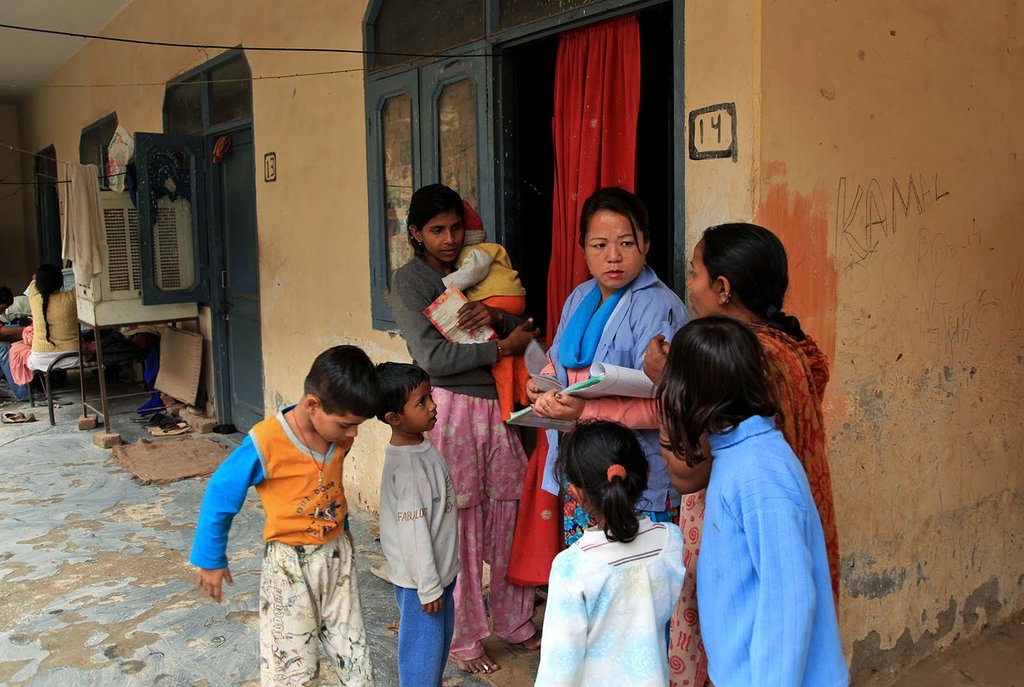
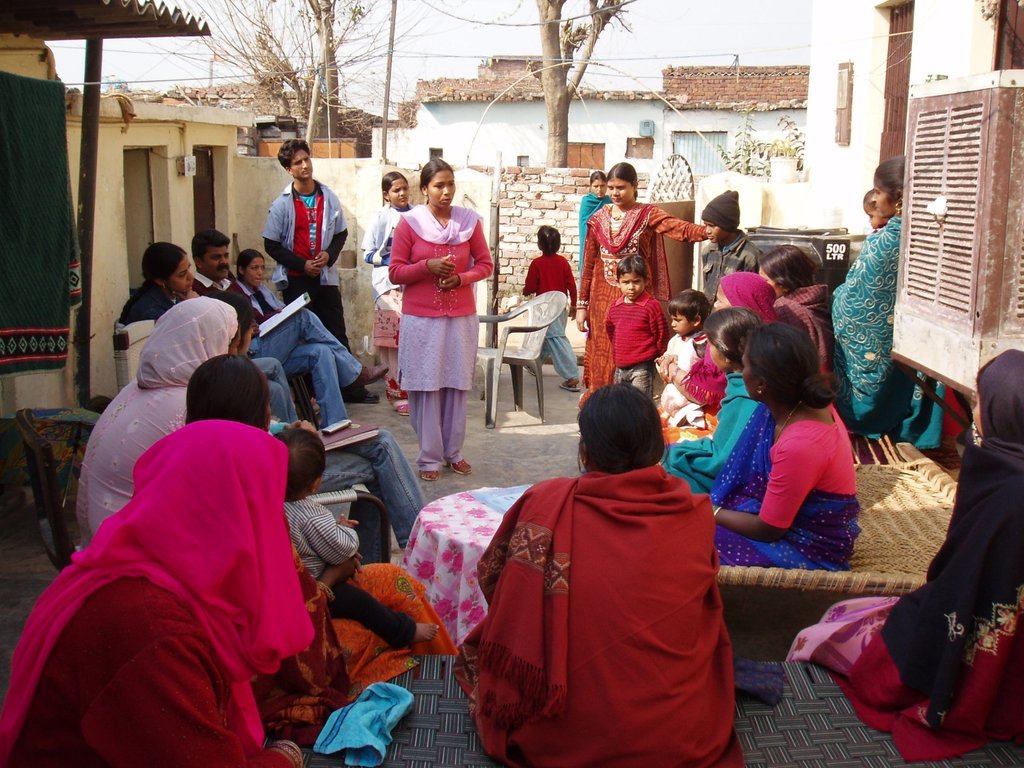
The next step will be to ensure all P1 and P2 children are de-wormed, and that a member of the Senior Staff visits the parents of all P1 children to counsel and advise them about the importance of good nutrition and hygienic habits.
Students from the local Home Science College of Chandigarh, under the guidance of Professor Monica Mallik are also participating in this project. This is a very welcome development, and their expert advice will be extremely valuable especially in making diet plans for P1 children.
DIR along with HSC is planning to start a supplemental feeding program which will involve serving a highly nutritious, balanced meal to all P1, 5 days a week in the premises of the DIR Centre.
Our overall plan is that as each of the first P1 children advances from “Red” category to the “Green” (normal) category, another child will take his/her place as a P1. By this means, each HP will have three P1 upon whom to concentrate until none of the project area’s children are seen to be severely malnourished.
We value your invlovement with our project and hope for your continued support!
With Gratitude,
Links:
Project reports on GlobalGiving are posted directly to globalgiving.org by Project Leaders as they are completed, generally every 3-4 months. To protect the integrity of these documents, GlobalGiving does not alter them; therefore you may find some language or formatting issues.
If you donate to this project or have donated to this project, you can receive an email when this project posts a report. You can also subscribe for reports without donating.