By J. M. McCord | Director, Communications
“Ten years ago, we decided Rare would lead the way in measuring results,” says Brett Jenks, Rare’s CEO. “What we didn’t know is that it takes about that long to get it right.”
Paul Butler’s first Pride campaign with Rare, 25 years ago, included pre and post surveys to assess changes in knowledge and attitude. “When Paul was doing that, that was not the norm,” says Peter Vaughn, a research consultant who helps nonprofits design plans to assess impact. “Rare’s long track record of trying to assess impact is impressive.” Over the years, Rare’s methods have evolved along with the organization’s strategy.
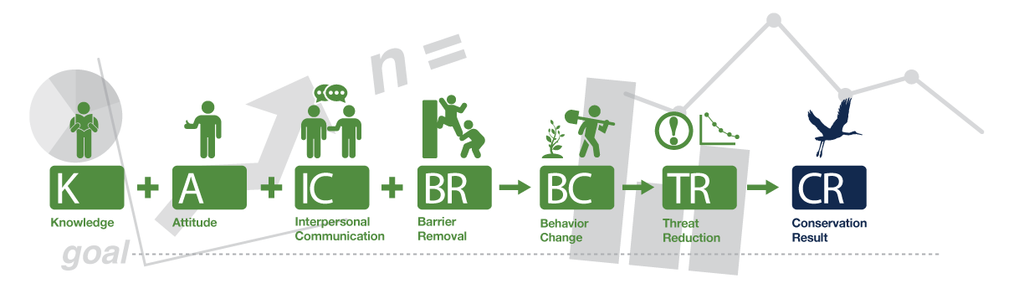
When Rare first ran Pride campaigns, they were individual projects that operated with a common hypothesis — a theory of change — but each reported information differently. That makes it difficult to compare data across sites and roll them up to take a broader look at organizational impact. When Amielle DeWan, Rare’s director for conservation research and monitoring, joined Rare over two years ago, she found an impressive data set and a daunting task. “The data were everywhere and nowhere at the same time,” says DeWan. “The exciting challenge is to change the way we consistently measure information and use it to improve the way we do business.”
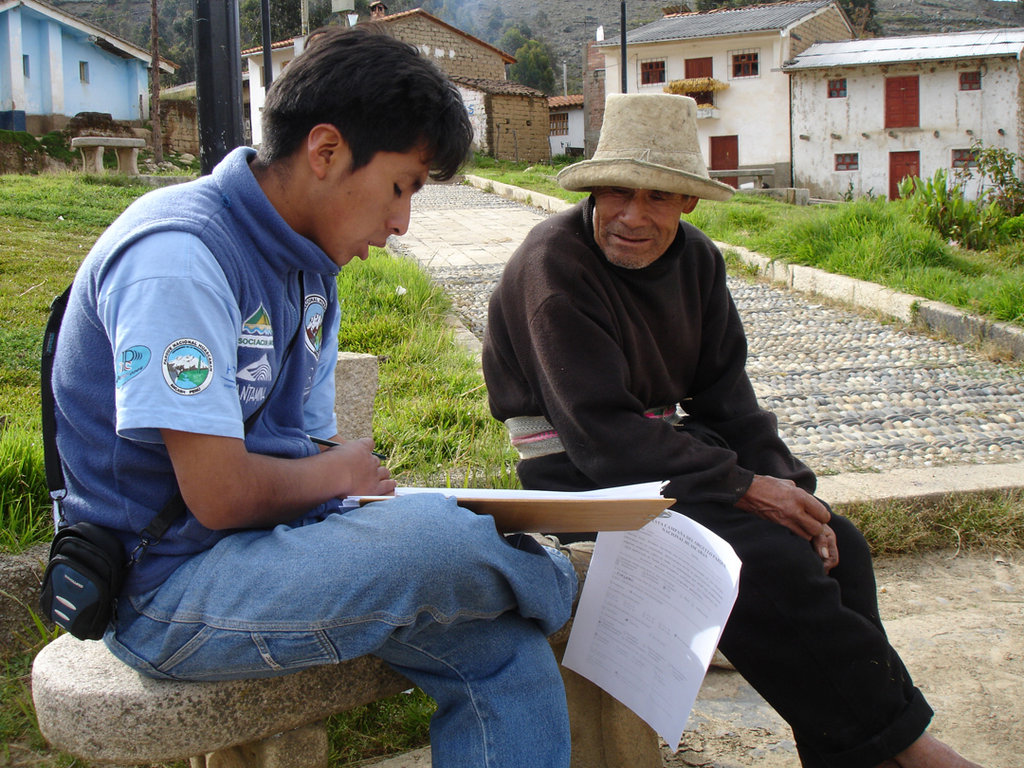
Rare Conservation Fellows design and implement surveys in their communities and collect most of the data. However, they are neither trained statisticians nor scientists with doctorates, so there is a certain amount of imperfection expected. DeWan and her team spend an increasing amount of their time training fellows in data collection and analysis best practices. For each building block on the theory of change, fellows set objectives and strategies to measure impact and bring about lasting change. This allows them to both measure results and reflect on the hypothesis to then make iterative changes throughout their project. This is known as adaptive management. “Adaptive management is really hard even for organizations like Rare that are on the cutting edge,” says Nick Salafsky, co-director of Foundations of Success, a nonprofit dedicated to improving conservation impact assessment. “Rare has been a leader in taking existing standards into its work.”
DeWan and her team have developed a template to standardize the information collected within each building block of the theory of change. This will facilitate a more scientific and rigorous analysis. Alan Hesse, program manager for Rare, helped pilot the new template with the Rare Conservation Fellows he mentors. “Formulas were changed, improved or eliminated,” says Hesse. “Things were made simpler. Other regional teams at Rare joined the review process. The resulting tool is a shining example of team work.”
The infrastructure Amielle and her team are building makes it possible to ask and answer some interesting and difficult questions. “Right now we have data to show we are making social change,” says DeWan. “Scientists are envious of the data set we have and the fact that we actually use it. Five years from now, I want to connect changes in behavior to conservation results. That would be truly revolutionary.”
Links:
Project reports on GlobalGiving are posted directly to globalgiving.org by Project Leaders as they are completed, generally every 3-4 months. To protect the integrity of these documents, GlobalGiving does not alter them; therefore you may find some language or formatting issues.
If you donate to this project or have donated to this project, you can receive an email when this project posts a report. You can also subscribe for reports without donating.