By Zoe Gnesda and Lisa Levasseur | Instructional Coach at Oakridge & PTHVP Director
Home Visit Teacher Published in Educational Leadership!
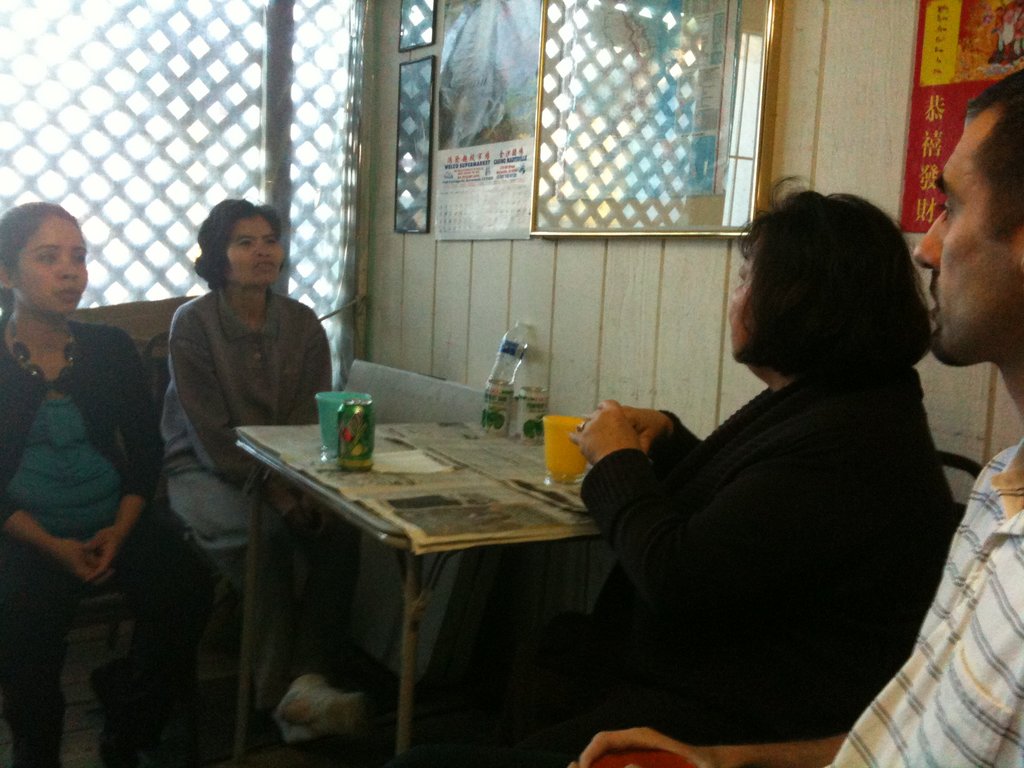
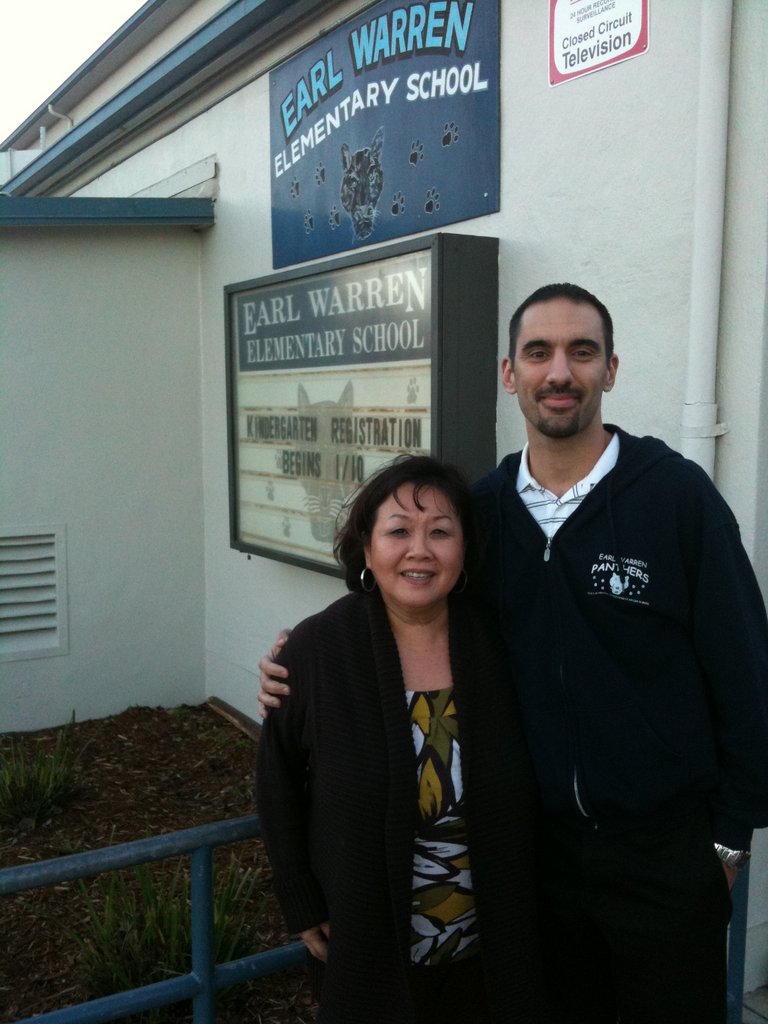
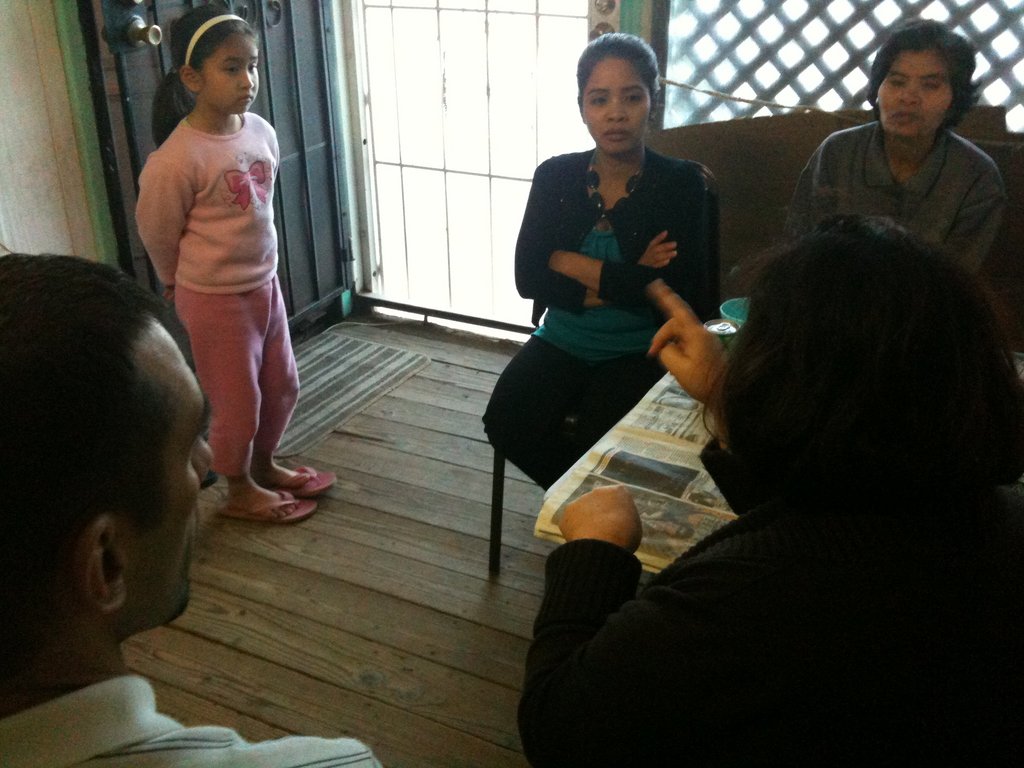
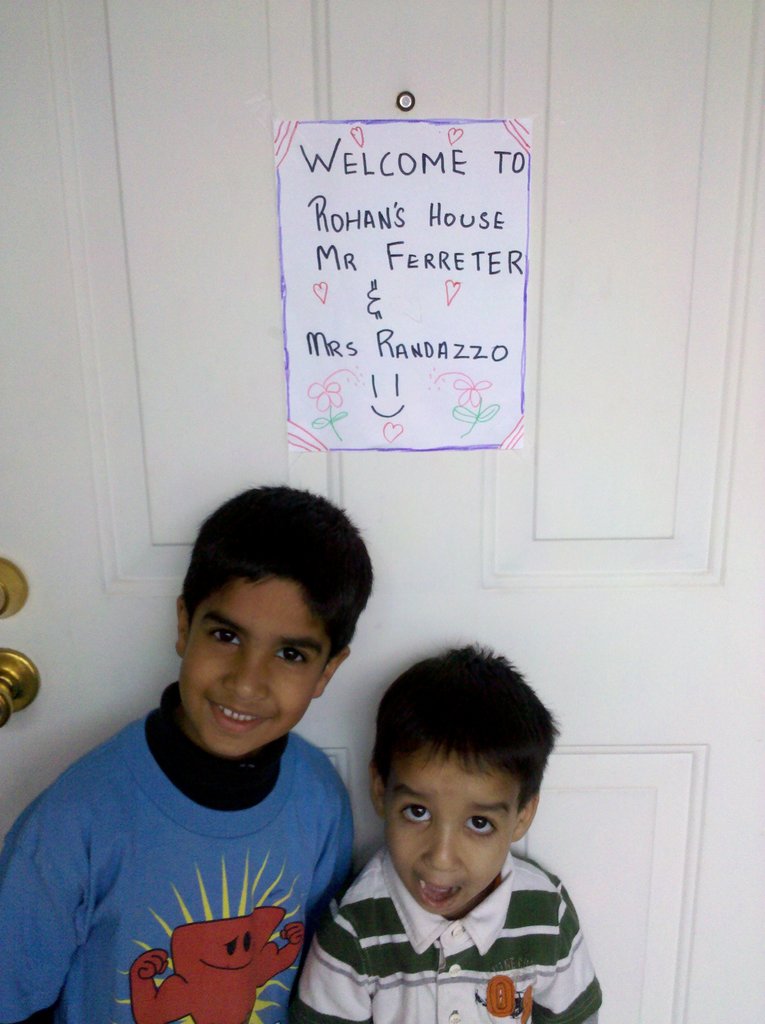
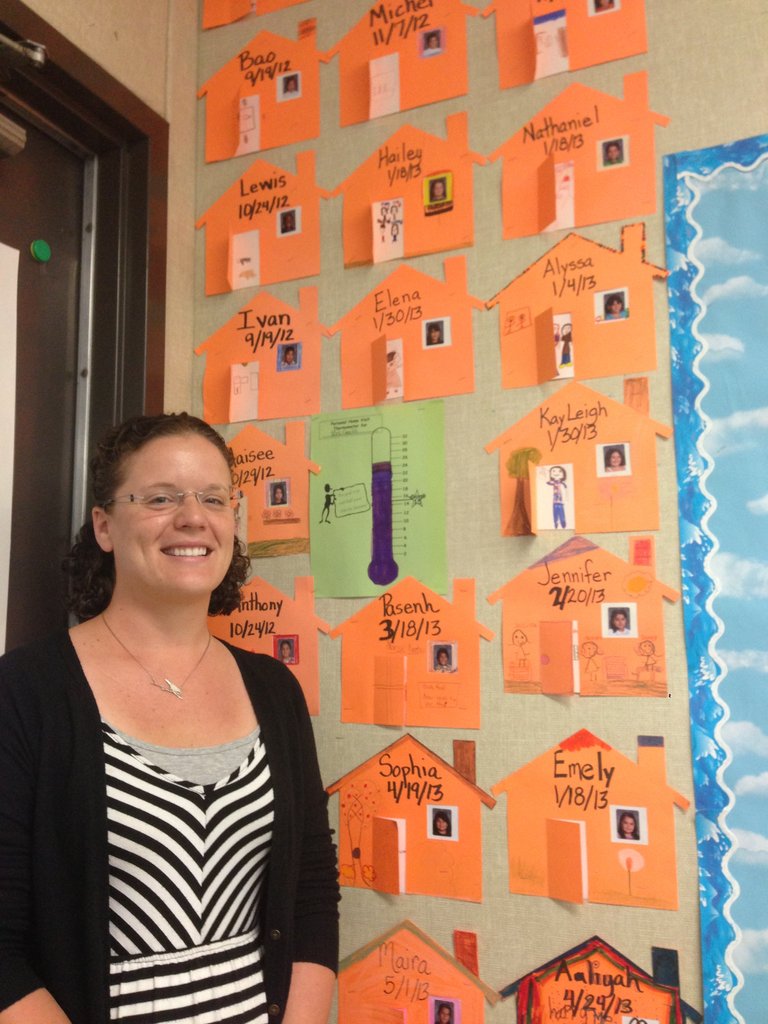
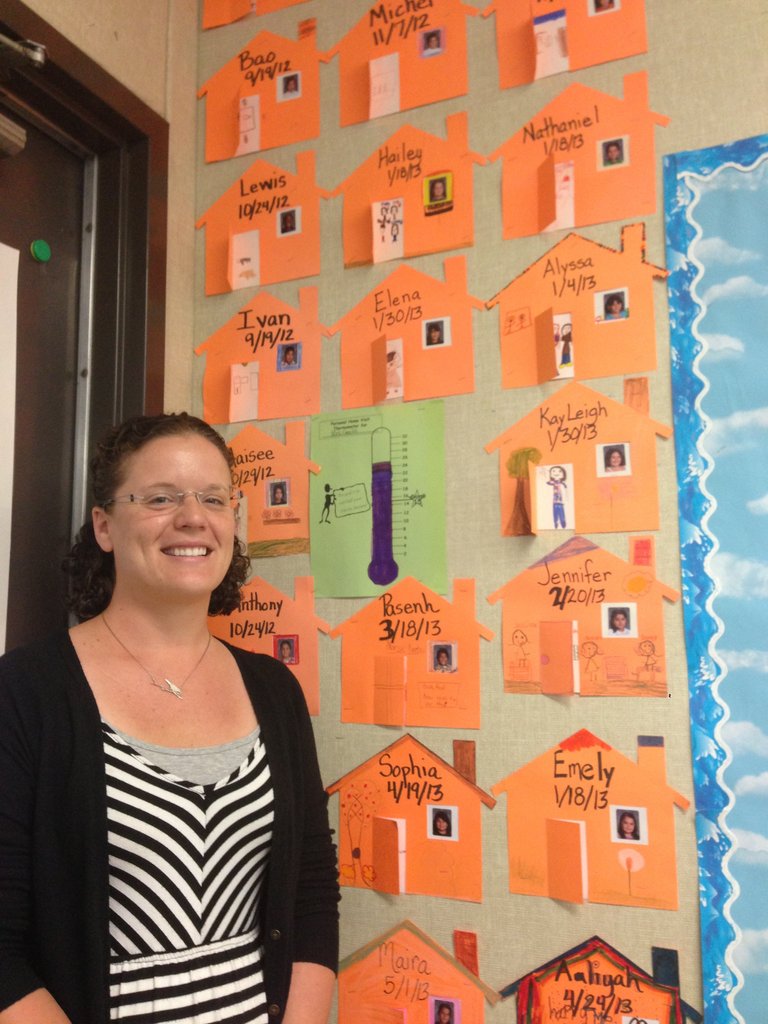
Stephanie Smith's passion for building relationships with her students goes far beyond her classroom walls. Since 2009, Smith has participated in Sacramento City School District's Home Visit Project. She writes eloquently about this commitment to visiting families at their homes in "Would You Walk Through My Door?" an article published in this month's Educational Leadership. The educational journal's May 2013 issue is titled "The Faces of Poverty.” Smith shares her belief that "home visits are especially essential in areas characterized by poverty and diversity. Most teachers come from a middle-class background and have never experienced the realities of low-income students' lives. It's my responsibility to experience and embrace that reality, even if just for 30 minutes in a student's living room." Smith continues, "The school is always asking parents to enter our world--to come to conferences or family nights or volunteer in classrooms. I want to return the favor and go into your world."
Smith's journey with Sacramento City Unified School District’s Home Visit Project began in 2009 at Harkness Elementary School. There, she saw the positive impacts that home visits had on her classroom community. When moving to Oak Ridge in 2010, Smith had no doubt that she would continue weekly visits with her students' families. To date, Smith has completed 80 home visits, 26 of which have occurred this year. This commitment to home visits has surprised Smith, since her own childhood experiences initially caused her to question the mission of the Home Visit Project. Stephanie's family would not have been eager to invite one of her teachers home. Smith recalls, "the abyss between the school’s bright lights and the government housing I grew up in was great and it would’ve been too embarrassing to allow any teacher to cross it." But Smith persists in arranging visits with the parents of her 3rd graders because she knows it’s essential for teachers to see the realities of home life for students living in poverty-- and how much relationship building and insight into students’ hidden strengths a family visit can yield. "As embarrassed as I was by my own childhood home, I can't help but wonder how things would have been different if a teacher had visited my house. That teacher might have seen my brother's hilarious sense of humor and my mom's sheer determination to make her children's lives better than her own-- and seen more clearly why I was so shy and lacking in confidence." Smith knows that the hidden strengths of her students may only be visible in their own living rooms.
Stephanie's article concludes with a call to action to the Educational Leadership readers: "The paradigm needs to shift in schools that serve poor students. Teachers need to spend less energy complaining about parents' lack of involvement--or even brainstorming how we can get parents to step through the school doors. Instead, teachers need to ask themselves when are they going to step though students' front doors. This shift can make all the difference--to students, families and school culture."
Smith gives fellow teachers tips for home visits in her Educational Leadership article, "Would You Walk Through My Door?":
1. Never go alone. Invite the teacher of your student's siblings, or other staff members (including translators) to accompany you.
2. Ask your principal for training (Parent Teacher Home Visit Project www.pthvp.org)
3. Bring a gift. Something as small as a baggie of school supplies shows your appreciation and breaks the ice.
4. Take copious notes after each visit. Write down information that you learned from the families and keep these notes going after every communication you have with the family. Review these notes before conferences.
5. Don't worry about timing. It's ideal to get as many home visits done in the fall. This is a time to send out a general request to visit. Then, make phone calls to arrange visits early on with those parents with whom you anticipate needing a strong relationship.
6. Don't worry about the location. Just get yourself off campus and go to a place where the parents feel comfortable: a park, a restaurant, or their front yard.
Thanks for making this type of work possible for all interested teachers and families! We couldn't do this transformational work without your support!
Sincerely,
Carrie Rose, Executive Director and Lisa Levasseur, Project Director
Links:
Project reports on GlobalGiving are posted directly to globalgiving.org by Project Leaders as they are completed, generally every 3-4 months. To protect the integrity of these documents, GlobalGiving does not alter them; therefore you may find some language or formatting issues.
If you donate to this project or have donated to this project, you can receive an email when this project posts a report. You can also subscribe for reports without donating.