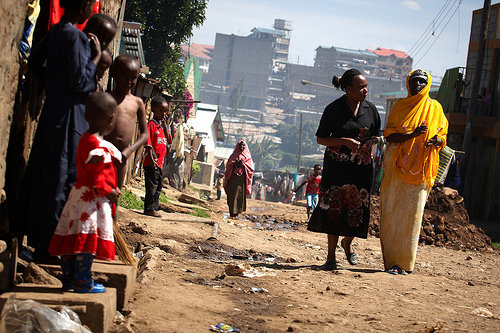
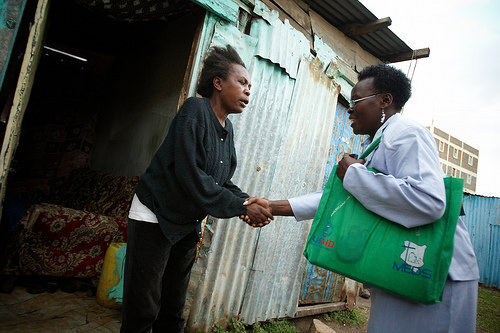
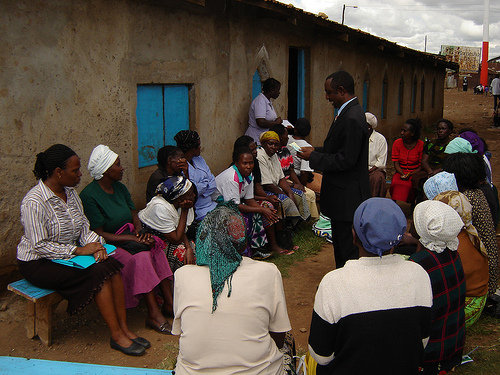
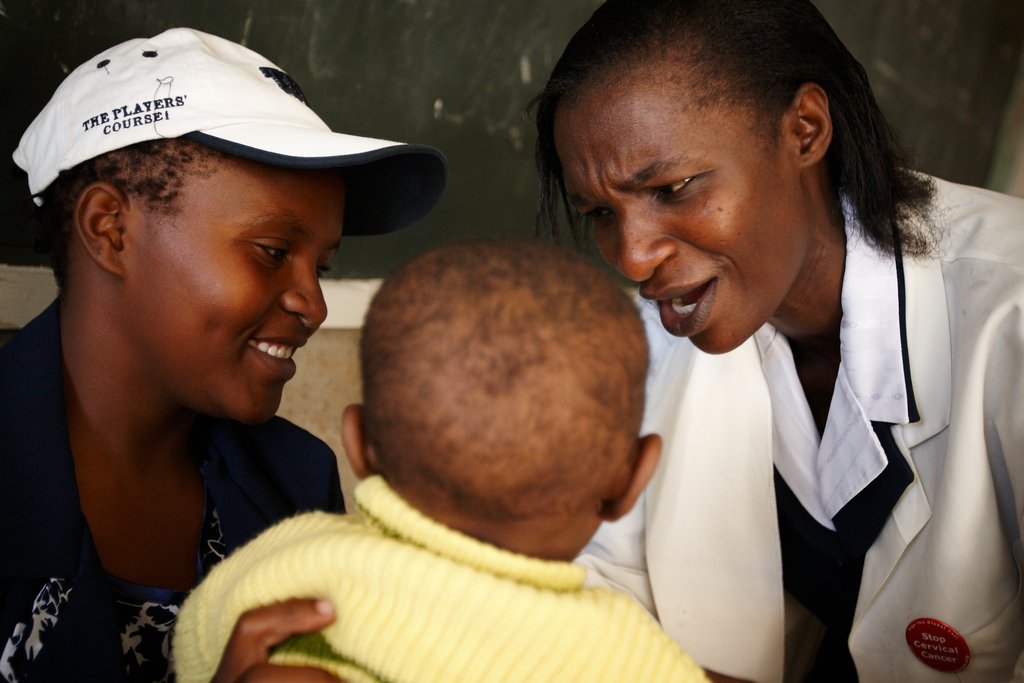
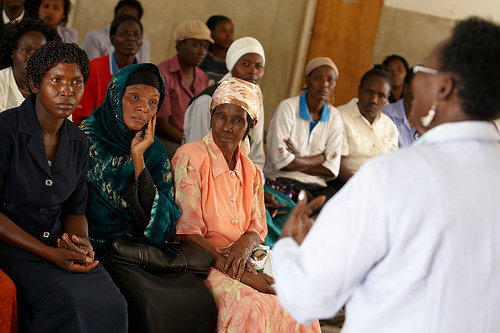
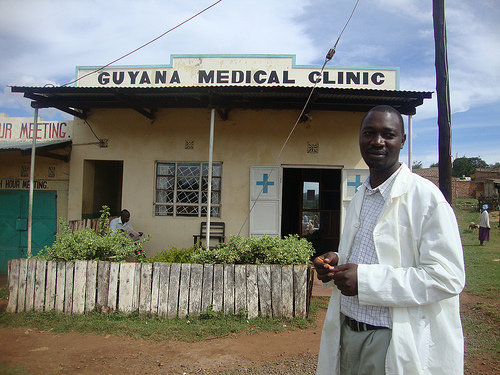
The Kenya Urban Reproductive Health Initiative works to improve the quality of and access to family planning services for women in five urban centers with the goal of saving lives. The project seeks to integrate family planning into existing health services, working with Kenyan health officials and community groups. Women who space their children within a healthy period of time are better able to care for themselves, their children and their families.
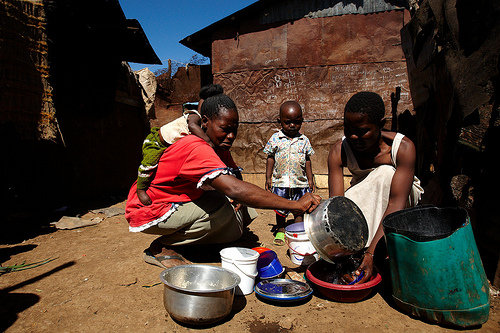
Historically, little attention has been paid to the urban poor. Recent demographic data from Kenya shows that only 39 percent of women use contraceptives, with lowest use among sexually active 15-19 year olds and 20-24 year olds. Women of reproductive age living in poor urban communities in Kenya bear an especially heavy disease burden, with a maternal mortality ratio of 631 deaths per 100,000 live births. Almost half of all children born to these women were either unwanted or mistimed.
The goal is to increase and sustain contraceptive use by improving quality and accessibility of family planning services. A key element is ensuring that a woman can access family planning services every time she interacts with the health care system. Jhpiego's work in two Nairobi slums demonstrated that acceptance of long-acting and permanent methods of family planning increased by 26%. This change was facilitated by improved facilities and stronger ties between facilities and communities.
According to the Millennium Development Goals, "meeting unmet needs for contraception alone would reduce up to a third of maternal deaths globally." Sub-Saharan Africa is the fastest-urbanizing region in the world, with much of that growth occurring in poor urban communities. Targeting the urban poor for increased, sustained utilization of family planning methods would reach large numbers of people, and could have a dramatic effect on saving women's lives, both in Africa and globally.