By Ellie Windle | Corporate Partnerships Manager
Thank you very much for your support of Sparks. Your kind donation helps to fund pioneering children’s medical research - from the most common illnesses to the rarest diseases.
In the UK, 75% of rare diseases affect children and 30% of people with a rare disease will die before their fifth birthday.
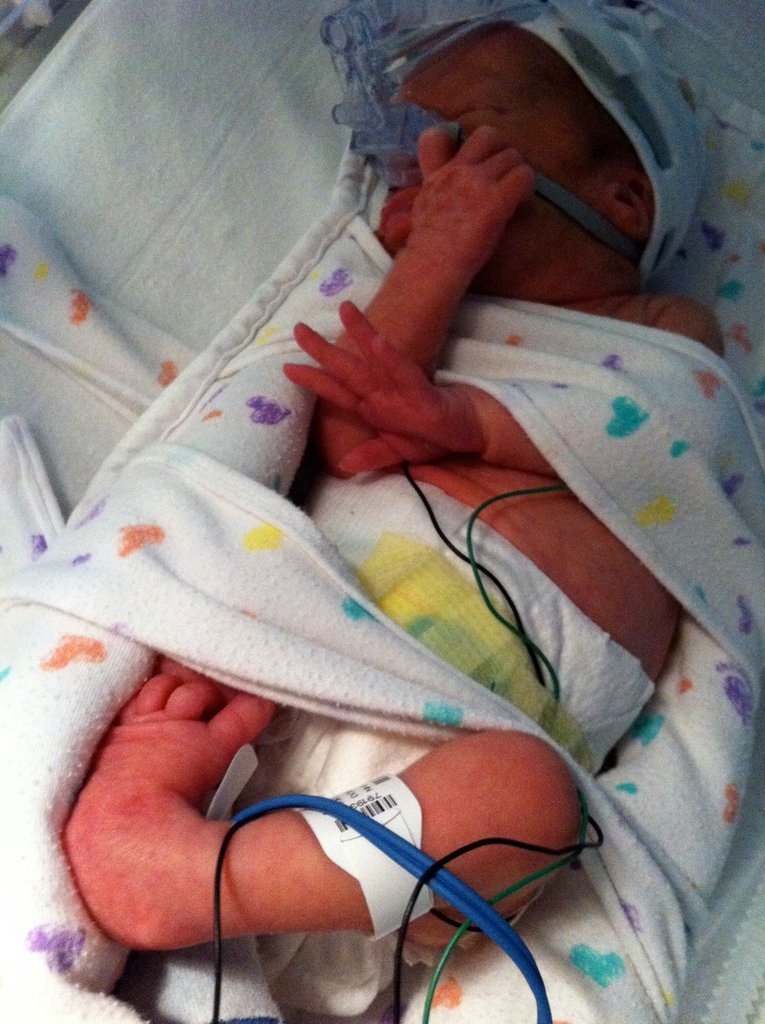
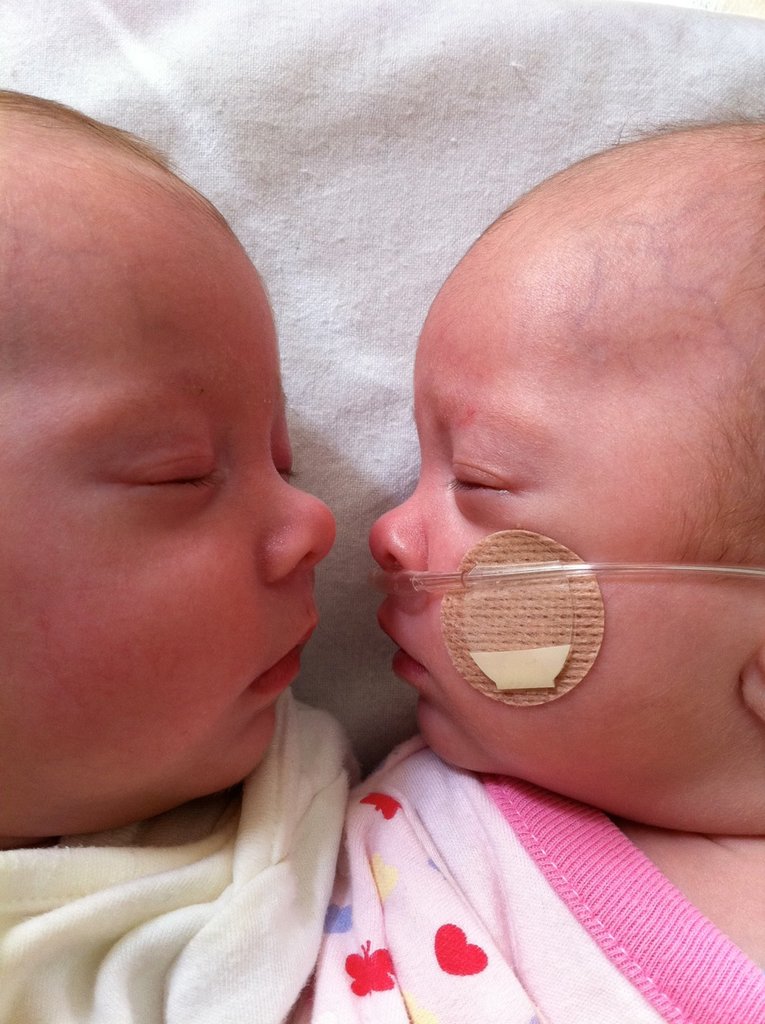
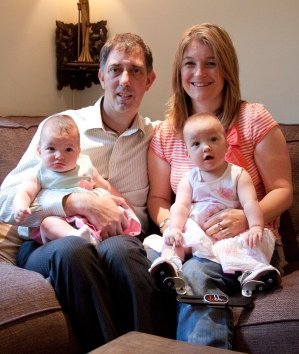
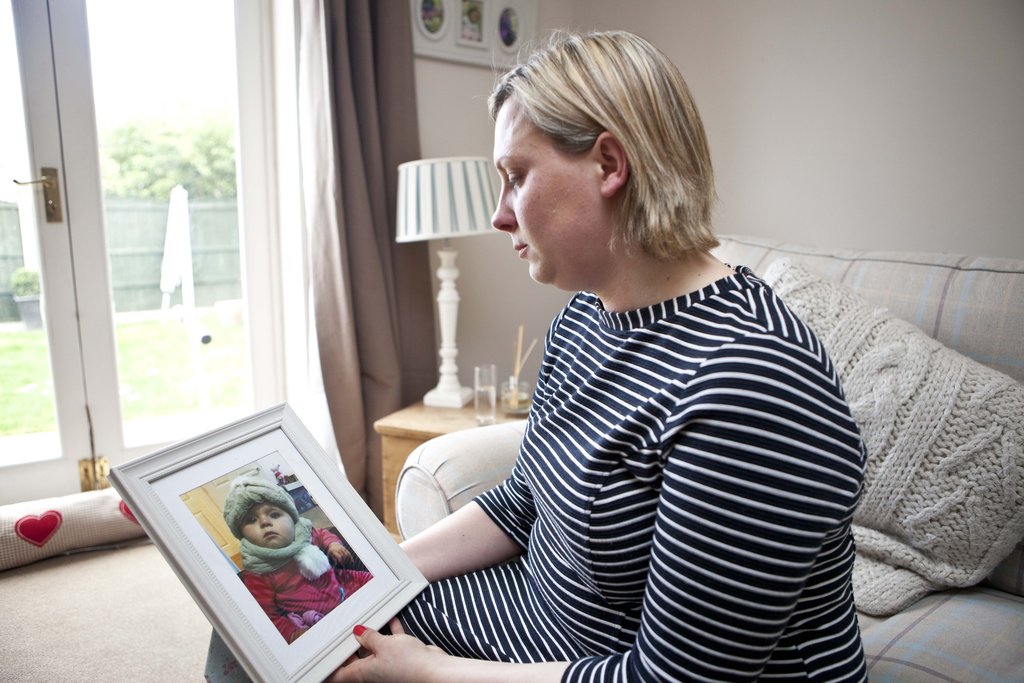
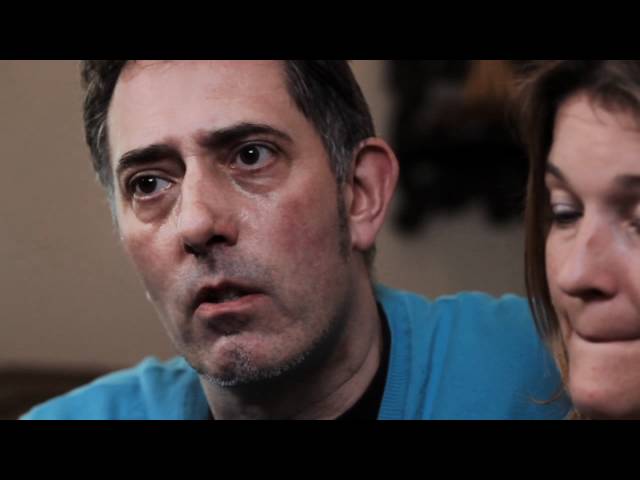
Sadly this was the case for Hannah who devastatingly lost her daughter Phoebe to Krabbe disease, a disabling condition of the nervous system which has no cure.
Diagnosis
“It was a normal birth and pregnancy, the same as her sister. However as time went on, Phoebe wasn’t rolling or crawling or making any attempts to pull herself up. Eventually she was referred to a lovely lady, Jill Gordon, at a child development centre. Jill said that she needed to carry out further tests on Phoebe which included an MRI scan of her brain” says Hannah.
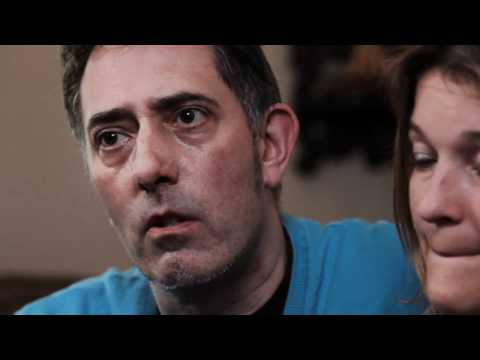
She continues, “Jill came to the house and said it was Krabbe disease. We were told that there was nothing we could do and that we should start cherishing memories.”
Living with the condition
As time went on, Phoebe started having seizures and had issues breathing. She started to lose her sight and she only knew I was in the room because she could hear me.
“She gave me so many happy memories and the little things she did do meant such a lot. One time she did say in her own little way that she loved me”
“When you are told that your child is going to die but you don’t know when it is hard to put them to bed because you think, “Is this the last time I will see her?”
I think it’s brilliant what Sparks are doing. I would love it if in time, this disease never existed and is like a common cold which can be treated.”
How Sparks is helping
Krabbe disease is rare, affecting 1 in 100,000 births in the UK each year. The disease causes inflammation to nerve fibres in the brain and spinal cord, gradually destroying the white matter in the brain and preventing signals being sent to the nervous system. It currently has no cure.
Sparks funded scientists at the University of Cambridge, led by Professor Timothy Cox, want to discover more about how the disease develops – and how they can stop its devastating progress. Treatment may be able to change the way the disease affects patients and should be relatively simple to administer. If successful, the project would offer a huge incentive for developing treatments for many devastating conditions affecting the nervous system.
Thank you so much for supporting research which could help to change and save the lives of children diagnosed with rare diseases like Phoebe.
Links:
By Ellie Windle | Corporate Partnerships Manager
By Madeleine Buckley | Corporate Partnerships Manager
Project reports on GlobalGiving are posted directly to globalgiving.org by Project Leaders as they are completed, generally every 3-4 months. To protect the integrity of these documents, GlobalGiving does not alter them; therefore you may find some language or formatting issues.
If you donate to this project or have donated to this project, you can receive an email when this project posts a report. You can also subscribe for reports without donating.