By Clare Rutz | Visitor
This is Clare Rutz reporting from Vientiane, Laos.
The global recession is often a topic of conversation when I meet with various projects throughout Asia. Everyone is cutting back, and the industries that are hurting the most are those which are not necessary, such as Starbucks. Unfortunately, before we cut the cost of our coffee in the morning we often cut the money we give, and the whole world is feeling the truth of this.
“We just have to keep our head above water,” is the response when I ask the director of the Peuan Mit Center about the cutting of costs. “To push through the recession is our only option. If we had to shut our doors where would all these kids go?” Many projects are cutting as much as they can, and the Peuan Mit Center in Vientiane, Laos is no exception.
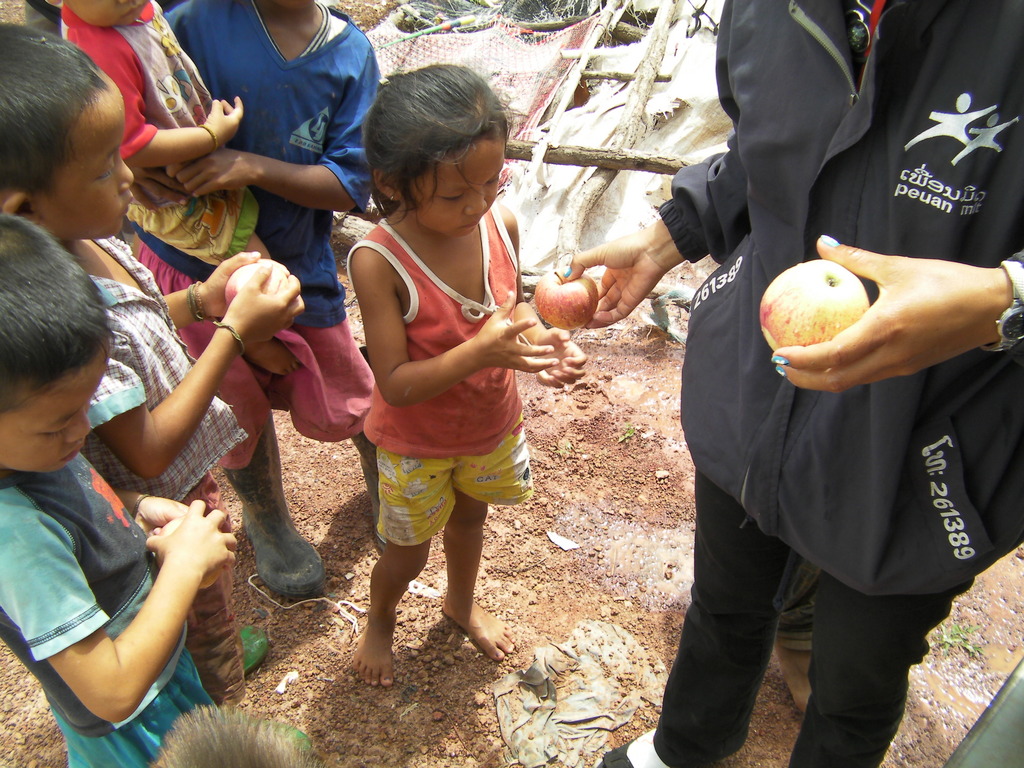
The center, which works closely with Friends-International, consists of five teams that work with the outreach, prevention, and reintegration of street children. As soon as I arrived we left for the city dump that sits about an hour outside of the capital of Laos. It was hot and sunny so the fumes were a bit intense, but the rain had arrived the day before so we were stationed close to the entrance because the mud prevented any vehicles going too far into the dump. With the help of four-wheel drive we did a small loop honking every once in a while so the children knew we had arrived. “We” were essentially a school on wheels. When we parked the staff made quick movements to transform the truck into a reading center. Water was provided for hand washing, a portable library was thrown over the side of the truck for the children to pick from, and puzzles and flashcards were placed along the simple mats that acted as the classroom floor. One woman left with a first-aid kit and information about sex education for the women who were working that day, while a couple tutors stayed behind to read to the gathered children.
I ask about the children and their stories, but most are new faces so the facts are unknown. The consistency of attendance is difficult because many of the children that work in the dump collecting recyclables live in villages that are sometimes far away. Still, the handful of children that did gather that day was allowed to take off their oversized rain boots for an hour or so to practice counting and eat a healthy snack.
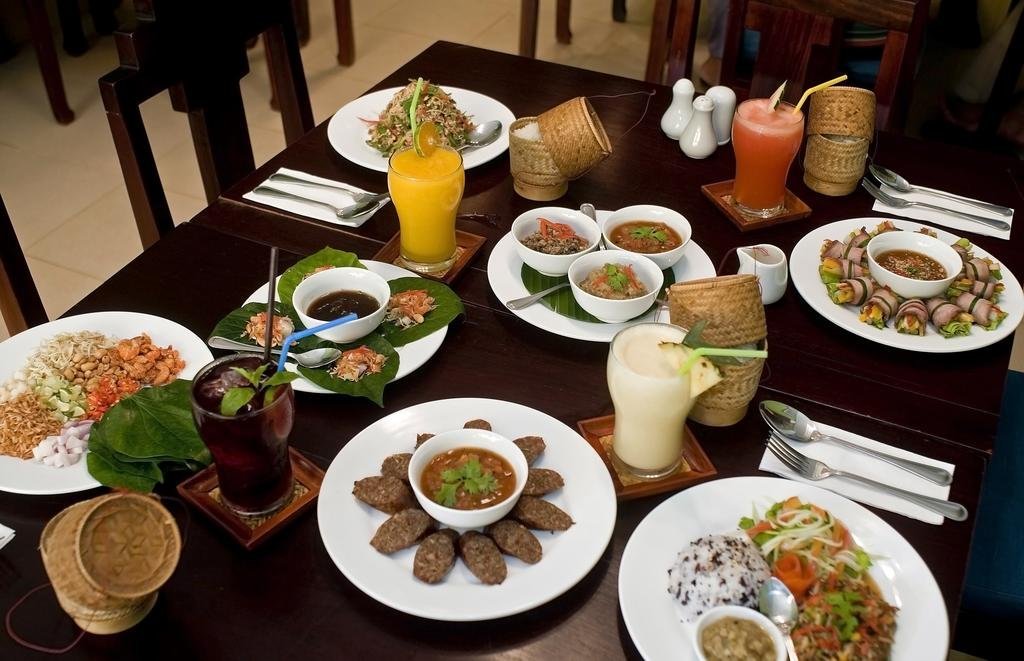
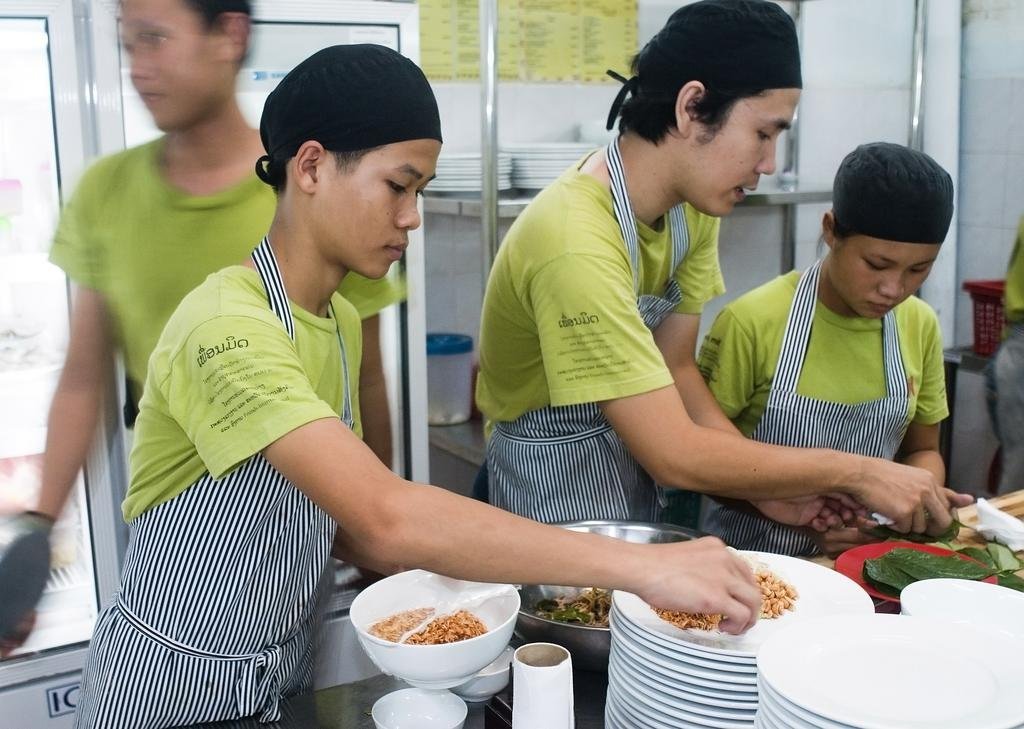
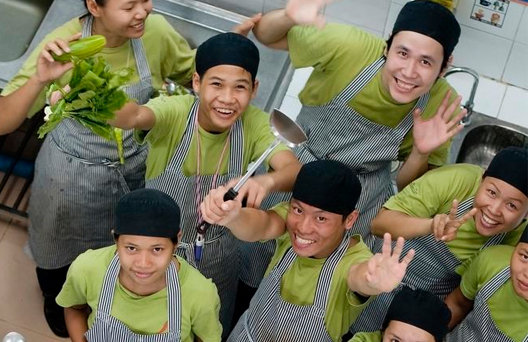
We returned back to Vientiane and to a much different scene, but there is work to be done in city dumps as well as thriving cities. Our next visit was to the Makphet Restaurant where I so gratefully dined. The vocational training program and restaurant is run by teenagers and young adults who learn the trade of waiting tables, culinary arts, and hospitality. The enthusiasm was apparent as soon as I stepped into the restaurant and I was reminded when I had my first couple of shifts as a waitress. Each waiter and cook had different and hard stories of how they arrived at the center, but now all I saw was a bright future rather than a difficult past. The vocational program acts as a living center as well because often they do not have the means to find housing. Because of this the cost to support the large staff is high and more than the restaurant takes in. The help GlobalGiving donors have given has been an important part of the sustainability of the project.
After my lunch that was wonderfully prepared by what tasted like a professional rather than a trainee, we made our way back to the main center. Each room in the three-story building had an important purpose. The orphanage/pre-school/doctor’s office was buzzing with activity. There were kids lined up with soapy hands at the hose at the entrance and even though they were a bit preoccupied I was given a warm welcome with soapy waves. Upstairs a lesson was underway for the younger children in the classroom that transforms into their bedroom every night. The table is moved to the wall and the mats are put down. Like I said before, no space is wasted.
If you wish to look at more photographs of the Makphet Restaurant, learn more about what they’re doing, or donate to the project visit their GlobalGiving page at: www.globalgiving.com/2154 .
When asked what she would tell her friends about this project, Clare said: "Great: They are making a difference."
Project reports on GlobalGiving are posted directly to globalgiving.org by Project Leaders as they are completed, generally every 3-4 months. To protect the integrity of these documents, GlobalGiving does not alter them; therefore you may find some language or formatting issues.
If you donate to this project or have donated to this project, you can receive an email when this project posts a report. You can also subscribe for reports without donating.