By James Paul | Programmes Assistant
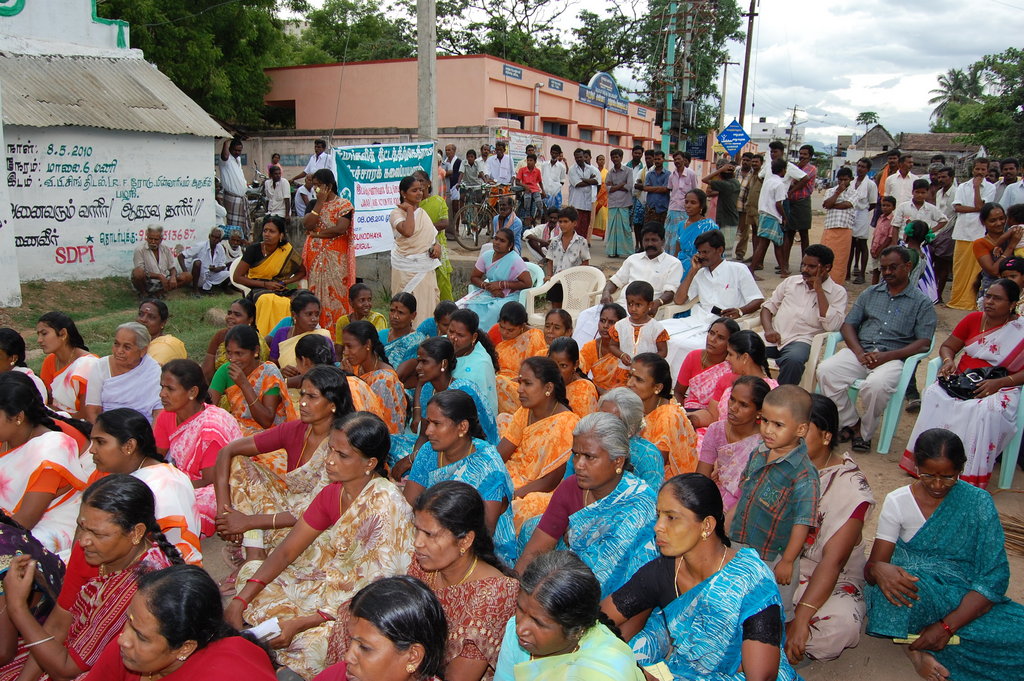
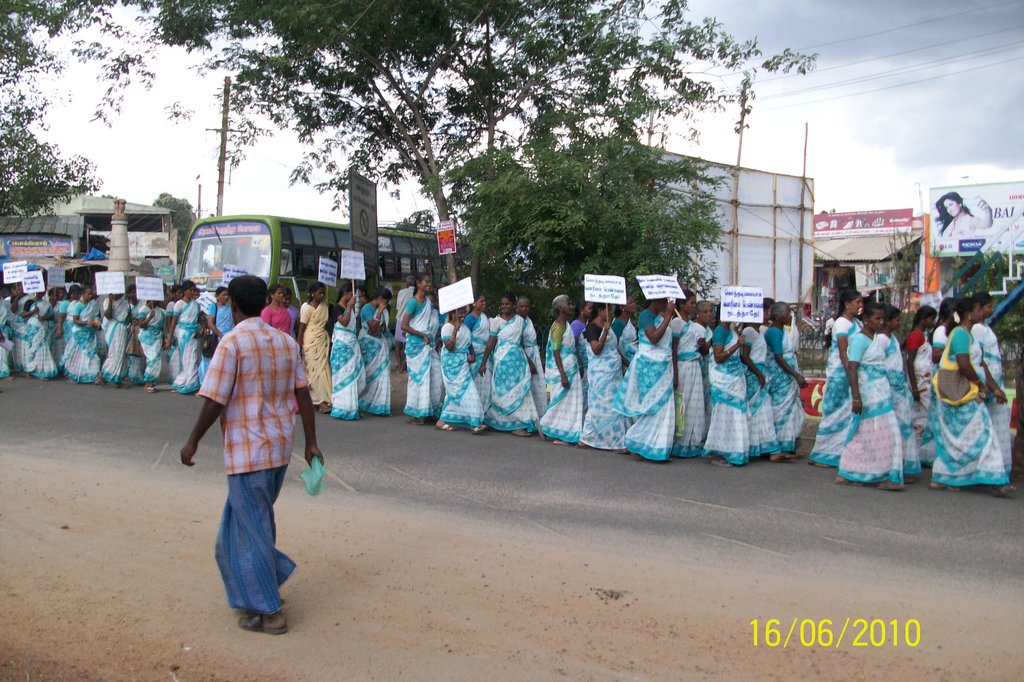
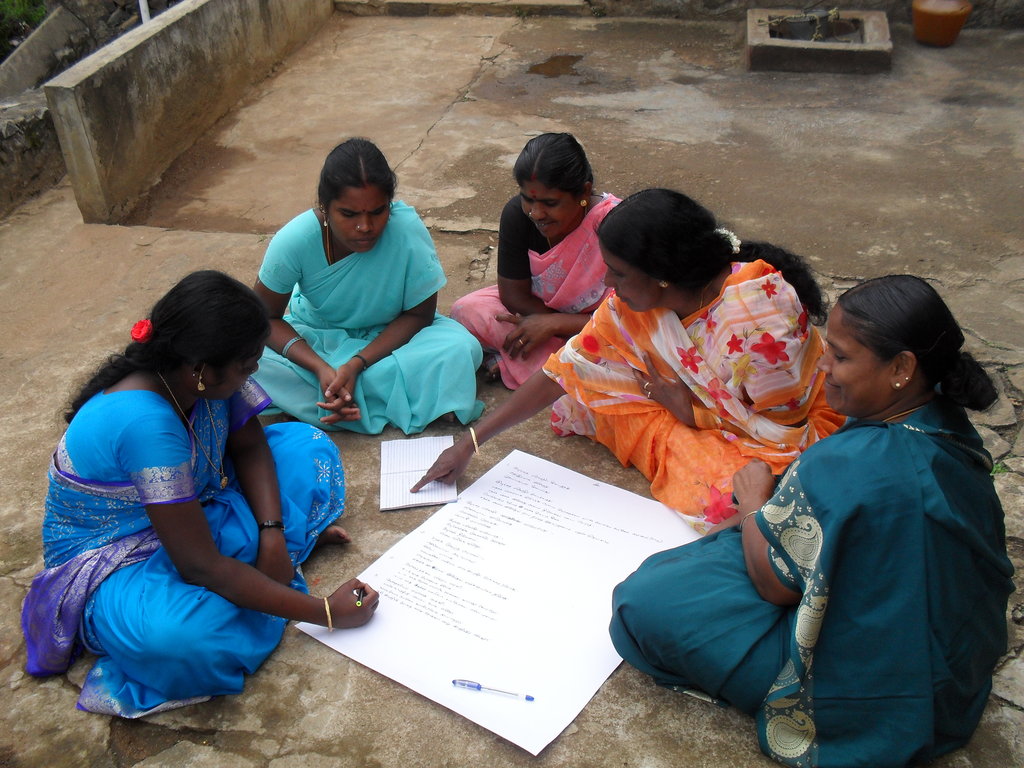
As part of this important project, Arunodhaya is working to prevent the exploitation of girls working in textile spinning mills under the ‘sumangali thittam’ scheme. Below you can find out about a major survey, carried out by Arunodhaya, which highlights the severity of the problem.
Background
Dindigul District is well known throughout India for its thriving textile industry. It is estimated that there are more than 10,000 girls between the ages of 14 and 18 working in its textile spinning mills. Every year, schemes known as ‘sumangali thittam’ (marriage plans) lure thousands of girls, often from poor rural communities, into the garment industry with an incentive of earning their own dowry (marriage payment) at the end of a three-year ‘apprenticeship’. Instead these young girls end up working in deplorable conditions, returning to their families years later empty-handed due to a lack of legal or regulatory protection.
Documentation of survey work
Following the completion of a base line survey, Arunodhaya has produced a full report, which outlines all the findings.
Selection of the findings:
· The findings clearly show that children below the age of 18 are working in mills, which is a clear violation of international conventions, although not in India.
· Mills are violating labour laws by recruiting girls aged 14 or below. This is an offense according to the Factory Act.
· Most of the respondents said that they had dropped out of school and joined the ‘sumangali’ scheme due to poverty.
· Only a small minority of respondents stated marriage costs (dowry) as the reason for joining the scheme. This clearly indicates that the coinage 'Sumangali' (married woman) is a misnomer.
· The majority of respondents were encouraged to join the scheme by family members.
· One third of all respondents said that they do shifts of 10 hours or more, which is more than the legal limit.
· More than half of all respondents said they were being paid less than what is stated in their contracts.
· 28% of respondents are not allowed to take breaks during shifts.
· 23% of respondents are not being provided with safety gear.
· 71% of respondents have experienced some form of sexual harassment/abuse, in addition to verbal abuse which is common.
· The majority of the respondents’ health had deteriorated since joining the scheme.
Case Study: Madhubala
Madhubala was 15 when she was forced to drop out of school. Her family was extremely poor; her father who worked as an agricultural labourer spent his income on alcohol and gambling - her mother was a daily labourer under the government 100 days work scheme, but her income wasn’t enough to support the family of five.
Therefore, with the help of a middleman, Madhubala’s mother secured a job for her at a nearby garment factory in Eragampatti, Tiruppur District, under the ‘sumangali’ scheme. She was contracted for three years, at the end of which she would receive Rs 30,000 (£420). As per the terms of the contract, Madhubala was paid Rs 1,200 (£17) per month; she wasn’t allowed to take any leave; and any costs for food, medical expenses and toiletries would be deducted from her monthly salary.
She shared a small room with 20 other girls from all over Tamil Nadu. The quality of food provided at the hostel was extremely poor and there wasn’t enough of it – each day they were given just half a cup of rice.
"Starving at my house seemed to be a better option.”
When Arunodhaya, International Childcare Trust’s partner in India, met Madhubala she complained of sleep deprivation. Madhubala worked nights; on completing her shift, she would return to her room to sleep or simply rest, but due to the noise from the factory, this was virtually impossible. Without a balanced diet and enough sleep she often felt weak and fell ill, particularly during menstruation. During her shifts, the mill supervisor would often touch her inappropriately and make lurid comments. Furthermore, the w Links:
Project reports on GlobalGiving are posted directly to globalgiving.org by Project Leaders as they are completed, generally every 3-4 months. To protect the integrity of these documents, GlobalGiving does not alter them; therefore you may find some language or formatting issues.
If you donate to this project or have donated to this project, you can receive an email when this project posts a report. You can also subscribe for reports without donating.