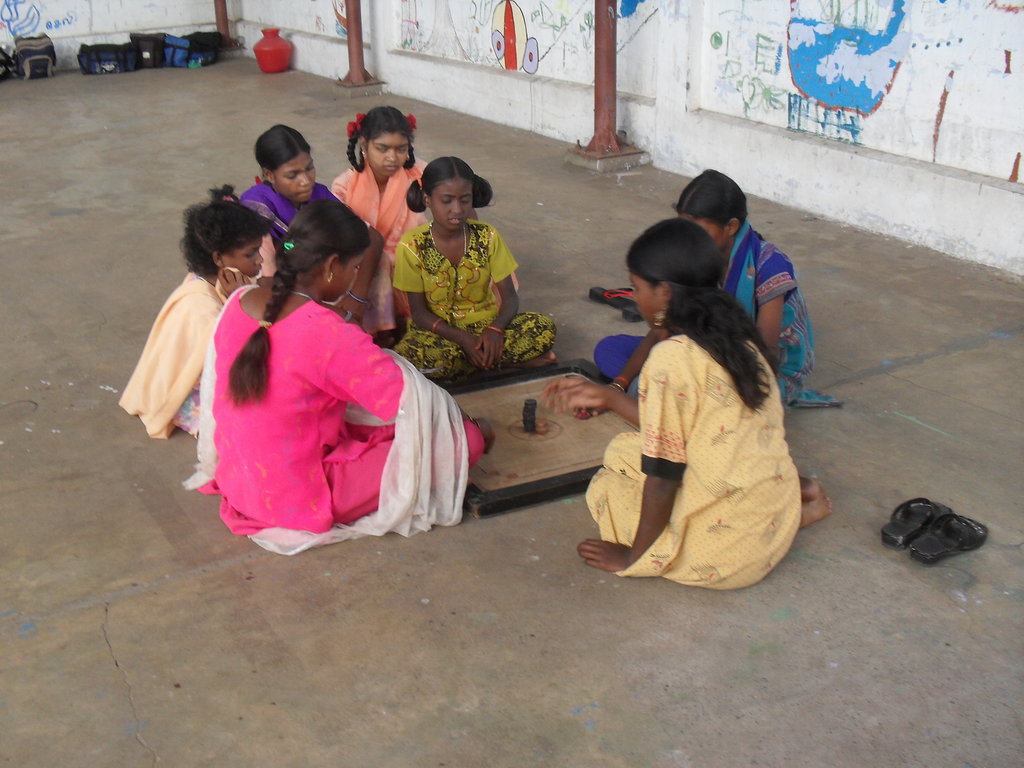
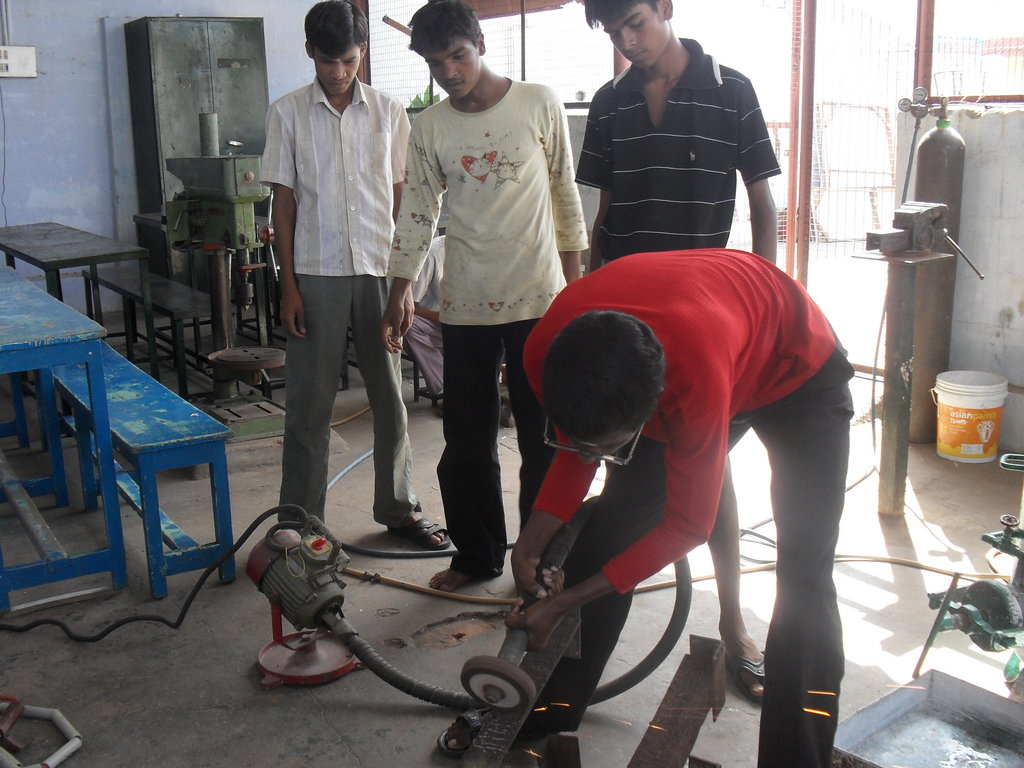
Every year, due to domestic violence, family breakdown, and the need to supplement the family income, thousands of children migrate to the streets of Palani and Dindigul, often from rural areas. These children forgo their education for informal work such as street hawking and rag picking or for work in Dinigul’s many textile spinning mills, while others resort to petty theft or begging, especially in and around Dindigul railway station and Palani’s ancient temples. They often end up sleeping in temples, bus shelters and on the streets where they face harassment, violence and exploitation. The majority of these children will join gangs, especially those without a family, turning to alcohol, drug abuse and crime to survive.
This project is vitally important for children living in Vilpatti, a remote village located in the Palani Hills, and the nearby towns of Palani and Dindigul. Since the GlobalGiving campaign in 2009, the project has continued to support over 1,000 vulnerable children living in the three locations within Dindigul District.
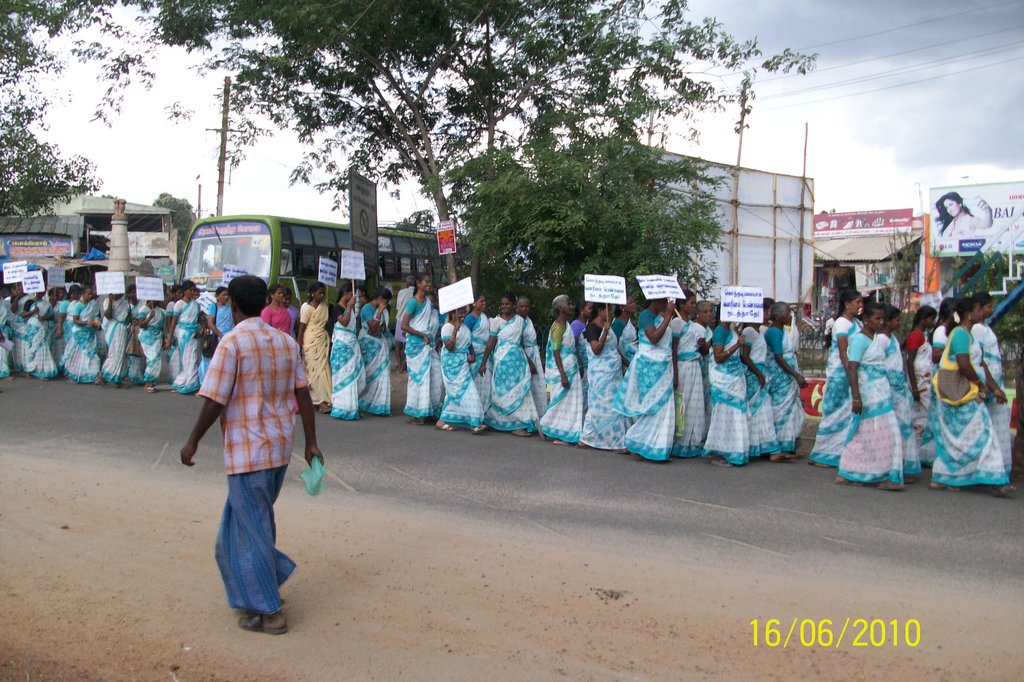
A major element of this project involves lobbying government leaders and institutions to put an end to child labour. ICT’s partner, Arunodhaya, has recently been working to prevent girls joining schemes known as ‘sumangali thittam’ (marriage plans). These schemes - run by textile spinning mills - lure thousands of girls into the garment industry with an incentive of earning their own dowry (marriage payment) at the end of a three-year ‘apprenticeship’. This is, however, one of the most exploitive and abusive employment schemes currently operating in India.
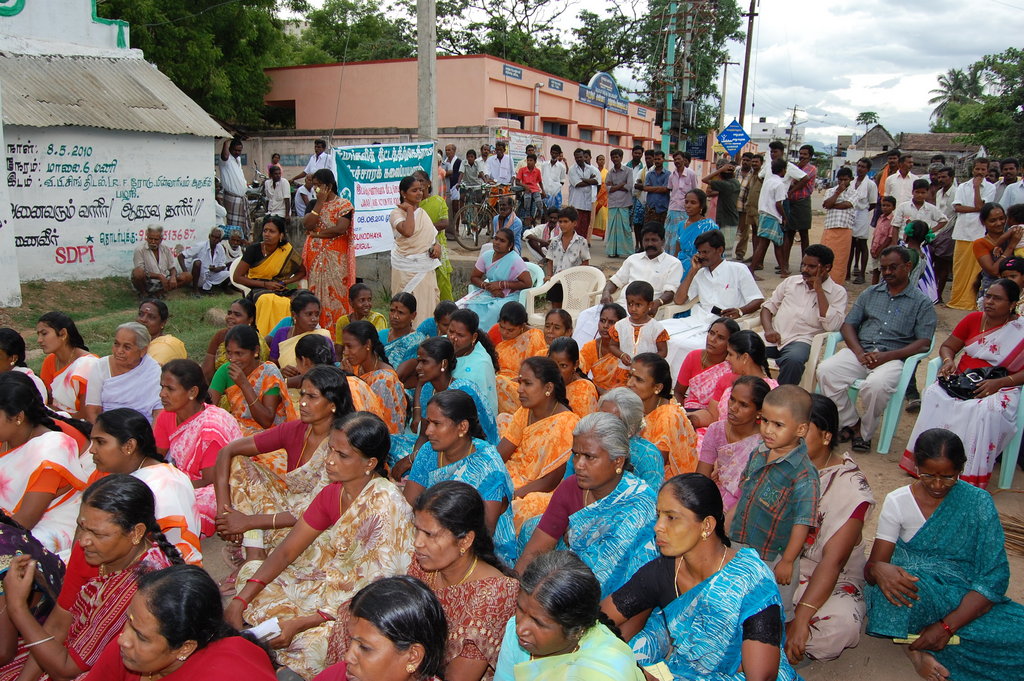
After a textile mill in the town of Dindigul refused to pay the wages of 132 girls employed under the ‘Sumangali’ scheme, a number of like-minded NGOs, coordinated by Arunodhaya, came together to form a network. The network successfully lobbied for a state-level public hearing conducted by the State Women’s Commission - an independent government body, which advises the government on all policy matters affecting women. Approximately 200 people attended the hearing in November 2009, including government officials, several mill owners, and 42 of the aforementioned girls. Having listened to the girls’ heartbreaking stories, which included incidences of sexual harassment and abuse, the commission ruled that:
• All 42 girls present at the hearing should be awarded immediate compensation.
• ‘Apprentices’ who choose to/are forced to terminate their contracts must be paid proportionally to the number of days they have worked.
• Mills cannot continue to pay apprentices just a lump sum upon completion of a full three year term; and;
• The Commission can conduct visits to any textile mill in Tamil Nadu to check working conditions.
Since the hearing, the Commission has carried out a number of spot-checks on textile mills. Although the Commission suspect that some of the mills had been tipped off in advance, the visits highlighted a number of serious issues, including long working hours, violence, and unfair dismissal. The verdict on the legality of the ‘Sumangali’ scheme can, however, only be determined by the High Court, which is currently hearing cases challenging the scheme by two trade unions. This may well be a long process, but one which is vital to the health and wellbeing of thousands of children throughout Tamil Nadu.
Thank you so much for contributing to this fantastic campaign! Please contact us if you would like any more information on the project and its progress, and any further donations would, of course, be gratefully received!
![Share on Twitter]()
![Share on Facebook]()