By James Paul | Programmes Officer
Over the past year, a total of 3,266 children have benefited from this project, including:
Transit Shelters
Arunodhaya runs two transit shelters in Dindigul and Palani that provide care and protection to street and working children and children from dysfunctional families. With support from local businesses, the police, local leaders and street vendors, field staff at both locations identify children in vulnerable situations and encourage them to visit the shelters. Once children have been admitted at the shelters they are given immediate care and protection and the local police are informed. At the shelters children can wash, eat a nutritious meal, play, or simply rest in safety. They also have access to healthcare. After admission, children with families who are willing to return to them are supported in reintegration. Those children who want to continue with their studies or alternatively learn a trade are either reintegrated into schools or enrolled into vocational training courses in Dindigul. Children who are staying at the transit shelters have formed a committee among themselves to play a role in maintaining the shelters - the committee meets every weekend to make their suggestion for the improvement of in-house activities.
The shelters supported a total of 139 children during 2010/2011: 78 children were reunited with their families; 32 children were reintegrated into schools; six completed vocational training courses; and 11 children were enrolled in other educational institutions.
Community Development Programme
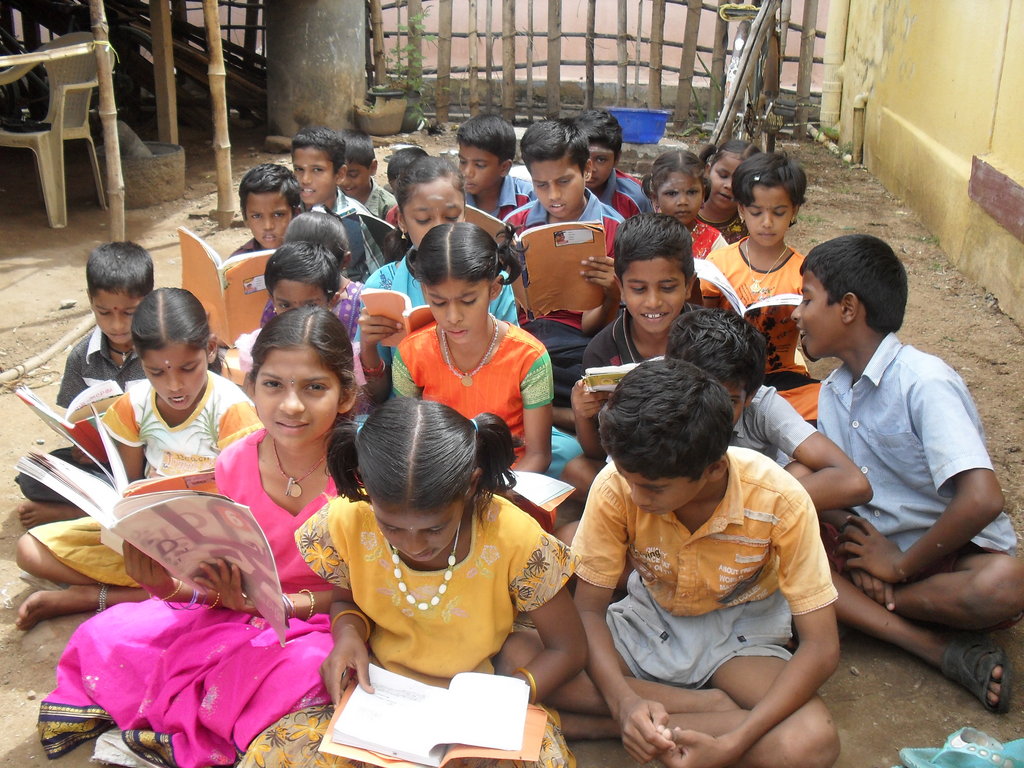
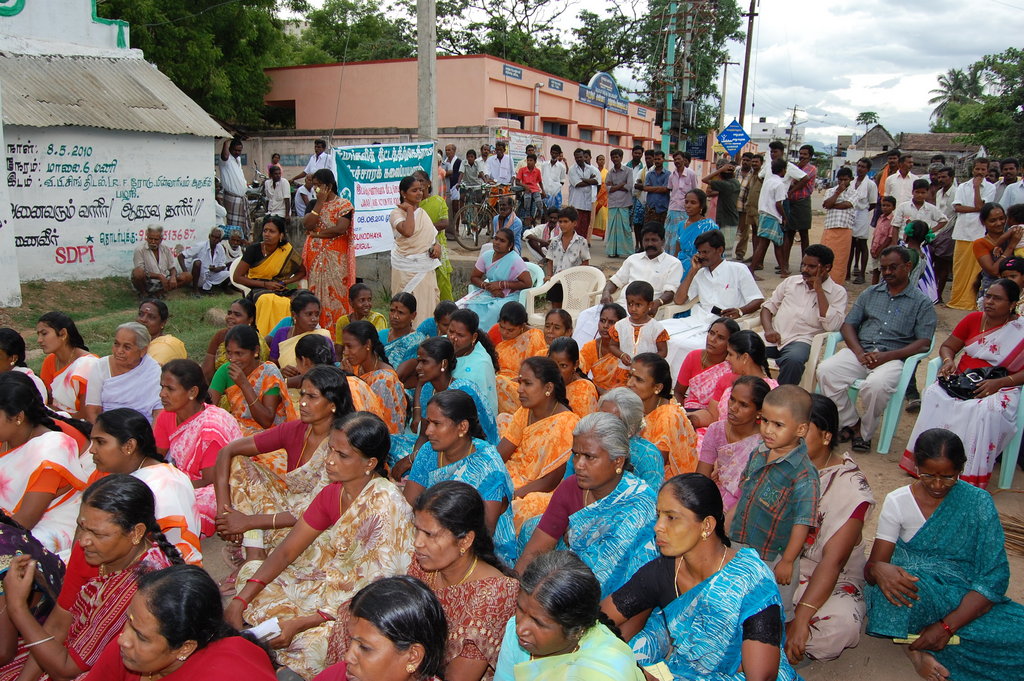
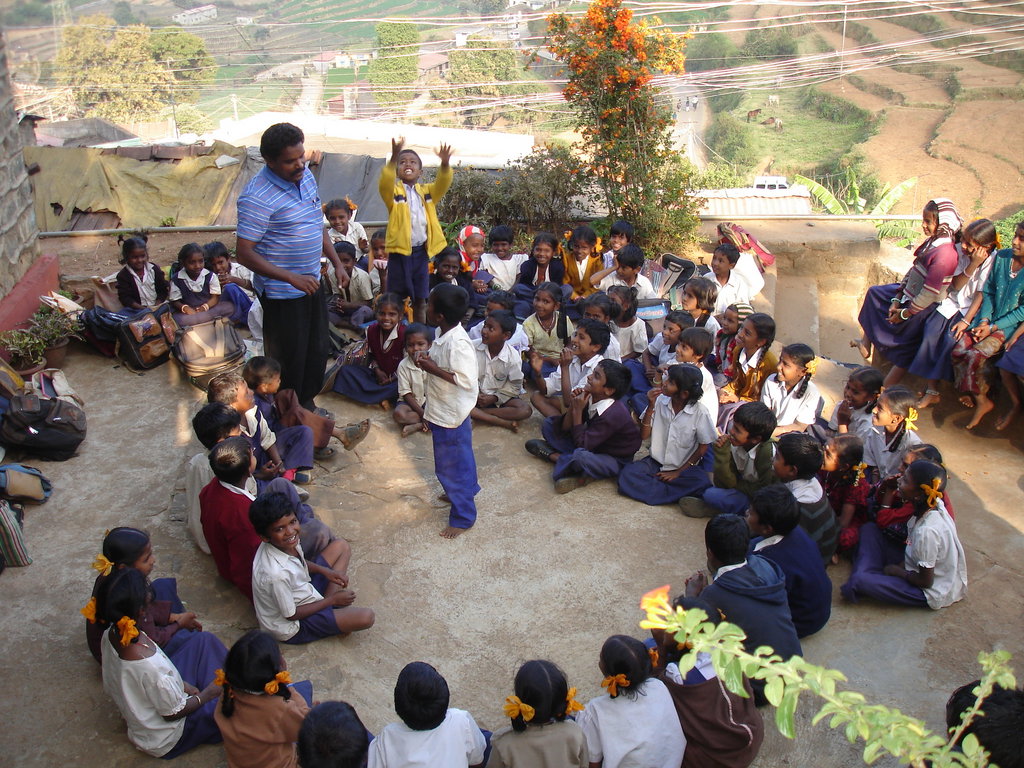
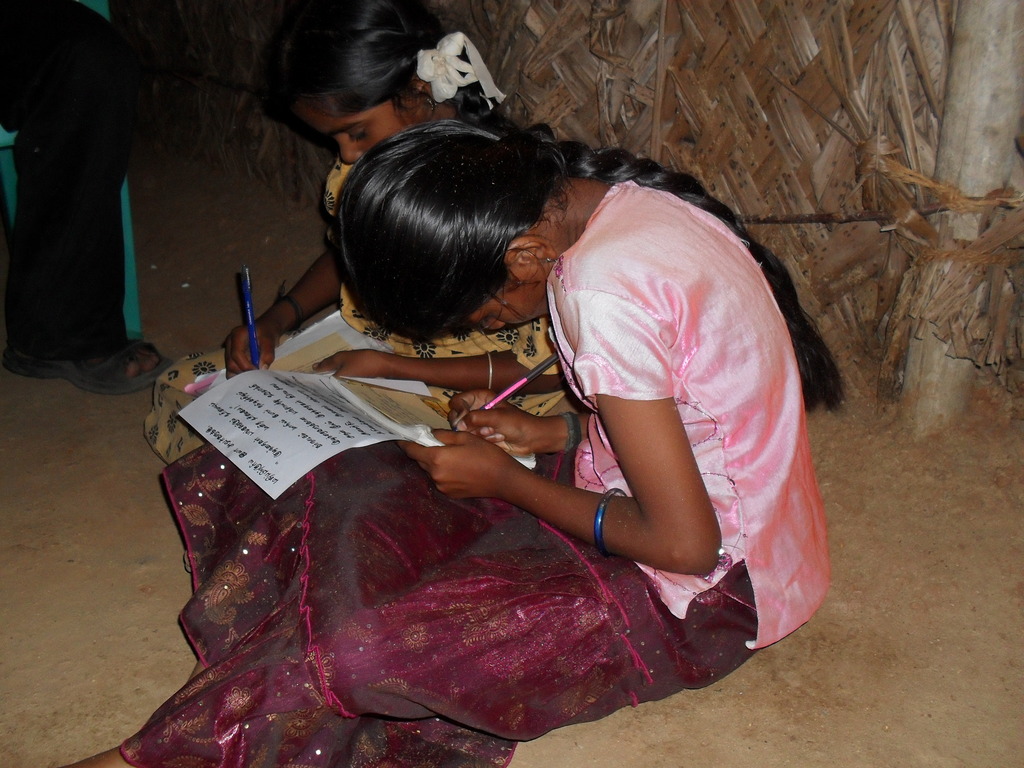
Vilpatti Village Project (VVP) is located at the hill station of Kodaikanal. This community based programme works in Vilpatti, Kovilpatty, Sathyanagar and Attuvampatty. During the year the project activities had been extended to Mannamanur, Poombari and Kavunchi. The project aims to improve the educational standard of all children by reducing drop-outs. A crèche is run for young children and supplementary education provided to all other children during the evenings. The crèche provides vital support to the Vilpatti communities, mainly agricultural labourers, who would otherwise leave younger children in the care of older siblings. The crèche is a means of support to the community members, ensuring their children are cared for and protected while they are away at work; this programme also enables older children, who would otherwise be caring for their younger siblings to go to school. The crèche offers nutritious meals, healthcare and early childhood education for young children, as well as a wide range of stimulating activities.
Of 27 children enrolled in the crèche in 2010/11, 12 were enrolled into Government run primary schools in Vilpatti. During this year, 30 children were enrolled in the crèche, including 12 children from the previous year.
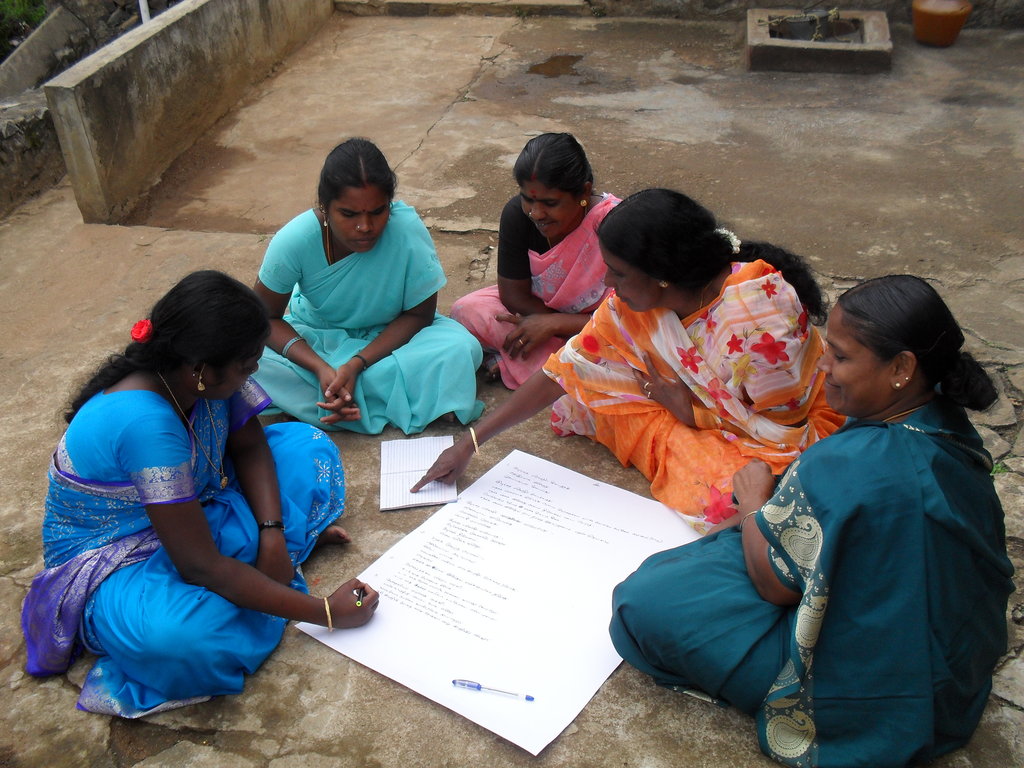
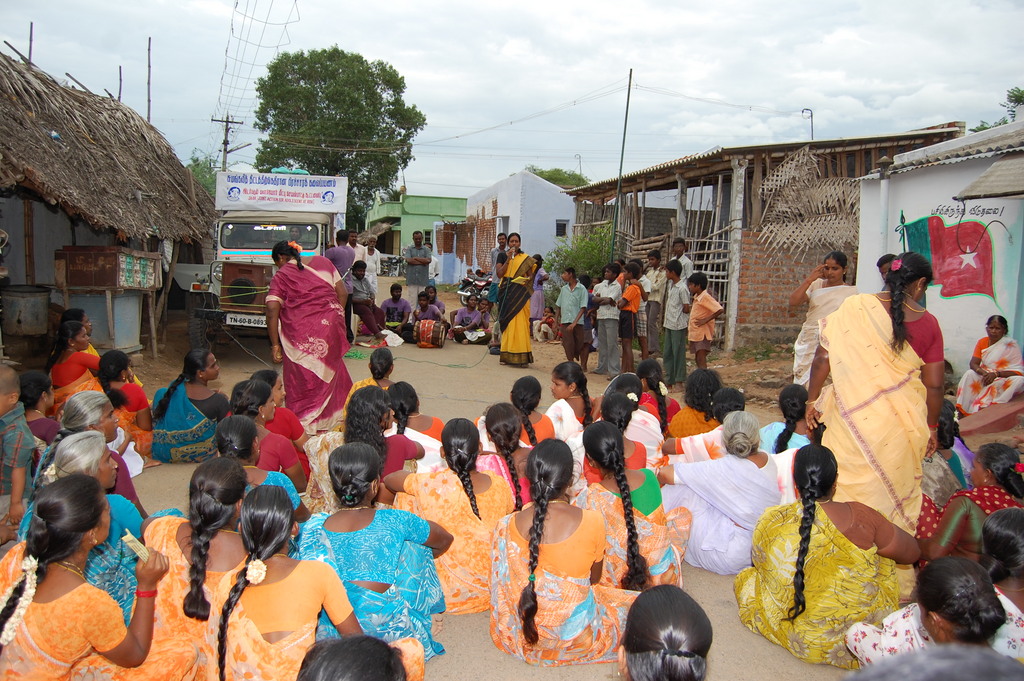
Three crèche parents’ meetings were held in 2010/11 with 43 parents participating – the main areas discussed were further development and running of the programme and ways to increase local community support/involvement in the programme. In the last meeting an 11-member committee was formed, which will make recommendations for the improvement of the programme.
Vocational Skills Development
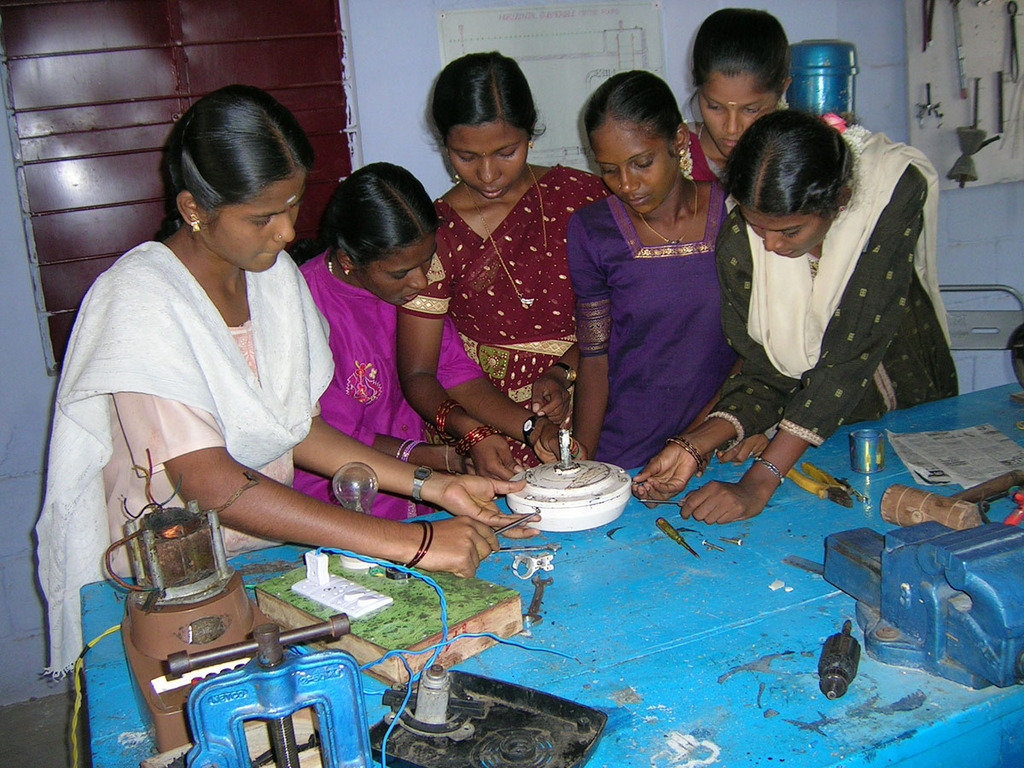
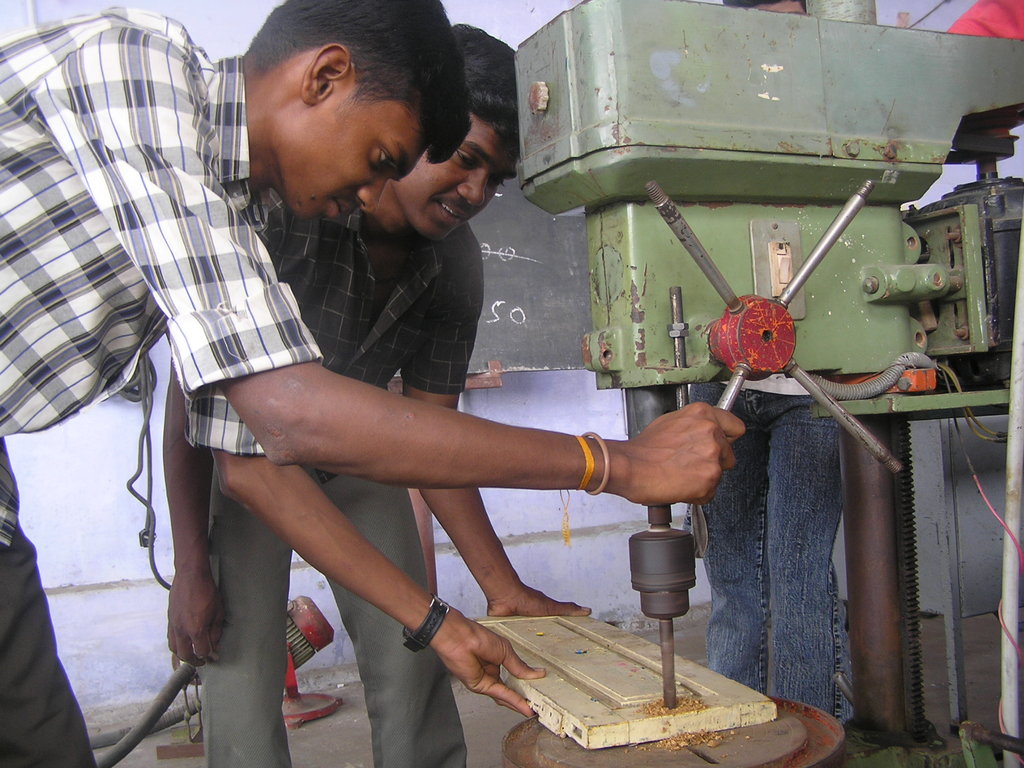
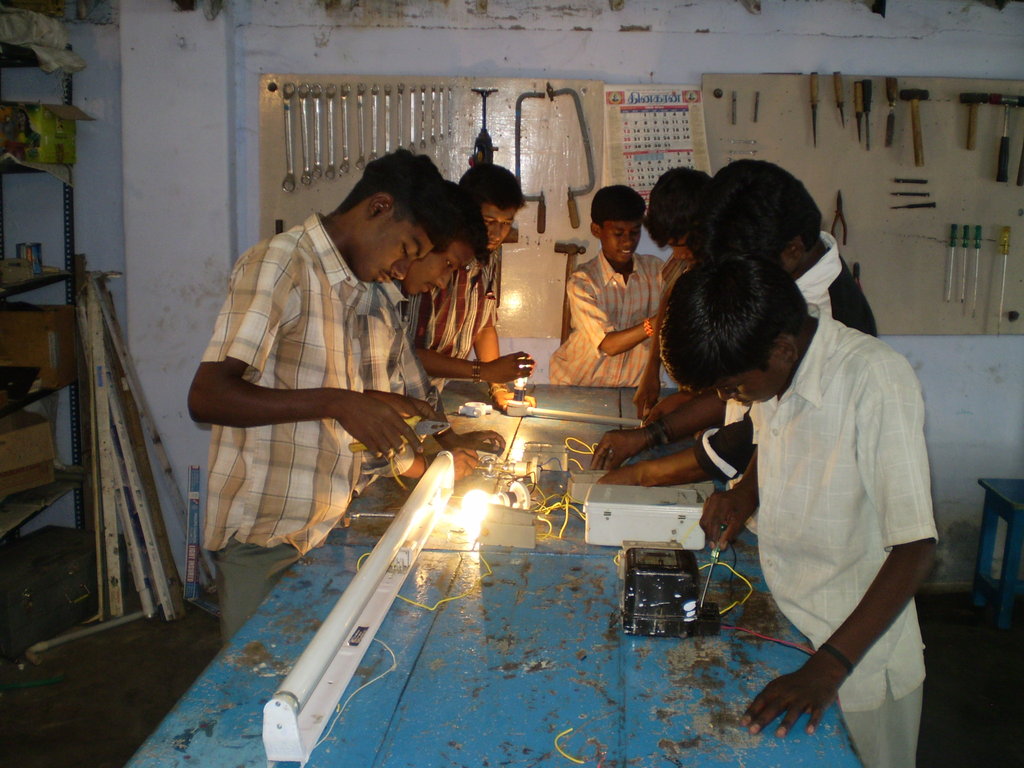
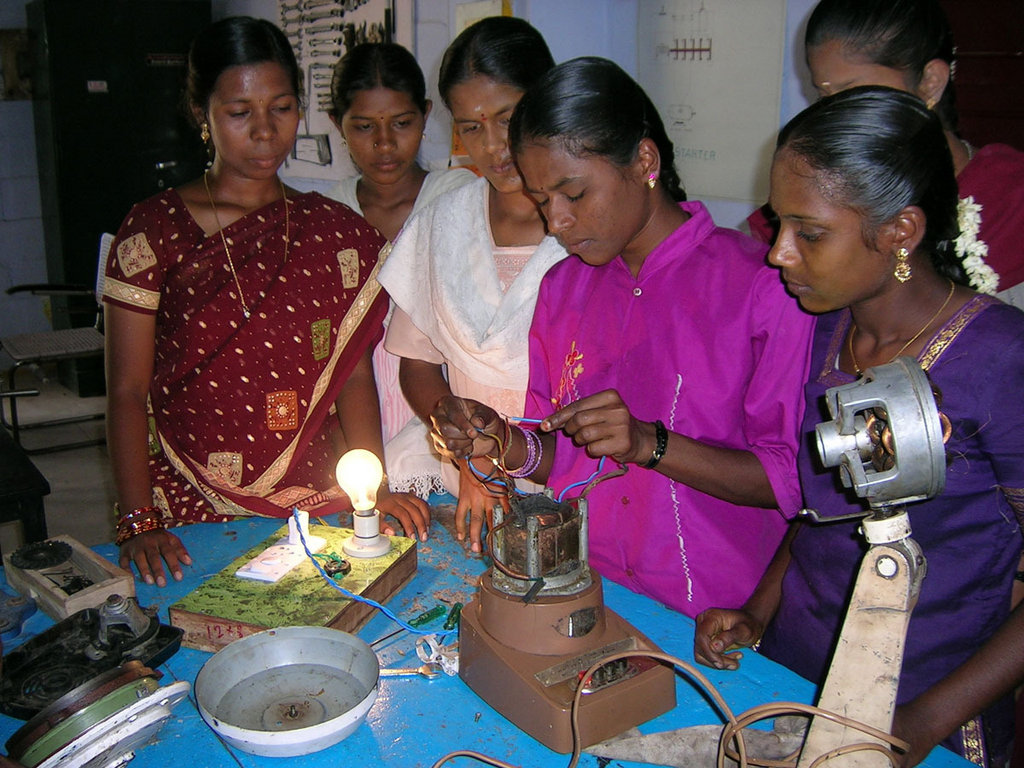
Arunodhaya runs a vocational skill development course for both boys and girls. There are three courses offered in welding, electrics and dress making. The aim of these courses is to enable school drop-outs and street children to learn a skilled trade so that they can find viable employment.
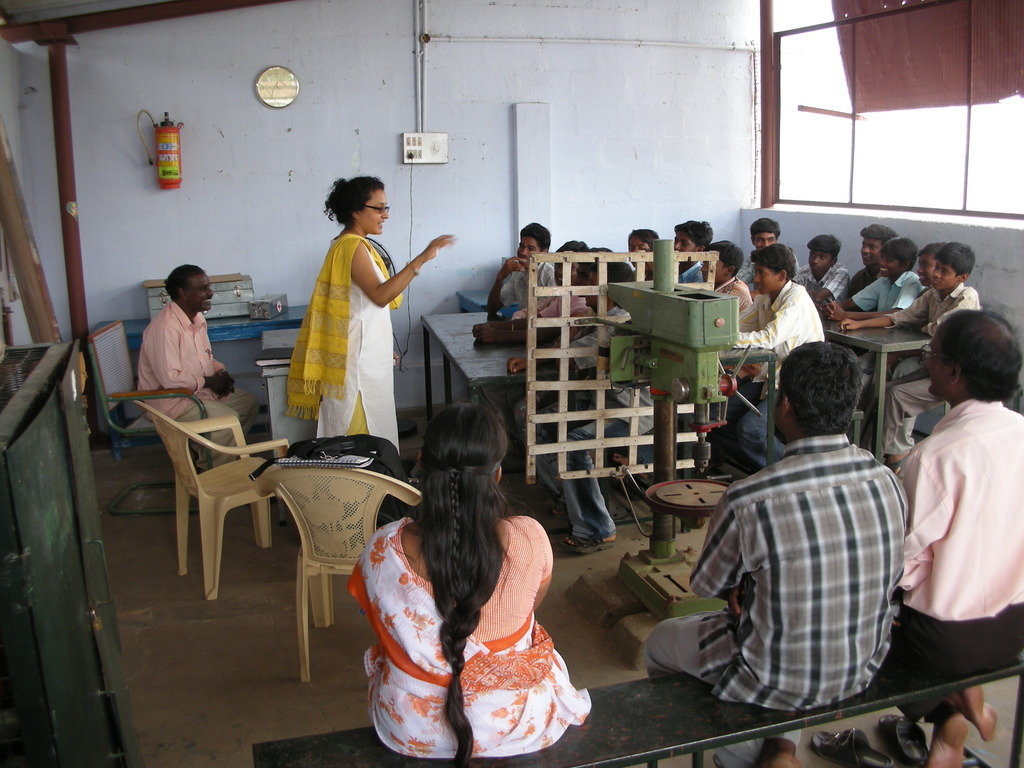
Each course is conducted over six months, during which theory classes are provided in the mornings and practical classes in the evenings. The courses take an integrated and well-rounded approach, with classes on basic literacy, socio-political studies, health and hygiene, yoga, basic computer literacy, and field placement learning in addition to training on the relevant vocational skill. Moreover the vocational training courses encourage and motivate children to continue their formal education.
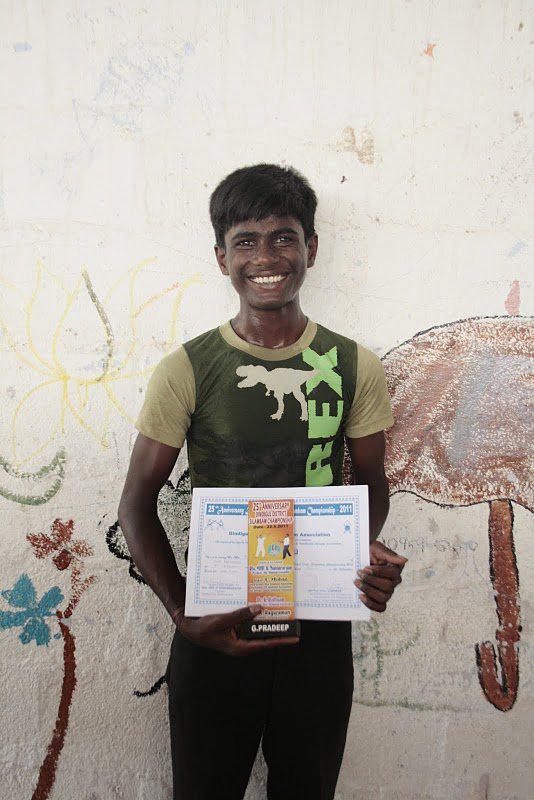
Field placement training (apprenticeship) is part of the syllabus for welding and electrics. This is an opportunity for trainees to experience the working environment and deal with other aspects of the trade such as customer handling, purchasing equipment and materials etc. Arunodhaya has developed relationships with 12 businesses which provide on-the-job training to the trainees. The trainees earn a small wage from doing this, usually RS 20-100 per day. On completing the courses, exams are conducted, over three days, on theoretical and practical aspects of the course as well as social studies. Successful trainees are presented with certificates at an annual function.
This year 32 children completed training courses: 13 in welding; nine in electrics; and 10 girls in dress making.
By James Paul | Programmes Assistant
By James Paul | Programmes Assistant
Project reports on GlobalGiving are posted directly to globalgiving.org by Project Leaders as they are completed, generally every 3-4 months. To protect the integrity of these documents, GlobalGiving does not alter them; therefore you may find some language or formatting issues.
If you donate to this project or have donated to this project, you can receive an email when this project posts a report. You can also subscribe for reports without donating.