By Erin Nagy | Volunteer with Friends of WFP
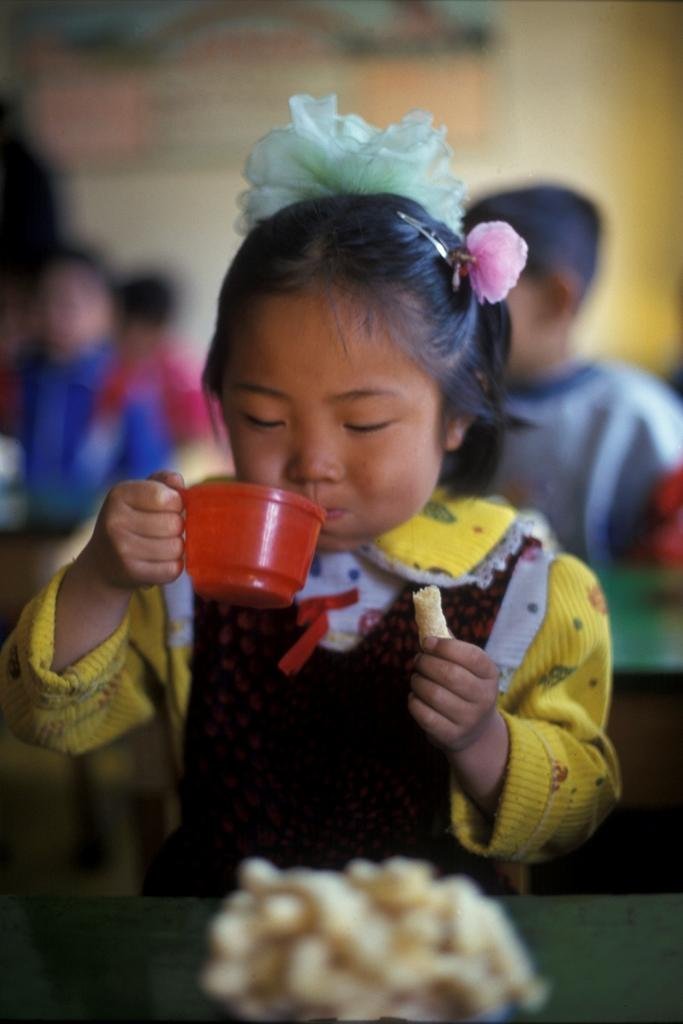
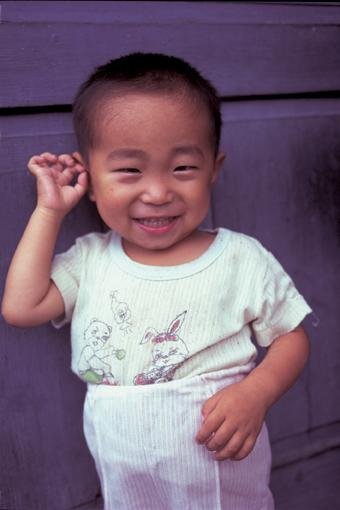
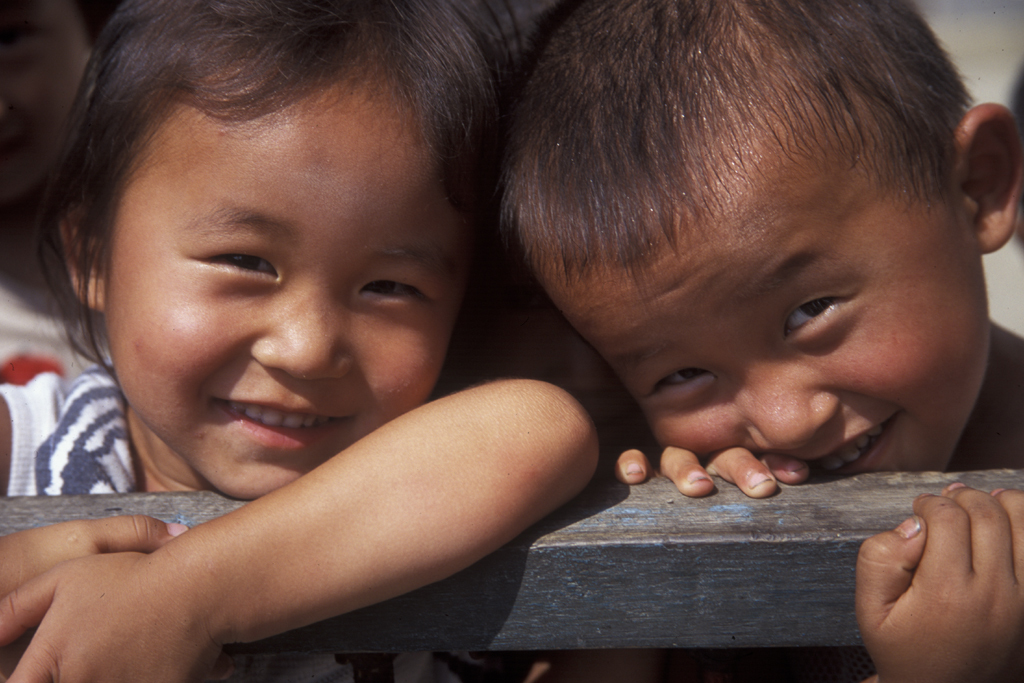
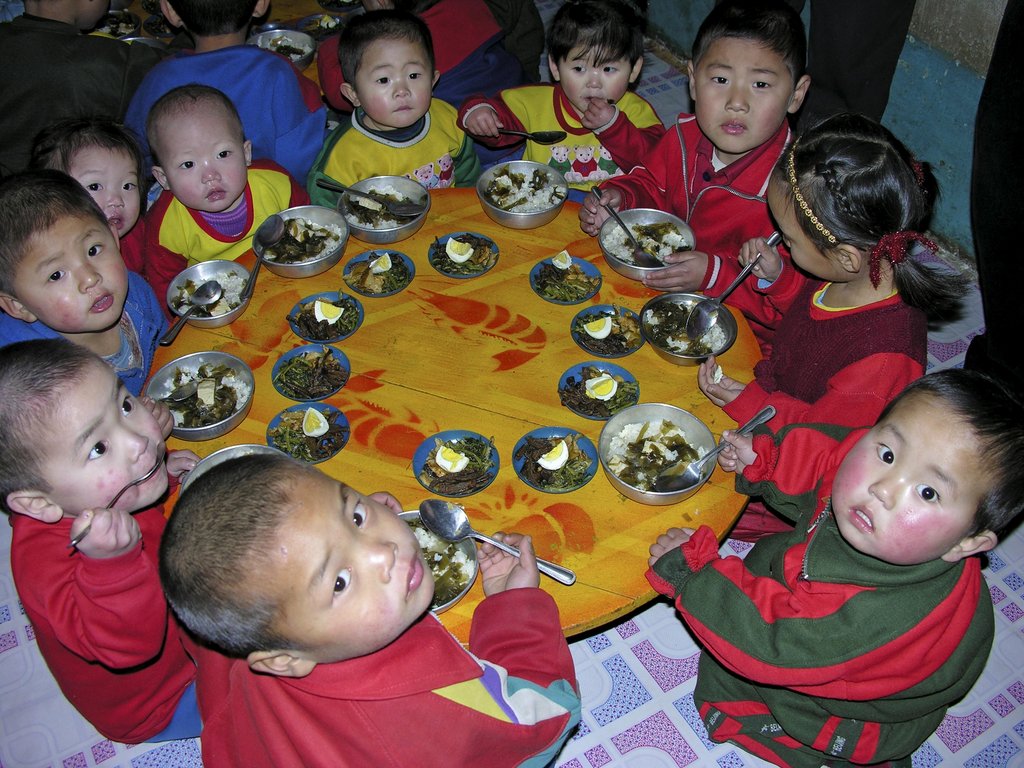
Since its independence from Japan in 1945, North Korea has existed as one of the most despotic, closed economies on the globe. Energy shortages, its limited arable land, and a lack of agricultural machinery have coupled with its persistent economic problems to consistently prevent the achievement of food security for the North Korean population.
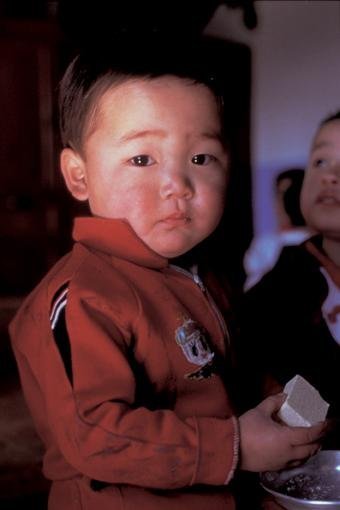
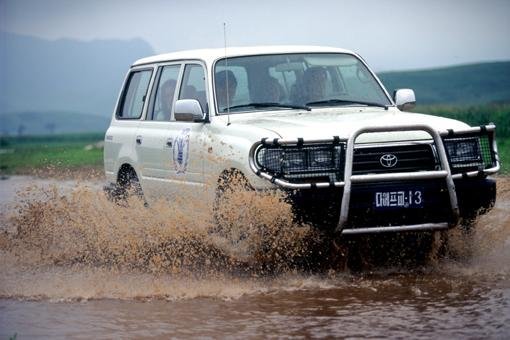
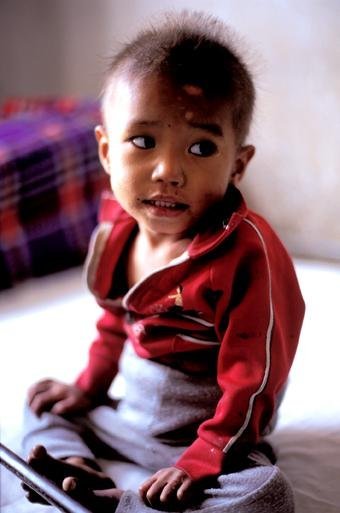
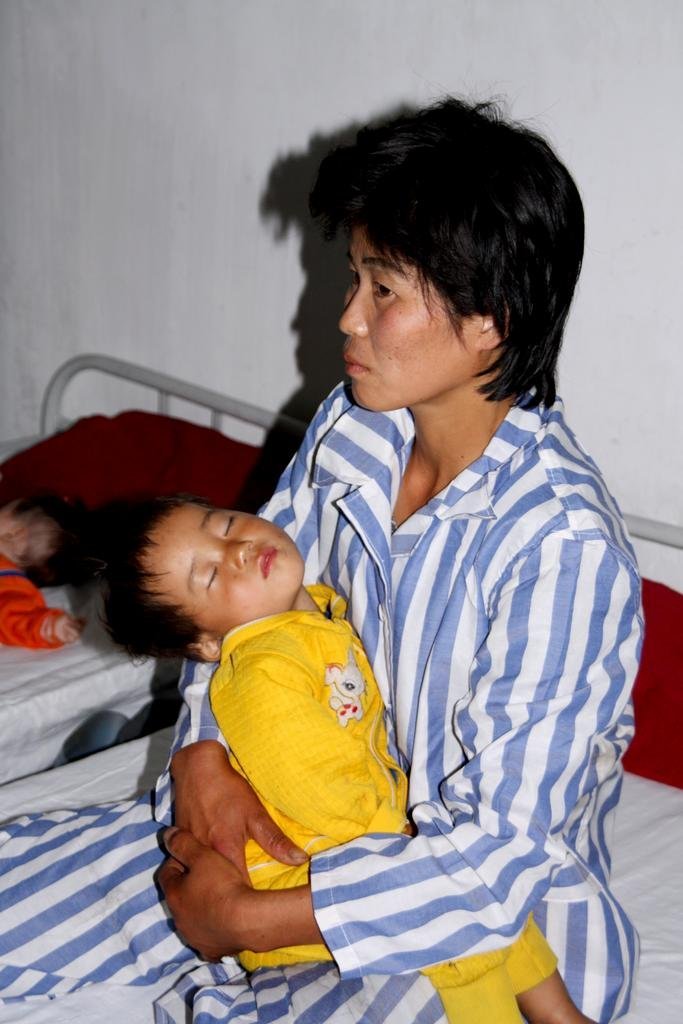
With the signing of a Letter of Understanding by the North Korean government in June 2008, up to 59 aid workers are now allowed into the nation to oversee the delivery of food, geographical access has been expanded, and humanitarian agencies have more flexibility in monitoring than ever before. In a nation so closed, where 33 percent of the population is undernourished, the necessity of WFP programs is apparent.
Between 1995 and 2005, WFP operations secured over 4 million tons of commodities, directly benefiting one third of the population, but because of funding shortfalls, WFP operations in North Korea are currently at only 15 percent of planned levels.
North Korea is just entering the lean season, the five-month period prior to the November rice and maize harvests when stocks from last year quickly diminish, and expanded WFP assistance is vital. It is generous individuals like you that make further outreach possible. Thank you for your support!
Project reports on GlobalGiving are posted directly to globalgiving.org by Project Leaders as they are completed, generally every 3-4 months. To protect the integrity of these documents, GlobalGiving does not alter them; therefore you may find some language or formatting issues.
If you donate to this project or have donated to this project, you can receive an email when this project posts a report. You can also subscribe for reports without donating.