By Kristina Walter | Volunteer
"[The Democratic People’s Republic of Korea] will face a severe food situation over the coming months," said Henri Josserand, Chief of the United Nations Food and Agricultural Organization (FAO) Global Information and Early Warning System. "Despite good weather and hard work by farmers and many city dwellers, they could not overcome critical shortages of fertilizer and fuel. The prospects for next year are bleak.”
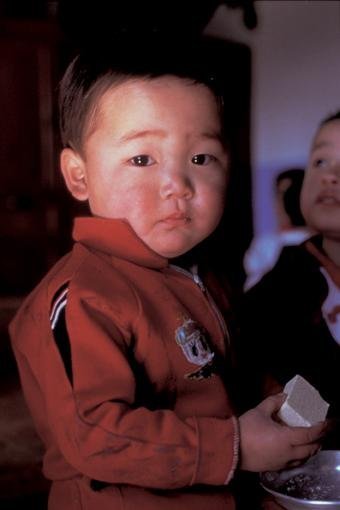
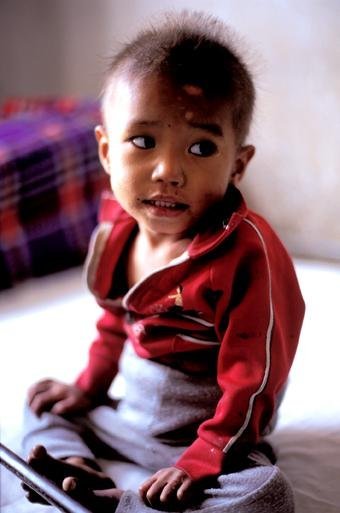
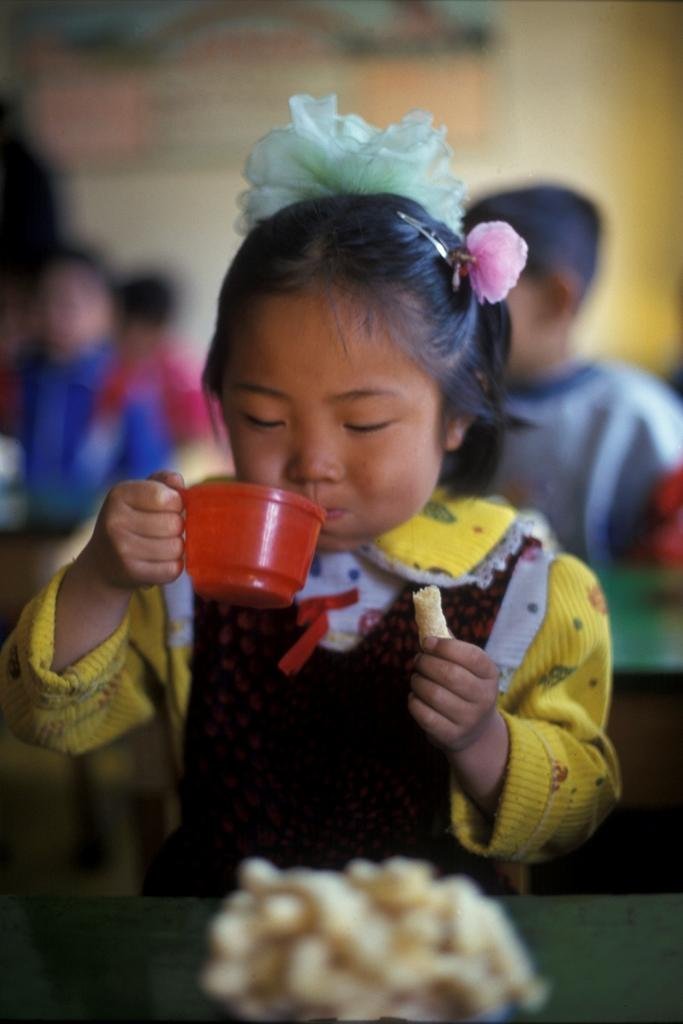
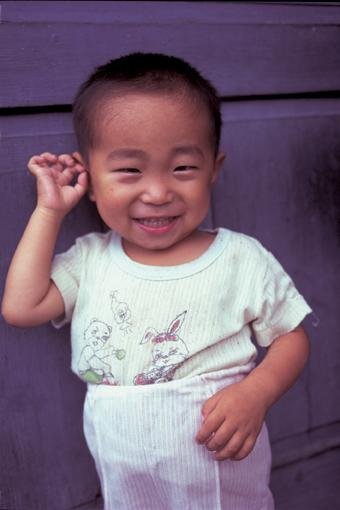
A combined study by the FAO and the World Food Program (WFP) indicates that around 40 percent of the population in the Democratic People’s Republic of Korea (DPRK), an estimated 8.7 million people, mostly young children, pregnant and nursing women and the elderly, will urgently need food assistance in the coming months.
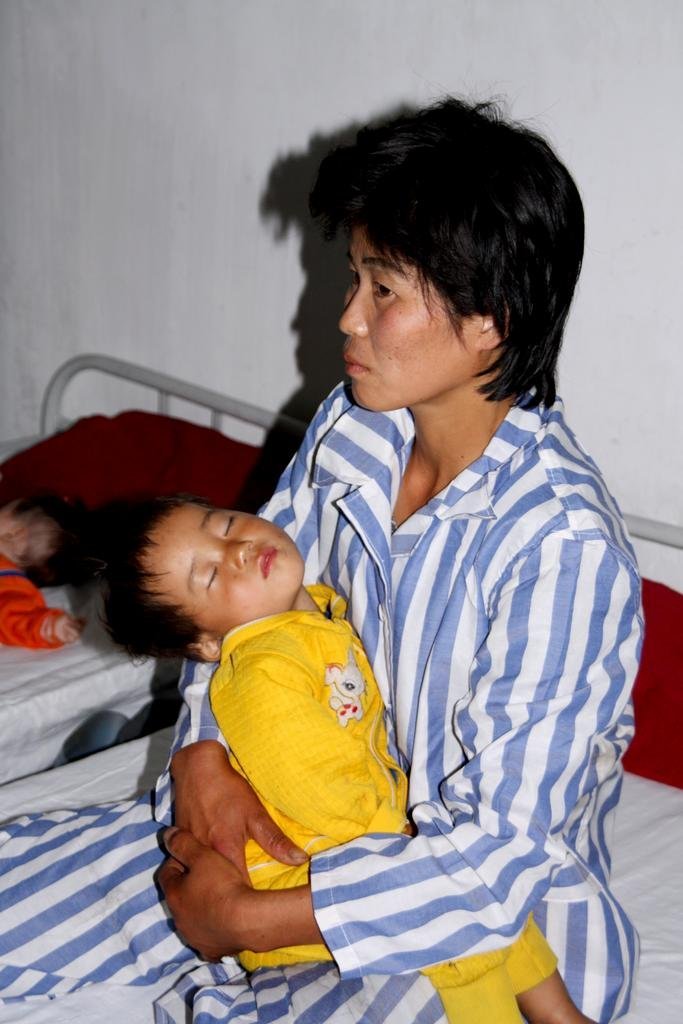
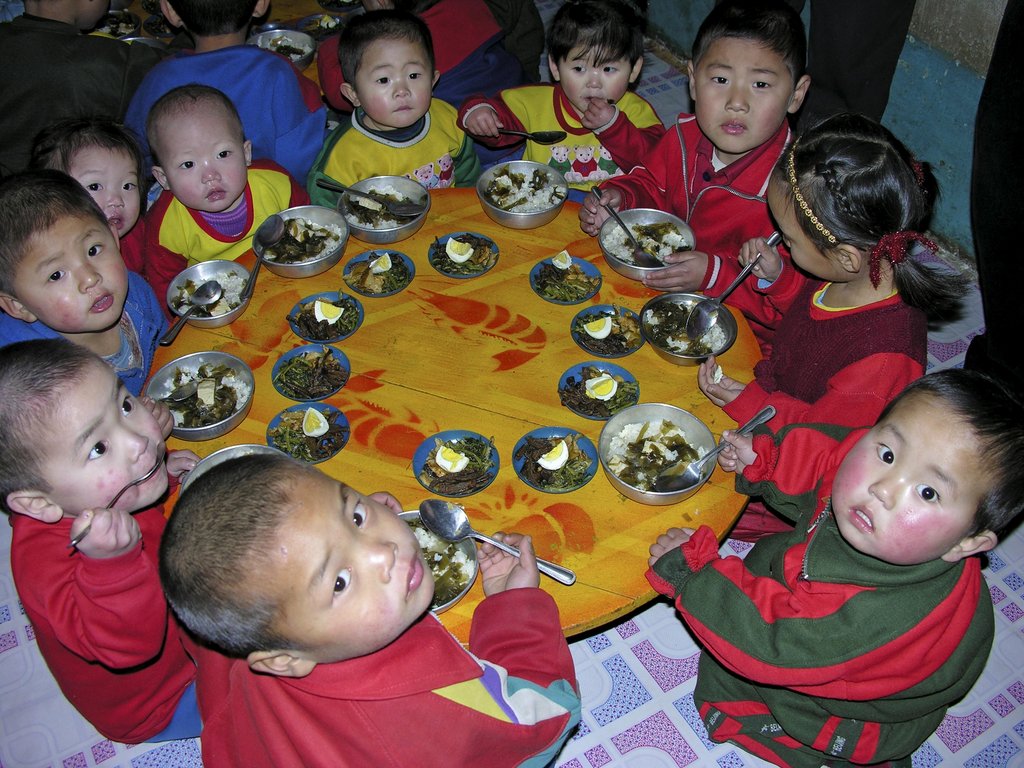
"The findings of the mission confirm WFP's fears that millions of DPRK households will suffer through yet another year of food shortages," said Torben Due, WFP DPRK Representative in a statement from Pyongyang. "With such a large food gap, accessing enough food and a balanced diet will be almost impossible, particularly for families living in urban areas or in the remote food-deficit provinces in the Northeast. This could have grave consequences for the health of the most vulnerable groups."
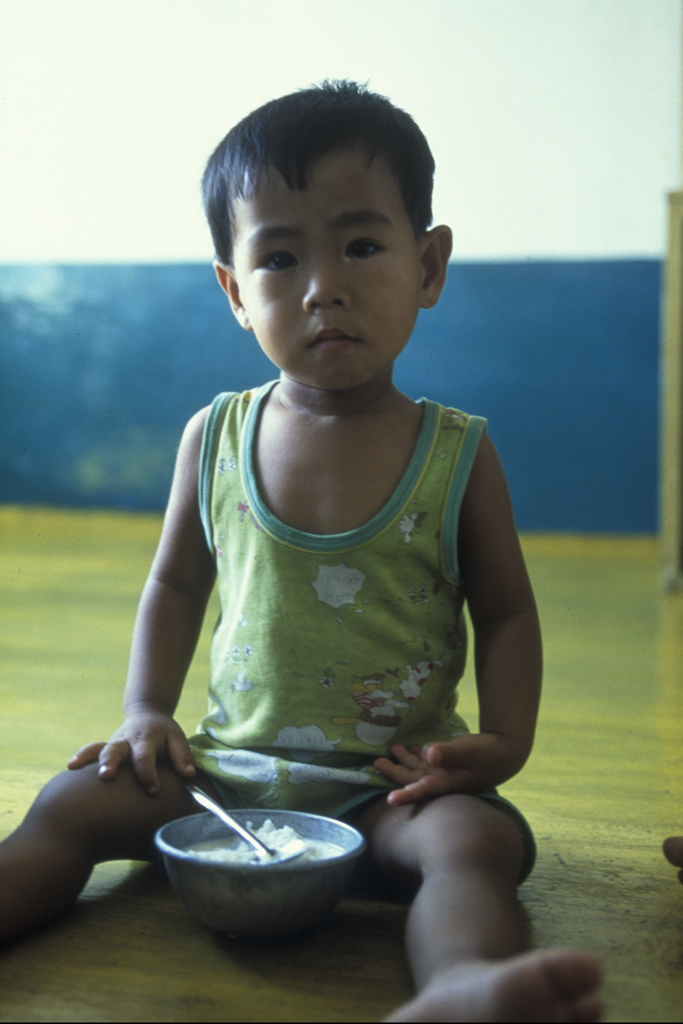
Many people have been suffering from little or no reliable access to food for many years now. Thirty-three percent of the total population is undernourished and almost one fourth of children under age five are underweight. Economic problems, limited arable land, lack of agricultural machinery, and energy shortages also hinder families from producing their own food, forcing them to rely on WFP for survival.
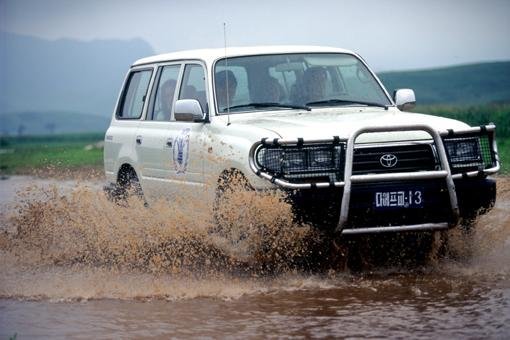
WFP has played a central role in mobilizing and delivering food assistance to millions of the DPRK’s hungriest people, saving countless lives and helping to achieve significant reductions in malnutrition rates. In order to help the most vulnerable populations, WFP distributes vitamin-and-mineral enriched foods produced at WFP-supported factories to young children and pregnant and nursing women, and cereal rations to underemployed workers through Food For Community Development schemes aimed at improving food security and mitigating natural disasters.
Almost half of the population in the DPRK will rely on WFP in the coming months for food critical to their survival. WFP’s operations still require considerable financial assistance to adequately serve those in need. It is caring individuals like you who make their hope for survival possible. Thank you.
Project reports on GlobalGiving are posted directly to globalgiving.org by Project Leaders as they are completed, generally every 3-4 months. To protect the integrity of these documents, GlobalGiving does not alter them; therefore you may find some language or formatting issues.
If you donate to this project or have donated to this project, you can receive an email when this project posts a report. You can also subscribe for reports without donating.