By Erin Nagy | Volunteer with WFP
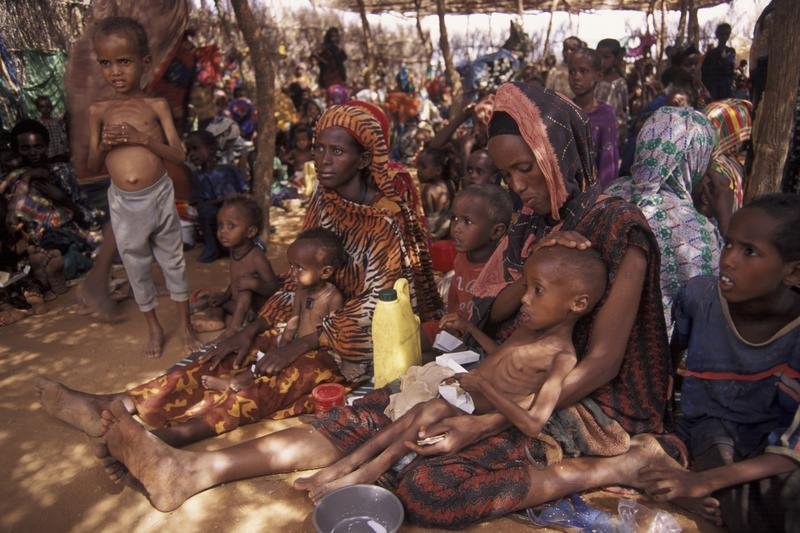
Ethiopia is home to 85 percent of the Horn of Africa’s inhabitants, which continues to be one of the most unstable corners of the globe – perpetually suffering through wars and environmental shocks (droughts, floods) that often instigate famine. The high proportion of residents in Ethiopia is largely due to an alarming number of Eritrean, Somali, and Sudanese refugees. In the first 43 days of 2009, for example, an estimated 10,000 refugees arrived in Ethiopia from embroiled Somalia, requiring emergency intervention by the World Food Program. While Sudanese refugee numbers are expected to be reduced, the rate of incoming Eritrean and especially Somali refugees is expected to climb continuously.
In 2008, WFP, in conjunction with the Ethiopian government, introduced a “hubs-and-spokes” system in Ethiopia. This system was in response to the escalating humanitarian crisis, particularly in the southeastern region (which borders Somalia). Prior to the program, 1.9 million residents of this region (about half the area’s population) were in need, and WFP could only manage to assist less than half of them. “Hubs and spokes” introduced a delivery system built around five storage sites in the region that employs local companies to move supplies from the ‘hubs’ along ‘spokes’ to 186 distribution facilities. Through this system, WFP successfully circulated enough food to each hub for 1.5 million people to eat for almost two months.
The undernutrition of refugees in Ethiopia is a crisis that is poised only to escalate, which means WFP needs to expand its resources and efforts in the region. Ethiopia is the oldest independent country in Africa, and one of the oldest in the world. Its estimated 77.5 million inhabitants make it the second most populous country in Africa (after Nigeria), an upsetting 46 percent of whom are undernourished. Because of its vulnerability to environmental shocks, and its proximity to nations in turmoil (particularly Somalia), without the growing assistance of WFP these statistics will become even more alarming. WFP is ready to increase its presence, and to expand its assistance to the continuously growing number of refugees, but it needs your support. It is generous people like you that make intervention in Ethiopia possible. Thank you for your help!
Project reports on GlobalGiving are posted directly to globalgiving.org by Project Leaders as they are completed, generally every 3-4 months. To protect the integrity of these documents, GlobalGiving does not alter them; therefore you may find some language or formatting issues.
If you donate to this project or have donated to this project, you can receive an email when this project posts a report. You can also subscribe for reports without donating.