By Pramila Balasundaram | Founder-Director of Samadhan
Inclusive Education - Samadhan
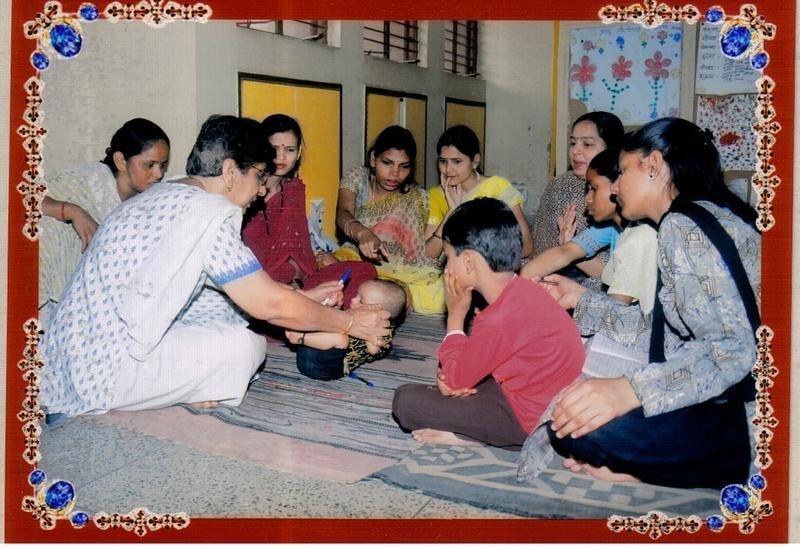
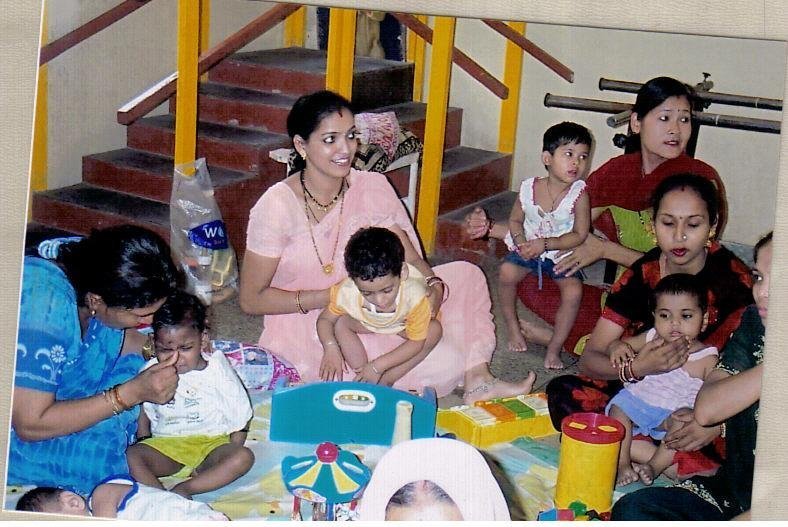
Playgroup has children with in the age group of 2 yrs – 5 yrs. Both disabled and non-disabled children are admitted into an inclusive set up.
Current number of disabled children in the group: 7 Current number of non-disabled children in the group: 8 Each group consists of: 3-4 disabled and 4 non-disabled children.
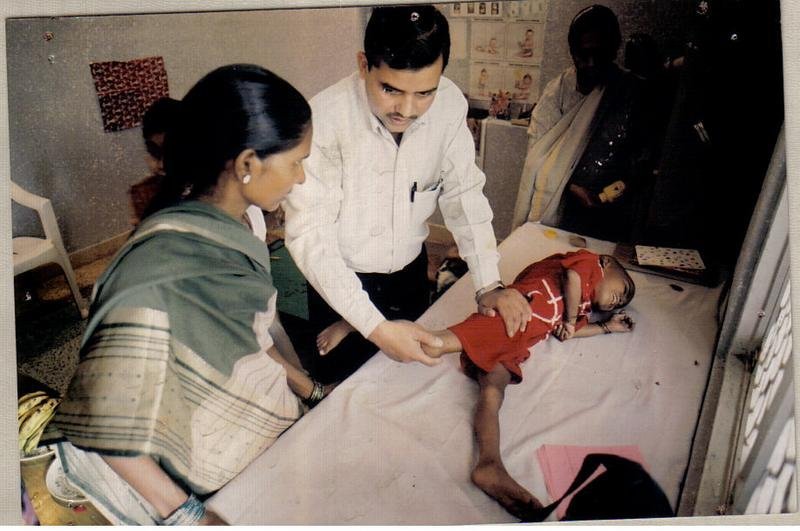
PROCEEDURE. A child with disabilities is first thoroughly examined and diagnosed by a medical professional and then referred to other professionals like the physiotherapist, Occupational Therapist, Speech Therapist and Psychologist etc. According to the needs of the individual child a therapy programme is planned keeping in mind the child’s physical/mental/social development.
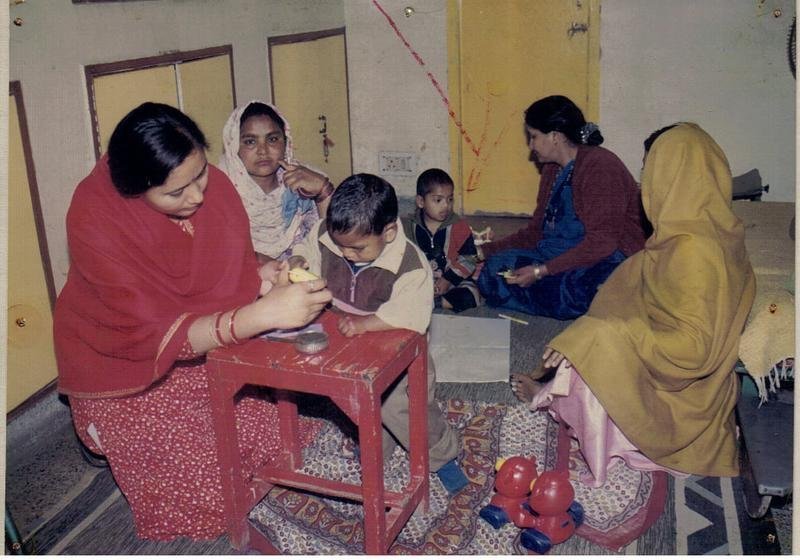
In the classroom: 1. The teachers develop a monthly and yearly programme to be followed in the classroom. 2.The basic concepts are taught first with the help of books, pictures, charts, teaching aids, stories and games. a.If a disabled child has difficulty following these steps then they are taught in a modified method specially designed to suit the child’s learning style. This makes their learning faster and more enjoyable. 3.Weekly and monthly assessment helps the teacher to plan ahead. 4.Various therapeutic activities are also incorporated in the classroom sessions like: a.Activities to improve their hand functions, gross motor and fine motor functions. b.Activities to improve memory, concentration and attention span. c.Self help activities. 5.Parental support and environment in child’s development is of equal importance. Parents, teachers and medical staff work together to form a common goal for the child. 6.In an inclusive set up all children have an advantage to learn from each other. Age appropriate learning with peers is very important for children with disabilities. 7.We encourage child-to-child relationship where all children are encouraged to help one another. 8.Our focus is a child-oriented education, which relates to the daily life situation of the child and how should they deal with life skills.
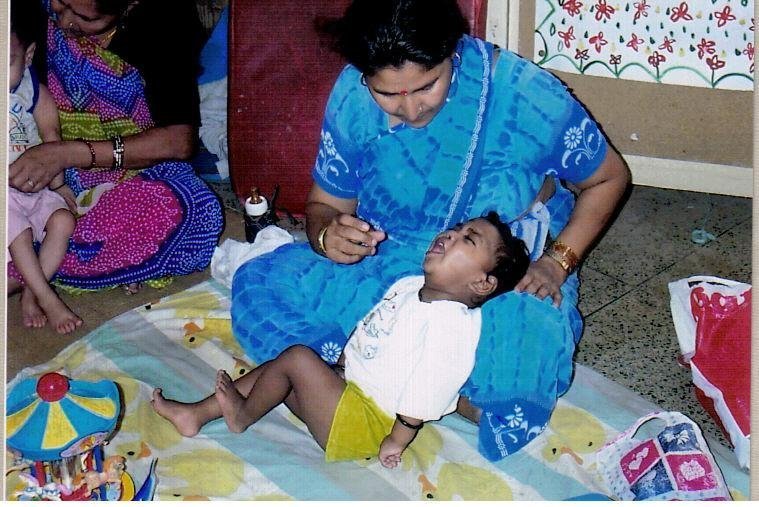
Dipika: From birth to 1.5 years, she had no head control. Sitting and turning over to sides was absent. She was unable to follow objects with eyes. Her one side of the body showed marked muscle weakness. Lifting up arms to reach for objects was also absent. Now at the age of 3 yrs – With the help of continuous early intervention treatment on one to one basis- • She has full neck control • Is able to turn her head to both sides. • Is able to sit for long periods without any support. • She moves both arms and hands to reach for objects in all directions. • She is able to hold objects using palmar grasp and is able to release them voluntarily. • She is learning to walk and climb stairs. • Is learning to place pegs in pegboard. • Is learning to identify pictures from a book. She now enjoys peer group and is ready for play school.
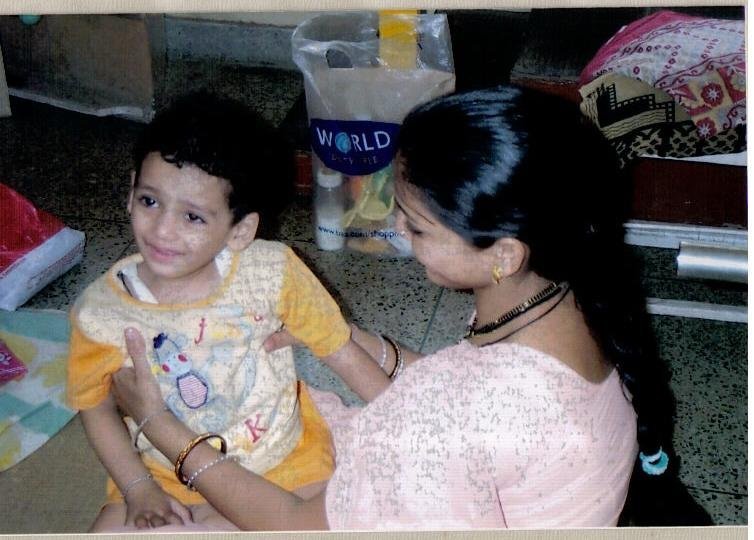
Dimple: Dimple was an extremely shy girl. She had weakness in all four limbs. She would refuse to take part actively in the therapy programme. We involved both mother and child in our OPD treatment programme where we introduced all therapeutic activities slowly and gradually. Dimple was unable to stand or walk. She would also not use her upper extremity for constructive tasks. With gradual therapy she is now able to stand on her own with support. o Walks with support. o Climbs and descends stairs with support o Uses both hands to hold objects voluntarily. o Moves her upper extremity in all the directions voluntarily for meaningful activities. o She now also enjoys the company of other children when she is involved in-group activities.
Project reports on GlobalGiving are posted directly to globalgiving.org by Project Leaders as they are completed, generally every 3-4 months. To protect the integrity of these documents, GlobalGiving does not alter them; therefore you may find some language or formatting issues.
If you donate to this project or have donated to this project, you can receive an email when this project posts a report. You can also subscribe for reports without donating.