By Daniel Jamu | Principal Investigator
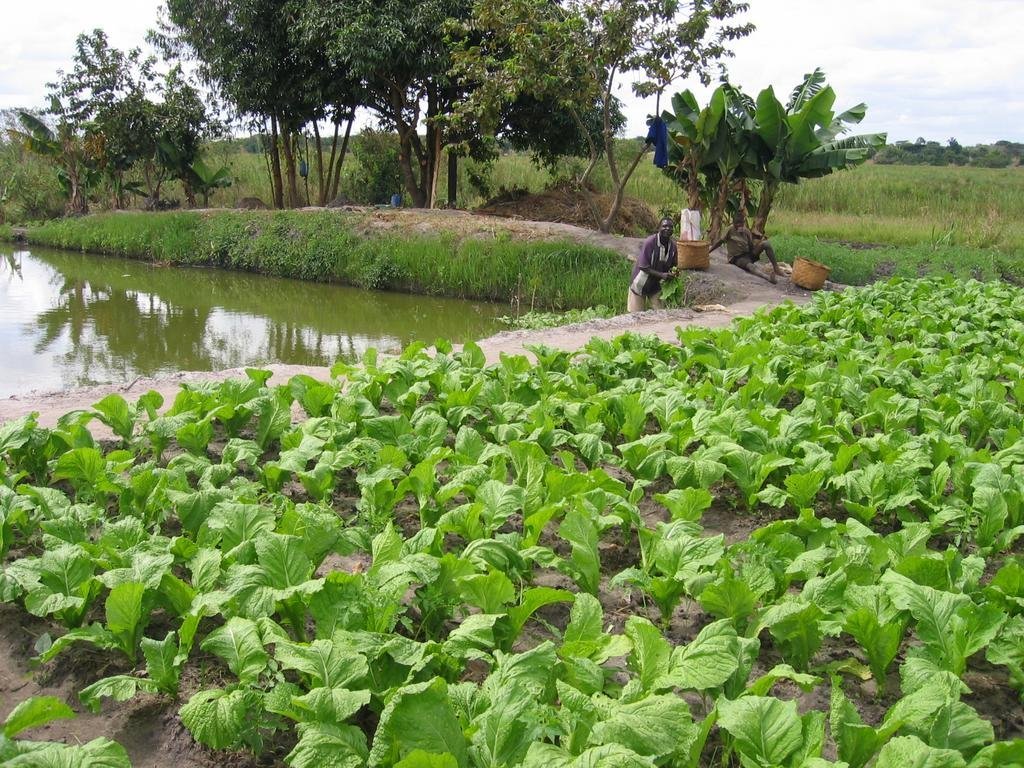
There are currently about 13 million people in Malawi, most of whom are subsistence farmers with less than 1 acre of land to farm. Marginal land use and frequent droughts make food security an issue especially those affected by HIV and AIDS. The project helps HIV/AIDS affected and infected poor families including women and orphaned households to live a better life with nutritious food on the table and money in their pockets through appropriate adoption of Integrated Agriculture-Aquaculture (IAA) technologies.
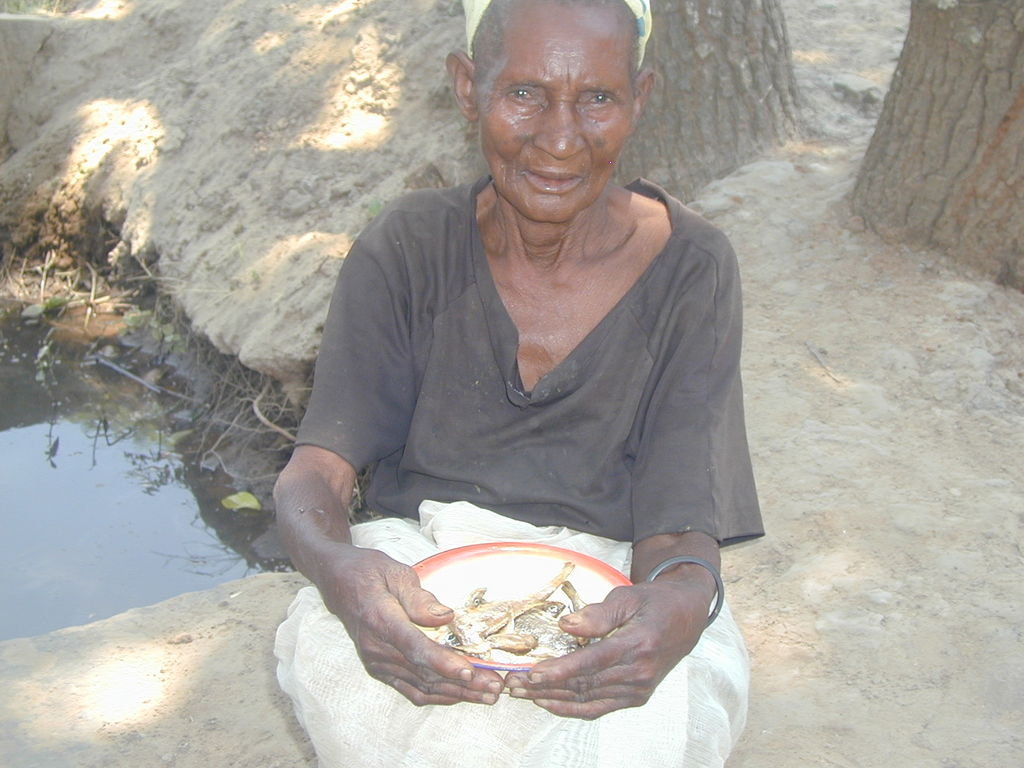
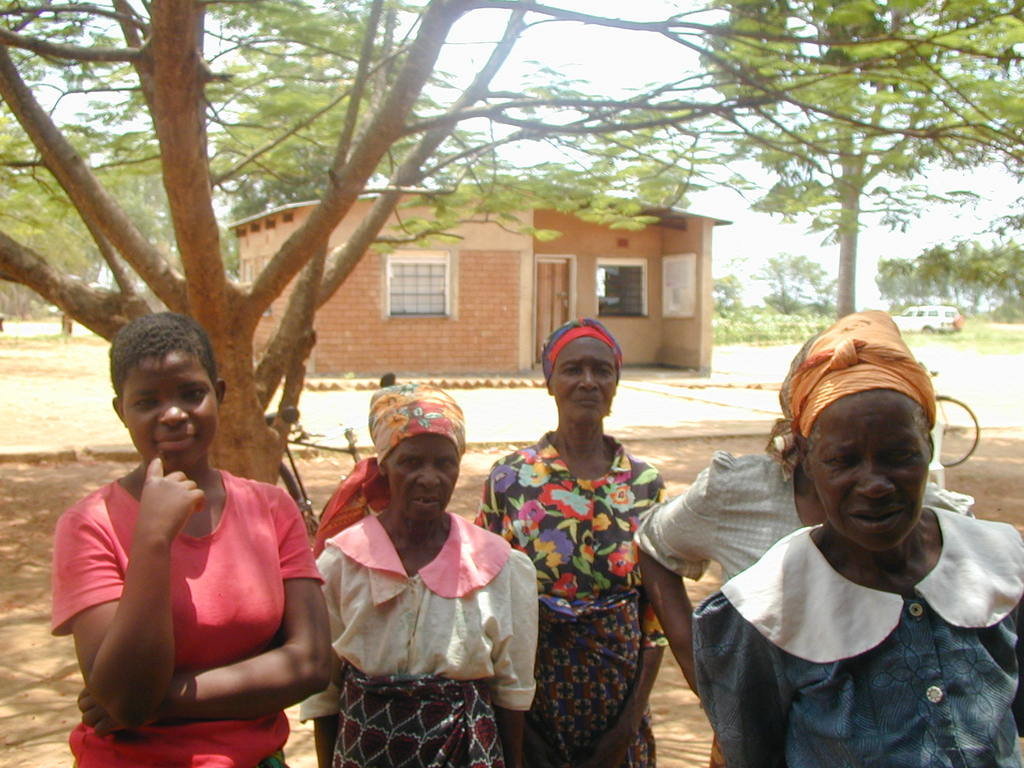
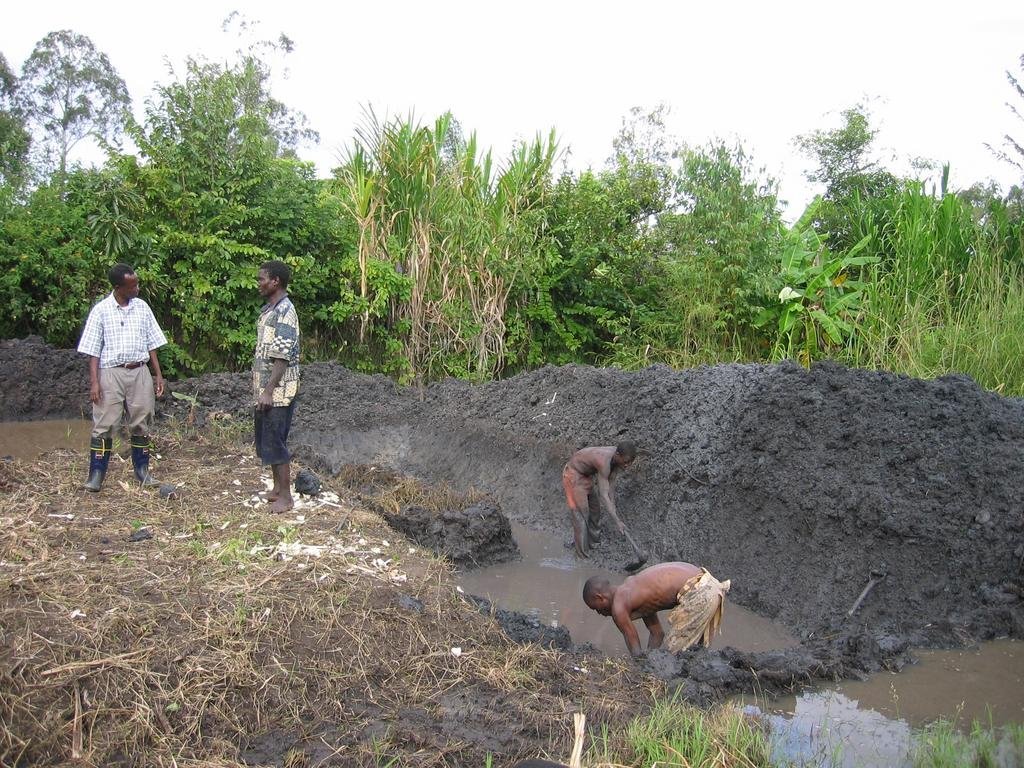
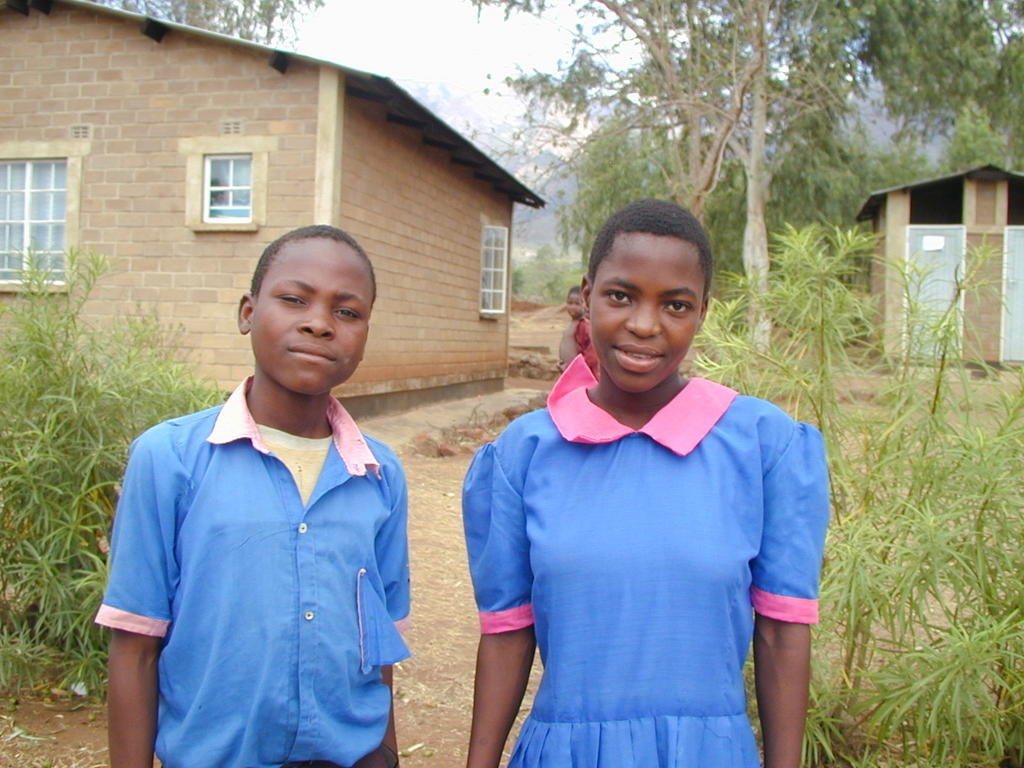
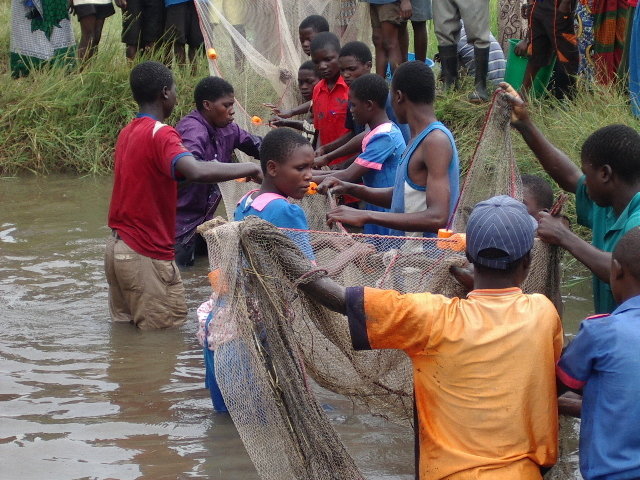
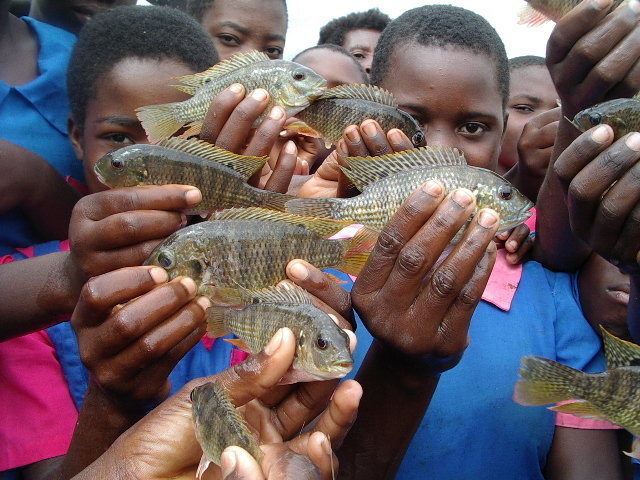
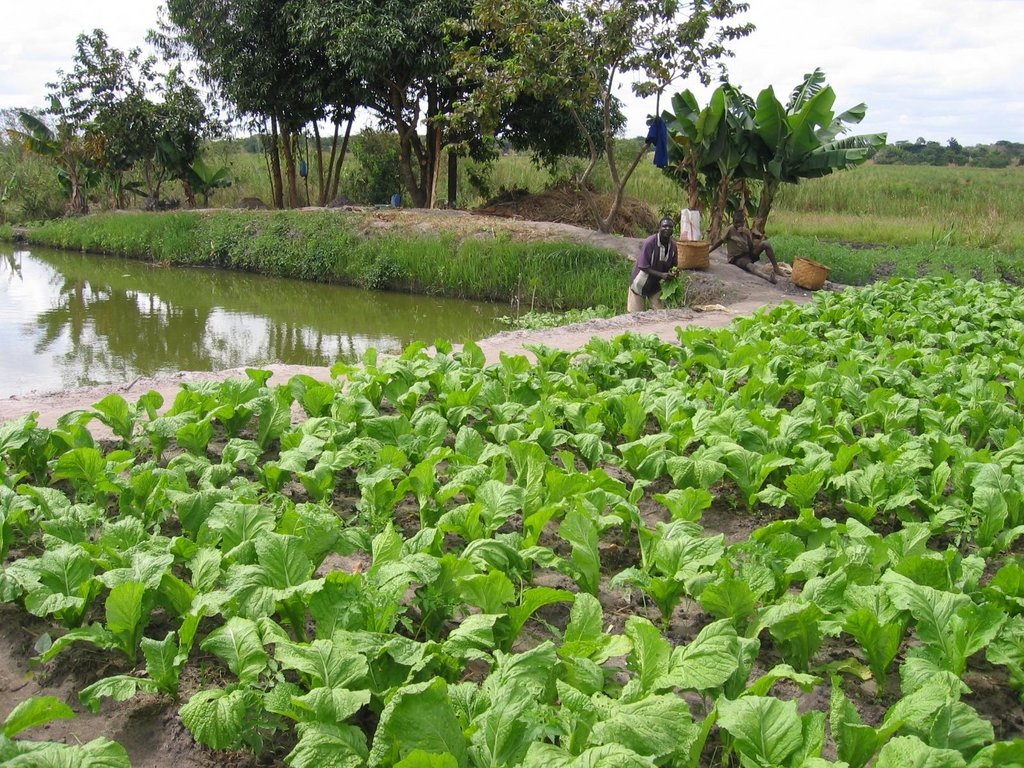
Communities constructed water canals from the Zomba plateau to supply water for fish ponds and crop irrigation. 21 ponds were also constructed stocked with fish for elderly women who shoulder the brunt of caring for the orphaned children in the event of the death of active young mothers and fathers. Positive impacts of introducing ponds to schools are also manifested through leadership of young pupils to manage the ponds and improvements in lesson attendance. Mr Manyetsa, a school agriculture teacher, believes the financial contribution is building capacity in the development of Malawi apart from mitigating the impacts of HIV and AID.
Local leaders and school heads have expressed satisfaction on the remarkable contribution to food security and incomes especially on vulnerable households that were very helpless before this funding.
Please let us know what you think of this update by providing feedback on our comments section.
Project reports on GlobalGiving are posted directly to globalgiving.org by Project Leaders as they are completed, generally every 3-4 months. To protect the integrity of these documents, GlobalGiving does not alter them; therefore you may find some language or formatting issues.
If you donate to this project or have donated to this project, you can receive an email when this project posts a report. You can also subscribe for reports without donating.