Project Report
| Dec 24, 2009
Fish to feed HIV affected families in Malawi
By Joseph Nagoli | Senior Research Analyst
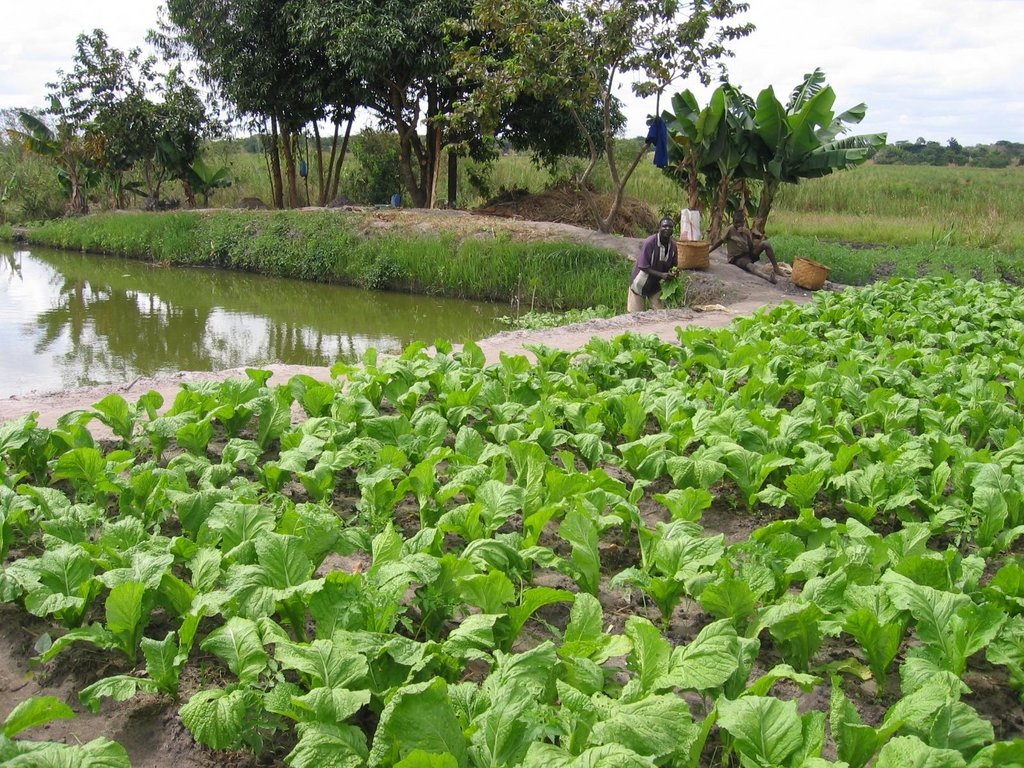
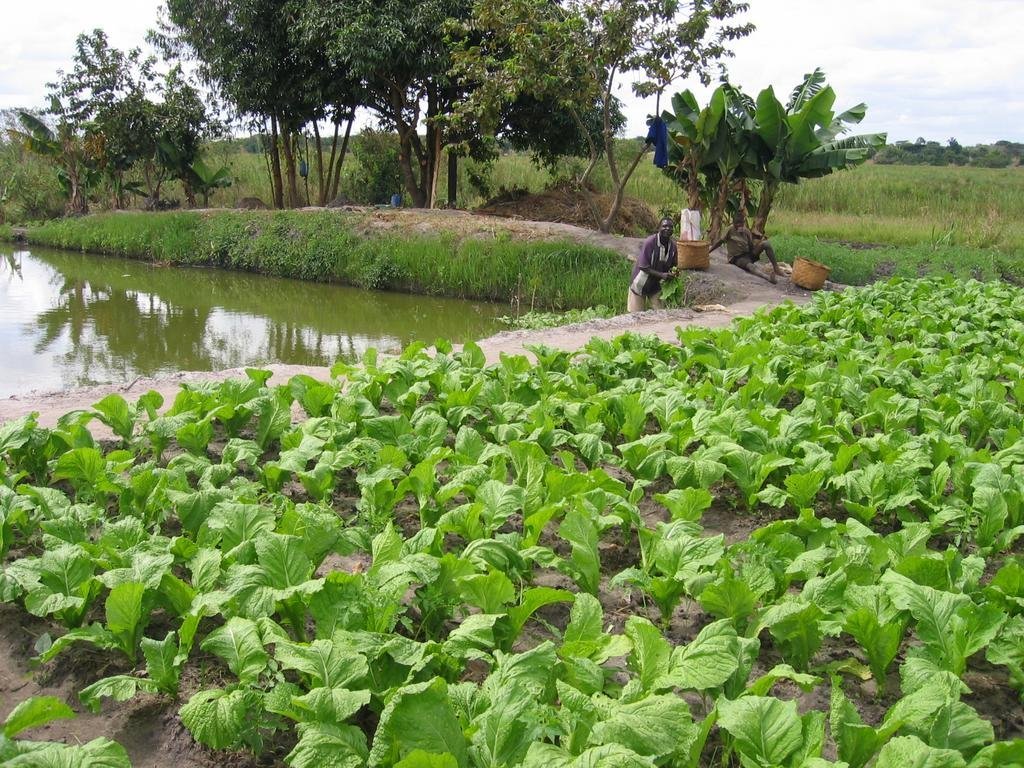
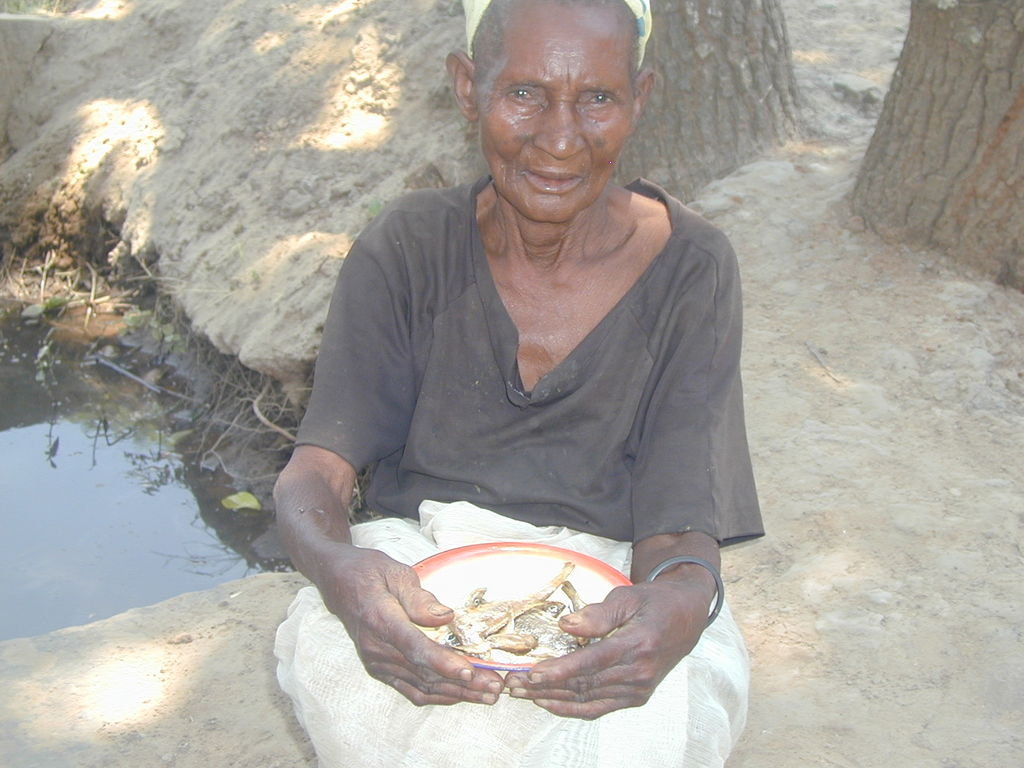
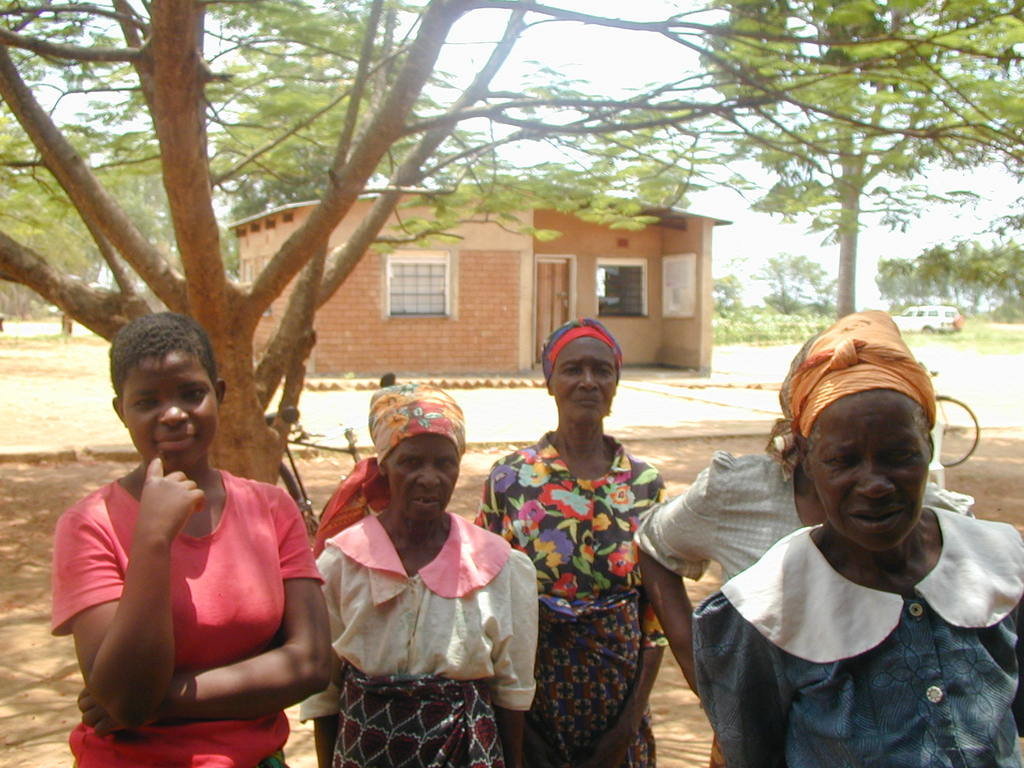
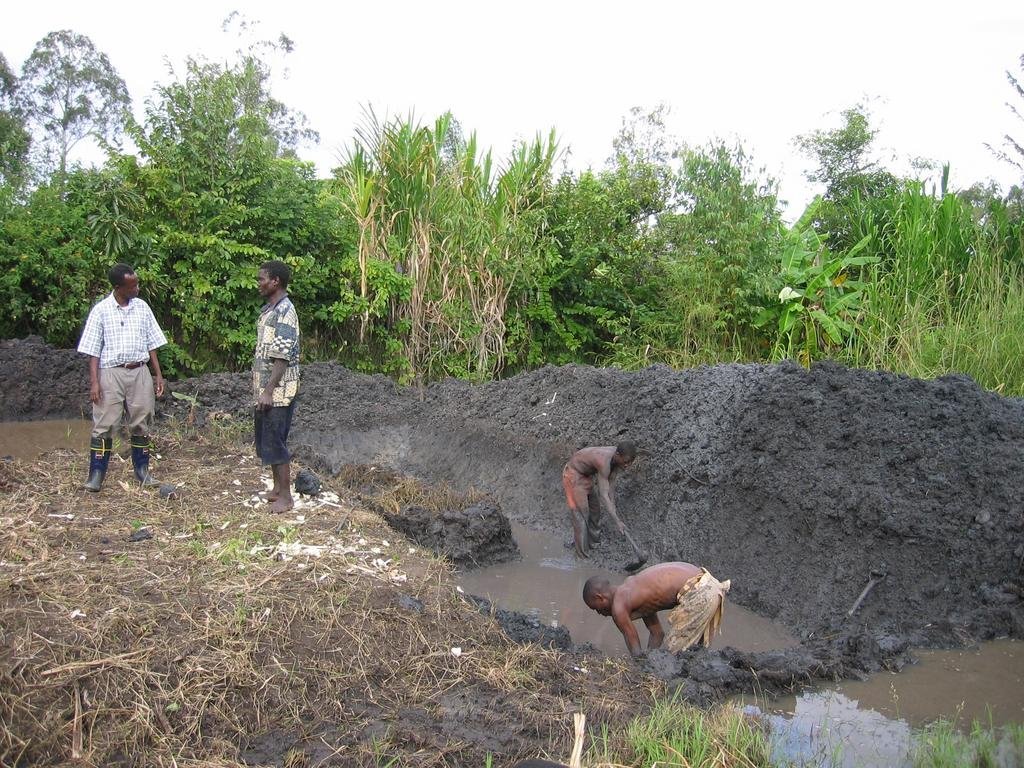
This update provides successes of the project in alleviating lives of widows based on two case studies of Enelesi Jonasi and Asiyatu Kiri, a young and elderly widow respectively. In the center of food insecurity and economic hardships, widows are suffering from the impact of HIV/AIDS and poverty. In sub-Saharan Africa women take the brunt of caring for the family even in the presence of husbands. In the context of HIV and AIDS, women’s lack of ownership and control over economic assets such as housing and land often leave them impoverished. This is especially true in communities where AIDS-related stigma is high and widows can become socially isolated. Women who own or otherwise control economic assets are better able to prevail over such crises and transitions. With about $300 which you contributed, the project constructed an earthen pond each to Enelesi and Asiyatu of about 250m2, and bought 750 baby fish that were stocked in the ponds. The two ponds plus other agricultural activities linked to the ponds have improved the living standards of Enelesi and Asiyatu tremendously. Without your support, these people would’ve remained destitute.
Attachments:
![Share on Twitter]()
![Share on Facebook]()
Aug 10, 2009
Reaping the fruits of hard work in primary schools
By Daniel Jamu | Senior Scientist - WorldFish
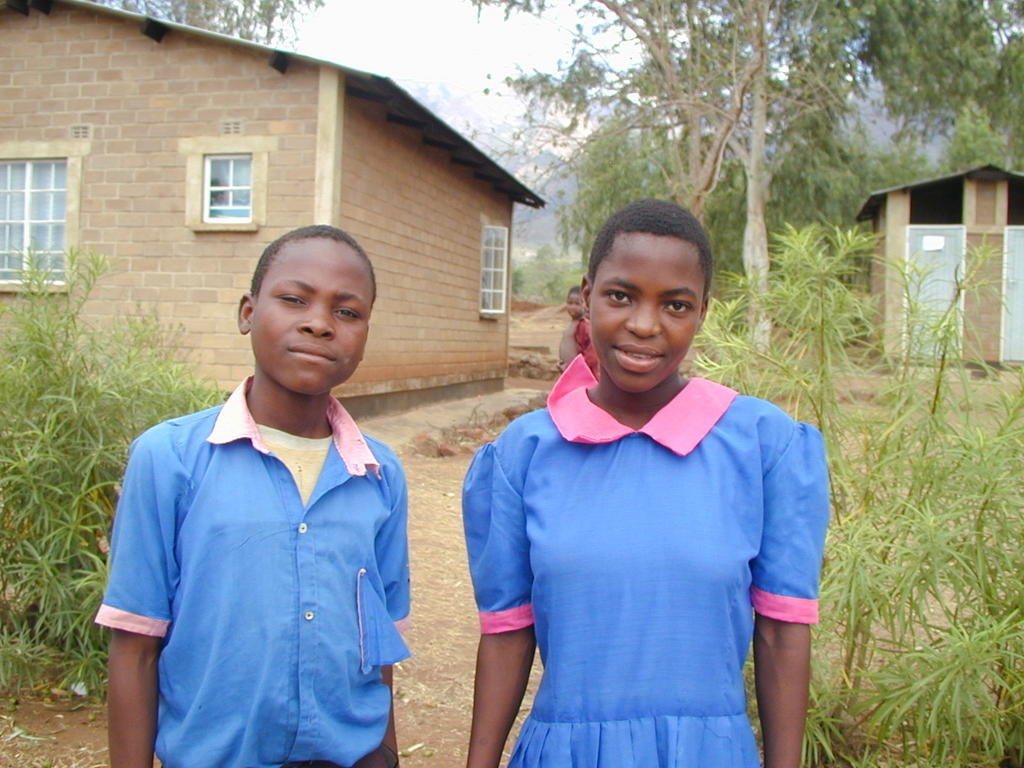
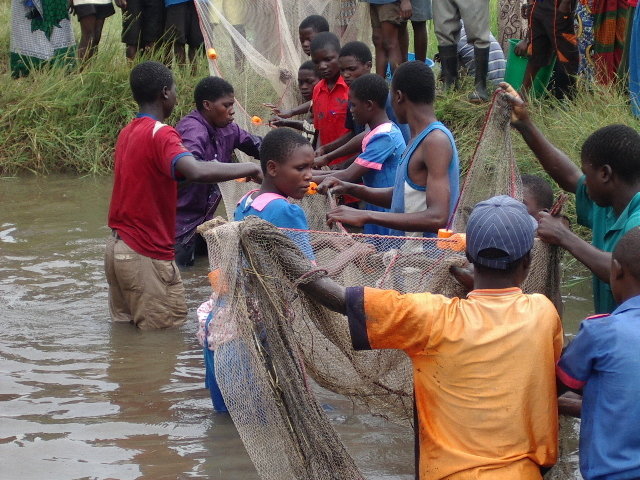
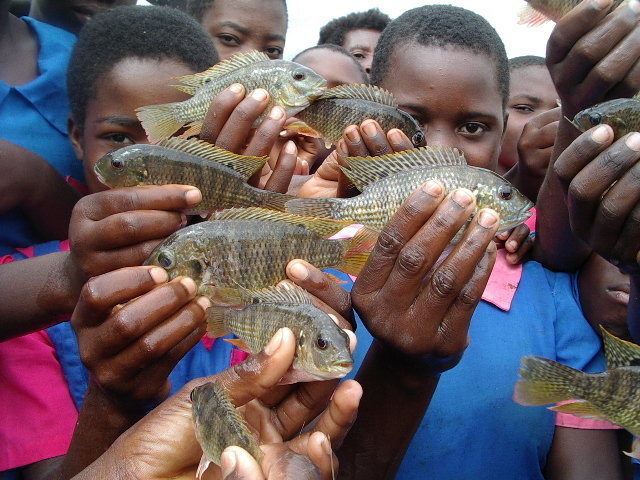
There was joy and laughter as pupils of Ntanangala primary school in Chingale, Zomba tasted the first harvest of fish from their ponds. Harvesting about 85 kilograms of big fish they also sold baby fish for stocking in new ponds for about $107. With this money the pupils ahve repaired five doors of the school that were in ba state.
The school committee and school management are so proud that children can be so responsible.They thank all contributors for the project which not only can it reduce manutrition but also engage school children in life skills.
Attachments:
![Share on Twitter]()
![Share on Facebook]()
Feb 11, 2009
Fish to feed HIV affected families in Malawi
By Daniel Jamu | Principal Investigator
There are currently about 13 million people in Malawi, most of whom are subsistence farmers with less than 1 acre of land to farm. Marginal land use and frequent droughts make food security an issue especially those affected by HIV and AIDS. The project helps HIV/AIDS affected and infected poor families including women and orphaned households to live a better life with nutritious food on the table and money in their pockets through appropriate adoption of Integrated Agriculture-Aquaculture (IAA) technologies.
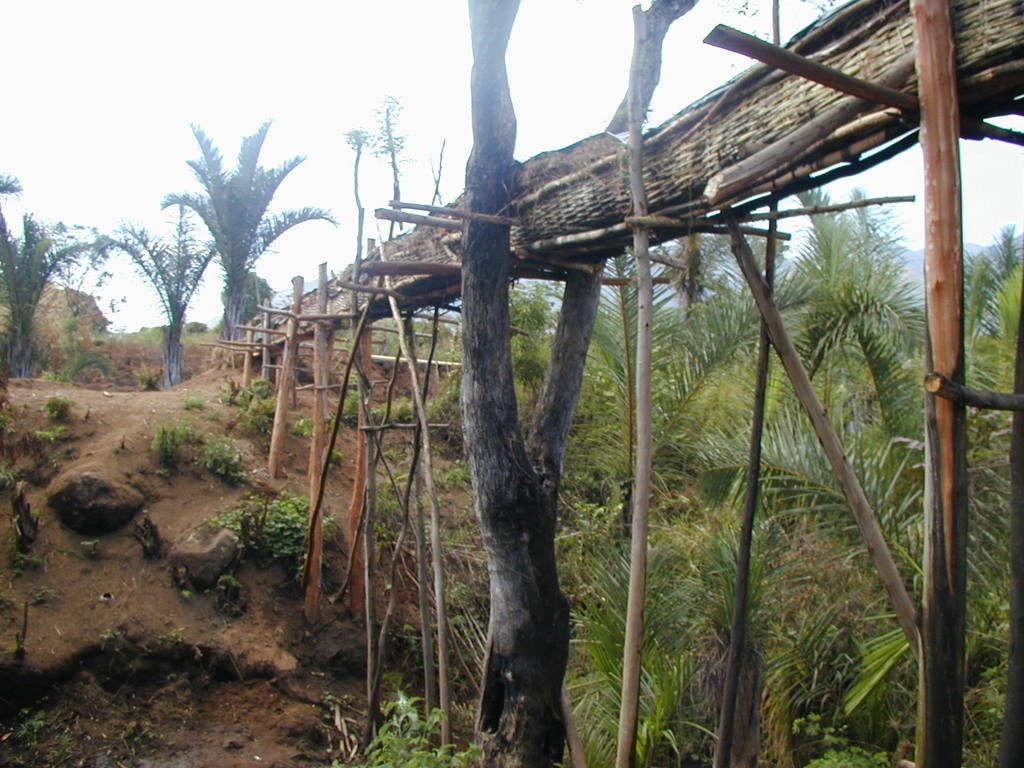
Communities constructed water canals from the Zomba plateau to supply water for fish ponds and crop irrigation. 21 ponds were also constructed stocked with fish for elderly women who shoulder the brunt of caring for the orphaned children in the event of the death of active young mothers and fathers. Positive impacts of introducing ponds to schools are also manifested through leadership of young pupils to manage the ponds and improvements in lesson attendance. Mr Manyetsa, a school agriculture teacher, believes the financial contribution is building capacity in the development of Malawi apart from mitigating the impacts of HIV and AID.
Local leaders and school heads have expressed satisfaction on the remarkable contribution to food security and incomes especially on vulnerable households that were very helpless before this funding.
Please let us know what you think of this update by providing feedback on our comments section.
Attachments:
![Share on Twitter]()
![Share on Facebook]()