By Syed Khalid Mahmood | Administrator
CURRENT PROGRESS OF THE PROJECT
January, 2017 to March, 2017
Health, including visual health, is inextricably linked to school achievement, quality of life, and economic productivity. Introducing health education in schools is essential as knowledge and good habits acquired at an early age are likely to persist. Globally, 19 million children are living with vision impairment and approximately 12 million children have a significant, uncorrected refractive error. Of particular concern is the rapid increase in myopia, particularly in Asia, where 78% of children in Pakistan are affected.
School eye health programmes, when integrated into broader school health education and backed up by eye and child health services, can reach a large number of children and their families. School eye health can encompass the following:
Activities may include:
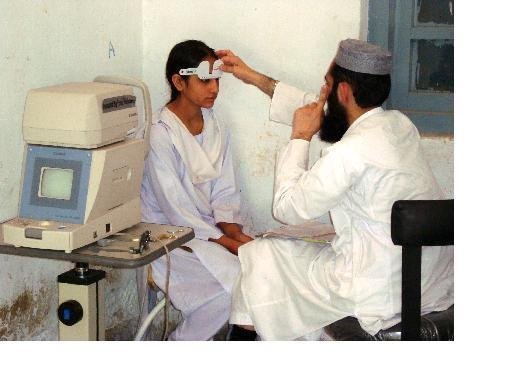
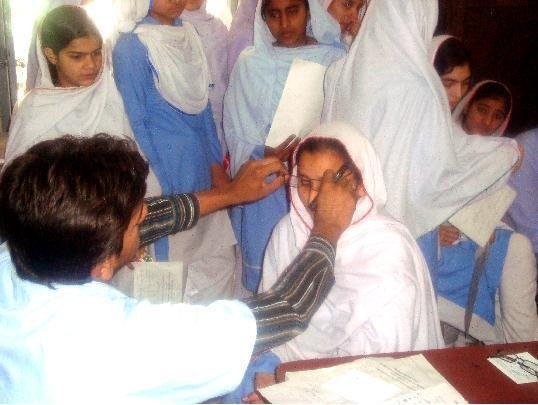
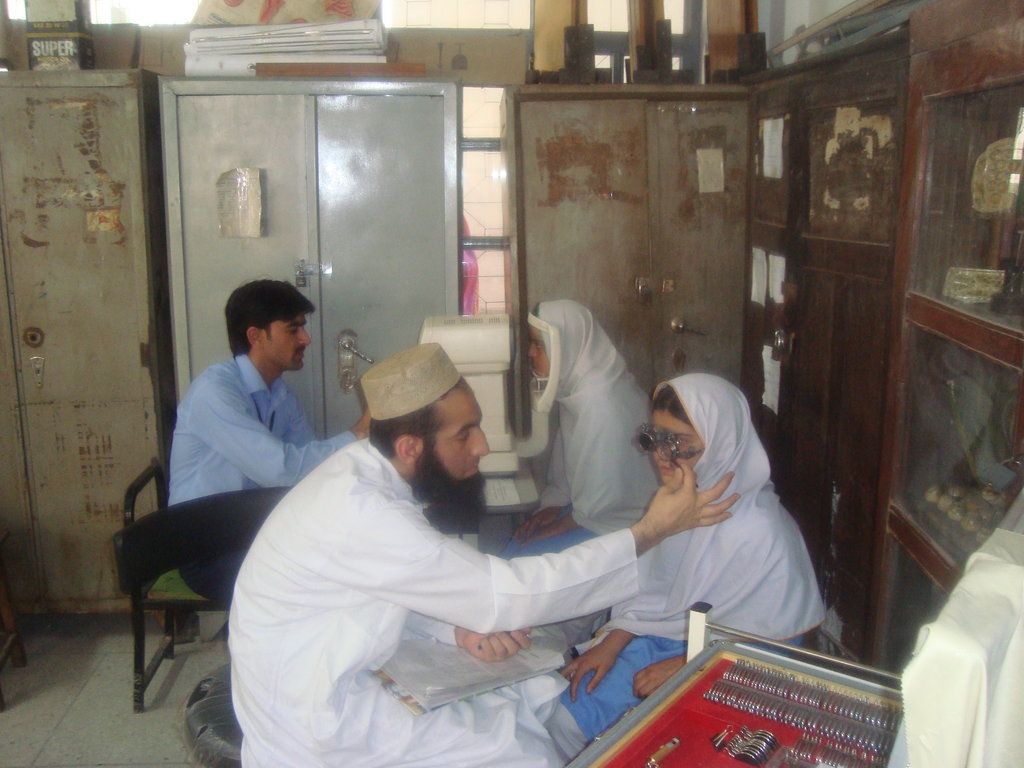
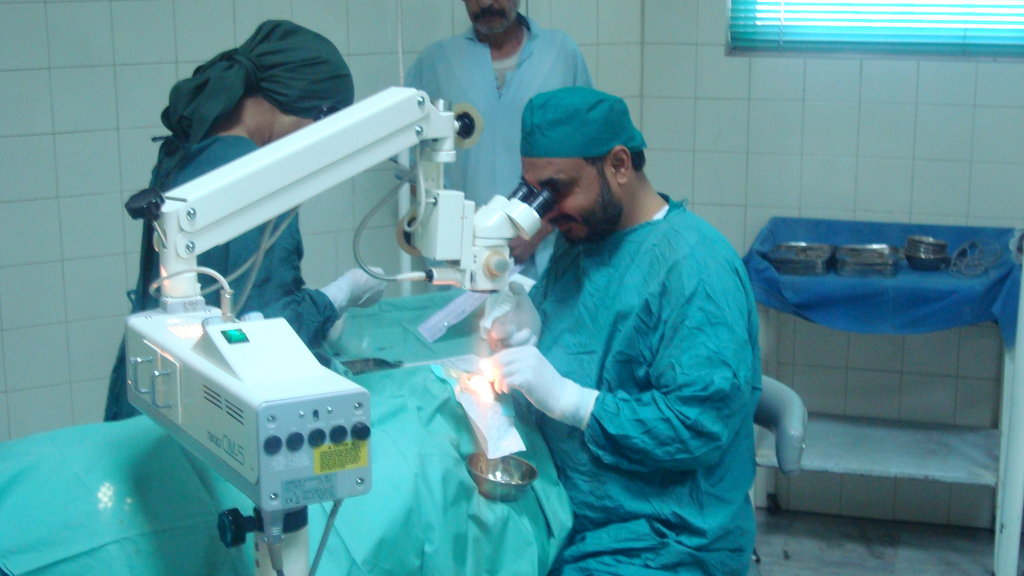
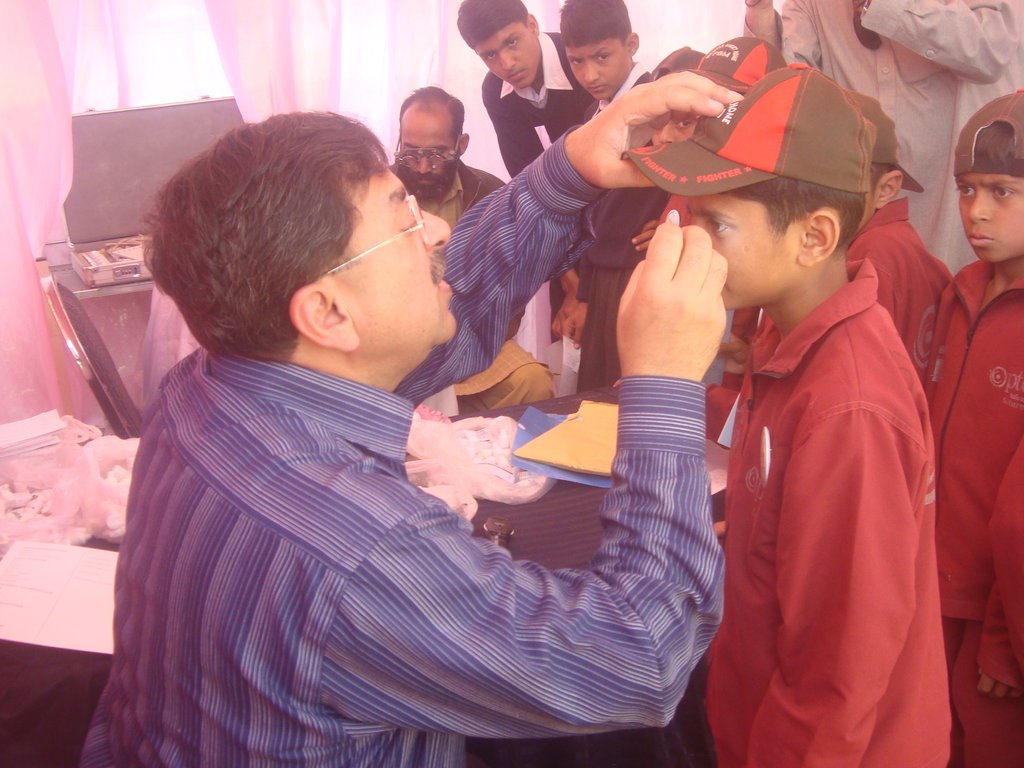
Children should be offered general vision screening when they enter and leave primary school, and when they leave secondary school/high school. Any child with visible eye conditions (squint, white pupil, red eyes) and associated symptoms (abnormal head/face turn, inability to copy from the blackboard, complaints of chronic headaches), should also be screened and provided with, or referred to, the appropriate services. The ideal is to conduct eye health screening for children and teachers in school, and refer those who need further management to the eye unit for examination, refraction and dispensing of spectacles. Another option is to screen and refract the children in the school and allow them to choose a frame they like. The local eye unit can cut lenses, fit them and deliver the spectacles to the school. Factors that contribute to a successful school eye health programme include:
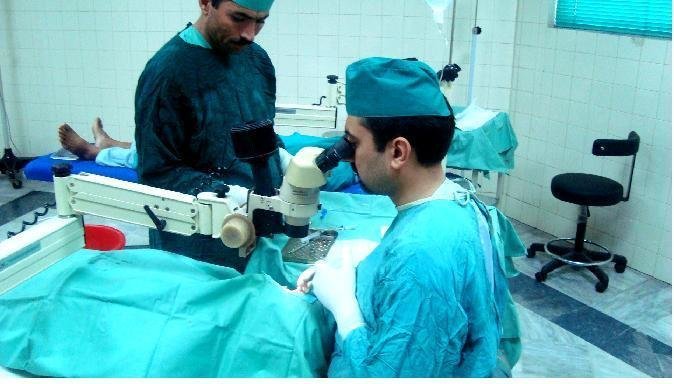
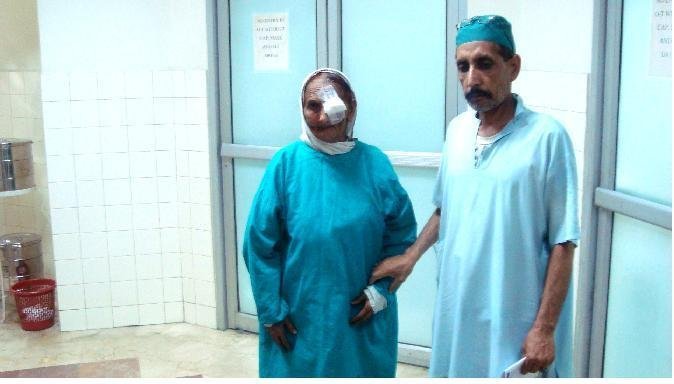
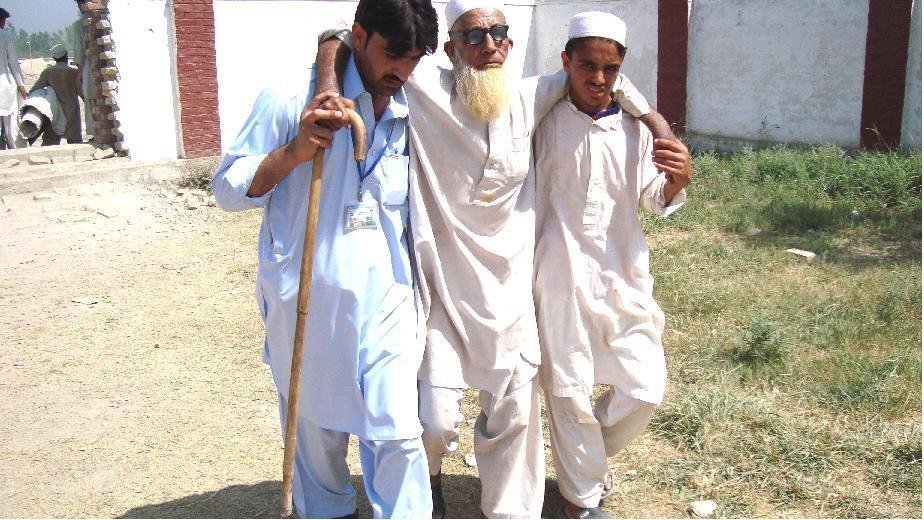
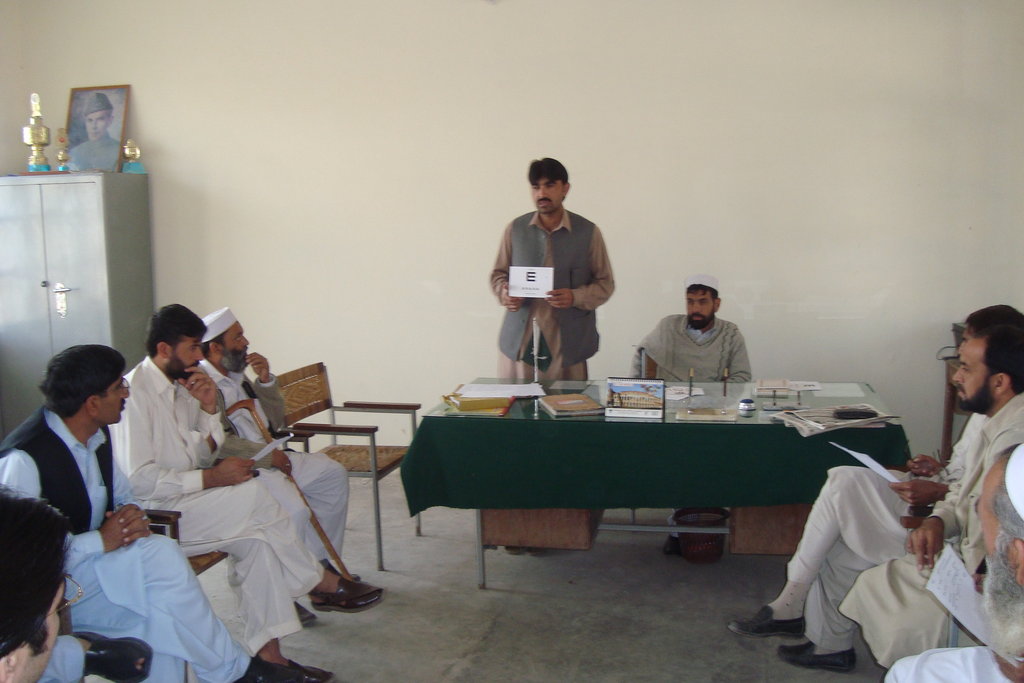
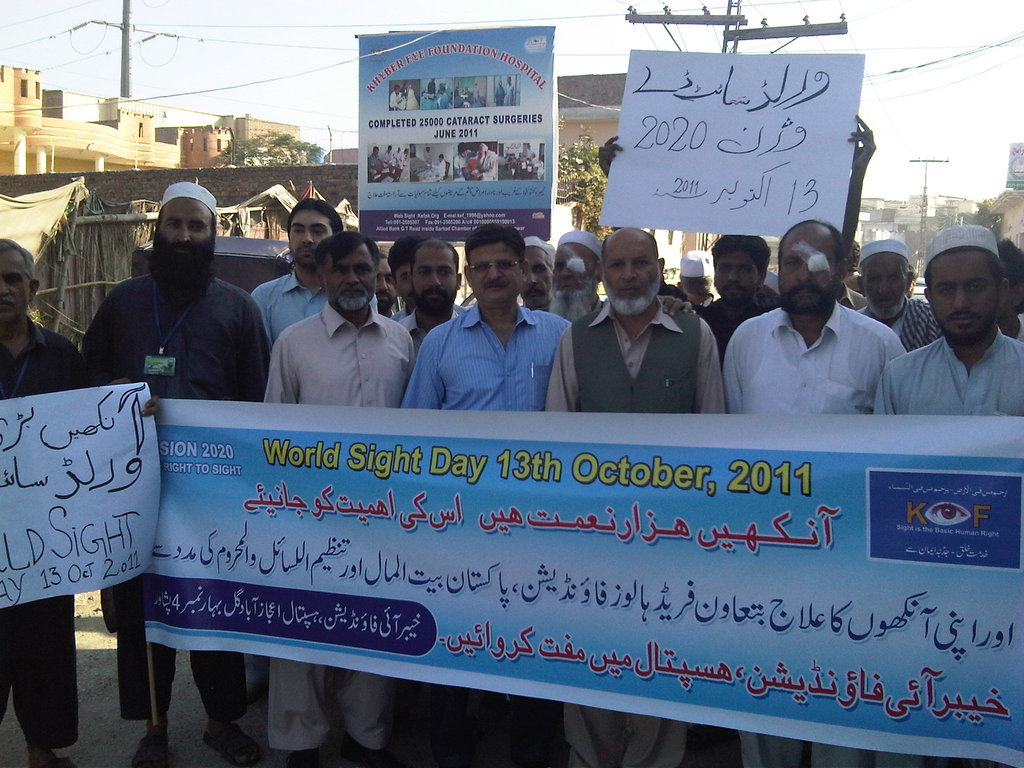
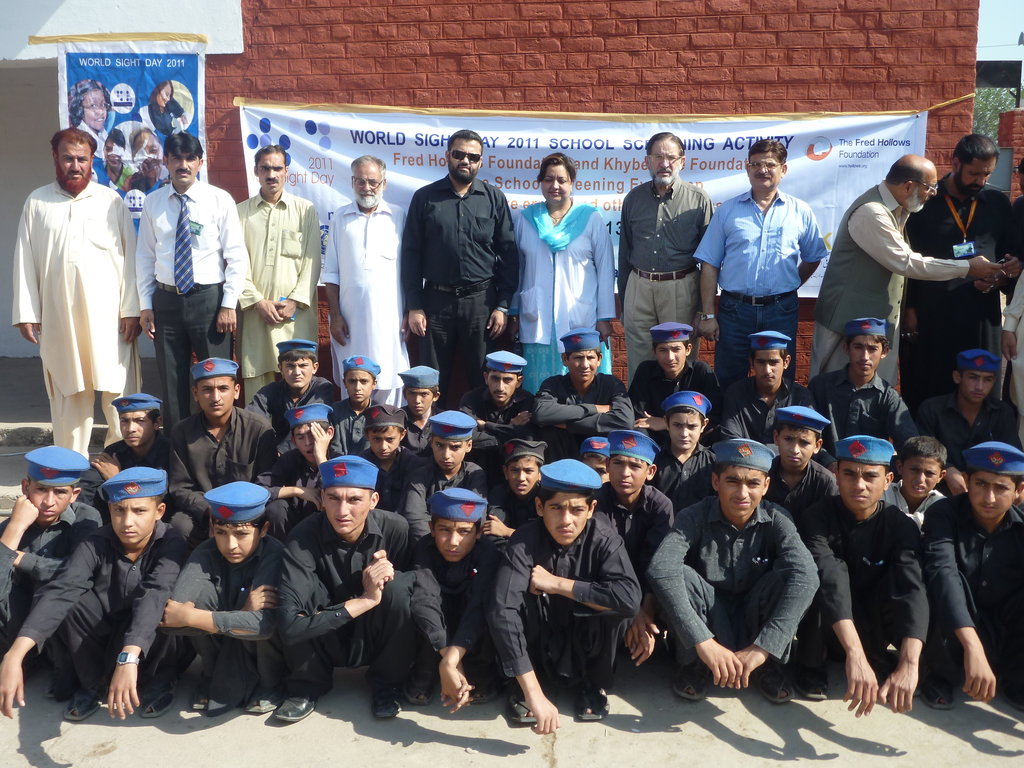
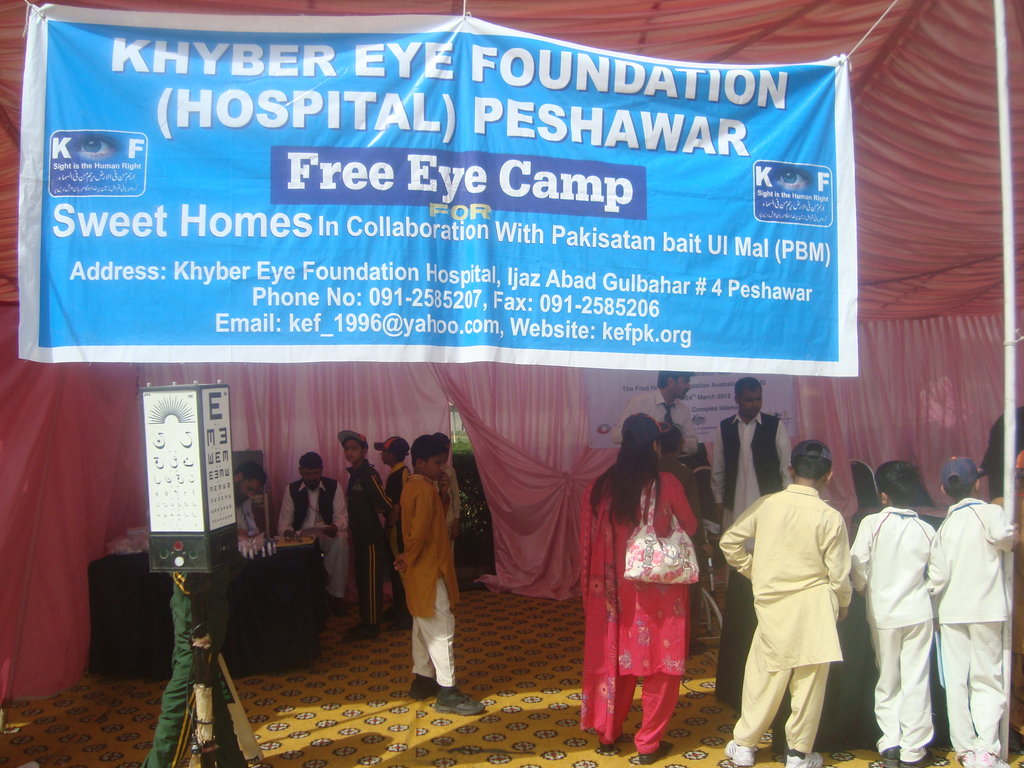
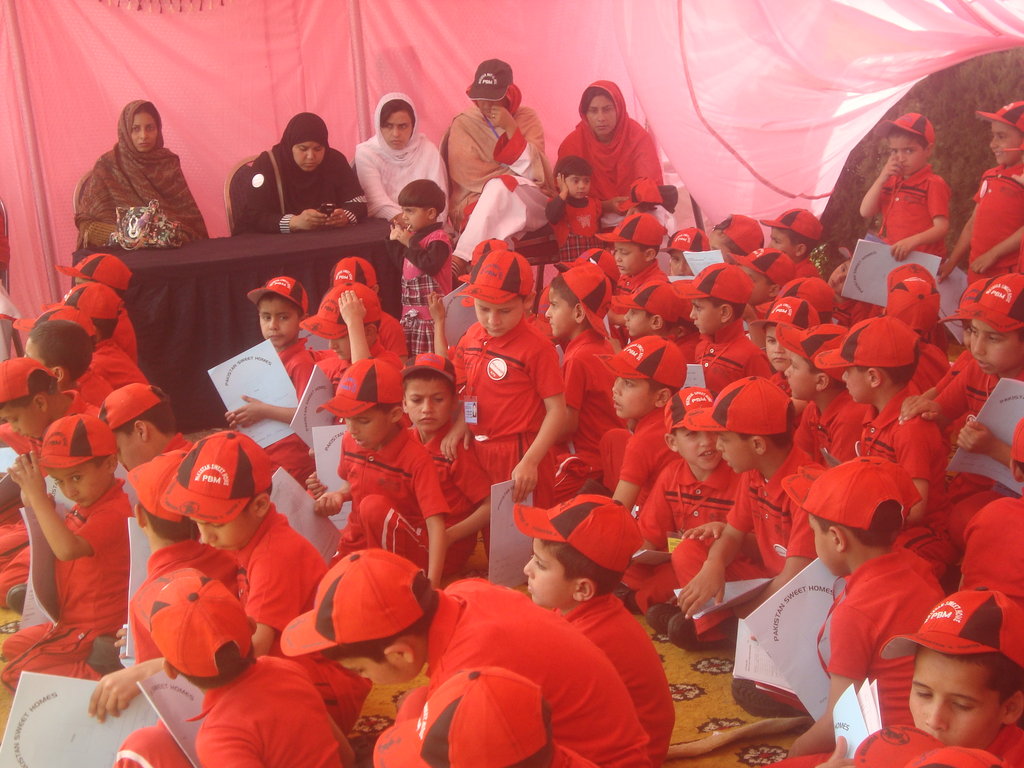
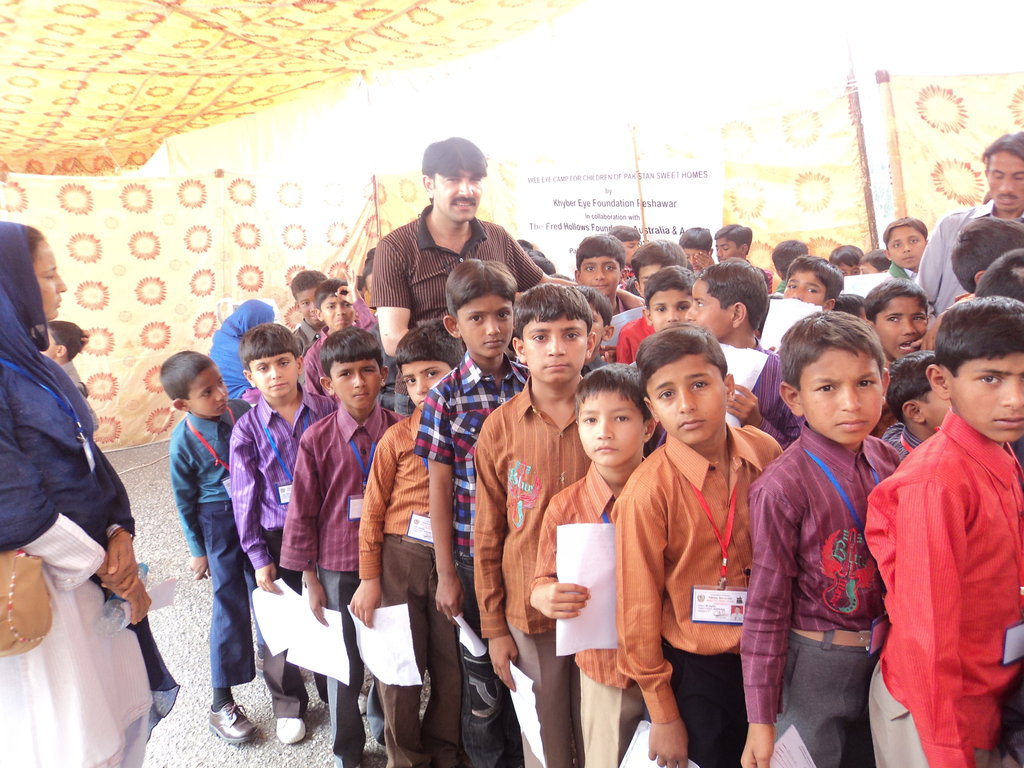
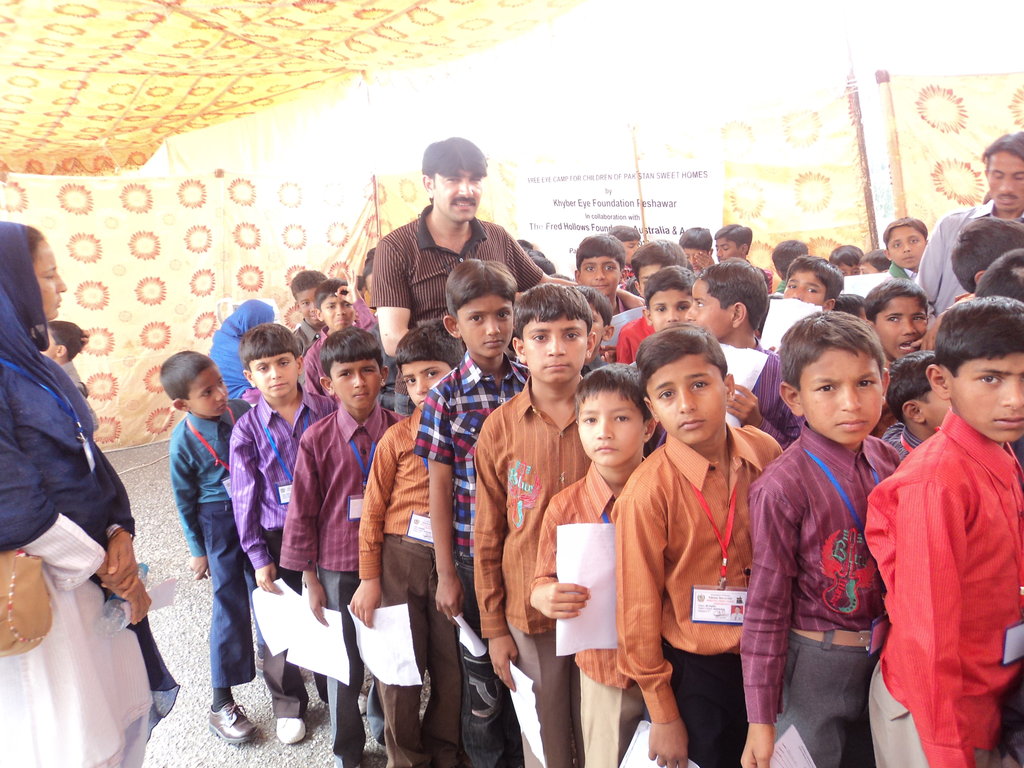
Khyber Eye Foundation making its concerted effort to ensure that maximum students are screened for refractive error and are issued with glasses, so that the future of these children is secured. The project team also visited religious institutions to find out refractive error in all those children who recite Holy Quran by heart. The team during the period visited 33 schools and screened 1355 students, 279 teacher were trained to carry out vision of each student, and out off 1311 students 909 students were diagnosed as refractive error and were issued spectacles free of cost worth of 911$
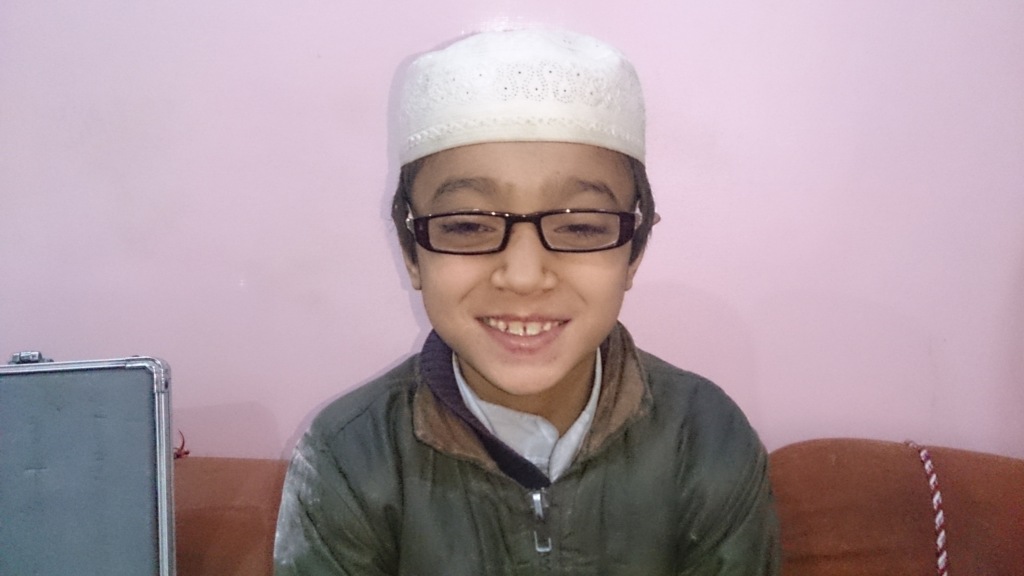
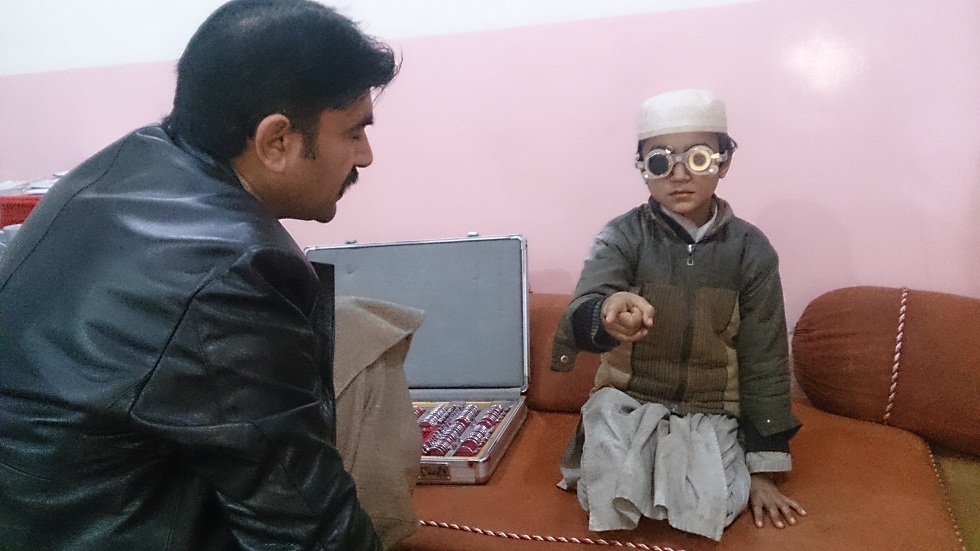
Story of a young boy who had refractive error and how his life changed after he was issued spectacles by the project team.
Abdullah is a student of religious school and getting education on religious as well as school education. He lives in a small village of nowshera and belongs to very poor family. His father is farmer and supporting 8 of his family members. The School eye health program team visited to religious school and received vision testing form from teacher in which there was a name of Abdullah, when asked from him as to how he reads Holy Quran, he replied he couldn’t see properly, he also told that he never goes out to play because of his weak vision. Before this, he never went anywhere for his eye check up because his father couldn’t afford to take him to doctor for his eye checkup. Optometrist in a team did Abdullah’s refraction, before refraction his vision was 6/60 in both eyes. After refraction his vision becomes 6/6 in both eyes. He became really excited for his clear vision and was thankful to the team. Now he can read very comfortably and became a bright student.
Khyber Eye Foundation is very thankful to his donors for donating and request to donate maximum so that the future of poor school going children is secured.
Raised $ 4217
Remaining $ 45283
Project reports on GlobalGiving are posted directly to globalgiving.org by Project Leaders as they are completed, generally every 3-4 months. To protect the integrity of these documents, GlobalGiving does not alter them; therefore you may find some language or formatting issues.
If you donate to this project or have donated to this project, you can receive an email when this project posts a report. You can also subscribe for reports without donating.