By Syed Khalid Mahmood | Administrator
CURRENT PROGRESS OF THE PROJECT
July , 2018 to September, 2018
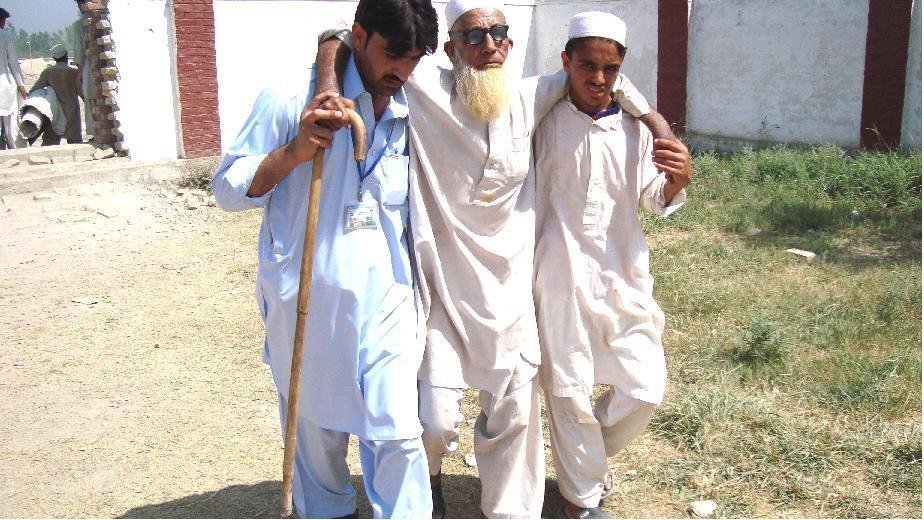
A majority of the world’s blind live in developing countries. Malnutrition, inadequate health, education services, poor water quality and a lack of sanitation can all contribute to various eye diseases and become vulnerable to unavoidable blindness.
The impact of restoring sight goes beyond treating blindness. Alleviating blindness is an effective way of easing poverty in the developing world. If more people in a nation can see, more people can go to school, work, raise children, or start businesses. Ending avoidable blindness improves the economy, equality, skills and development of a country, while reducing its financial and social burden.
Trachoma is a painful eye inflammation usually associated with poverty and it can lead to permanent blindness. Women are more likely to stay at home to care for the kids, so are more than twice as likely as men to be repeatedly infected.
Women are less able to get treatment due to gender imbalance in many communities, men control the family finances and their medical needs are prioritised. It can also be harder for women to travel because of family responsibilities or for cultural reasons.
Women and girls have to care for blind relatives blindness doesn't just affect those who have lost their sight. Girls often have to leave school to care for their relatives who have gone blind. When girls miss out on education, their longer-term future is impacted: they often become stuck in poverty as adults themselves – and so do their children.
The discrimination starts early in many places, the gap between rates of blindness in girls compared to boys is even higher than the gap between women and men. If girls are blind, it's almost impossible for them to go to school and earn a living when they're older. This further perpetuates the cycle of poverty as well as the financial and social burden on a country.
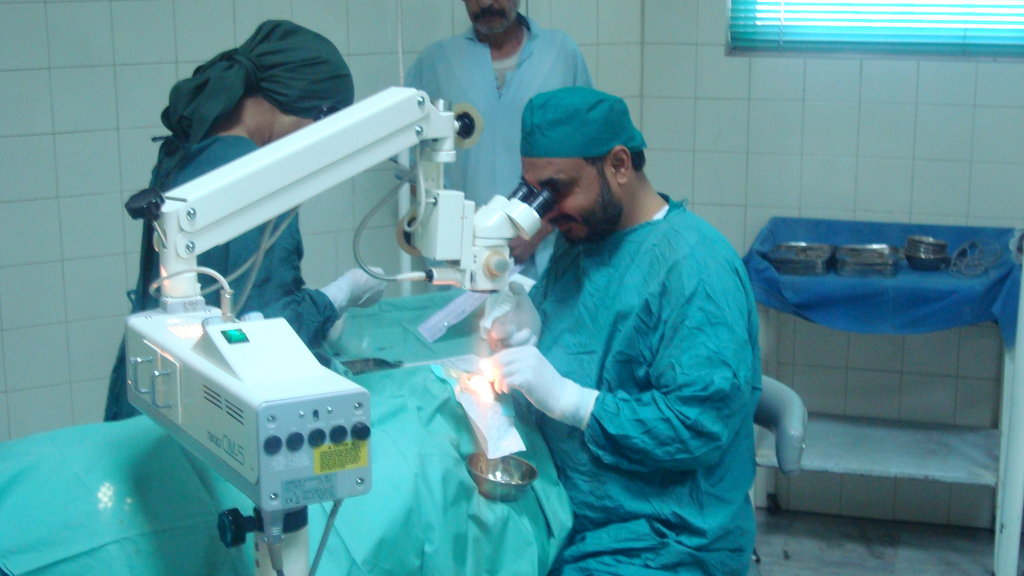
The common eye diseases that affect children or cause vision loss often depend on the development status of a country. In developing countries, blindness is caused by a number of things: corneal scarring from measles, Vitamin A deficiency, retinopathy of prematurity, trachoma and cataract.
Early intervention for diseases like cataract and trachoma is critical to correct vision loss in children. But even if the structure and function of the eye are restored to near normal through appropriate glasses or surgery, the capacity to see can’t always be restored. This is because with a child whose brain development has almost been completed (usually by 10 years of age) but who has poor vision, the lack of normal visual stimulation limits the brain’s ability to ever process visual stimuli. To combat the devastating effects of vision loss in children, early detection and appropriate specialist care is essential.
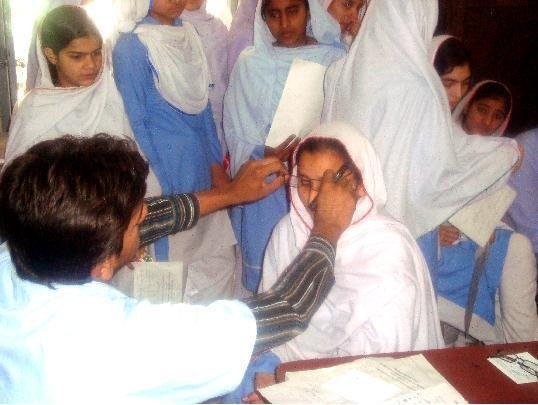
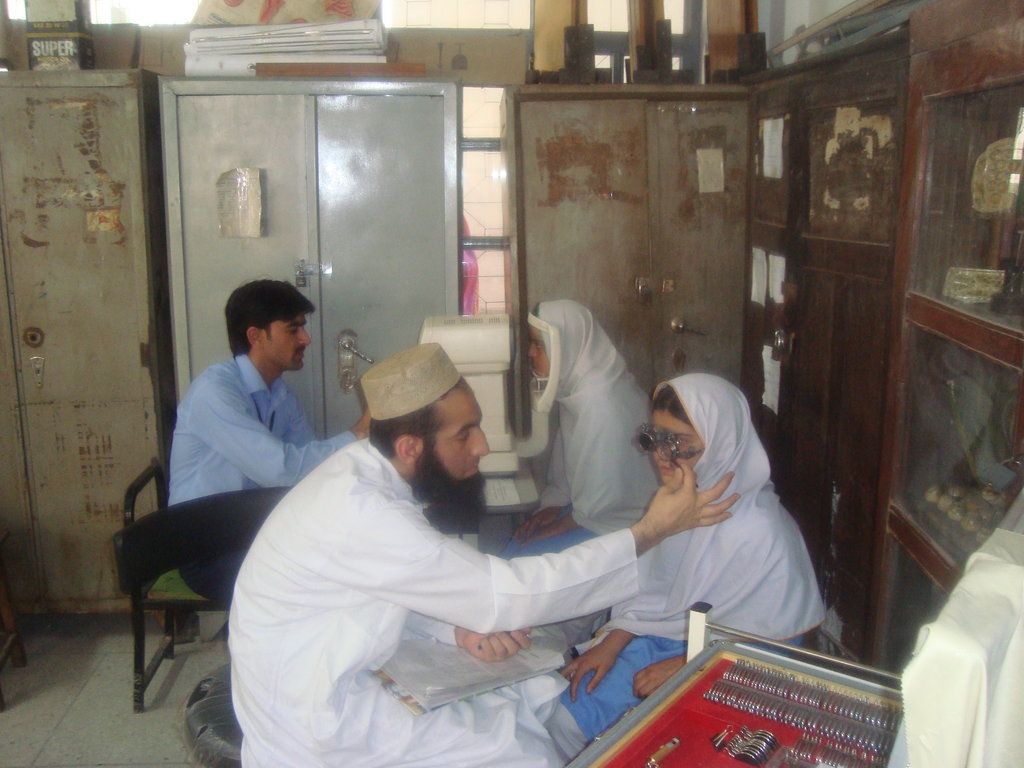
Refractive error is the main cause of less vision specially in children. 60% of school going children are unaware that they have refractive error and couldn’t visit doctor being poverty. So there is a dire need that dedicated team should visit various schools and find out refractive error with a view to secure their future
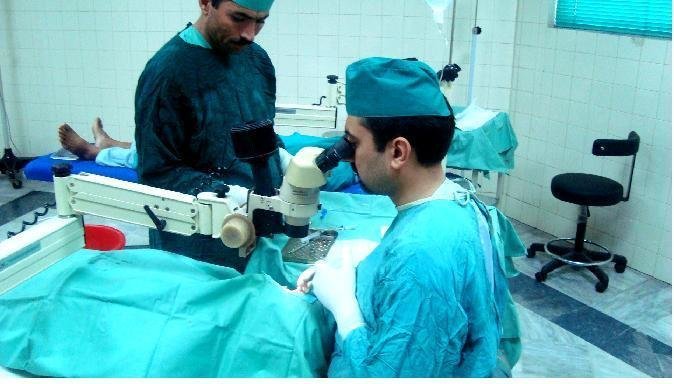
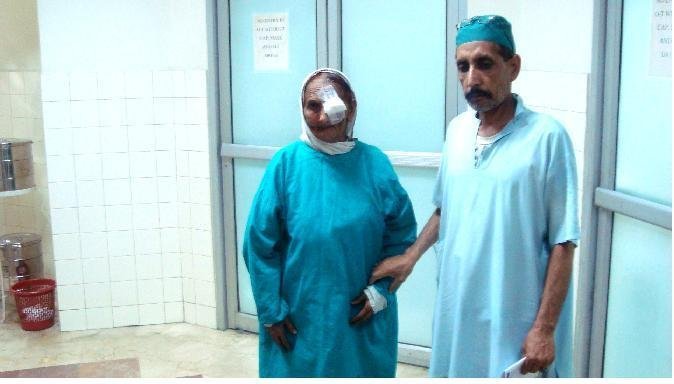
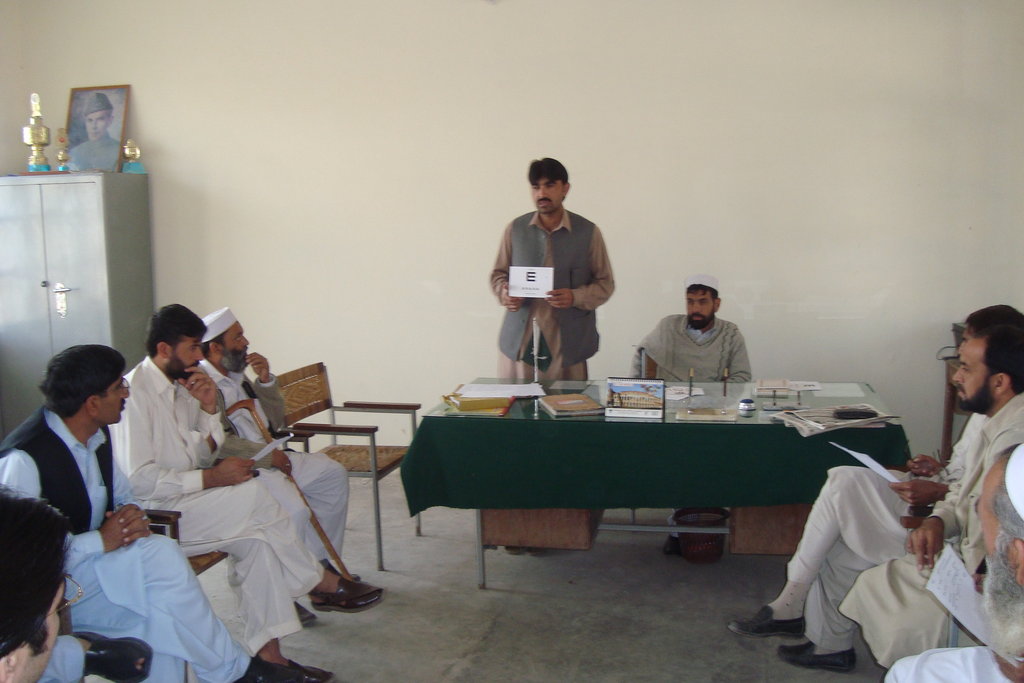
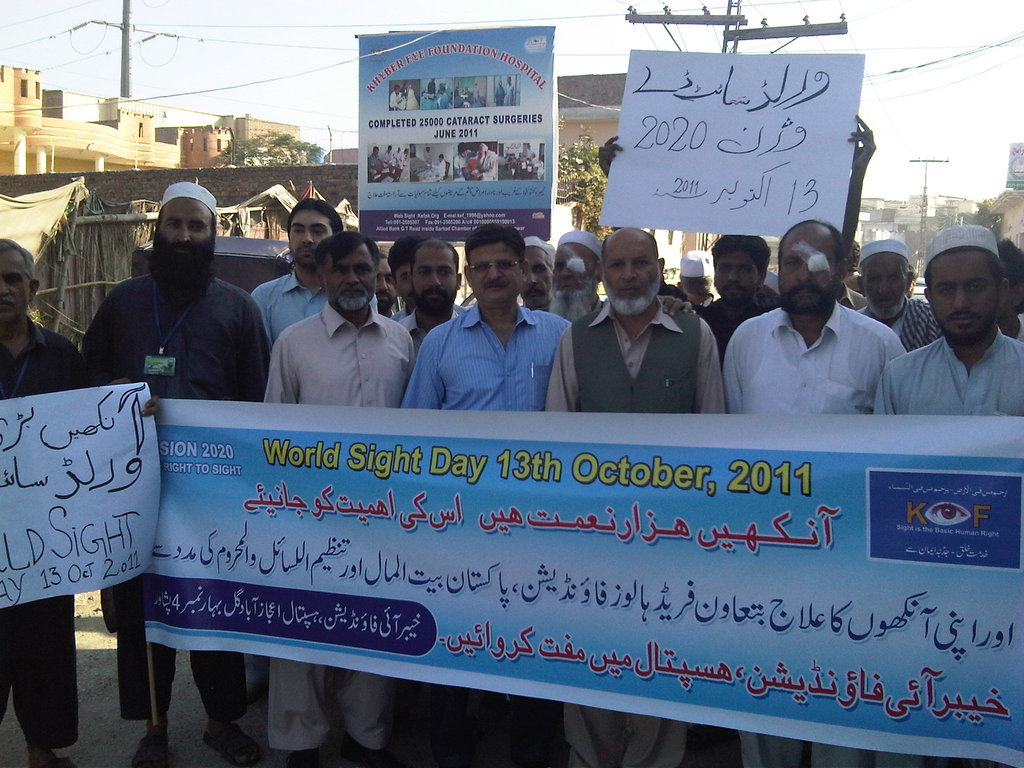
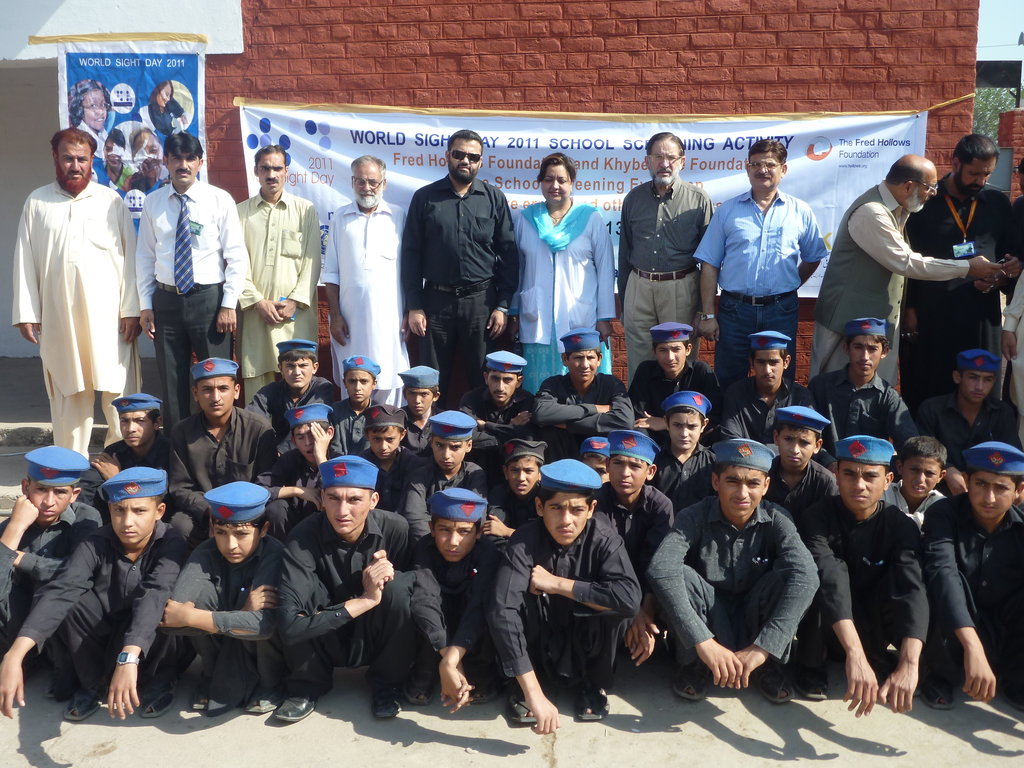
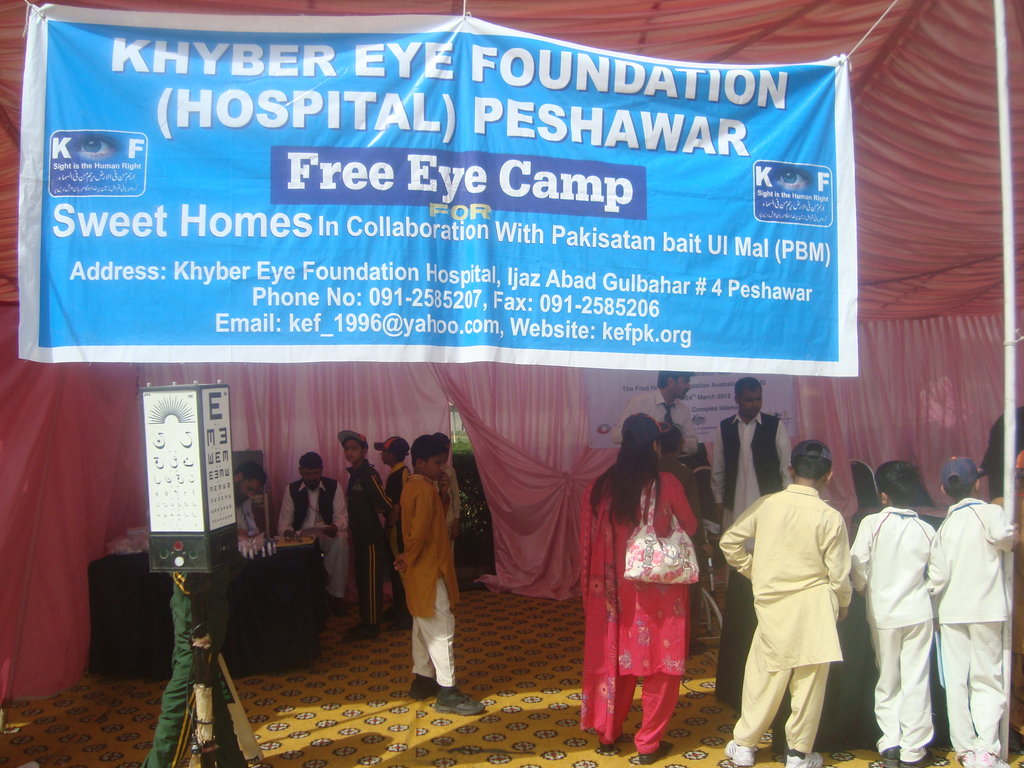
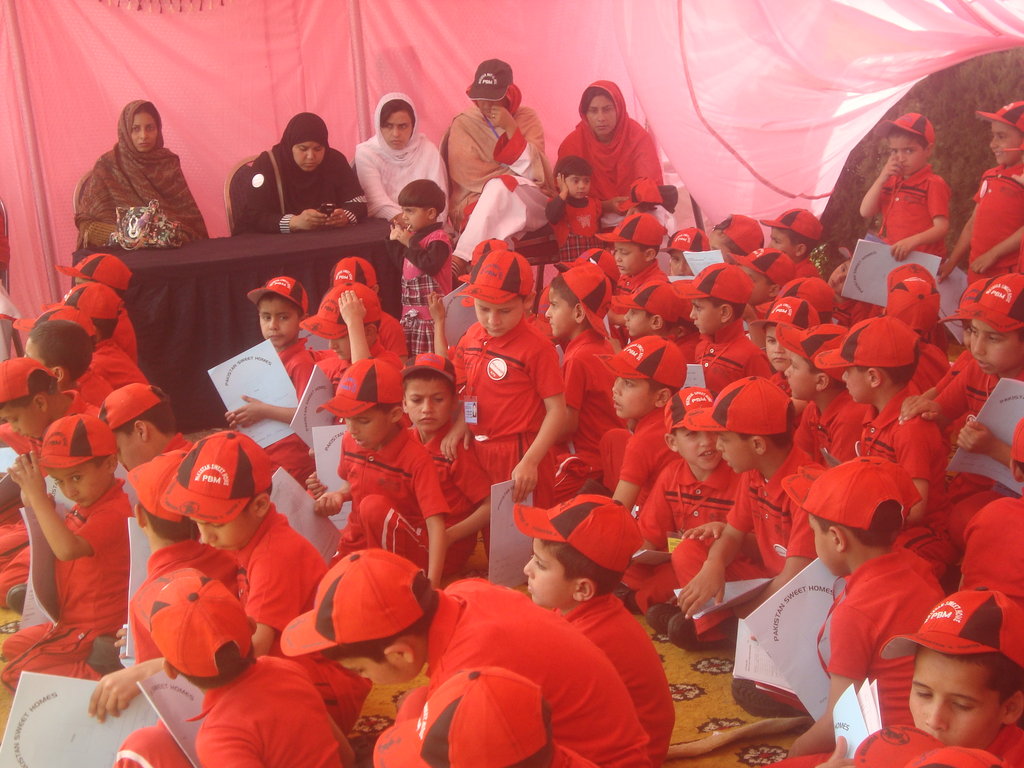
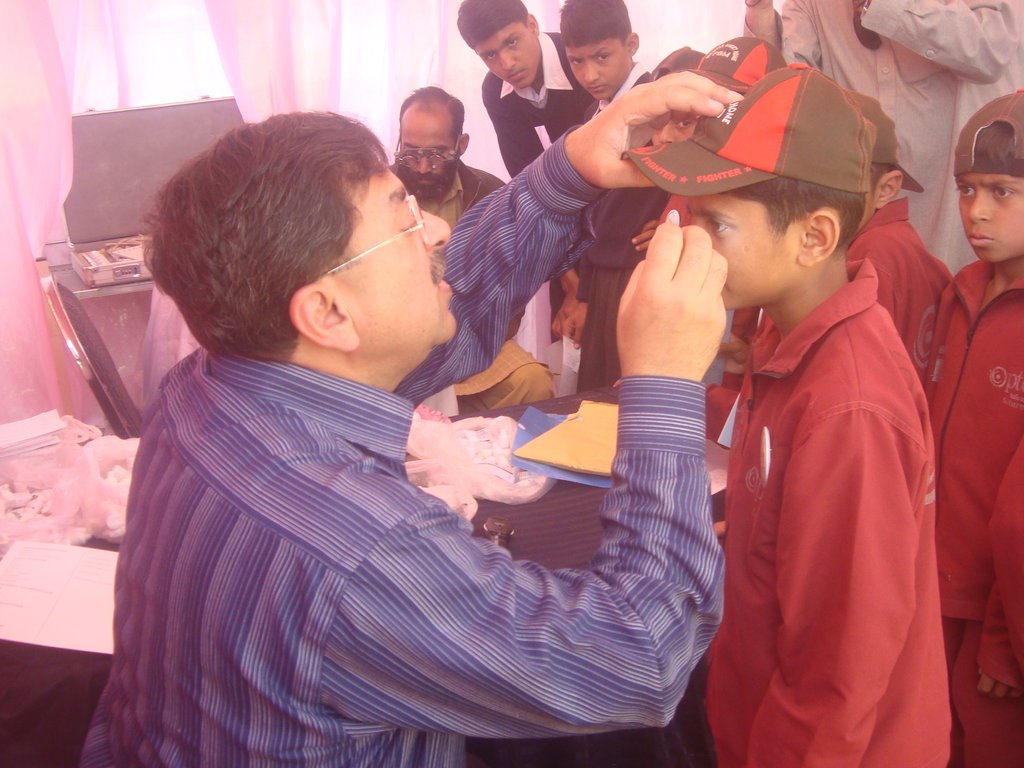
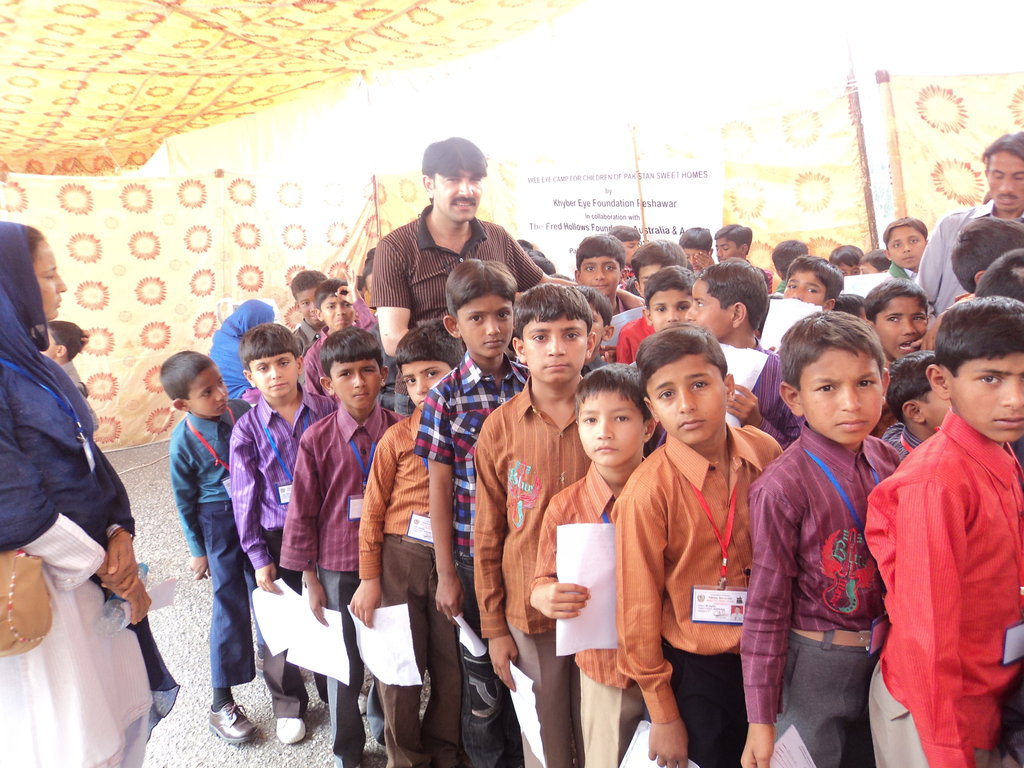
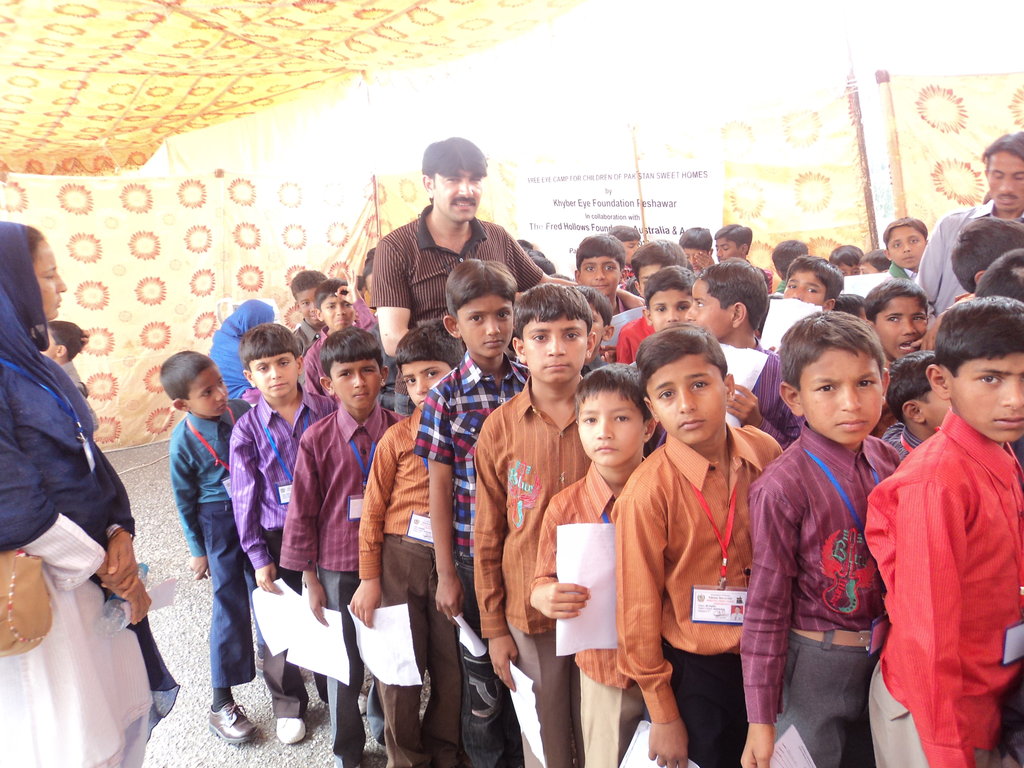
Khyber eye Foundation is playing a very vital role in restoring the eye sight of school going children, conducting various seminar in remote areas of Khyber Pakhtunkhwa, to address various eye disease and its prevention especially for the children. The project of Khyber Eye Foundation during the period visited 69 schools and screened 2577 students, 741 teacher were trained to carry out vision of each student, and out off 2577 students 1788 students were diagnosed as refractive error and were issued spectacles free of cost worth of 2125$
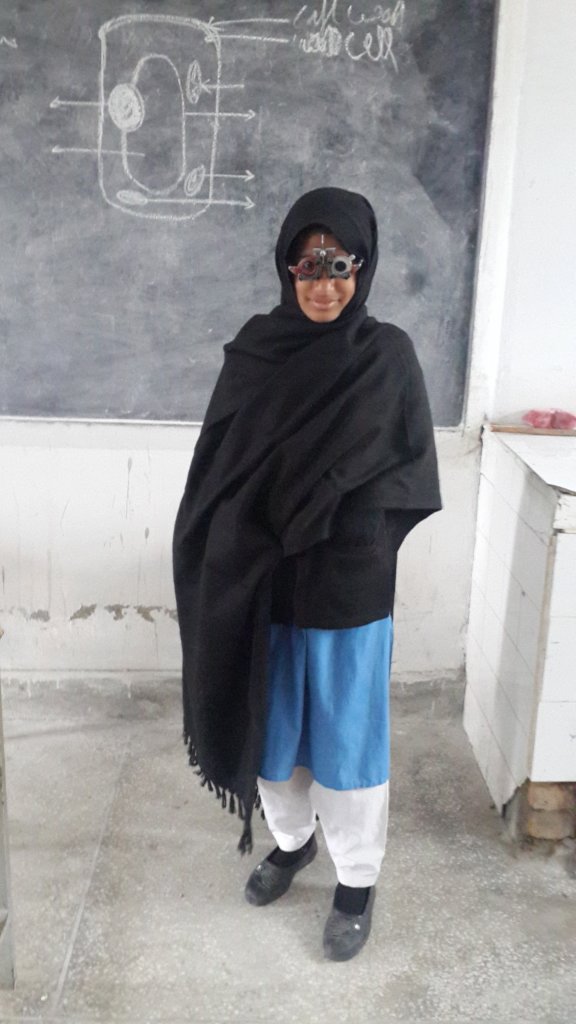
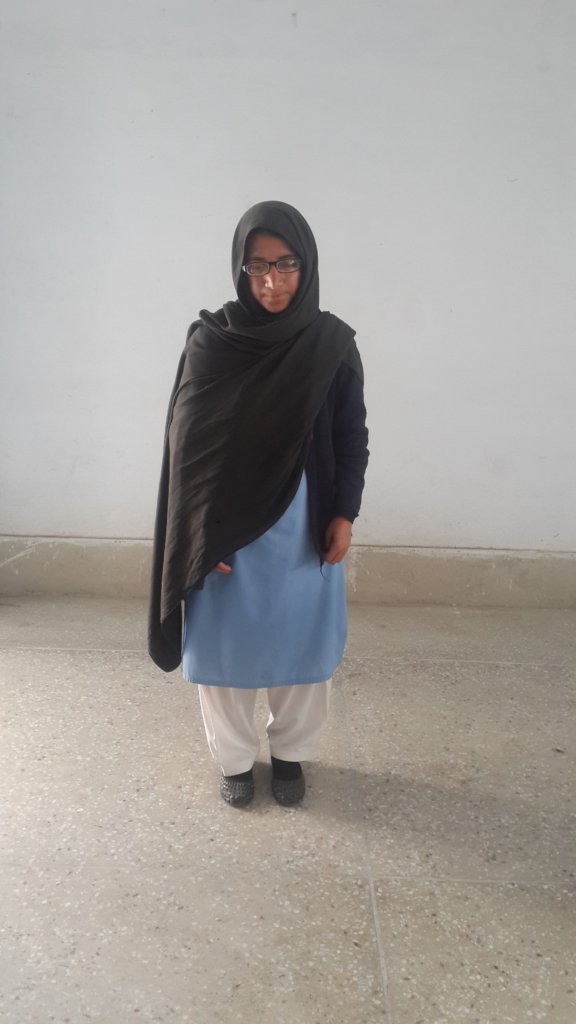
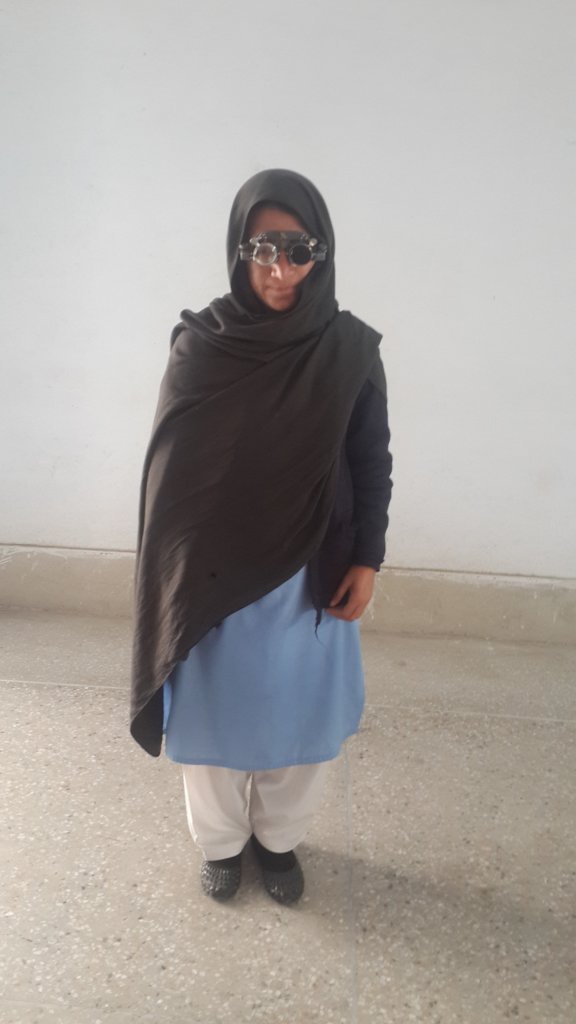
Story of a girl student who had refractive error and how her life changed after she was issued spectacles by the project team.
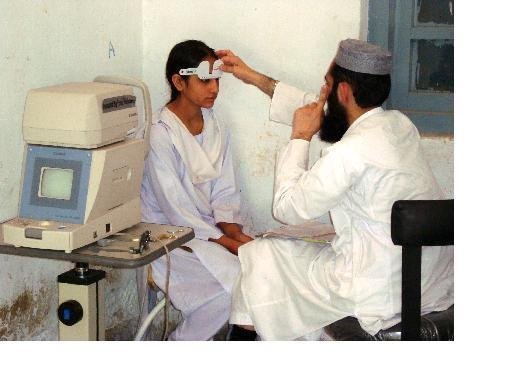
Spogmai is a student of class 6th and lives in a small village in Tangi and studying in Government Girls high school Tangi Government Middle School. Her father is a peon and supporting 7 family members with in his meager sources of income and has no other source of income. The school eye health programme team visited Tangi Government Middle School and did screening of students and screened out Spogmai, when asked from her, how she used to do her study, she replied that she used to sit close to board and used to do her work, before that she never went anywhere for her eye checkup because her father couldn’t afford it Optometrist in a team did Spogmai’s refraction , before refraction her vision was 6/60 close in both eyes , after refraction her vision came to 6/18 in right eye with -22.00DS lenses and 6/24 in left eye with -22.00DS lenses Spogmai was issued high index glasses. She is now happy with her new pair of glasses. Her lifestyle has improved with it.
Raised 5138 $
Remaining 44,362 $
Project reports on GlobalGiving are posted directly to globalgiving.org by Project Leaders as they are completed, generally every 3-4 months. To protect the integrity of these documents, GlobalGiving does not alter them; therefore you may find some language or formatting issues.
If you donate to this project or have donated to this project, you can receive an email when this project posts a report. You can also subscribe for reports without donating.