By syed khalid mahmood | administrator
CURRENT PROGRESS OF THE PROJECT
January , 2018 to March, 2018
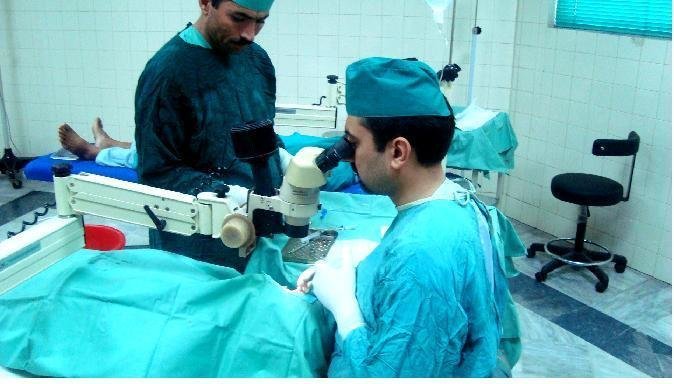
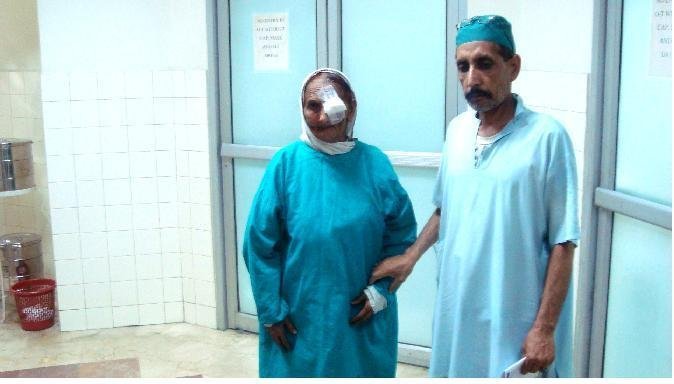
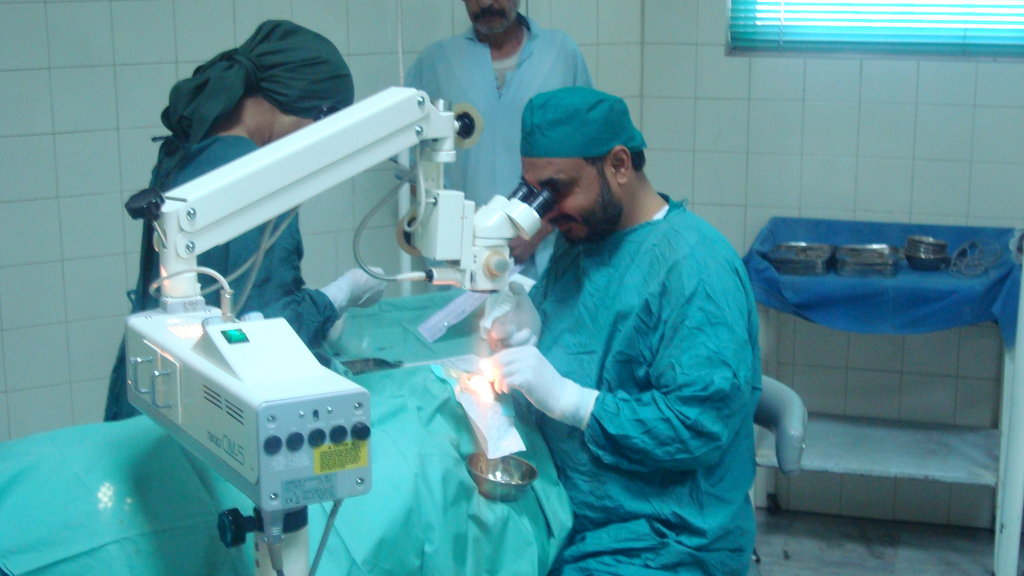
Globally visual impairment is uncorrected by refractive errors, cataracts and glaucoma. Refractive errors include near sighted, far sighted, presbyopia, and astigmatism. Cataracts are the most common cause of blindness. Other disorders that may cause visual problems include age related macular degeneration, diabetic retinopathy, corneal clouding, childhood blindness, and a number of infections. Visual impairment can also be caused by problems in the brain due to stroke, premature birth, or trauma among others. These cases are known as cortical visual impairment. Screening for vision problems in children may improve future vision and educational achievement. Cataract is a clouding of the normally clear lens of your eye. People who have cataracts, seeing through cloudy lenses is a bit like looking through a frosty or fogged-up window. Most cataracts develop slowly and don't disturb your eyesight early on. But with time, cataracts will eventually interfere with your vision. Cataract is the leading cause of blindness in the world. Maximum cataracts are related to the process of ageing, risk factors include diabetes, prolonged exposure to sunlight, tobacco use and alcohol. It is anticipated that as the world’s ageing population continues to grow so will the number of cataracts. Fortunately, cataract can be easily treated and surgically removed. Cataract surgery is generally a safe, effective procedure. People with vision impairment are more likely to be poor and that the removal of cataracts alleviates poverty. There is also a link between a country's economic development status and the prevalence of blindness. Rates of blindness are higher in developing countries with lower per capita income. The relationship between poverty and vision impairment can be understood as involving mutual causality: that is, vision impairment presents barriers to poverty-reducing factors such as education and employment, and poverty makes it harder for people to access eye health and vision care services. In the slums and rural areas of Pakistan, visual impairment, blindness, and childhood blindness are usually more prevalent. Two out of every three people in the world who are blind are women. Women tend to be last in line for medical care in the developing world. Women and girls who are blind are doubly disadvantaged – by their gender and their disability. In order to improve the eye health of children and the community in areas, it is important to understand the influence women and mothers have over children's eye health and the eye health of the community as a whole.
Eye Health education and services should include:
The poor / rural area people are totally unaware, how to protect their eyes from various diseases, due to poverty and illiteracy. Their children even having visual impairment can’t be taken to doctors being poverty. There is a dire need that children must be provided proper eye care facilities at the very early stage to secure their future.
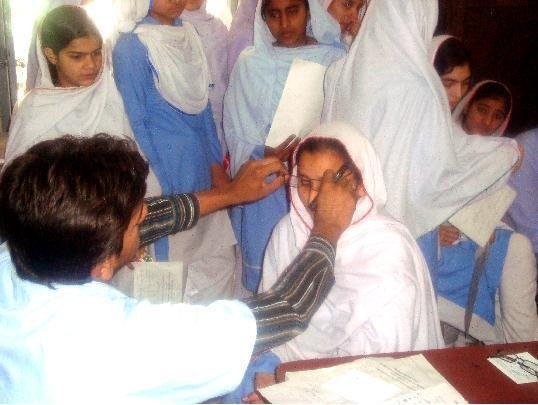
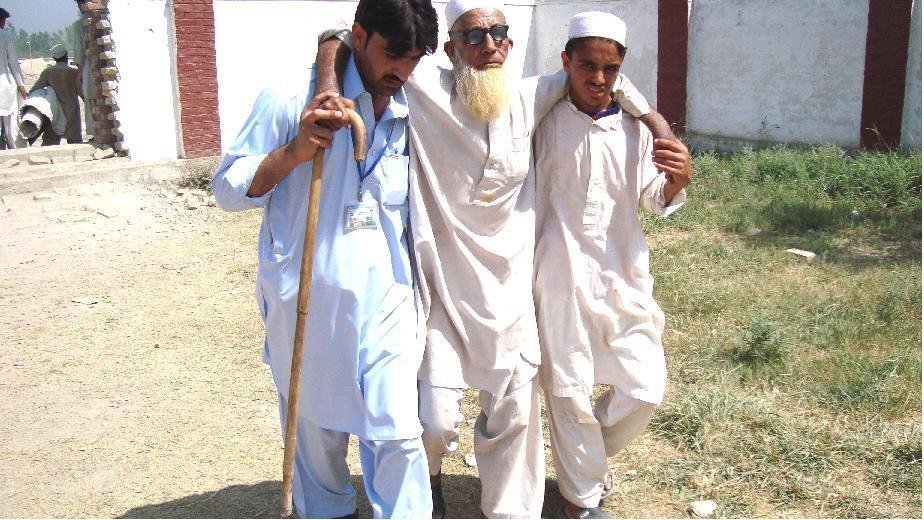
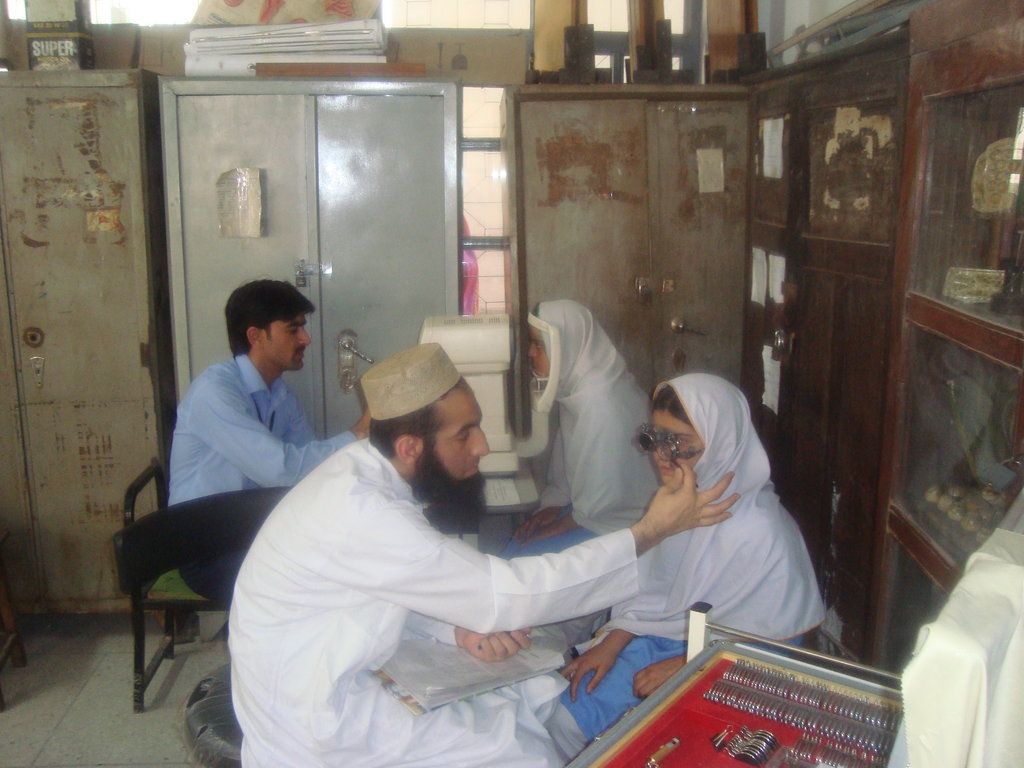
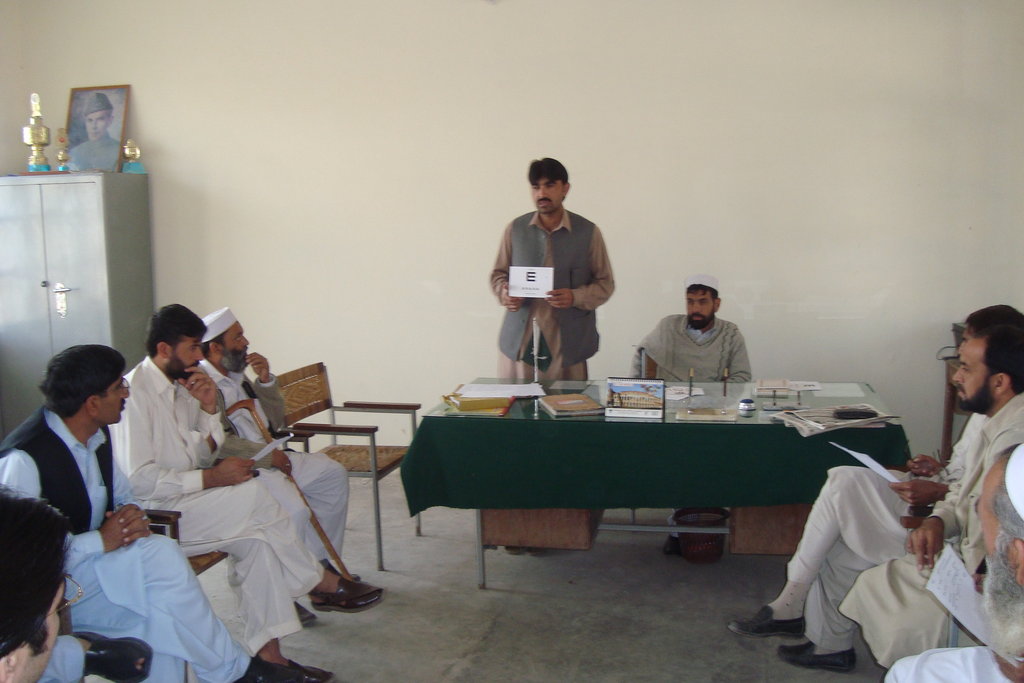
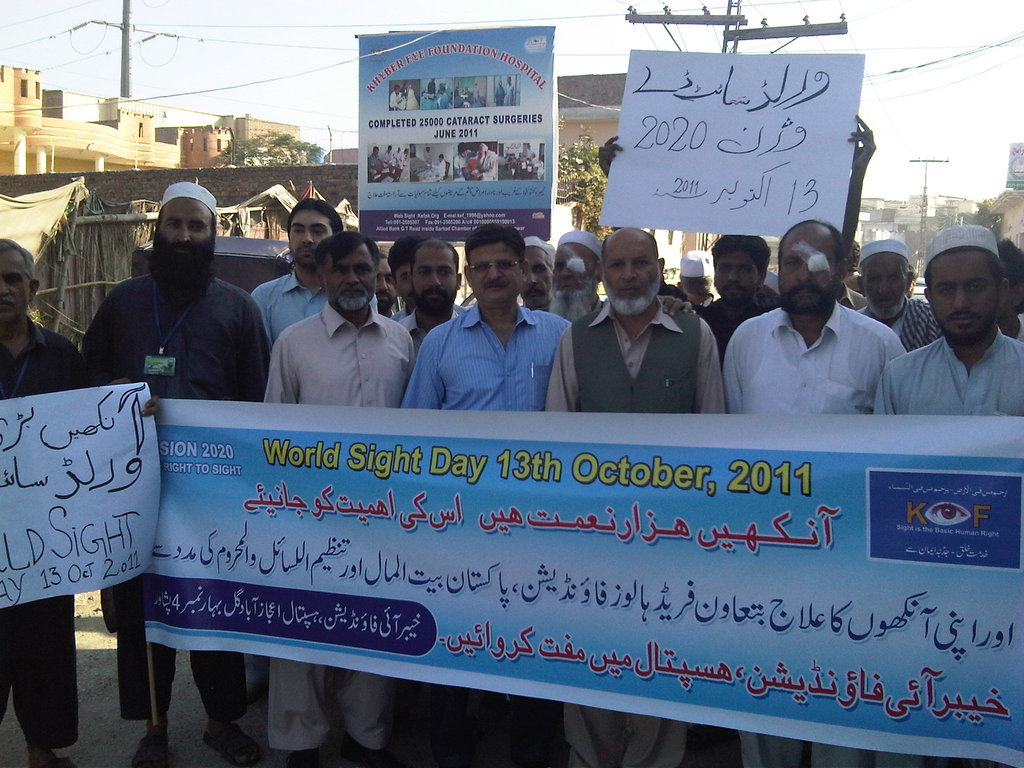
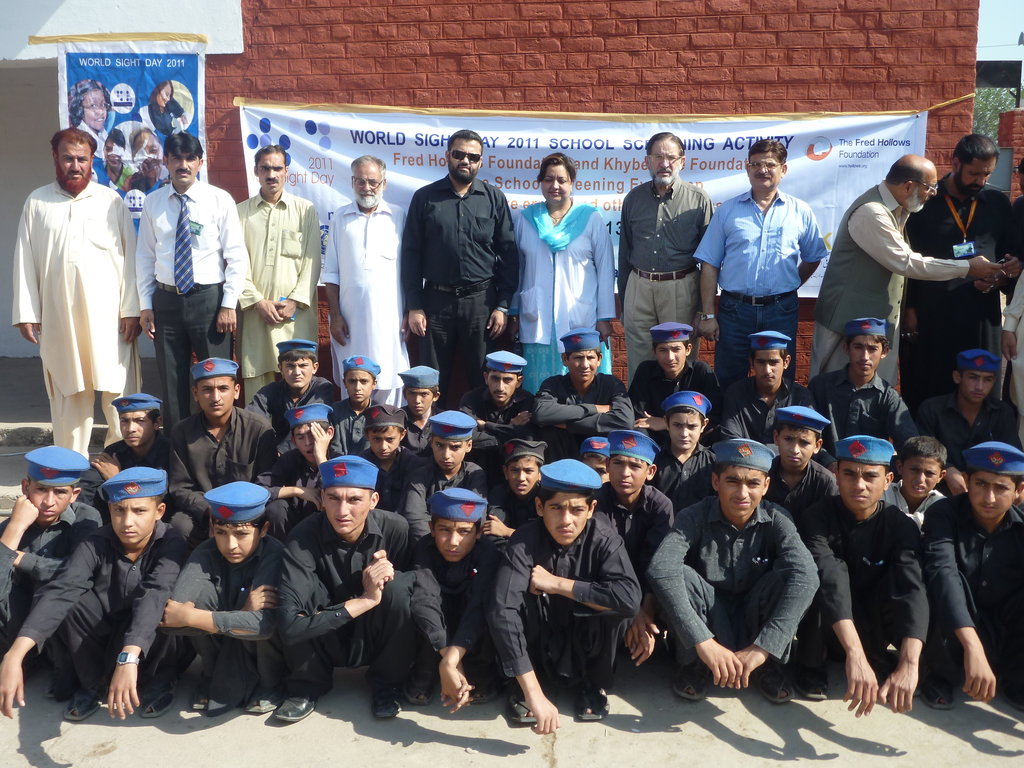
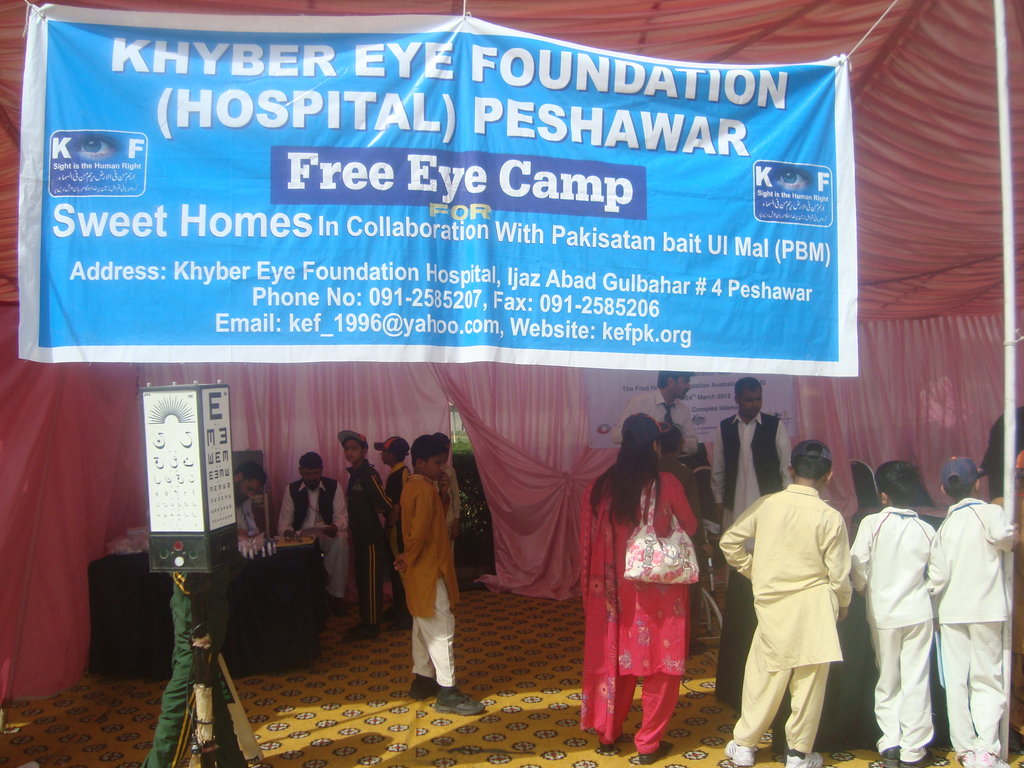
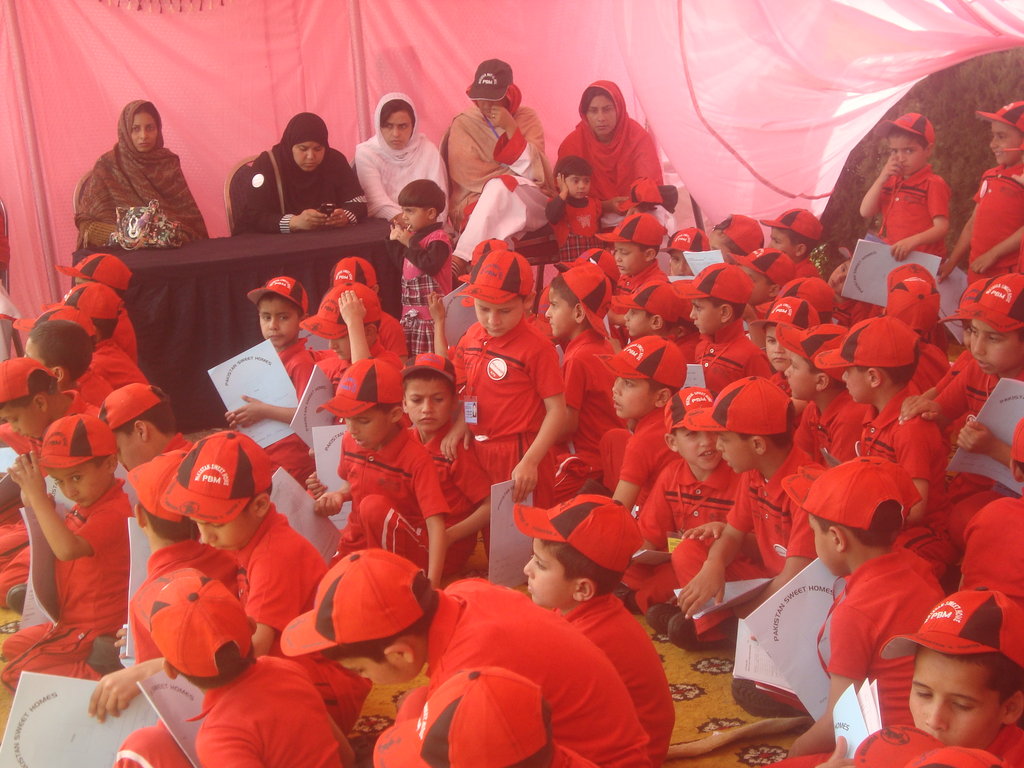
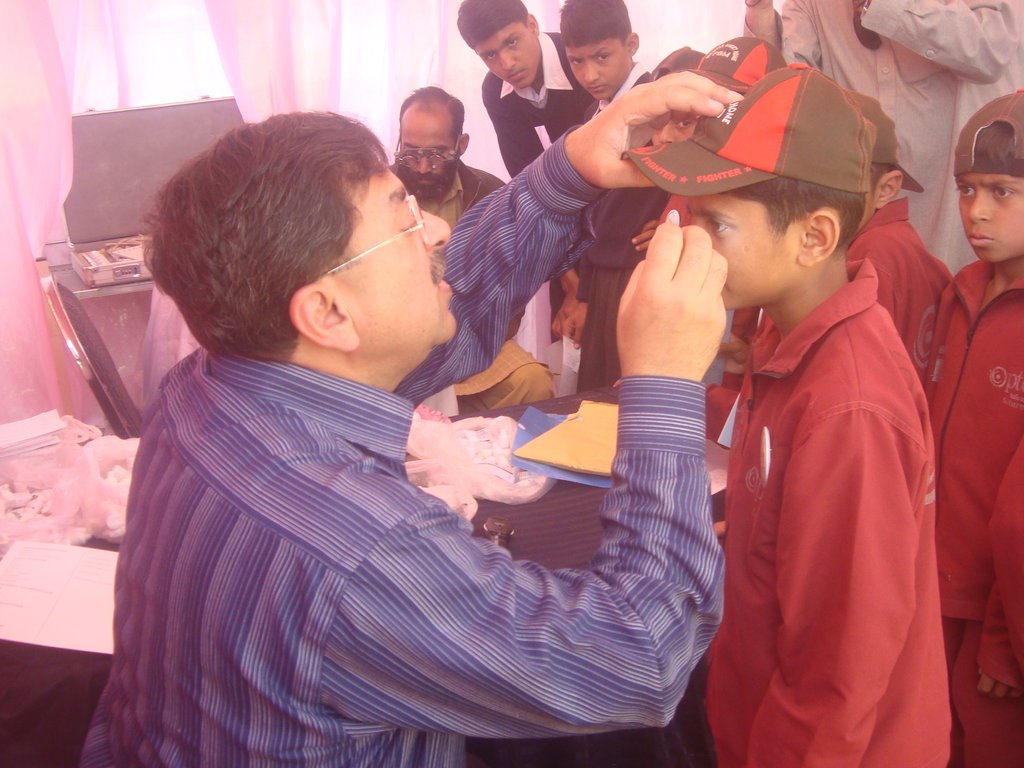
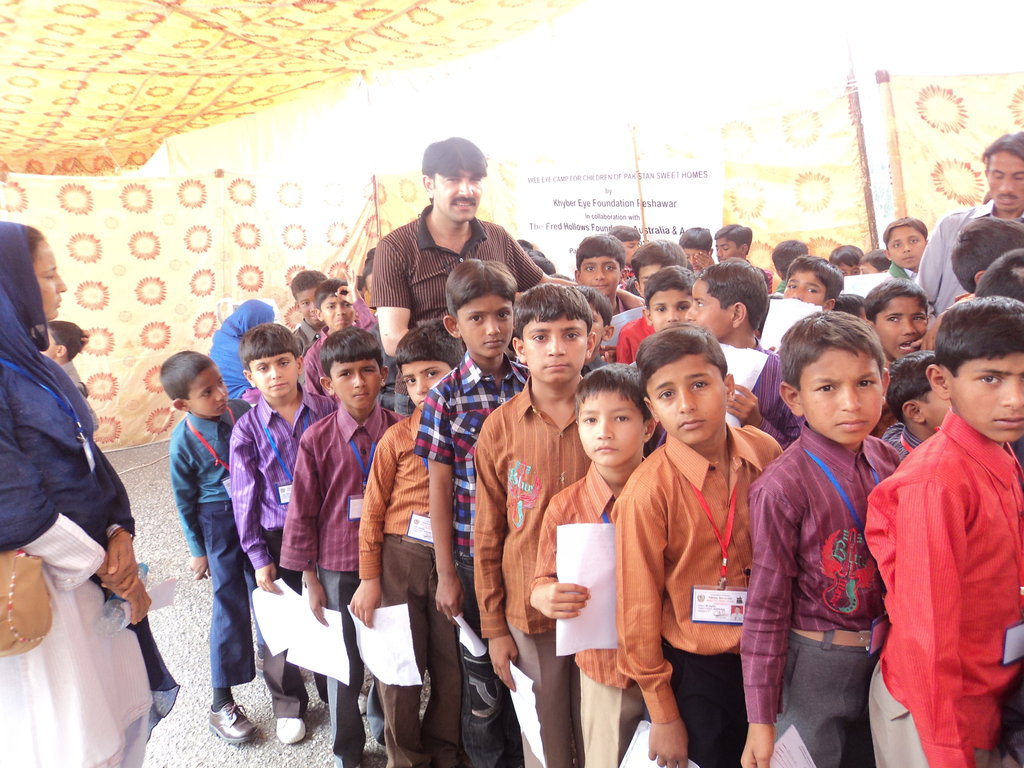
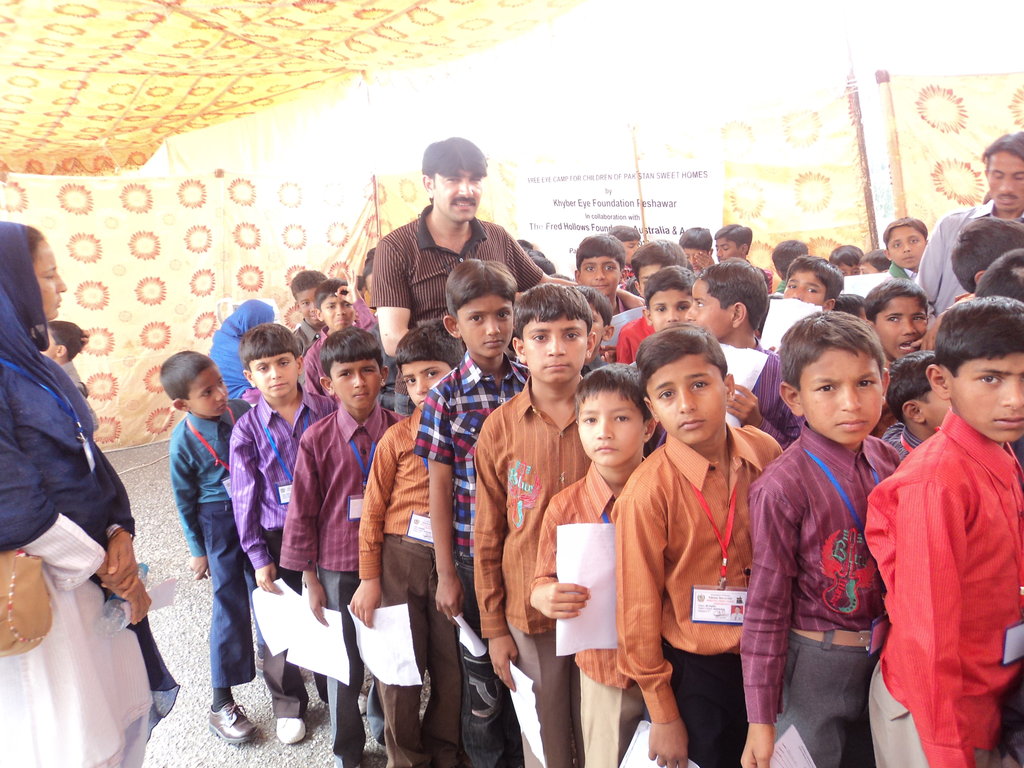
Khyber eye Foundation is playing a very vital role in restoring the eye sight of school going children, conducting various seminar in remote areas of Khyber Pakhtunkhwa, to address various eye disease and its prevention especially for the children. The project of Khyber Eye Foundation during the period visited 55 schools and screened 2101 students, 545 teacher were trained to carry out vision of each student, and out off 2101 students 1631 students were diagnosed as refractive error and were issued spectacles free of cost worth of 1918$
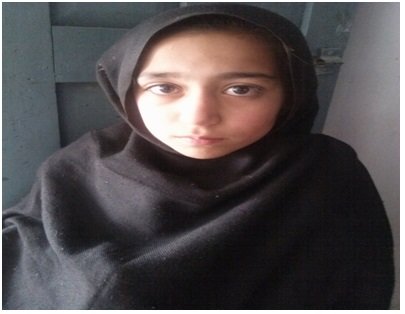
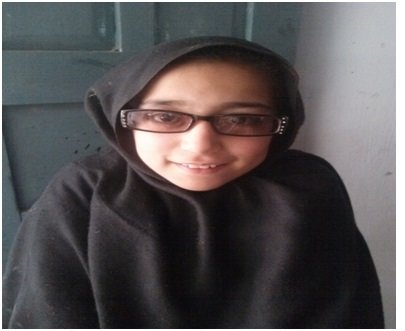
Story of a girl student who had refractive error and how her life changed after she was issued spectacles by the project team.
Iqra is a student of class 1 lives in a small village in Charsadda and studying in government Primary School Akhoon Zadgaan. Her father is a farmer and supporting 8 of her family members, and has no other source of income.
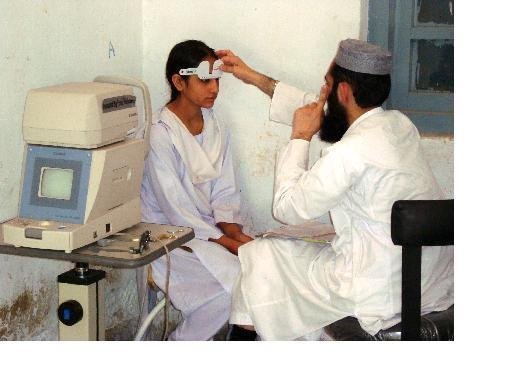
The school eye health project team visited to school Akhon Zadgan and received vision testing form from teacher in which Iqra name was present, when asked from Iqra as to how she notes down her class work from black board, she replied that she used to write from her friend’s copy, before that she never went anywhere for her eye checkup as her father couldn’t afford it. Optometrist in a team did Iqra’s refraction. Before refraction her vision was 6/60 in both eyes, after refraction her vision came to 6/6 both eyes
Raised 4503 $
Remaining 49500 $
Project reports on GlobalGiving are posted directly to globalgiving.org by Project Leaders as they are completed, generally every 3-4 months. To protect the integrity of these documents, GlobalGiving does not alter them; therefore you may find some language or formatting issues.
If you donate to this project or have donated to this project, you can receive an email when this project posts a report. You can also subscribe for reports without donating.