By Ruchi Aggarwal | Qualitative Researcher
Women and girls driving change
Road trip. That’s what did last winter. We decided we needed to meet and see every one of the young entrepreneurs we’ve supported. We knew they were role models for kids, we just now, needed to know how.
One day, they went to Yavatmal and discovered something that everything was a little bit upside down (in a good way). There seemed to be women driving everywhere.
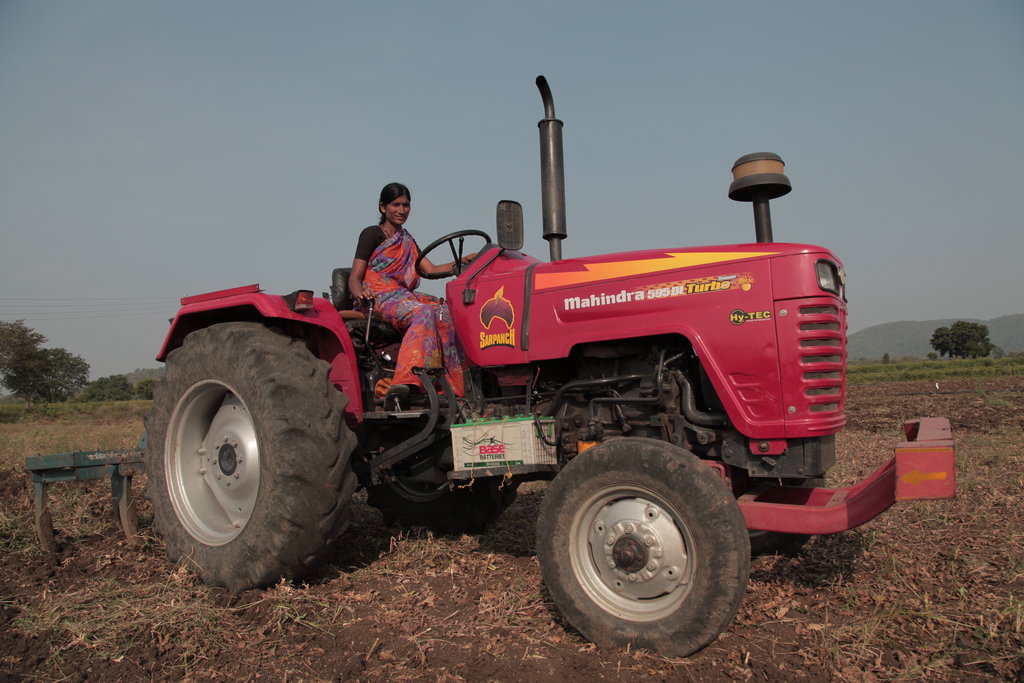
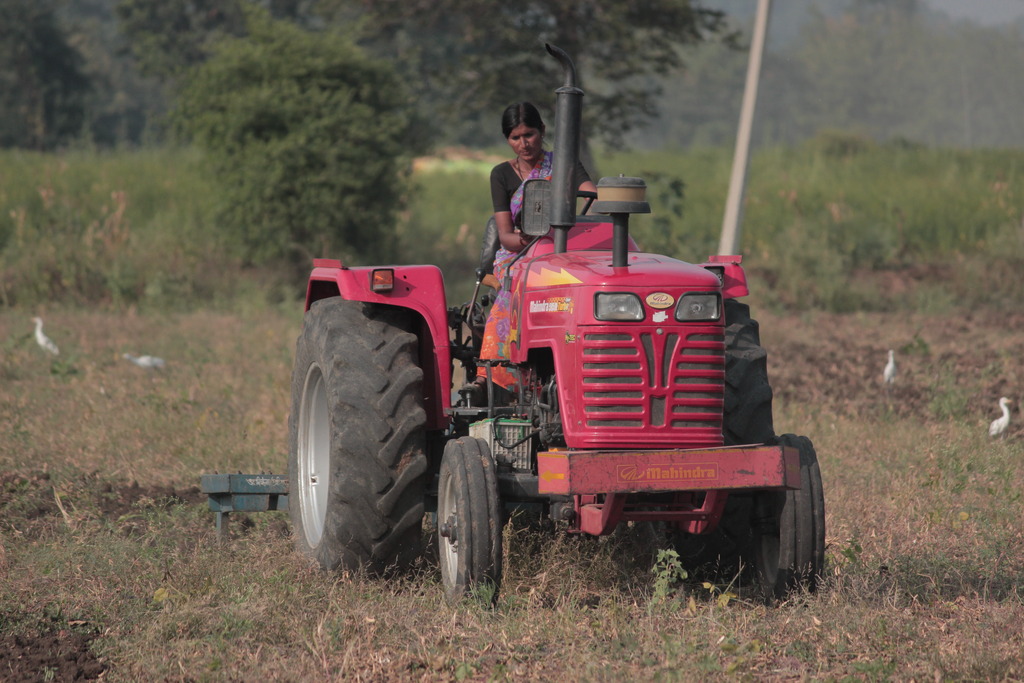
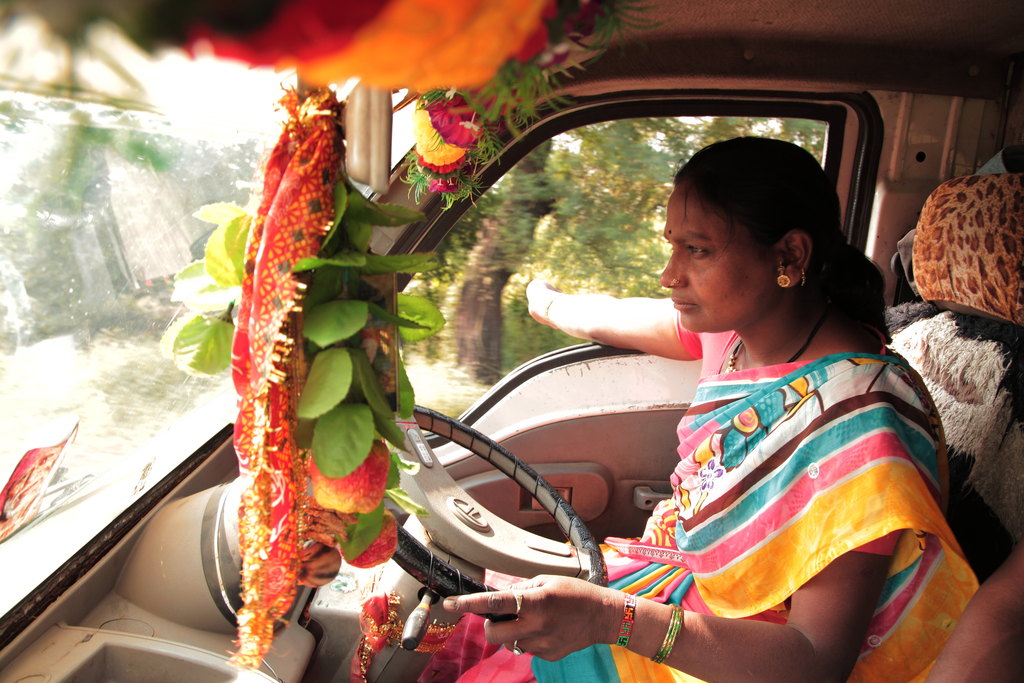
Kalpana, runs her tractor enterpsie. She drives a red tractor, while just around the corner, Savita drives a school bus to take girls to school. Both women are the new league of women entrepneurs who are engaged in enterprises where they drive a vehicle.
Why? Both have taken responsibility for the work that men were not considering yet. Kalpana realized her farmer friends were in trouble because there was only one tractor. During harvest season, this meant crops could not be harvested fast enough to make it to market. So Kalpana decided she’d learn how to drive a tractor. She made a plan for getting a tractor. And now she’s helping all the farmers where she lives.
Meanwhile, Savita was looking after her children, her brother's children, and she was worried about the girls. They all went to school 5 km away but the bus service was erratic, sometimes when it was overloaded the bus would leave kids to walk home alone, through the forest. Savita would not put up with it. She too learned how to drive. She made a plan for a school bus service. And today she takes 12 girls to school, back and forth, two school trips a day.
We were so excited by meeting two new women drivers that we thought about it a little more deeply.
Why do hundreds of thousands of girls bicycle to school and then once they finish school, they stop cycling? We met another entrepreneur who is in the business of driving, Sriram and he said, “Women can do anything and everything. Of course, they can drive vehicles too. The men would generally not let the women take up the responsibilities that men had because they are scared that they will lose out on their worth. Men have their ego to maintain their powers over social systems.” .
Kalpana’s Tractor
Before, farmers were tilling their fields manually, spending four days for work that can now be finished in one hour. Kalpana’s services are on time, cheaper than the competitor’s from the other village and have a special offer of allowing paying in installments. The farmers are happy with her services. And the women think that Kalpana is a superwoman, “I had thought that she would not be able to drive the tractor. It is such a big vehicle and how can a woman drive wearing a saree. I am amazed that she did it”, Renukabai observed, she’s Kalpana’s neighbour.
Savita’s School Bus
Savita, the sole earning member in her family works hard to sustain a family of eight – and those eight are her mother-in-law and seven children! Savita is not new to stirring things up, she’s well known for working for the empowerment of women, before we met her, she’s already organised a group rally to shut down the wine shop and worked with the women to save money in a self help group. She wanted to do something which would help everyone and most importantly girls. Everyone was taking the bus from her village in the forest to reach to the school five kilometers away. Children would walk one kilometer to the bus stop and then wait or miss the bus which was never on time. Parents would not allow the girls to go to school because it was not safe.
Now 12 girls from her village go to school in Bittergaon and dream of going to college too. “I am so satisfied now, my daughter is with Savita and I know she is safe”, says Kavita Bhimte whose daughter travels in Savita’s school bus.
Women drivers can change the world
We know Kalpana’s and Savita’s story will inspire more girls and women to take the challenge and start driving their own vehicles to bridge the gap of accessibility for women. This is a key indicator for the changing values in our society by learning the skills of taking initiative and breaking the rules.
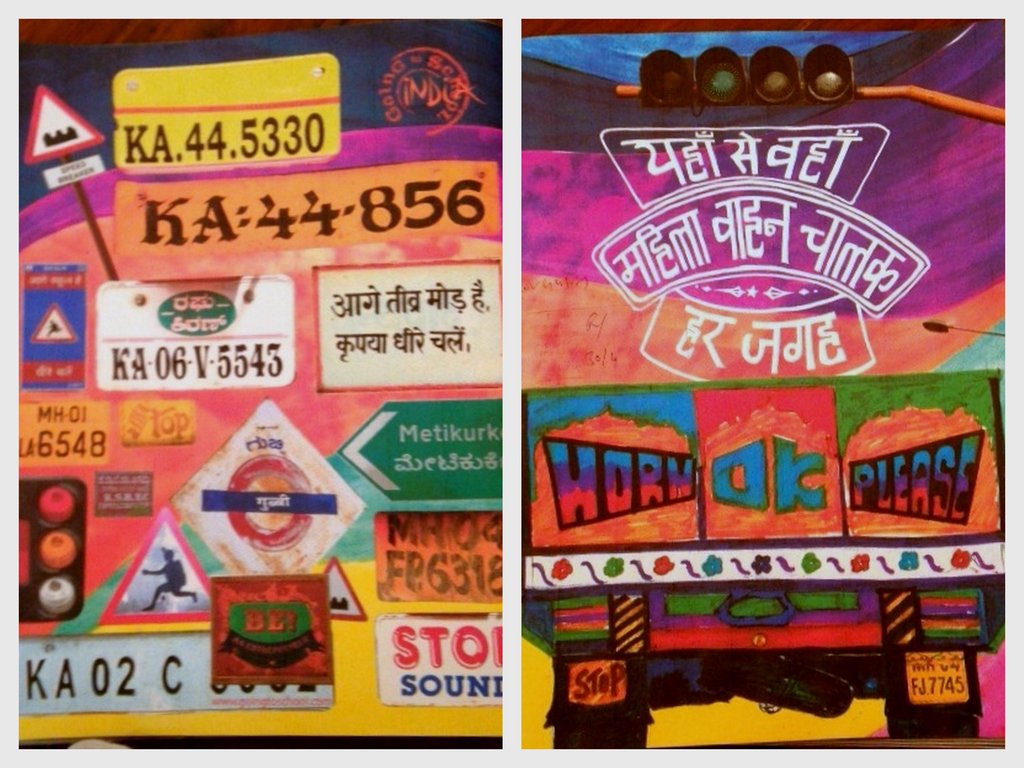
Here’s the preview of their graphic novel going to print, to be released in our 2015
Links:
Project reports on GlobalGiving are posted directly to globalgiving.org by Project Leaders as they are completed, generally every 3-4 months. To protect the integrity of these documents, GlobalGiving does not alter them; therefore you may find some language or formatting issues.
If you donate to this project or have donated to this project, you can receive an email when this project posts a report. You can also subscribe for reports without donating.