By Lisa Heydlauff | Executive Advisor
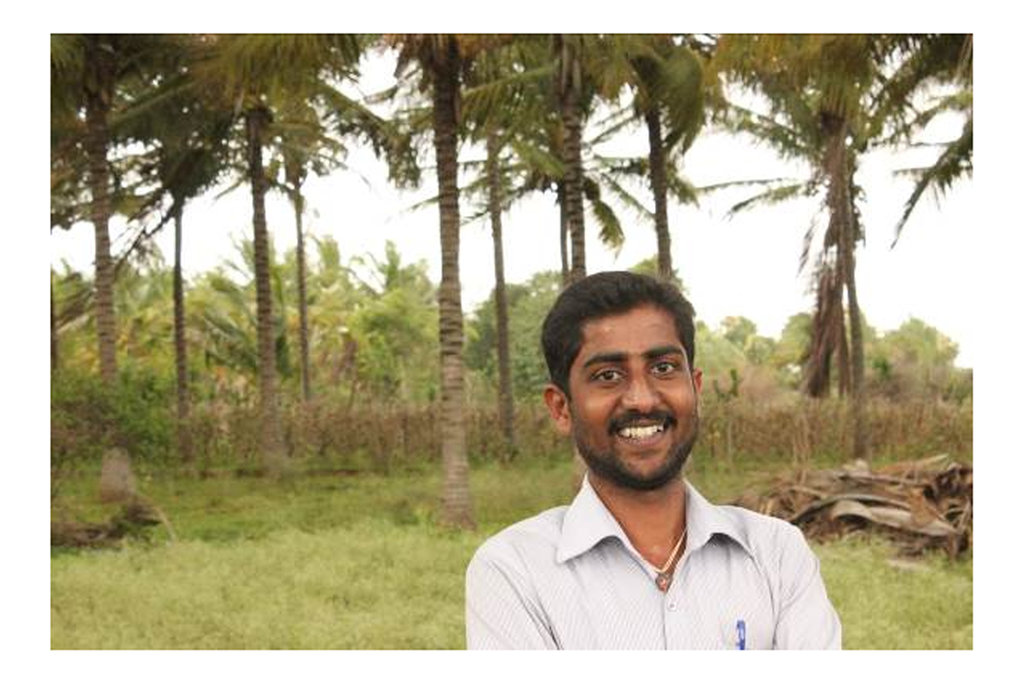
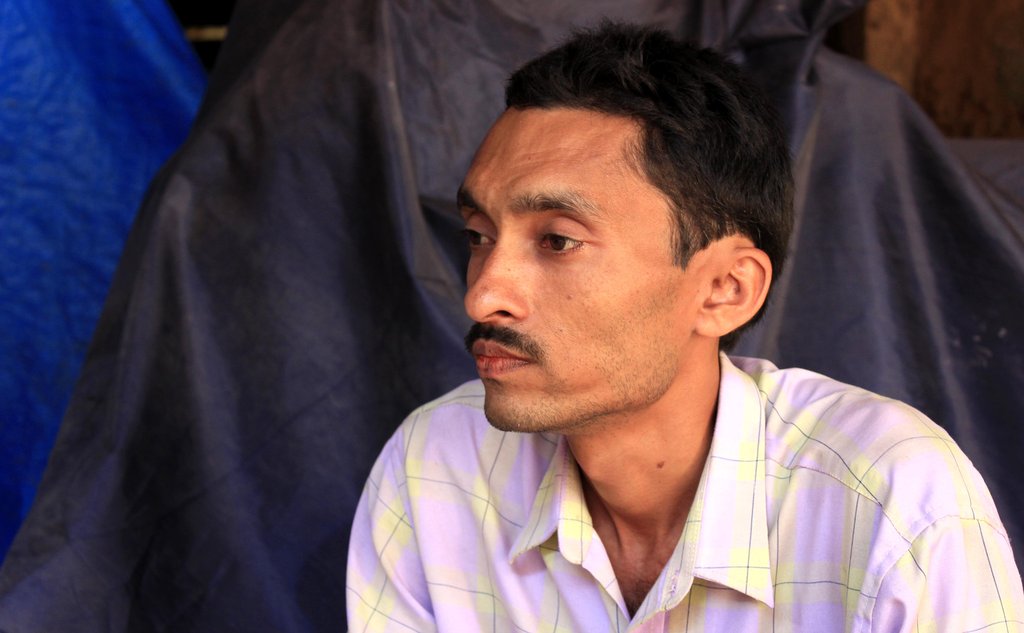
Kantharaju
Kanthraju holds a Diploma in mechanical engineering and worked in Bangalore for two years in a spares company. Kanthraju has two brothers who moved out of the family to cities after marriage. Kanthraju started working in a company called Namratha Oil Company and took care of agricultural activities simultaneously. He worked in the oil factory in the production and marketing department.
After identifying the problem in his village where small farmers were out of the benefit bracket from selling to oil companies, he did market research, built a business plan and started looking out for investment. Kanthraju tried for an investment in Grameen bank, Syndicate bank and Karnataka bank, but was turned down since he lacked security or collateral. Kanthraju heard about Be! Fund on Radio and decided to apply for an investment.
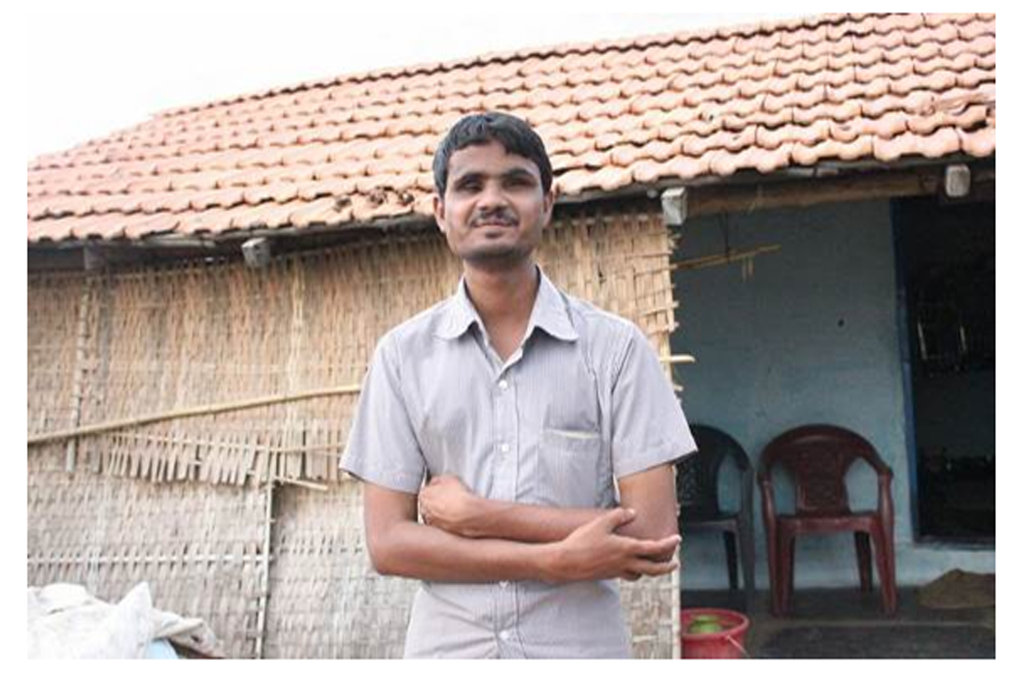
Nagaraj, 27 years
Nagaraj has completed Grade 10 and is blind. He worked in a vegetable shop for three years. He got married and moved to his own village, where he wife fell sick and he had to travel far two to three times a week to get vegetables. Sadly, his wife passed away, and he knew the problem of a lack of fresh produce was not just a problem he faced, his whole community faced it and he wanted to solve it for everyone.
Nagaraj conducted four months of research to back up his idea: Nagaraj wants supply vegetables to his community by going to market for everyone once in two days, and storing vegetables in clay solar powered fridges of a 20kg capacity. Nagaraj’s community does not have electricity, North Karnataka registers temperatures as high as 350 C and he realized solar is the right technology to provide his community with fresh vegetables each day. He made a business plan and approached three banks located in Koppal, but he was denied an investment. He heard about Be! Fund on Radio and decided to apply for an investment to start a fresh vegetable delivery system for the rural poor in his community and help them access fresh vegetables and save time and money.
Poornima, 28 years
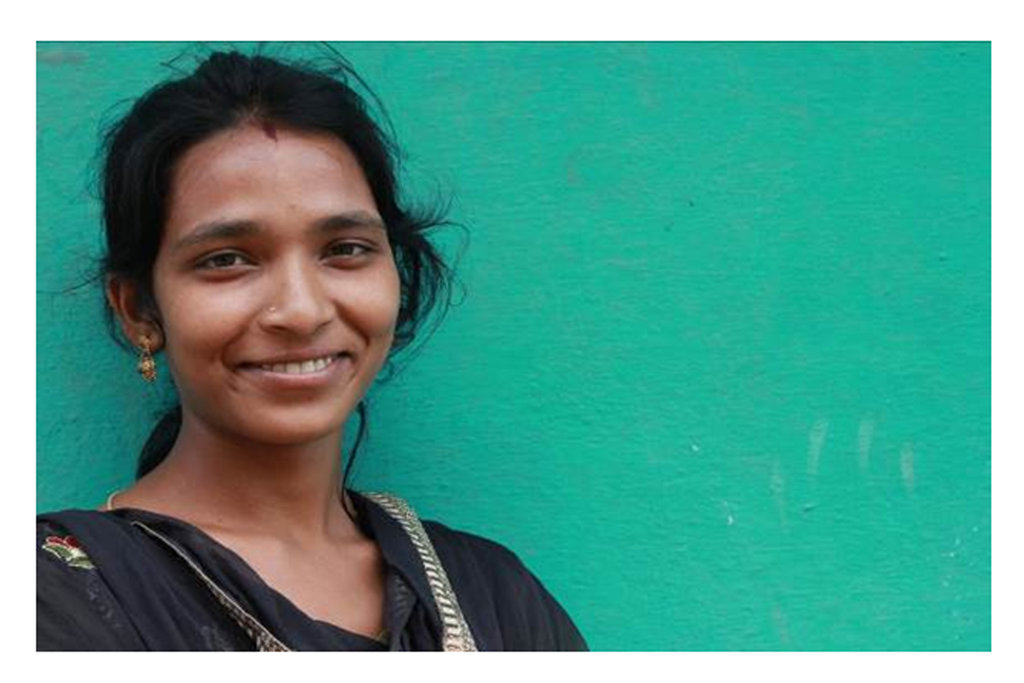
Poornima has studied until Grade 11. She is married and has two children, age 9 and 2. Her elder son is studying in a Government school. Her husband works as a tailor and their collective income together is less than Rs.7, 000.
Poornima lives in Kanakapura city which is surrounded by over 1,500 silk farmers in a 5km radius. Farmers require Bamboo trays to grow silk worms and silk worm mounts, called “Chandrike” in Kannada. The silk worms and cocoons often get eaten by large red ants which affect the production of silk farmers. If the silk worms are not protected with nets, the silk worms cannot survive. As per the statistics from the Central Silk Board, around 10,000 worms are affected by these ants per batch resulting in a loss of rupees Rs. 4,000 for silk farmers.
Rajendra Ganapathy Hegde, 35 years
Rajendra studied until Grade 10 and is currently working as an Areca nut farmer on his father’s agricultural land. Rajendra lives in a joint family of seven members with his wife and eight year old daughter. The family has a small landholding jointly owned by his father and uncle on which the family carries out areca farming. Their total family income from Areca farming is less than Rs.100, 000 per annum.
Rajendra lives in a village called Kanagoda in Sirsi Taluk, Karnataka. There are more than 2,000 families living in this village and their main occupation is agriculture. The average income of the households in the village is around Rs.8-10,000 per month. Access to firewood or LPG gas for cooking is a huge problem in this village. Since this is a hilly region, there is no door to door supply of LPG to the houses due to the bad roads. If people want to access LPG they need to hire a car and access their LPG supply. Since there is no regular supply of electricity, they are unable to use induction stoves. Sirsi receives rain for almost six months of the year, so solar cookers have not been a big success. 95% of families cook in traditional open cook stoves using firewood.
C.Savithri, 23 years
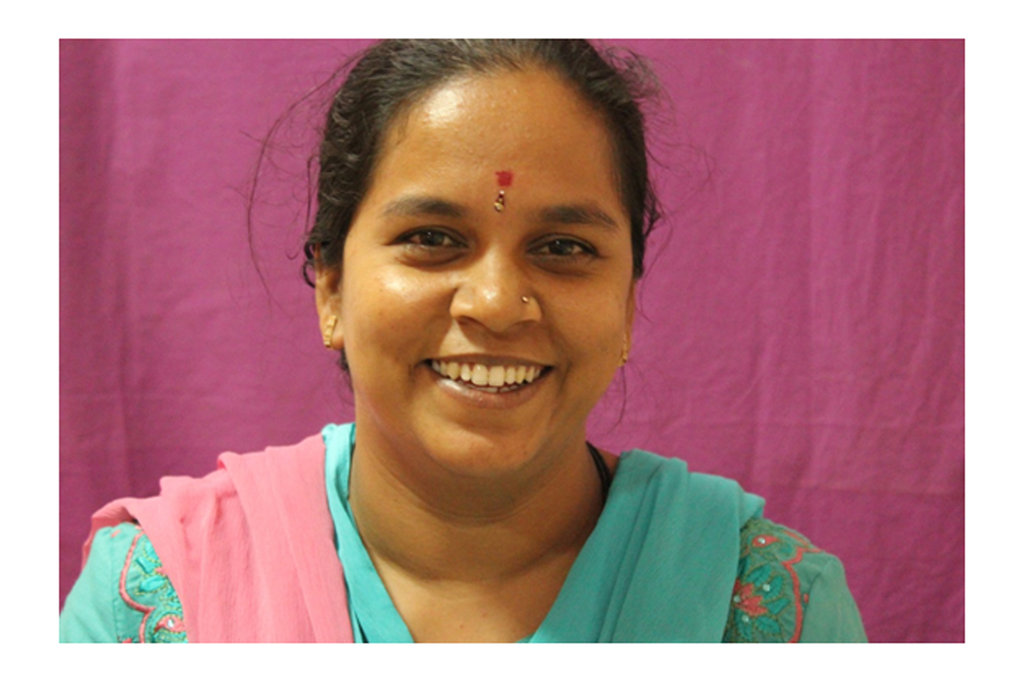
Savithri is 23 and lives in a resettled slum board colony in Sadaramangala, Whitefield, Bangalore. She has studied up to Grade 12 and has worked as an accountant for 2.5 years with Lakshmi Enterprises and with Barclays. She lives with her husband, two children and in-laws in a small sheet house. Her daughters are four and one year old. Since they have not yet started going to school, Savithri stays at home to take care of them. Her in-laws work as daily wage workers and her husband works as a local cable television technician and earns Rs.7, 000 per month.
In this context, most households in the community cannot get an LPG (cooking gas) connection since gas agencies often refuse to provide connections since supplying refills means travelling a long distance and it’s not worth because the small profit the company would make from servicing this community. Also, since most all of these communities live below poverty line and possess a BPL (below poverty line) card, acquiring a gas connection would be cancellation of the card by the government agencies resulting in the loss of affordable food supply they receive from Government ration shops. So, all households use firewood or kerosene for cooking. Depending on the size of the family, each household uses 15-18 litres of kerosene a month. Kerosene is mostly bought from the black market at Rs.60 per litre which means families spend Rs.900-1,100 on kerosene each month. Apart from its high cost, kerosene is not easily available, there are often shortages and it comes with related health risks.
Shankarappa Deshappa Chawahanna, 24 years
Shankarappa is the eldest in the family and has five siblings, two sisters and three brothers. Both his parents are construction daily labourers. His family is originally from Ilkal village in Bagalkot and now moved to Udupi looking for employment. Shankar’s income per month from Solar light rental is Rs.2, 000 and his total family income is less than Rs.8, 000 per month.
Shankarappa lives in a migrant community in Beedingudde, in Udupi district where there are 120 houses that are makeshift tents with plastic covers and do not have electricity. The only source of light at night is kerosene lamps. Shankarappa’s community constitutes of landless poor who mostly belong to lower castes, and very poor regions of North Karnataka. People here work as construction workers and earn between Rs.100-150 per day. As they are migrant workers, they do not possess Public Distribution System (PDS) Cards and so are forced to buy kerosene at higher than market prices. They purchase kerosene at Rs.80 per litre from the black market. One family needs two litres of kerosene per week and spends almost Rs.700 on kerosene in a month just for lighting.
Sharanamma Balappa Kariya , 27 years
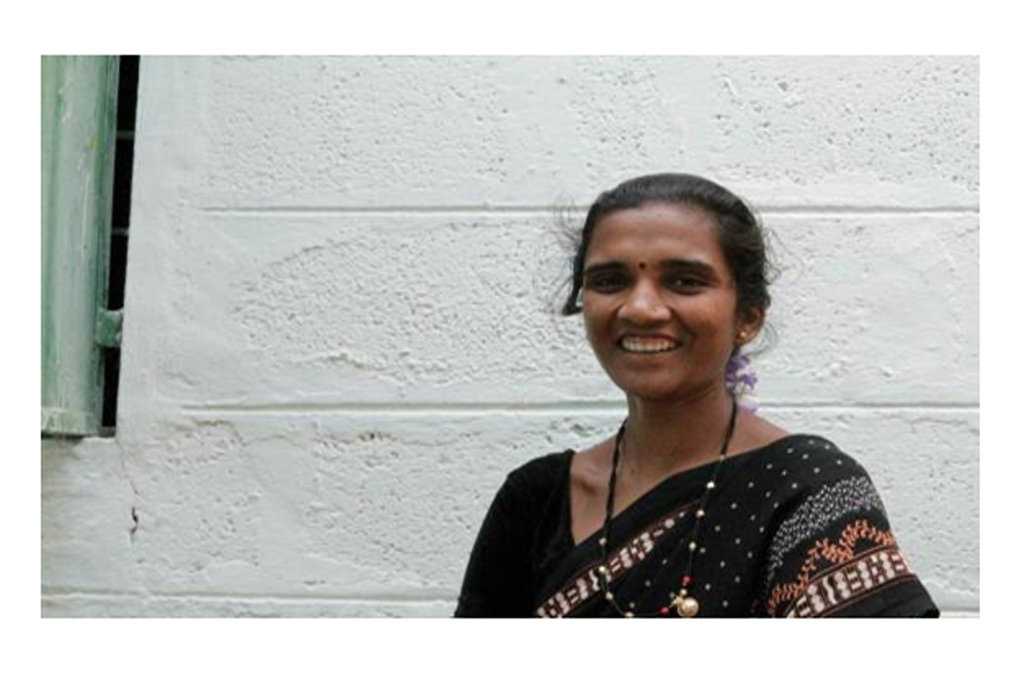
Sharanamma lives with her husband ‘Babu’, who is a construction worker and her three children. Her daughter Savitha is studying in Grade 7 kodihalli government school and her sons are studying in Grade 7 and 9 in a government school in Bangalore. Sharavanamma is working as a house maid and contributing to her family income. Savitha’s total family income is between Rs.7-8,000 per month.
Sharanamma lives in a migrant workers community in Kodihalli, she pays a monthly rent of Rs.700. Her community consists of more than 150 families and they are mostly labourers at construction sites. The source of lighting is one of the main concerns of her community. There is a government school nearby which gives free education and there are more than 120 children studying there. Sharanamma was bothered by the lack of light for her children to be able to study as well as other children in her community. At the moment, Sharanamma works as a housemaid and always wanted to start her own business. Sharanamma do not have a bank account so she was not given loan by any formal financial institution. Also, the rate of interest in cooperative banks was very high. So she could not borrow from them. Sharanamma approached Be! Fund for an investment for solar lights and wants to light up 30 homes in her community by renting out solar lights on a daily basis.
Sunitha Bai, 29 years
Sunitha studied until Grade 10. She has two daughters. Her husband cannot work, due to a stroke. Sunitha works to support her family. Sunitha heard about Mushroom cultivation through Radio. She heard a program sponsored by the Horticulture Department of Mysore announcing free mushroom cultivation courses. Sunitha researched more with friends, family and shops about the demand and supply deficit in the market. She went to the Mysore Horticulture Department for a one month course and started her own business with investment from her mother and brother. Sunitha started her business four years back with an investment of Rs.10, 000. She currently caters to HOPCOMS and six hotels but the demand for Mushrooms is very high. She is currently producing mushrooms in her house in a 10 x 10 room which allows her to produce only 50 kg per month which is just enough to carry out her business and take care of some household expenses. Her earnings during year 2012 were around Rs.40, 000 per annum.
Sunitha has more demand than she can handle which is (500kg per month versus 50kg per month she is currently producing) for the organic mushrooms she grows. As they are organic, they are of high quality and do not make people sick unlike the new GMO seeds that produce fast but often cause food poisoning. If she can expand her enterprise to match this demand she’ll be able to create five jobs for women who are currently unemployed.
Links:
Project reports on GlobalGiving are posted directly to globalgiving.org by Project Leaders as they are completed, generally every 3-4 months. To protect the integrity of these documents, GlobalGiving does not alter them; therefore you may find some language or formatting issues.
If you donate to this project or have donated to this project, you can receive an email when this project posts a report. You can also subscribe for reports without donating.