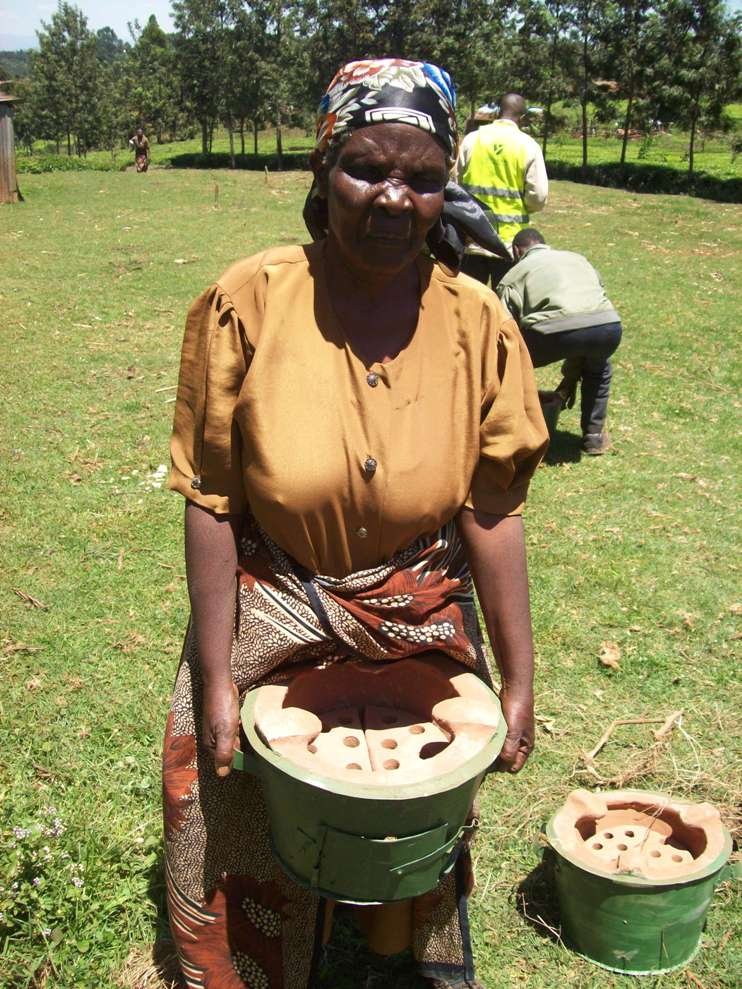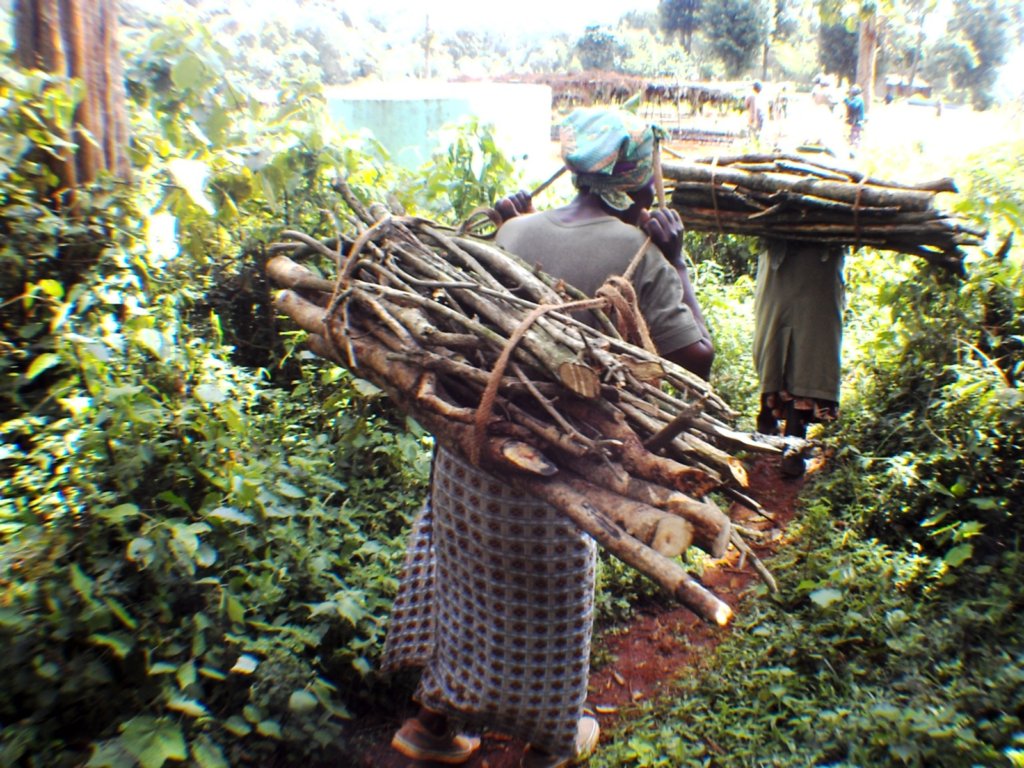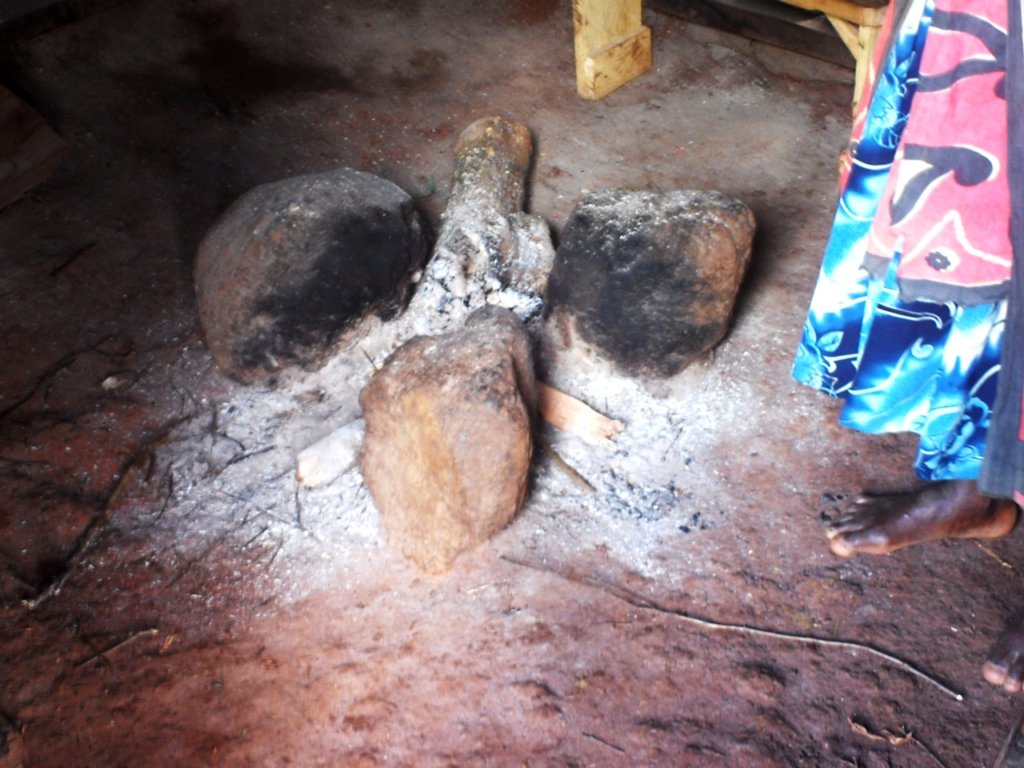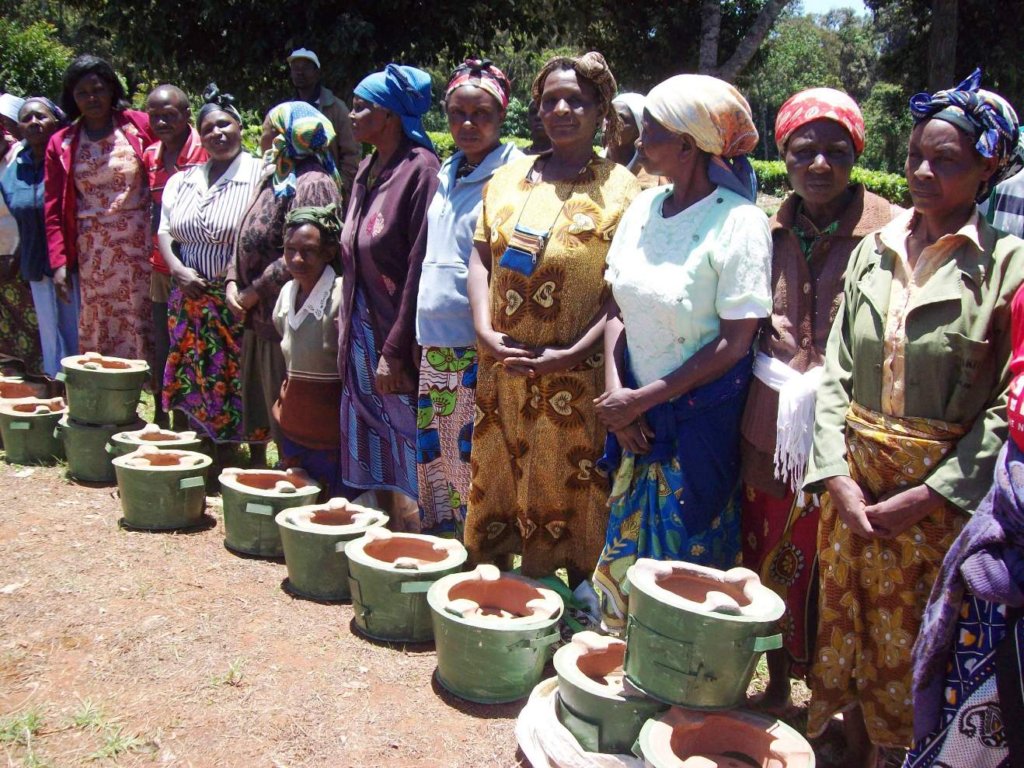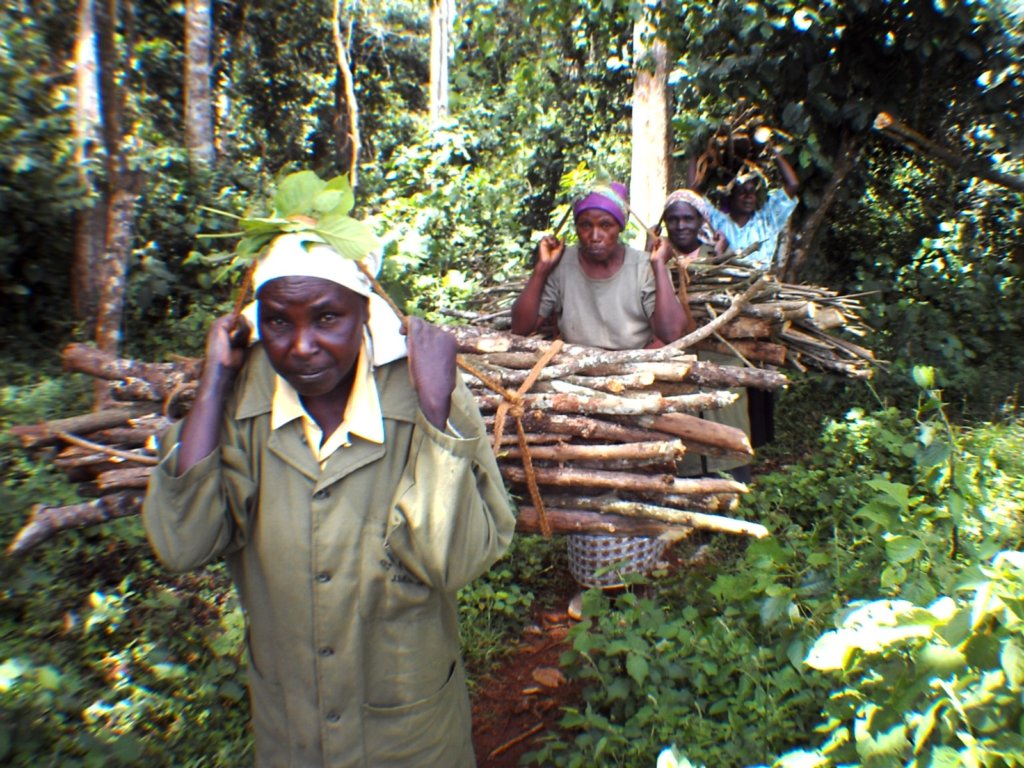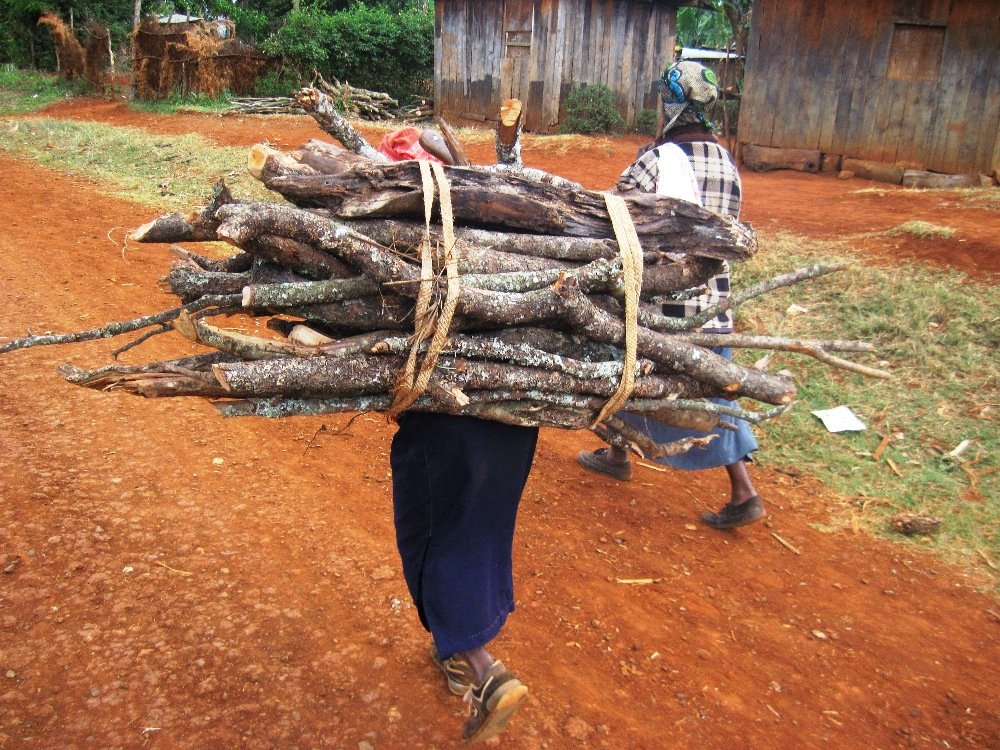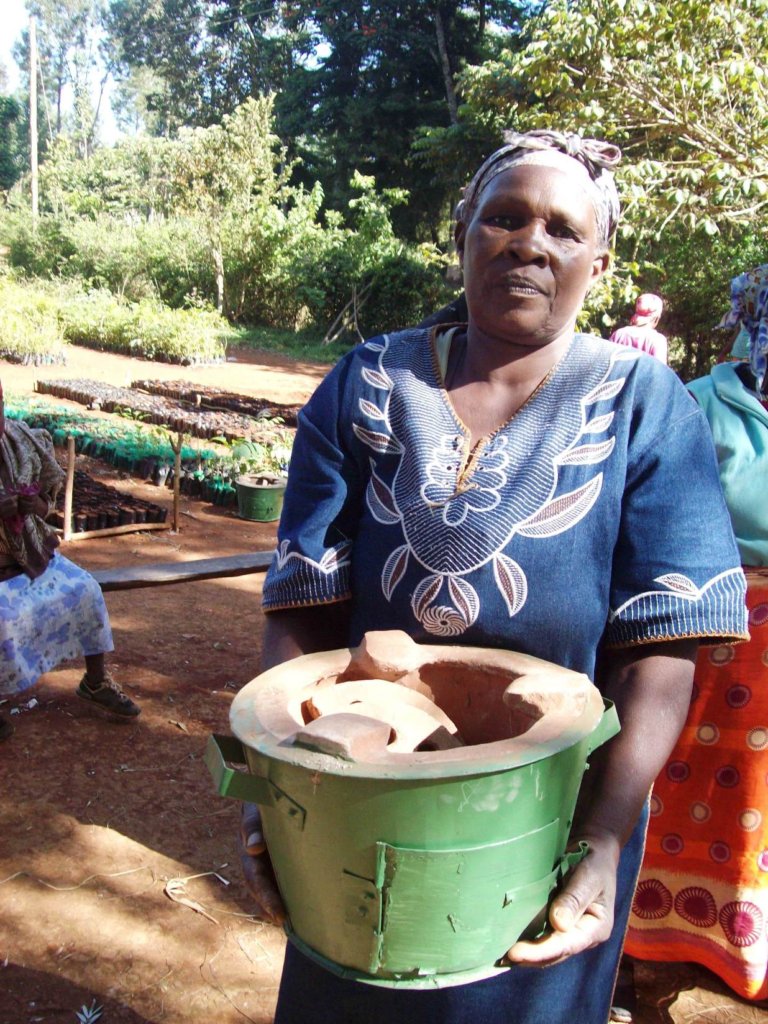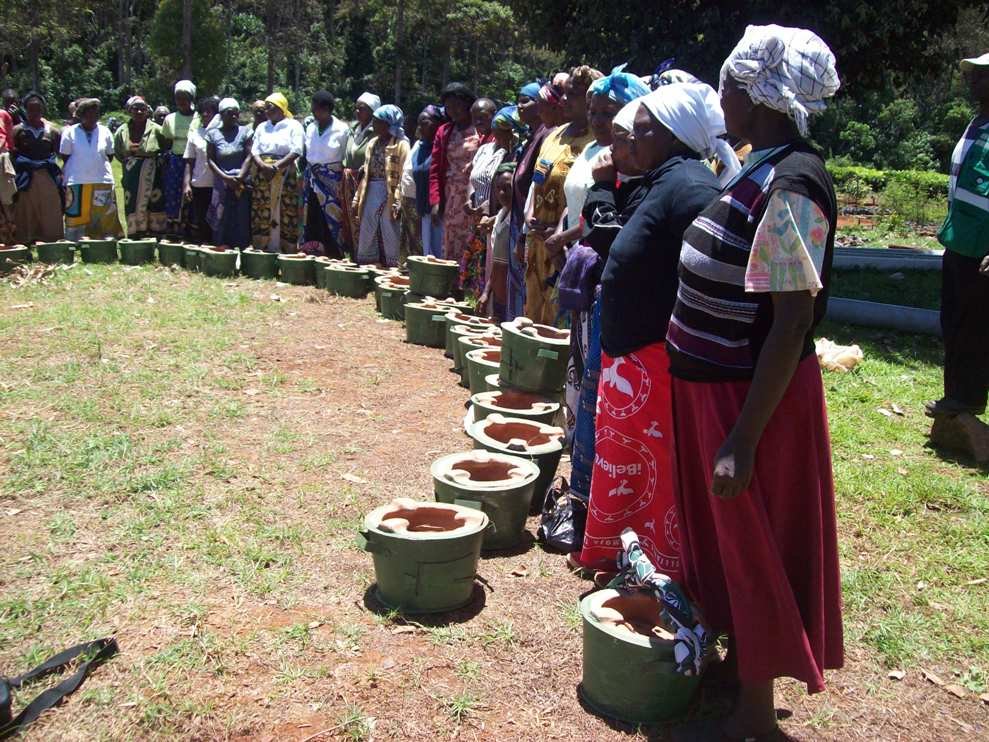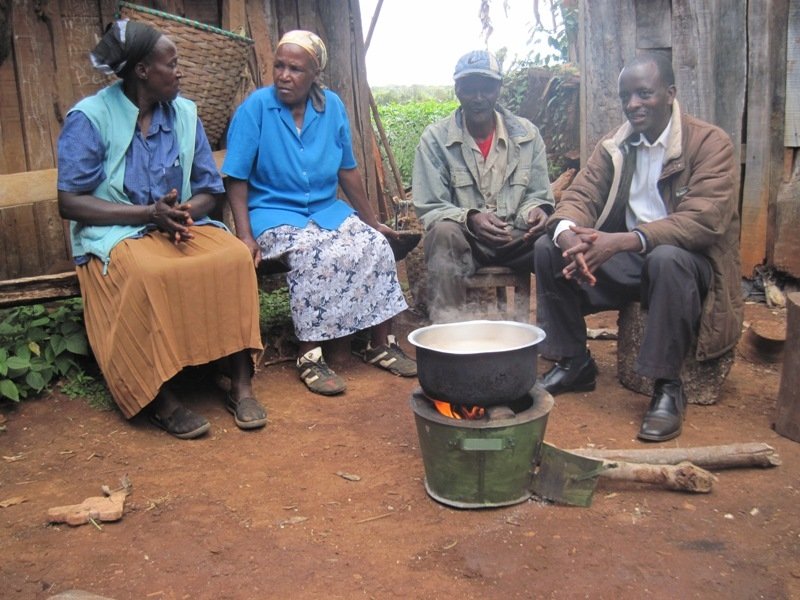
In Kenya, wood is the main source of energy. Traditional cookstoves (often 3 stones laid on the ground) or open fire cooking consume a lot of wood and produce toxic smoke, which particularly affects women and children. Open fire cooking causes around 4.0 million deaths globally each year and around 60% of these deaths are from Africa continent.The fuel-efficient cookstoves decrease wood consumption by more than 50%, thus preserving forests and mitigating climate change.
According to the United Nations, Kenya loses 50,000 hectares of forest per year. With its forest cover standing at less than 7 percent, it is one of the least green countries in Sub-Saharan Africa today. This can be partially attributed to the fact that wood is the No. 1 energy source in rural areas. Each household consumes an average of 15 kilograms of wood per day, resulting in long hours of gathering wood for the local women.
Fuel-efficient cookstoves decreases wood consumption by 60% compared to the traditional three-stone .The project intends to save 5,000 tonnes of wood as well as saving over 50,000 tonnes of CO2 over a duration of 5 to 10 years. The beneficiaries of fuel-efficient cookstoves will receive tree seedlings to plant on their farms and this will save them money used each month in purchasing wood for cooking. High cases of respiratory diseases among women and children will be reduced by 80%.
The project will reduce wood usage by 80% per household. Currently open fire cooking consumers 15 kilograms of wood in a day compared to fuel-efficient cookstove which consumes between 1-2 kilograms of wood in a day. The project will reduce emission of black carbon into the atmosphere by 85% per household since fuel-efficient cookstoves is smokeless. High cases of respiratory diseases such as cancer, asthmatic, running eyes and severe coughing will be reduced among womens and childrens.
This project has provided additional documentation in a PDF file (projdoc.pdf).