By Nasir Uddin | Vice President and Director
Em[POWER] Energy Group Project Bangladesh - 2014 Progress Report in partnership with GUC
(SEE PDF FOR IMAGES!!)
Background of the Project
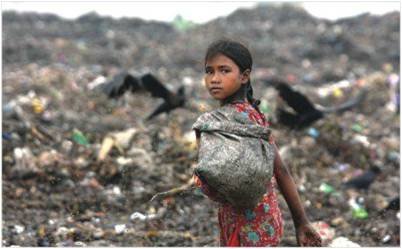
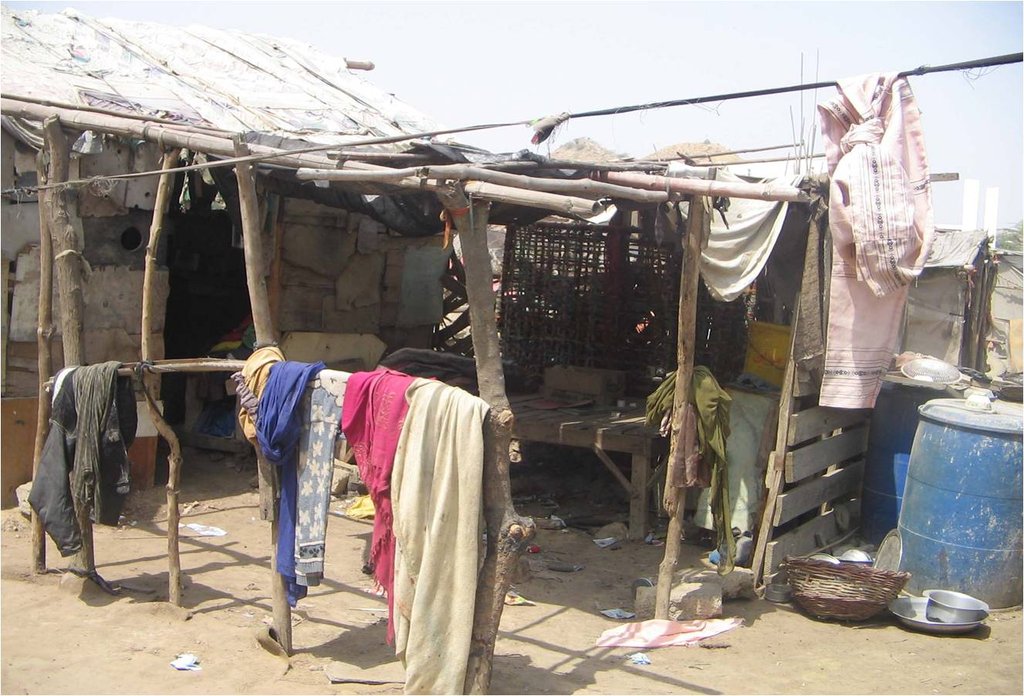
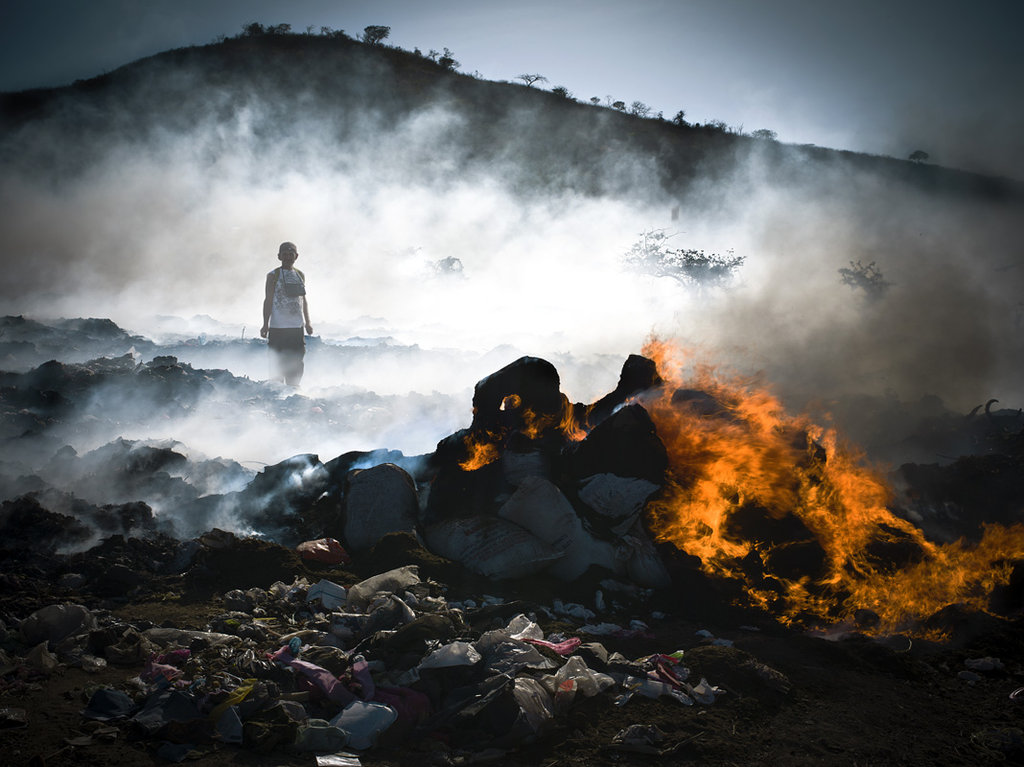
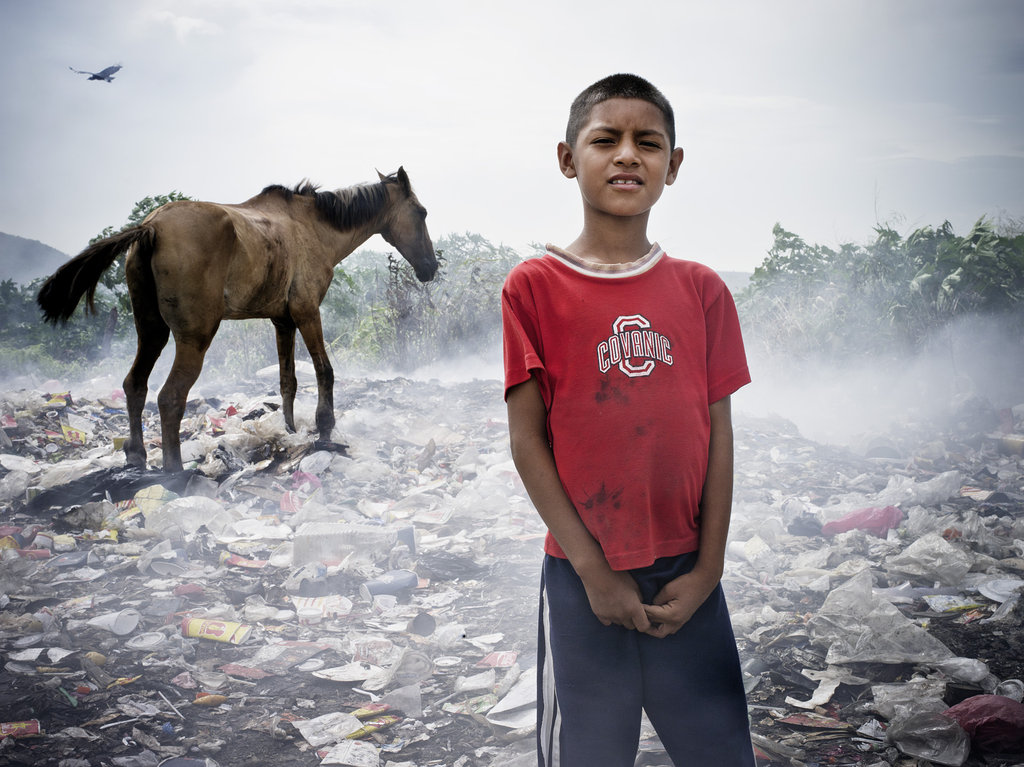
Waste pickers, an informal group of people engaged in searching, sorting, processing and selling of municipal wastes for their livelihood. Scavenging is a free occupation and way of self-employment of the poor children, women and men from the poorest section of urban population in Bangladesh. Almost all the waste pickers have come from rural areas because of poverty, injustice and disaster driven push migration. Currently around 400,000 people live on scavenging in Bangladesh.[1] As the beneficial friends of urban environment now these waste pickers are the main contributor in reducing waste and promoting recycling. Business of waste collection, segregation, cleaning and recycling requires lots of efforts by the waste pickers and all these tasks are done at the cost of huge human sufferings and risks of health hazards of the poor waste pickers who were mostly children and women. Waste pickers are the main actor for reducing, reusing and recycling of the wastes for the national interest. These waste pickers are in need of and deserve rights to getting benefits for their efforts in reducing, reusing and recycling of the wastes.
Since independence of Bangladesh in 1971, the urban population has grown at an average annual rate of 6% against the overall national growth of 2.2%. From a total of 20.8 million people in 1991, the country’s urban population increased to 28.6 million in 2001.[2] Because of rapid urbanization the country’s urban population is expected to reach 89.5 million (from 39.5 million in 2005) by 2030.[3] It is estimated that approximately 13,332 tons of waste is produced per day in the urban areas of Bangladesh, which is over 4.86 million tons annually. It is projected that this amount will grow up to 47,000 tons/day and close to 17.2 million tons per year by 2025, due to growth both in population and the increase in per capita waste generation. Based on the present total urban population, per capita waste generation rate is found at 0.41 kg/capita/day in urban area.[4]
The disposal and treatment of waste can produce emissions of several greenhouse gases (GHGs), which contribute to global climate change. The most significant GHG gas produced from waste is methane. It is released during the breakdown of organic matter in landfills. Other forms of waste disposal also produce GHGs but these are mainly in the form of carbon dioxide (a less powerful GHG). Waste prevention and recycling help address global climate change by decreasing the amount of greenhouse gas emissions and saving energy. In this regards, establishment of composting site and anaerobic digester will help reduce emission of GHGs.
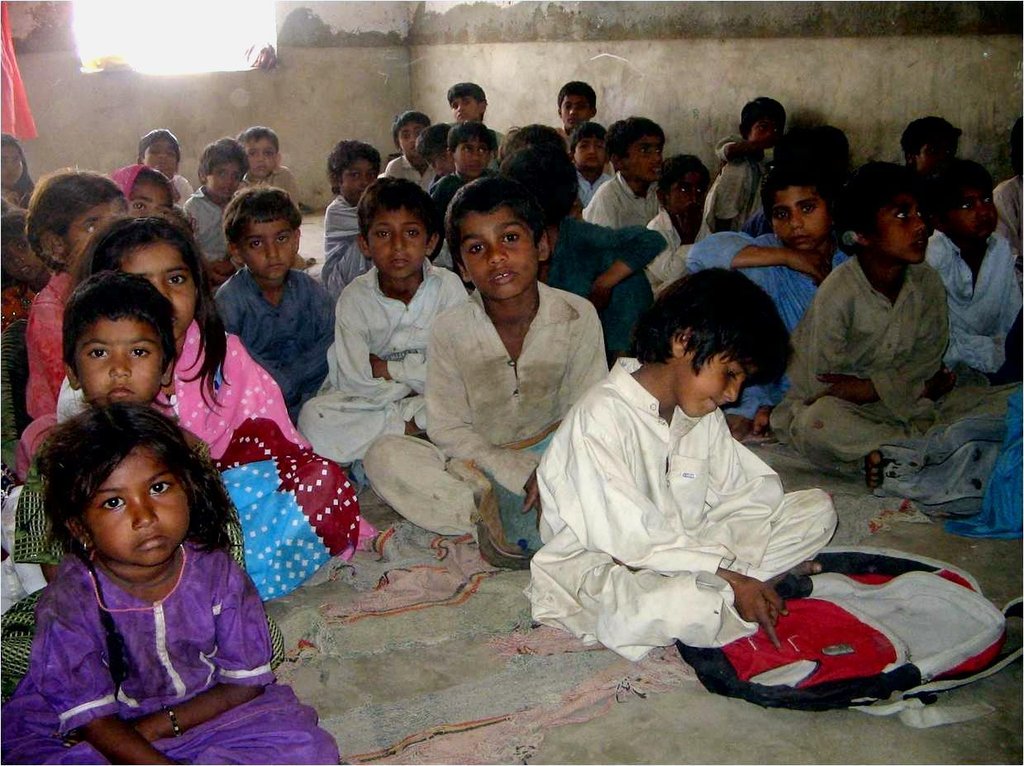
Grambangla Unnayan Committee (GUC), a non-government, non-profit voluntary development organization working with the waste picker community at Matuail Sanitary Landfill since May 2009. em(POWER) Energy Group, Inc. USA, an American organization is willing to raise funds for some research and development activities to be implemented through GUC for human development of the waste pickers through transforming waste into resources.
The project will aim to explore the situation of waste recycling and prospects of more businesses for the waste pickers in recycling and to develop a participatory planning for understanding and improving the current waste stream, improving efficiency for recyclable sorting, collection of organic wastes for waste-to-energy initiative from the manual driven waste carrying vans, turning organic waste into biogas and electricity and high quality compost.
Rationale of the Project
Waste traditionally has been seen having no value. Traditionally ‘valueless’ streams of waste can be considered as resources for a new tier of the economy. They can be reduced, reused and recycled through greater efficiency and management at every stage of production and consumption.
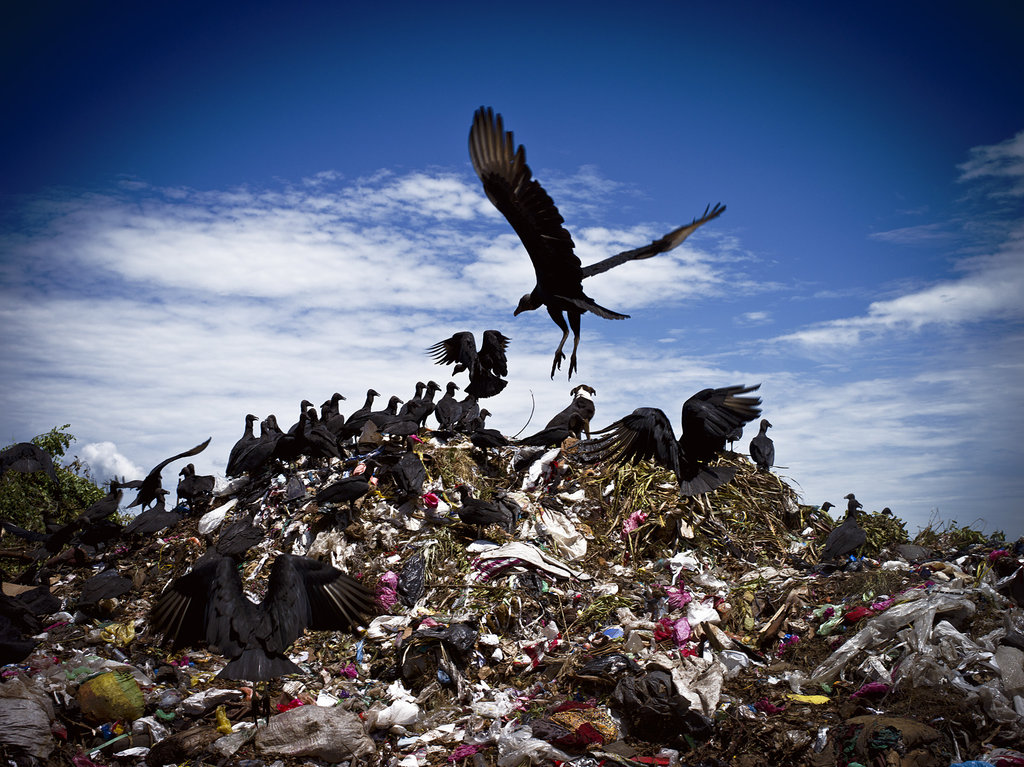
Towns and cities of Bangladesh, which are hubs of rapid economic development and population growth, generate thousands of tons of waste from domestic, industrial, commercial, health care facilities and agricultural sources that must be managed daily. Low collection coverage, unavailable transport services, and lack of suitable treatment, recycling and disposal facilities are responsible for unsatisfactory waste management, leading to water, land and air pollution, and for putting people and the environment at risk. At present there is no guideline or rules available for management of solid waste in the country. No incentive or support is available from government to promote and support cleaner production practices amongst the industries.
This project will also facilitate the waste pickers for collecting and sorting of wastes in a safer environment to promote livelihood for a large number of the urban poor and advocate for waste picker rights. This project will facilitate the waste pickers’ efforts to earn their livelihoods through reusing and recycling of waste, and reducing greenhouse gas emissions. This project will help build capacities of the waste pickers and small enterprises engaged in waste collection.
This Initiative for will considerably contribute to climate change mitigation efforts of Bangladesh by conserving resources, saving energy, and cutting greenhouse gas emissions. Moreover, this initiative will also help create more jobs for the urban poor especially the waste pickers and strengthen economy. Thus this initiative will help build a more just and fair society for waste pickers.
Purpose of this project
em[POWER] Project Bangladesh seeks to revitalize the waste picking community of Bangladesh using a modular and scalable cooperative development model based on renewable resources.
By coordinating and streamlining the waste utilization process of waste pickers, the em[POWER] model will explore the situation of waste recycling and prospects of more businesses for the waste pickers in recycling and to develop a participatory planning for improving the sorting efficiency of recyclables, collection of organic wastes for waste-to-energy initiative from the manual driven waste carrying vans, turning organic waste into biogas and/or electricity and high quality compost, providing the nucleus for a host of community-owned businesses. Earnings from the social business of waste recycling will in turn be invested for improved community access to energy (gas, electricity etc.), enhance educational opportunities, increase businesses of waste recycling and composts, improve local health, and raise worker wages, while reducing greenhouse gas emissions and waste overflow.
Objectives of the Project
The board objective of the action research is to alleviate poverty situation through adopting some innovative approaches for transforming wastes into resources of the waste pickers in Dhaka City.
The specific objectives of the project are as follows:
Activities of the Project
To achieve the objectives of the project the following activities will be carried out:
i. Implementation of a system for separation of household waste at the source (household, shop, industry etc.) with the help of 5 waste collection van owners and 10 waste pickers;
ii. Organizing community meetings and distributing information, education and communication materials (leaflets, posters and billboard etc.) to promote behavior change regarding source separation of wastes at households
iii. Establishing a small anaerobic digester for turning organic wastes into biogas and electricity and high quality compost;
iv. Development of a nursery business using composts produced by organic wastes
v. Development and use of appropriate recycling technologies for producing and marketing of household recycled paper products from recycled paper (social business of recycled paper)
vi. Sorting of waste materials collected by the waste pickers’ cooperative members to reduce waste and to promote their livelihoods
vii. Organizing monthly meetings of the waste picker cooperative members
viii. Documentation of current situation of waste recycling, waste recycling technologies and business of recycling sector in Bangladesh
Immediate Outcomes of the Project
The major immediate outputs of the project will be as follows:
i. 1 anaerobic digester i.e. waste-to-energy plant established and operated for capturing methane gas, using the gas for power generation to support with energy the school, daycare centre and other social initiatives of GUC;
Project Area
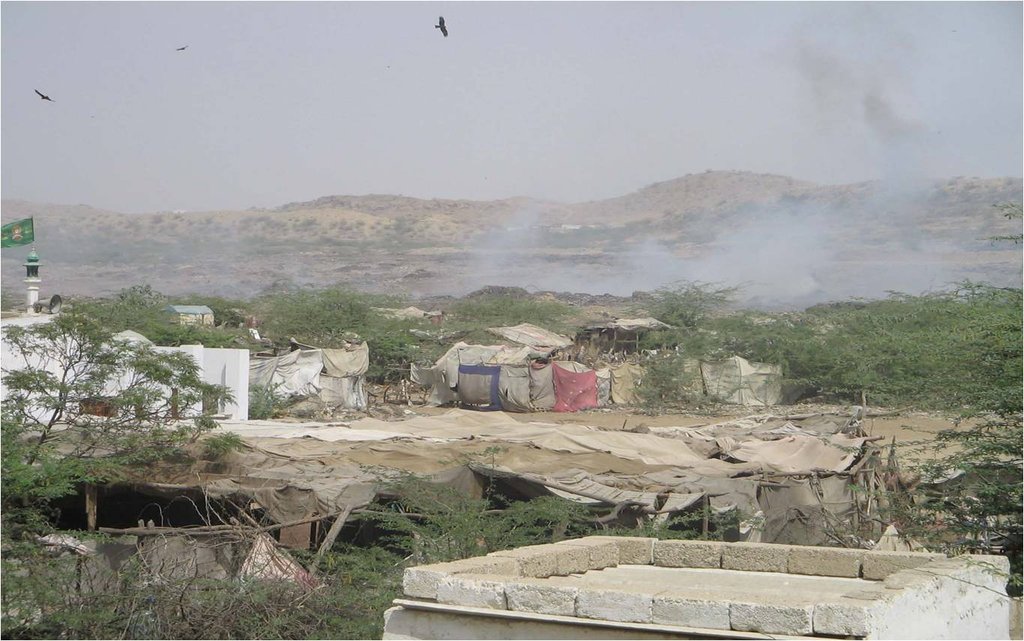
The project area will be one of the garbage dumping sites of DhakaCity Corporation i.e. Matuail Sanitary Landfill and its nearby areas.
Progress of 1st Quarter
8.1 Establishment of Anaerobic Digester: The purpose of this activity is to establish a anaerobic digester i.e. waste-to-energy plant and to operate it for capturing methane gas, using the gas for power generation to support with energy the school, daycare centre and other social initiatives of GUC. The design of the anaerobic digester was shared with the em[POWER] team earlier. Following the design in mind we explored the sources for procuring materials for construction of a portable anaerobic digester since the land is rented and not owned by GUC. Primary we discussed with the IDCOL team in Dhaka to know their experiences and we discussed twice with Mr. Wahidur Rahman, the Head of Technical Division, IDCOL. After first time discussion with Mr. Wahidur Rahman we discussed with the Factory Manager of Madina Tank Company and Aqua Tank Company to construct a tank which will be hard enough and that do not deform after emission of biogas from the tank (anaerobic digester). In this regard we organized another meeting with Mr. Wahidur Rahman, the Head of Technical Division, IDCOL and Mr. Zafor Ahamed, Senior Executive of Madina Tank Company. Generally the tank producers in Bangladesh use uPVC [Unplasticized poly(vinyl chloride)] in tank production so it is not so hard to keep its form unchanged. Madina Tank used High Density Polyethylene (HDPE) long with uPVC in production of our tank to make it hardy than usual. IDCOL reported that in Netherlands HDP is used for production of tanks for using in biogas plant. We ordered Madina Tank to produce a 2000 litre tank and they took 15 days to deliver it after production.
We have received the tanks to be used in anaerobic digester at our site. During production the project manager of GUC (Mr. Reza) visited the factory at Gazipur to bore two holes on the tank to be used as outlet and inlet of the digester. The holes are of 5 cm diameter each, one is at the bottom and another is at the location where the outlet pipe will be connected. Around 80 percent space of this tank (1600 litres) will be used for kitchen waste and water and rest of the 20 percent space (400 litres) will be used for gas holder. It will take another one week to fix the inlet and outlet pipe and arrange initial works for gas production.
The ratio of kitchen waste and water will be 1: 1.2. At the first day 877 litre water and 727 kg of kitchen waste as initial charger in the tank. After that everyday 4 kg of kitchen waste and 6 liter of water will be added through inlet. We will have to maintain the pH level at around 7 (6.5 – 7.5) so that the mixture does not be alkaline or acidic. We will also avoid alkaline (soap, detergent etc.) or acidic (lemon) content to add with kitchen waste. We will ensure fresh water from the nearby t
Links:
Project reports on GlobalGiving are posted directly to globalgiving.org by Project Leaders as they are completed, generally every 3-4 months. To protect the integrity of these documents, GlobalGiving does not alter them; therefore you may find some language or formatting issues.
If you donate to this project or have donated to this project, you can receive an email when this project posts a report. You can also subscribe for reports without donating.