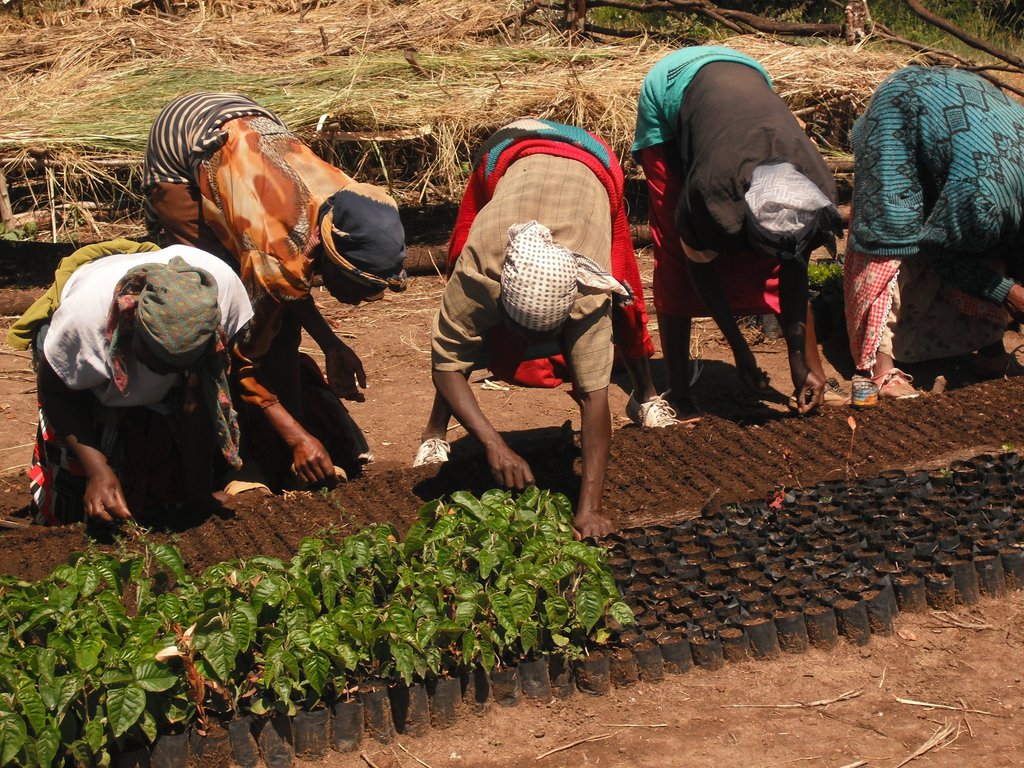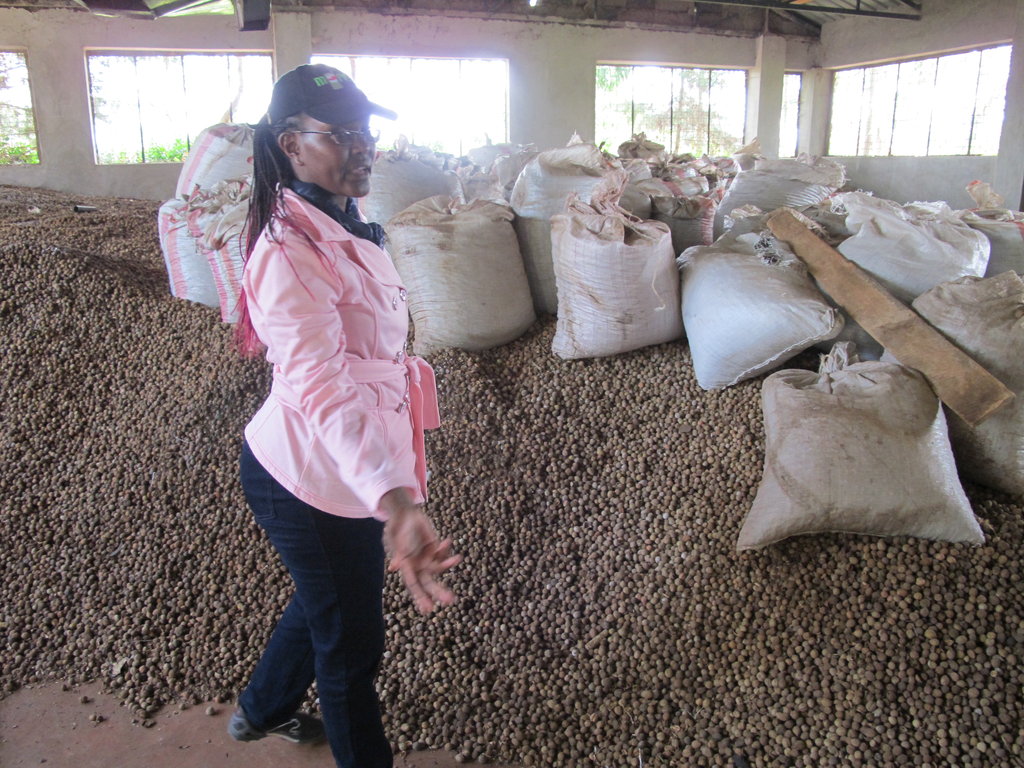
This project seeks to support 3000 rural women and youth, whose agricultural based livelihoods are threatened by the effects of climate change. The support makes it possible to generate alternative livelihoods for the target group, through sustainable management of cape chestnut seeds (yangu oil), found in public forest. This alternative livelihood, unlike agriculture, is less vulnerable to the impact of climate change.
Traditional livelihood strategies (mainly agriculture) are increasingly becoming untenable due to the effects of climate change. And despite the existence of untapped resource and economic opportunities linked to non-wood forest products (NWFPs), there is little knowledge and skills in their sustainable management. Local communities have no access to technologies for processing NWFPs. This project benefits women and youth with climate-smart alternative livelihood.
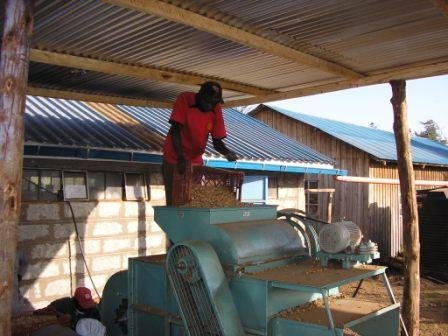
Preliminary investigation in the project area indicates 250,000 trees of mature cape chestnut, capable of producing 50000 litres of essential oil (US$ equivalent 224000/year). The project intends to build the capacity of 3000 women and youth, through training, access to technology and market, to sustainably exploit this potential.It will help these two group to organize into viable business entities, capable of managing the resource in a market-led conservation approach.
We will build the capacity of 3000 women and youth to generate alternative income and employment opportunities, from a local renewable resource, allowing them out of a vicious cycle of poverty and making them more resilient to the effects of climate change. The project benefits 1800 women and 1200 youth. This group currently bears the brunt of climate change, in form of increasingly poverty and food insecurity, youth unemployment and under-employment and environmental degradation.
This project has provided additional documentation in a Microsoft Word file (projdoc.doc).