By Farukhkha Husenkha | Sociologist - Whale Shark Conservation Project
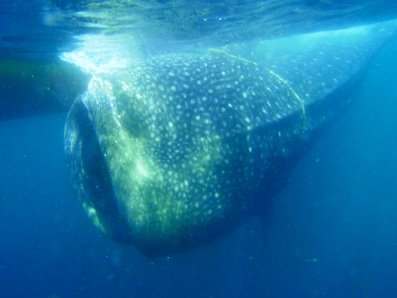
In March this year, the project team received first cogent evidence of whale shark pups being found along the Gujarat coast. A young pup was caught in the net of a local fisherman – Mohan Beem Solanki – in Sutrapada. Following years-long tradition imprinted in the fishing community of Gujarat through the internationally-acclaimed Whale Shark Campaign, Solanki set the whale shark free.
When he called in the incident, Solanki was unaware of the flutter created by this serendipitous discovery. There were of course anecdotal reports about pups being found in Gujarat – after all Shri Morari Bapu ji had used this information in his discourses as part of the Whale Shark Campaign. But this was cold hard evidence! Thus began our search for more information on whale shark pups.
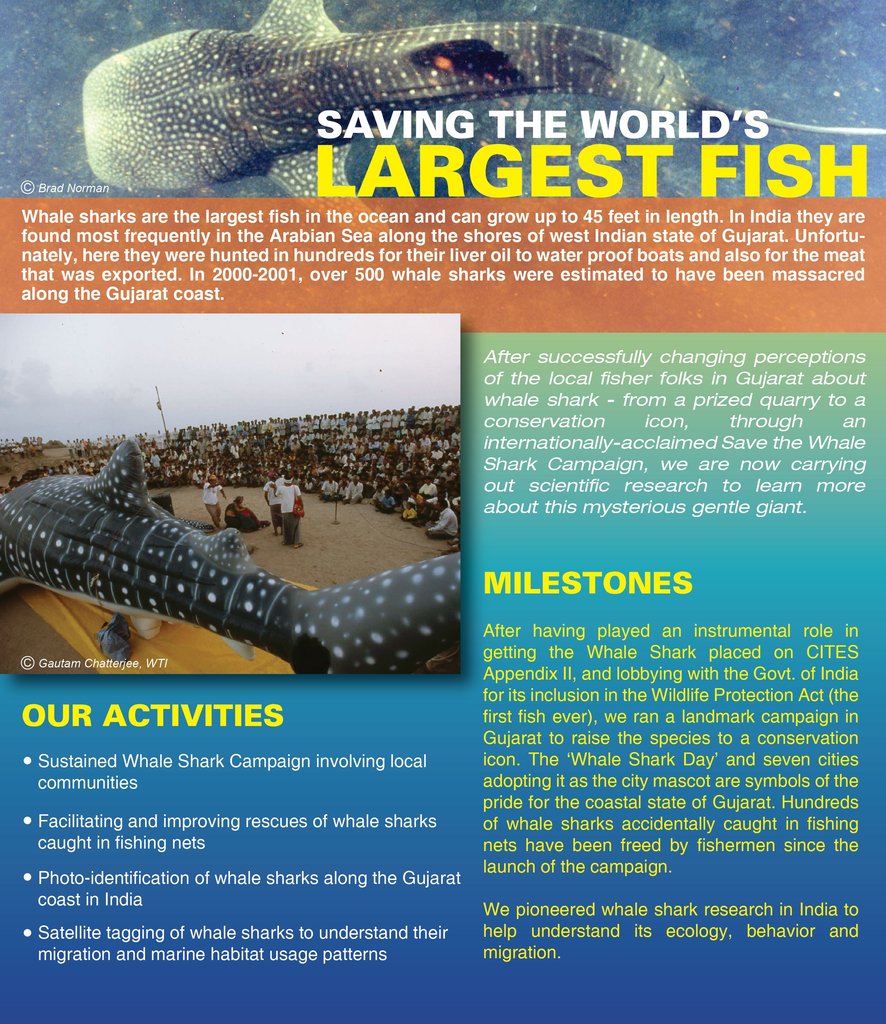
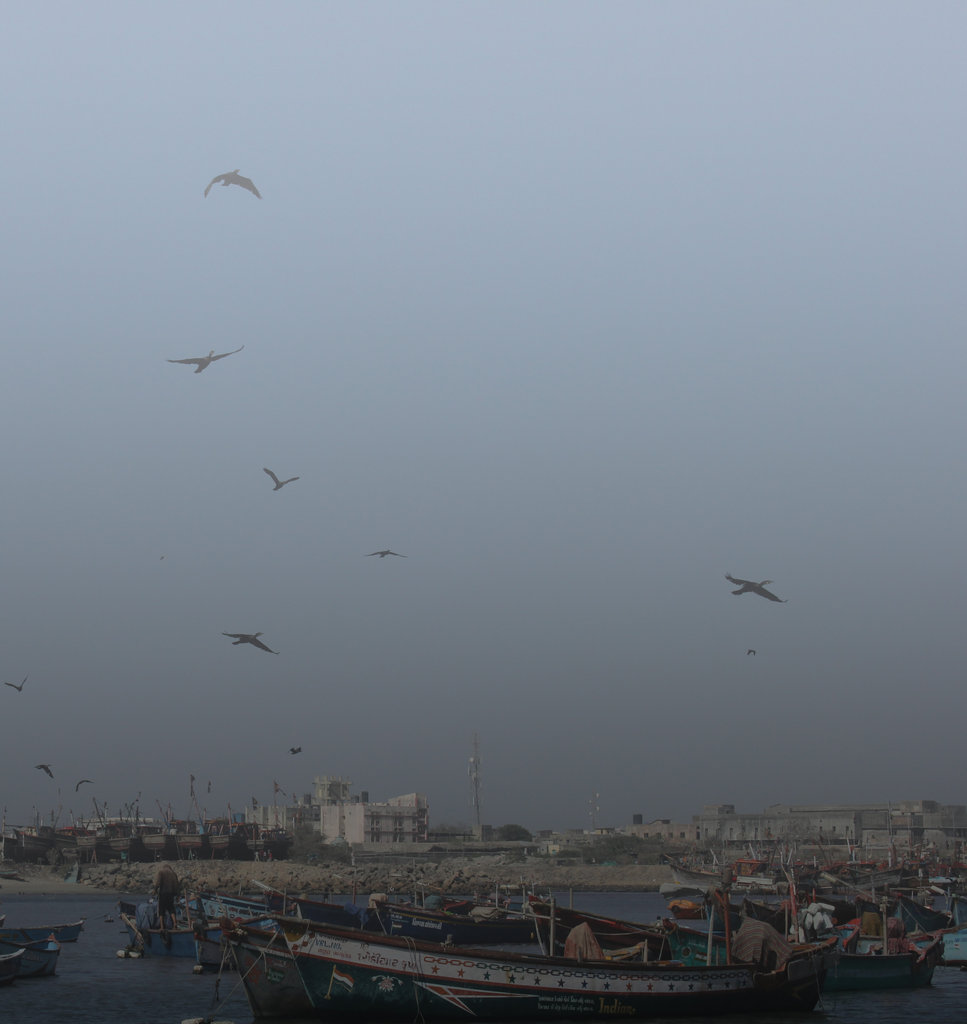
Since mid-April, I have visited fishing hamlets in Veraval, Sutrapada and Dhamlej, talking to over 300 local households there about whale sharks, about the campaign, and how they feel about seeing or rescuing the world’s biggest fish.
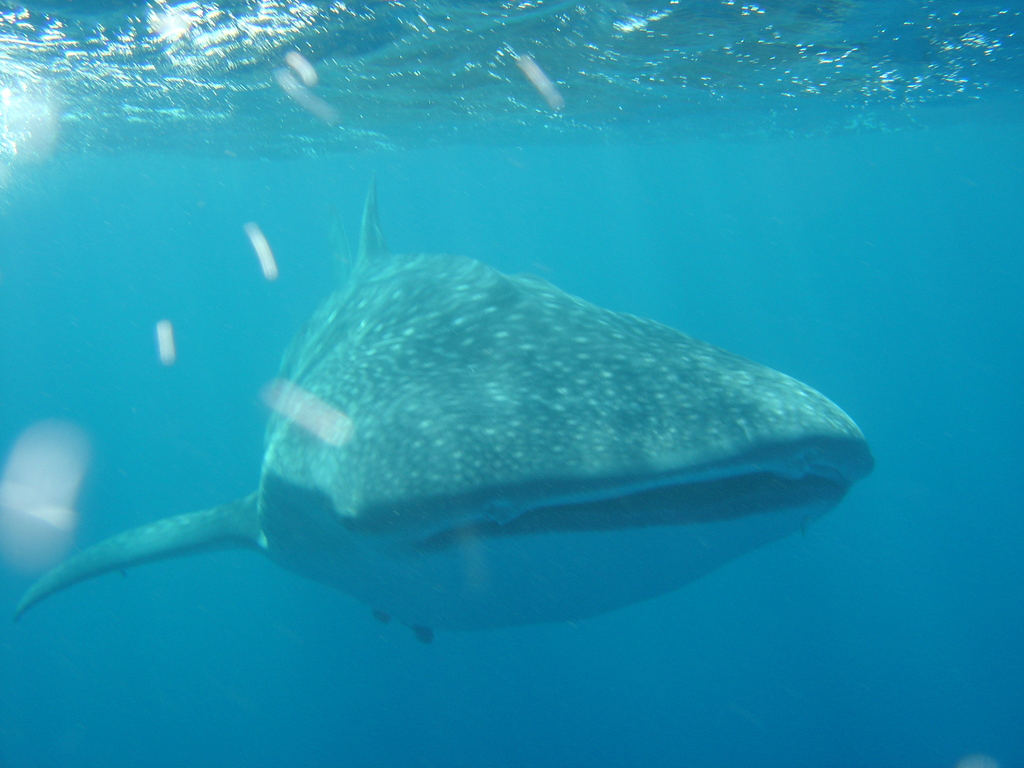
When I met Solanki, he told me about the tiny pup he had released from his net, and we collected and verified the rare visuals of the baby whale shark. The story soon made waves in the media as this little discovery indicated that these amazing fish were pupping off India's west coast.
Even as we went about asking the fishing communities whether they had seen or – hopefully – photographed a whale shark pup with the cameras we had provided them to facilitate self-documentation during rescues, the fishermen themselves started approaching us with information on the pups. Within a month, we had reports of four pups spotted off Gujarat’s coast.
This was a considerable find for the project. All the pups caught seemed to be between 1 and 3 months old – the size of an arm – indicating that the fish may be breeding, and definitely pupping in Indian waters.
For me, it has been a humbling experience, learning about the whale shark and the lives of the fishermen who have turned saviors of this fish. Our biologists are currently stranded on land as the monsoon seas are out of bounds for reasons of safety. We, therefore, went about exploring and extracting information from the only available virtual library on fish – the fishing communities. There is always a lot to learn and the more we learn, the better we can contribute to save ‘Vhali’ - the Dear One of Gujarat.
Project reports on GlobalGiving are posted directly to globalgiving.org by Project Leaders as they are completed, generally every 3-4 months. To protect the integrity of these documents, GlobalGiving does not alter them; therefore you may find some language or formatting issues.
If you donate to this project or have donated to this project, you can receive an email when this project posts a report. You can also subscribe for reports without donating.