By Murilo Oliveria | Project Manager, Zambezia Province
Consolidating the initiative and preparing to go beyond
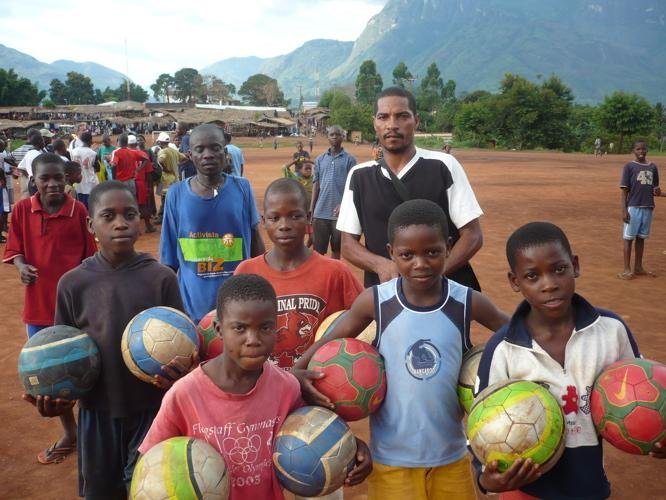
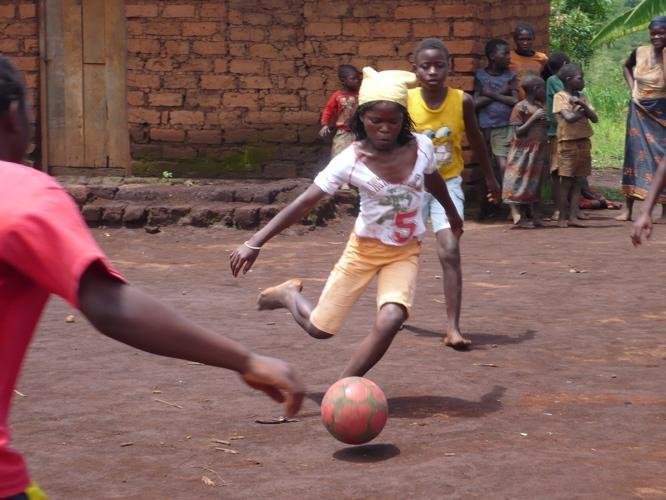
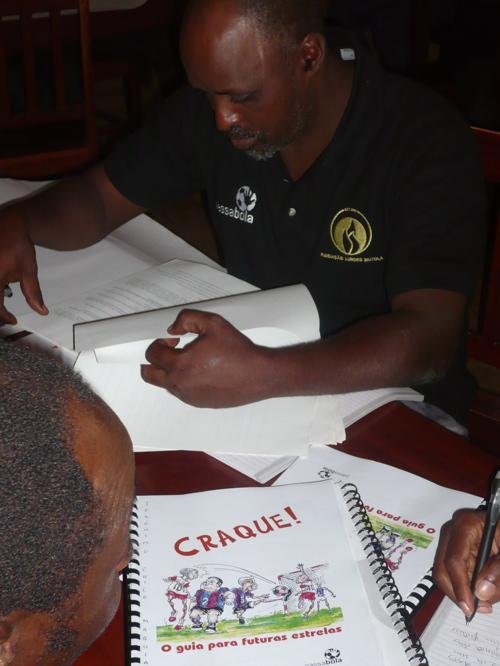
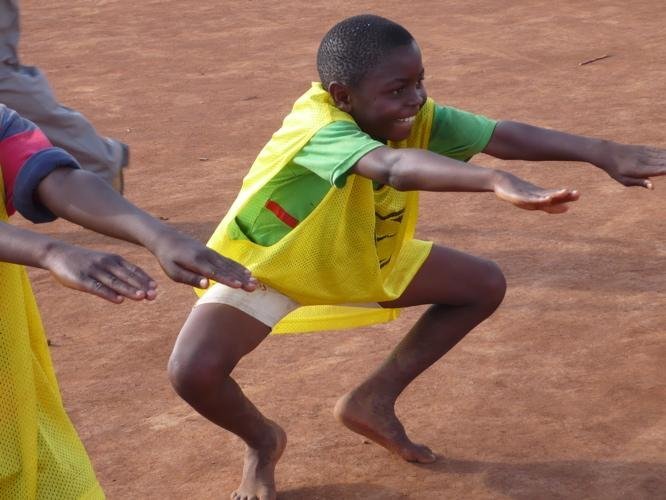
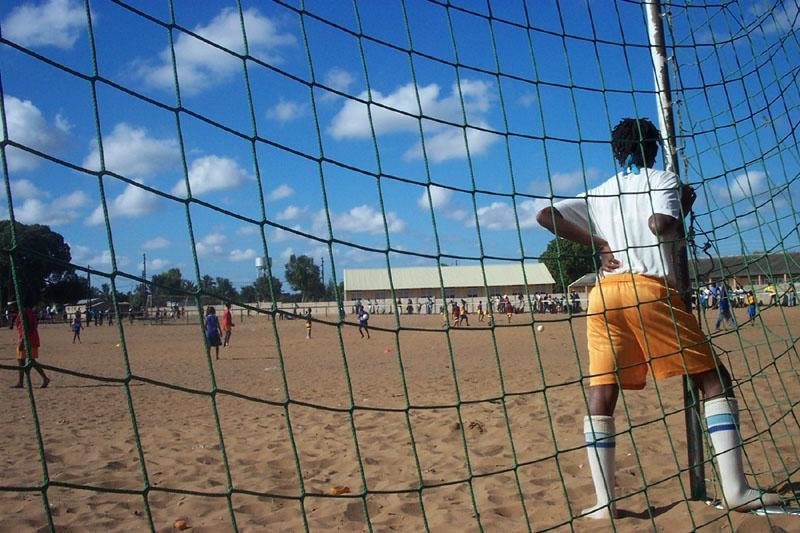
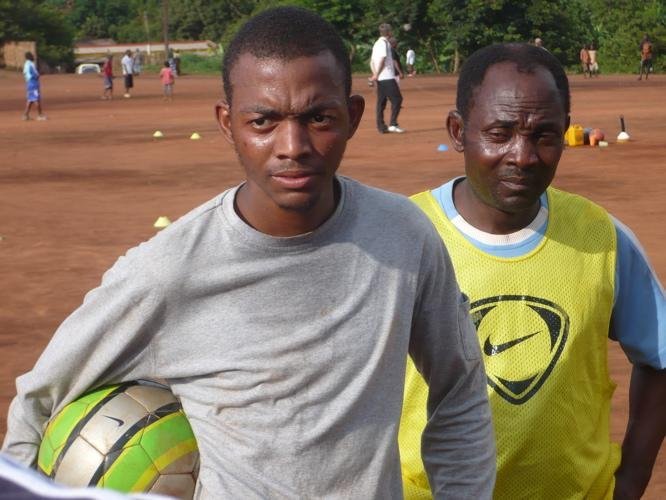
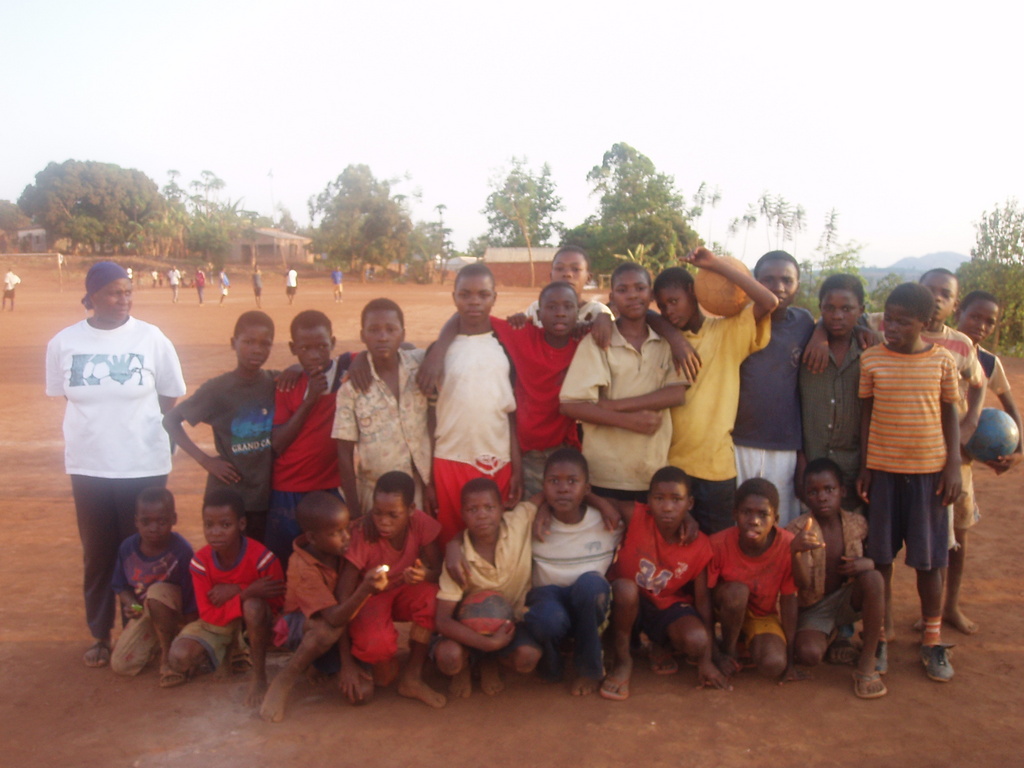
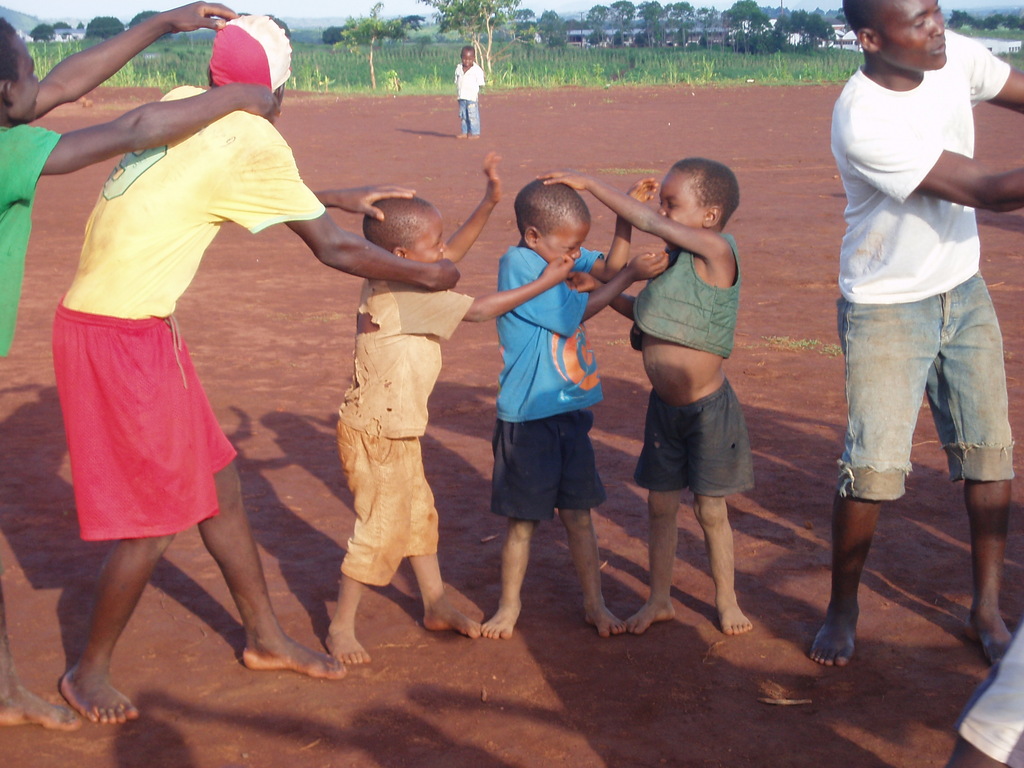
During the first quarter of the year a lot of energy was spent in building the “quality” concept amongst our team of volunteer coaches. We have a lot of people playing on many soccer fields within the district, and improving the skills of both coaches and athletes was a significant part of our agenda.
To increase the quality you need to do more than feed technical knowledge. There is a lot more we need to do in order to advance further and meet our objectives. We are working on rehabilitation of fields in schools and inside the communities, planning with the Ministry of Education of the District, the Municipality and the coaches themselves, we choose fields and provide goalposts and material to create boundries, to each team we give jugs and cups, so they can bring water to the trainings and also, we are encouraging them to democratically elect the team names and symbols in order to have they ready for a league that will be happening during the next school holidays. The system of rewards is now fully implemented and will be perfected as we advance and receive feedback from coaches and staff.
This attempt to raise our quality status bar had a major opponent although, and it is called rain. Gurué is known as a district with a high humidity climate, with the peak of precipitations between December and ends of April. All this rain ends up disturbing the routine of trainings not only because the water itself but also because this is the time that most of the families travel far away to their machambas (crops) to cultivate and bring their children with them. The maintenance of some fields is also prejudiced because there is a local tradition to cut the grass only after the strong rain period ends. We are working to change this mentality because tall grass plus water is not just a barrier to the practice of sports but is also a channel to spread diseases like Malaria. With some teams/communities the strategy seems to be working and they are now doing a “team clean” action in their training fields.
Even with the rain and other constrictions like transport and the fact that some fields or communities are accessible only by motorcycle, which we don’t have, or by foot, our team was able to conduct 50 visits from March to April. From those visits, 32 were successful, with coaches working in their scheduled time with their children. We learned during this that some teams are a little small, with 10 athletes, and some are really huge, with more than 150 children playing. From the number of children noticed during the visits we calculated an average of 32 children per session and in terms of active coaches we have a number of 50, distributed all across the District and the two administrative Posts, with the remotest field at a distance of 190km. The calculated impact of the project nowadays is of at least 1600 children regularly playing soccer among the communities.
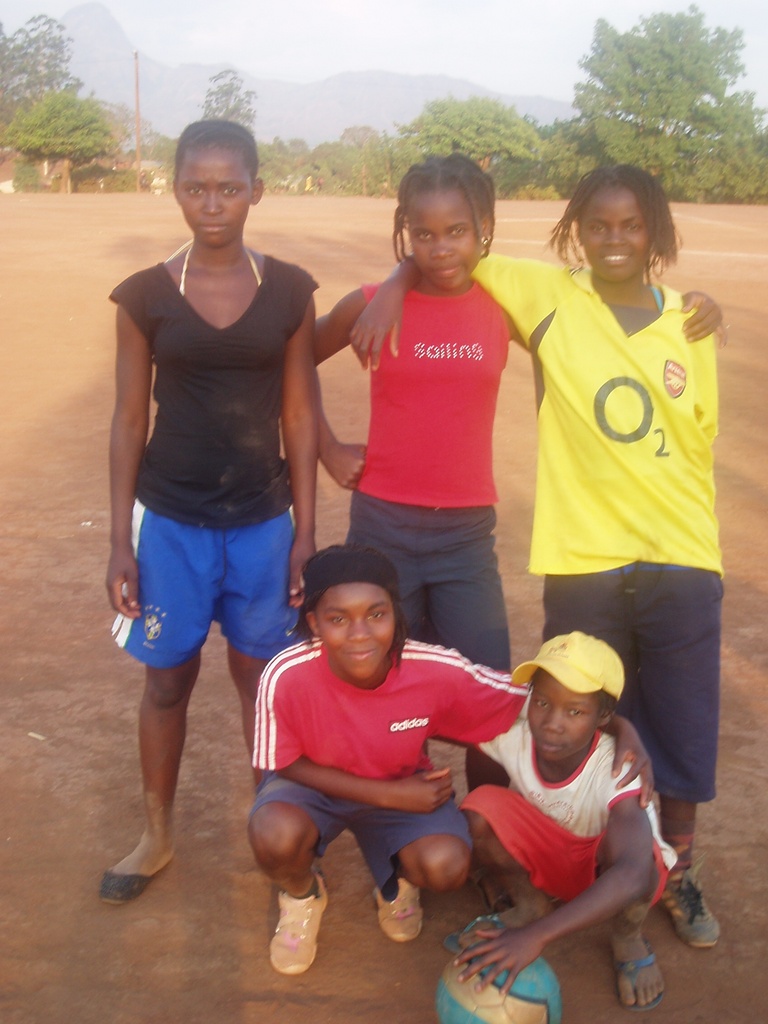
Thanks to the effort on sensitization among the community and the commitment we saw with some of our female coaches and athletes, we have now two women working in our staff as technical assistants. They bring with them not only new blood and energy but also the knowledge and the experience of the challenges that women face to practice soccer or any other sport in the rural areas of Mozambique.
Project reports on GlobalGiving are posted directly to globalgiving.org by Project Leaders as they are completed, generally every 3-4 months. To protect the integrity of these documents, GlobalGiving does not alter them; therefore you may find some language or formatting issues.
If you donate to this project or have donated to this project, you can receive an email when this project posts a report. You can also subscribe for reports without donating.