By Jacqueline Lee | GlobalGiving InTheField Representative
Jacqueline Lee is an InTheField Traveler with GlobalGiving who is visiting our partners’ projects throughout Southeast Asia. Her “Postcard” from the visit in Phnom Penh, Cambodia:
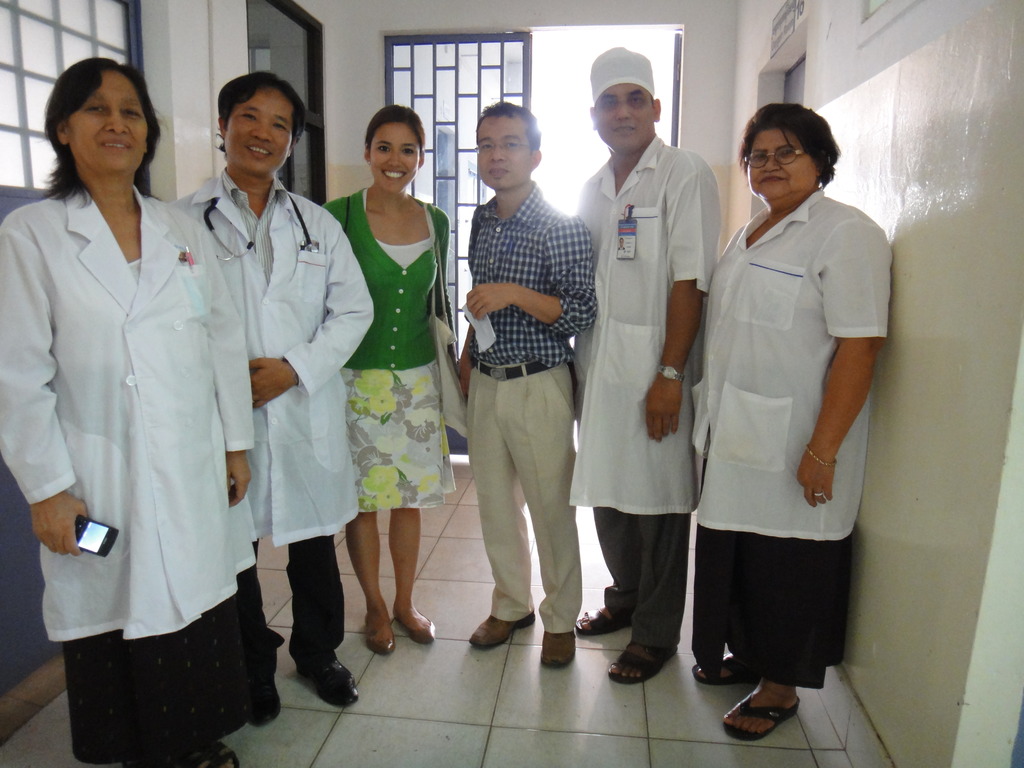
On Feb 29, 2012 I met with Dr. Sok Thim, co-founder and Executive Director, and Ung Prahors, Deputy Director, of Cambodian Health Committee in order to learn more about and visit the Khmer Soviet Friendship Hospital treating those affected by Tuburculosis and HIV.
The day started with an introduction and background of Cambodian Health Committee and how it has developed into the now, Global Health Committee, in response to an expansion and replication of the successful local model of treatment and care.
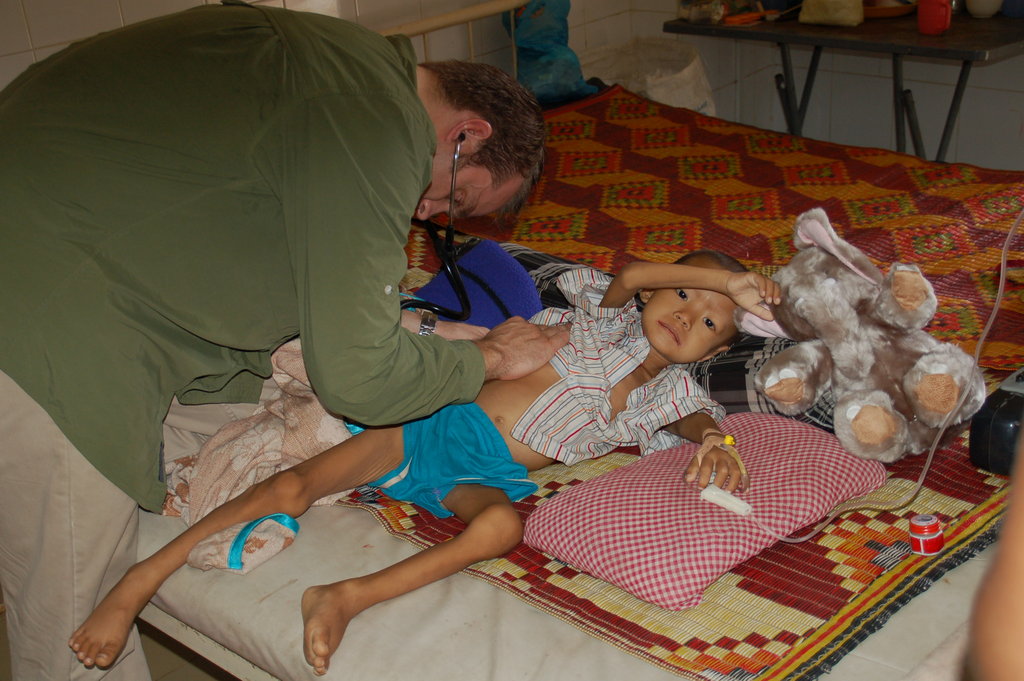
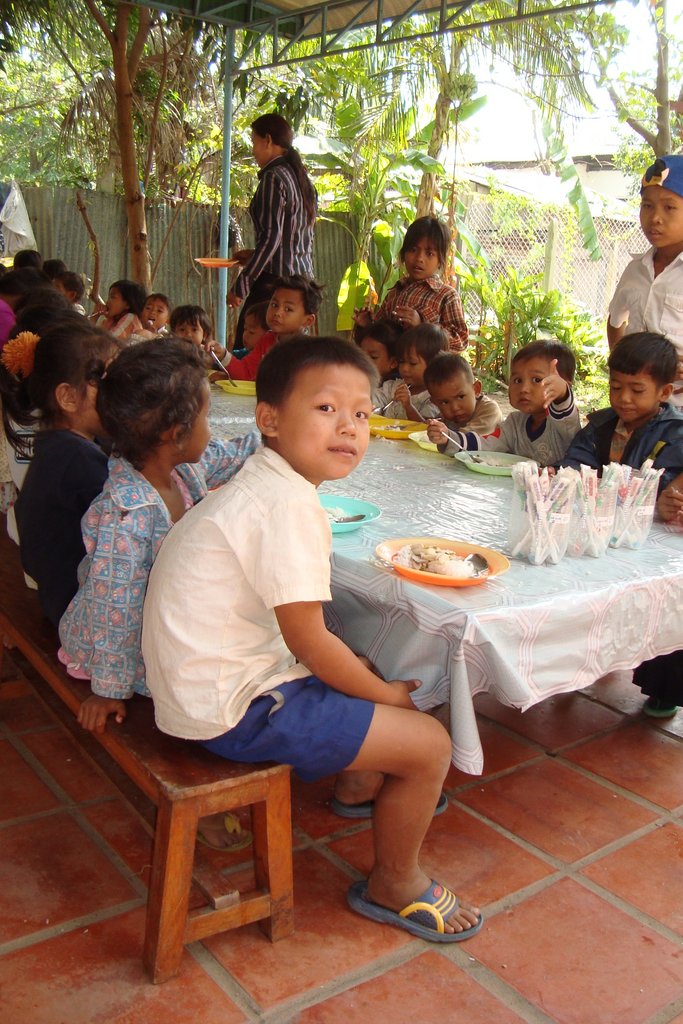
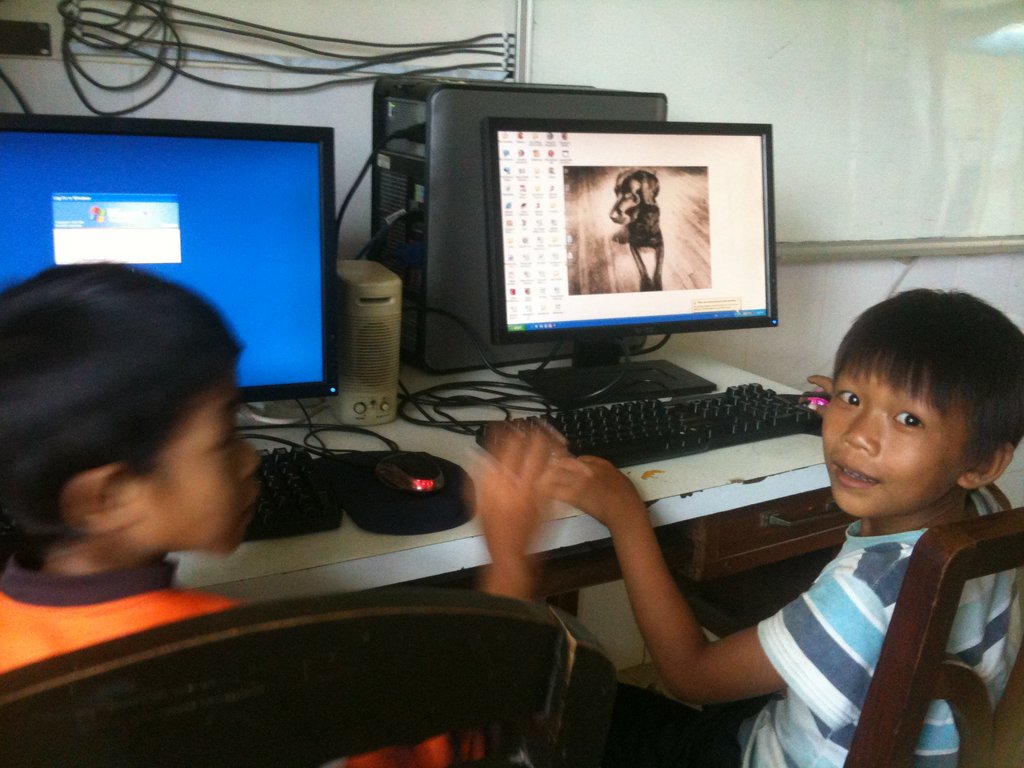
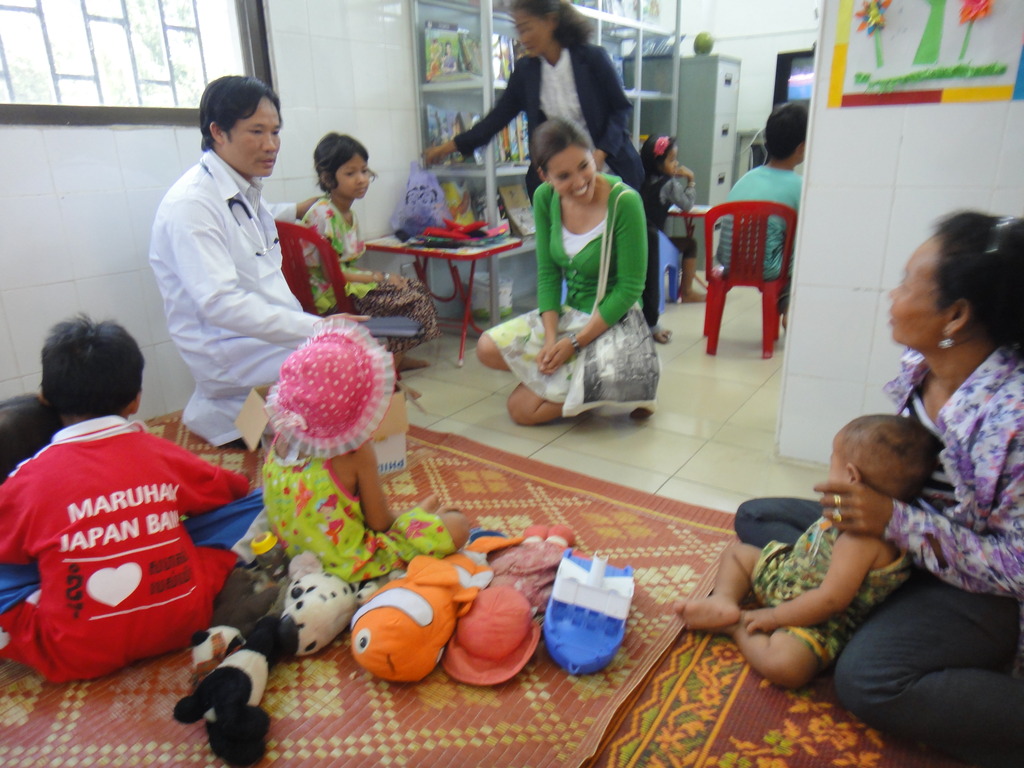
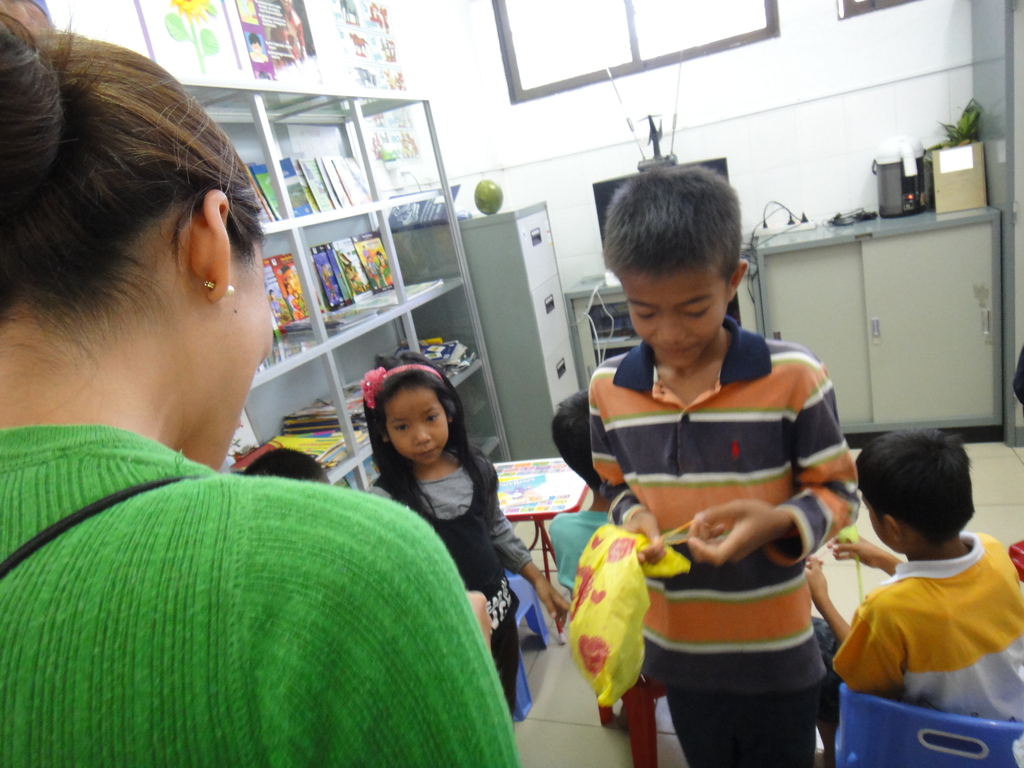
After touring the new office and meeting staff, Prahors, the Deputy Director, took me to the Khmer Soviet Friendship Hospital to visit the Pediatric Ward and the Sullivan Center of Excellence for Pediatric AIDS and TB Care. The hospital was extremely busy - doctors and staff consulting patients on individual cases, taking blood samples in another room, one room specifically for case management and data entry in order ensure proper documentation and care of each patient, a kitchen to deal with malnutrition for the youth, and a play room for kids waitng full of books, videos, and toys.
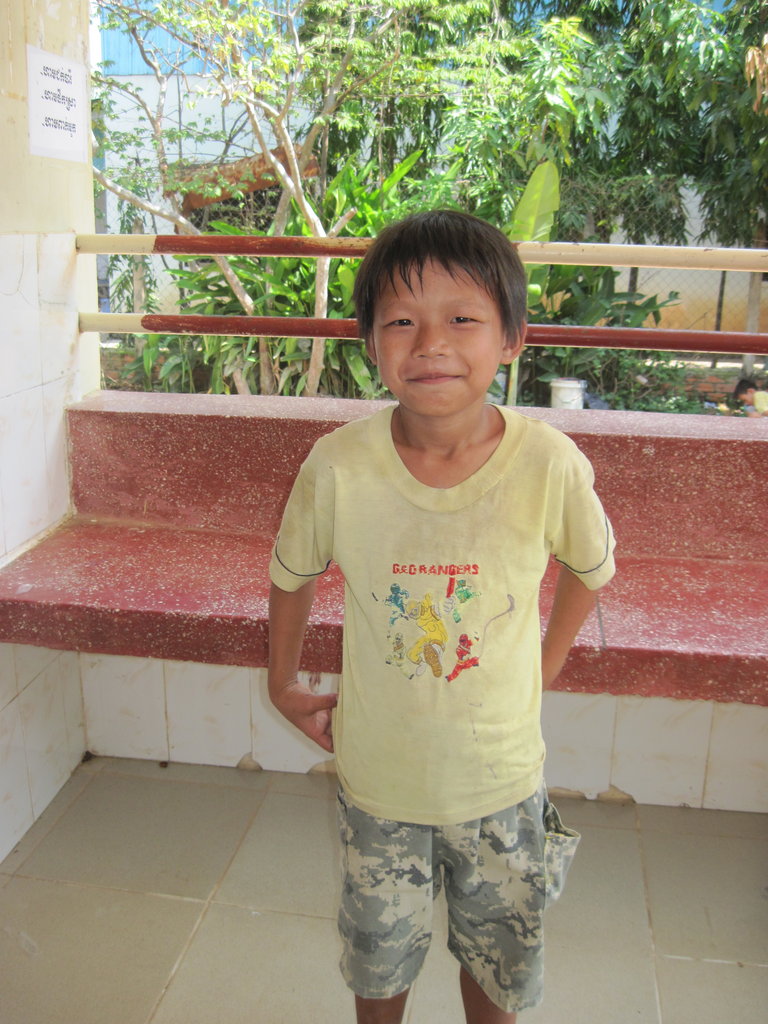
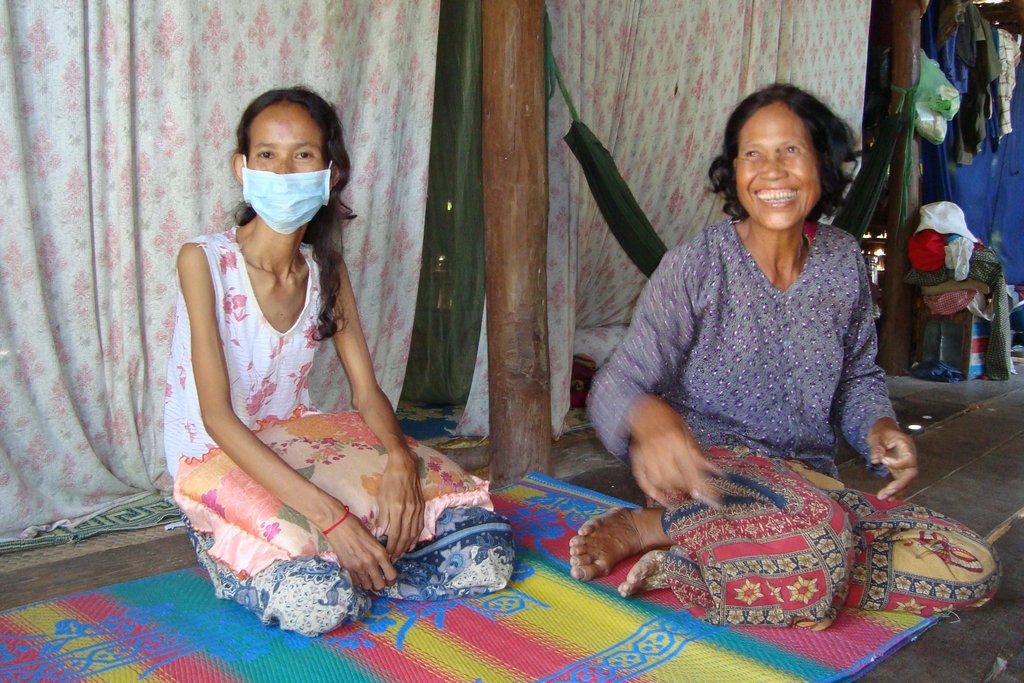
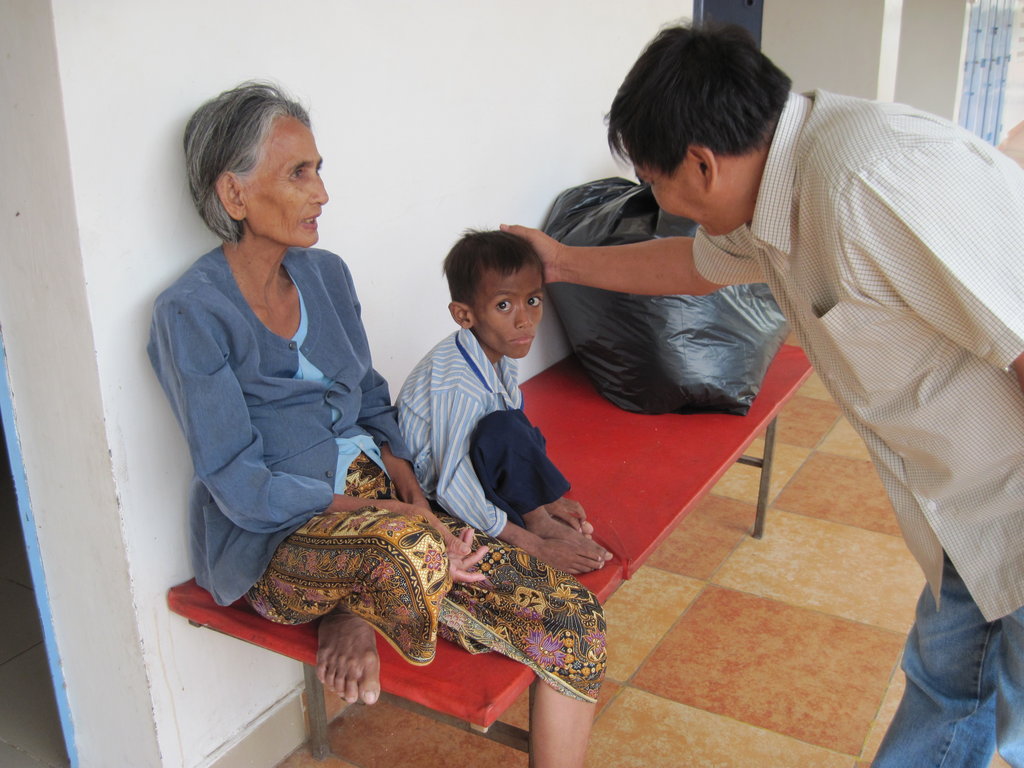
I was able to meet several of the children who were being treated by Cambodian Health Committee, as well as their families. One woman was there because one child had HIV and the others did not, so CHC made sure her and her baby were taken care of also in order to accomodate for their long trek to get treatment for her child. Another girl I met was in a recovery room with an IV to receive the antibiotics as well as food to treat malnutrition. CHC provided transportation for her to get to the hospital - she was still in her uniform straight from school. This is a major goal for Cambodian Health Committee to get more vehicles to safely transport their patients to receive treatment on a regular basis.
The staff I met explained that because of CHC, they were able to provide care and treatment that they would not have been able to with the government program and budget. Cambodian Health Committee was able to fill the gaps and work synchronistically with the Cambodian Ministry of Health, supporting each other's research, treatment, and care for their patients. Another staff member said that because of CHC support, they were able to revamp and improve facilities which were previously very old.
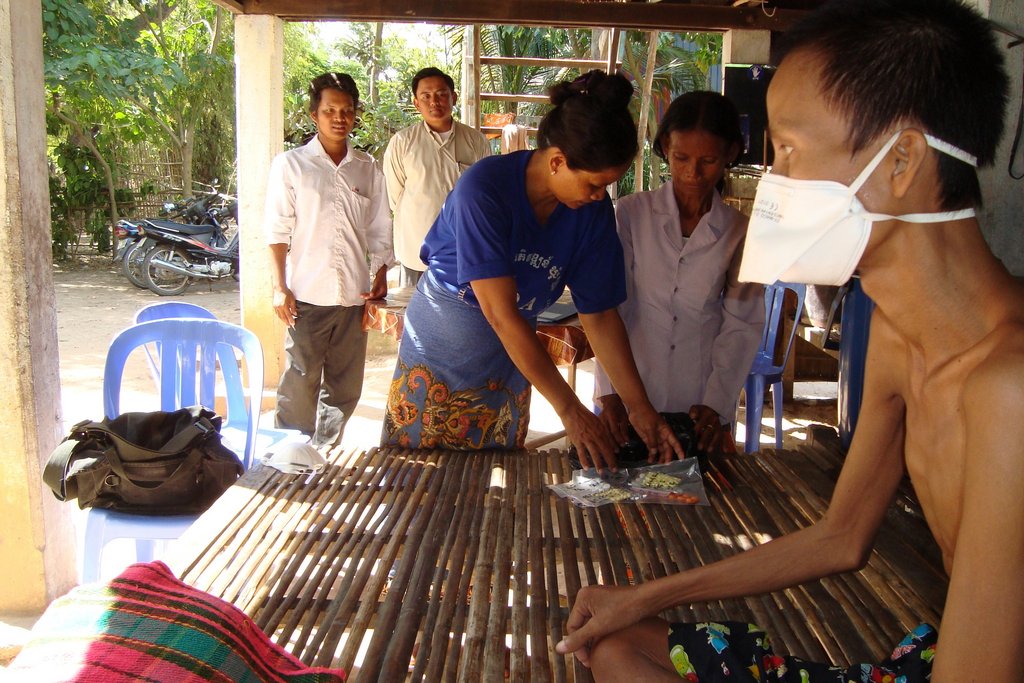
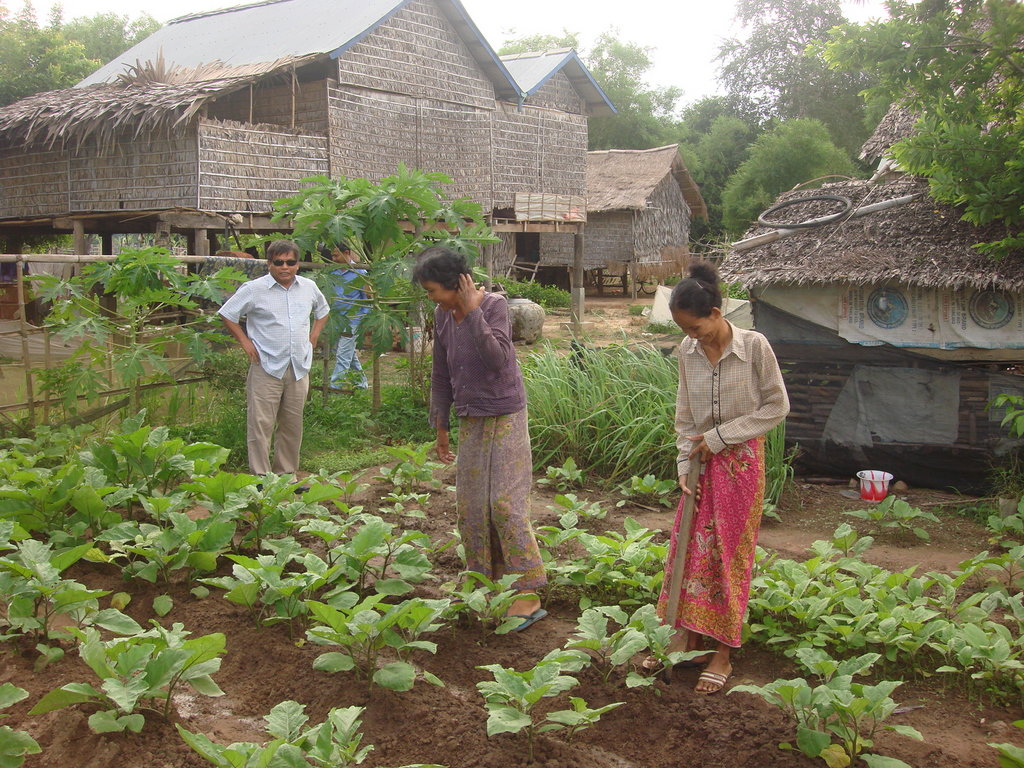
We went up to the main CHC hospital office, and I was able to see the CAMELIA headquarters - a published research collaboration between US, French, and Cambodian clinicians and scientists. The office was an open space used for meetings and tracking HIV and TB cases all over the country on a giant, pin-board, wall map - with color coding to signify different types of medicine-immune cases. I learned that they also have field staff and social workers that go into the communities and work with patients once they can be returned to their homes. CHC believes that the best way to heal is under the least stressors and in their homes (as long as it is safe to go home for families) - as opposed to the traditional belief that patients should stay 100% in the hospital under observation.
Finaly, after this we toured the Pulmonary Center of Excellence for Adult TB and AIDS Care as well as the Maddox Chivan Children's Center for children affected by HIV. Read more about my experience here.
I observed that the patients who are lucky enough to be treated by Cambodian Health Committee/Global Health Committee receive world class care and treatment with research that is innovative and addressing the needs of patients, tackling tough TB and HIV cases, and on the forefront internationally in order to make sure their succesful treatments can be shared with, collaborated with, and replicated around the world. The three major goals of the CHC include: the delivery of first-rate care, the development of new operational approaches with global impact, and the merging of clinical and basic research to pave the way for future treatments. To find out more about Global Health Committee in the news: click here.
Links:
By Anne Goldfeld | President, Global and Cambodian Health Committees
Project reports on GlobalGiving are posted directly to globalgiving.org by Project Leaders as they are completed, generally every 3-4 months. To protect the integrity of these documents, GlobalGiving does not alter them; therefore you may find some language or formatting issues.
If you donate to this project or have donated to this project, you can receive an email when this project posts a report. You can also subscribe for reports without donating.