By Rose Rezai | Grants & Communications Associate
What does it mean to advocate on behalf of our community's most vulnerable youth? One mentor describes his experience:
I am Adam’s first Friend. When I first started visiting him in school, different people would come to me and say: “Oh, are you Adam’s mentor? He has big behavior problems.”He doesn’t have a friend in the world.” His job in class, while other children were working together, was to work by himself and not disturb anyone. During our 1:1 outings, I knew a different child. The child that I knew was gentile, sweet, caring, creative, and very imaginative. He was a pretty good reader when I met him, and a fierce cyclist.
In the summer between 2nd and 3rd grade, he was moved from the regular education classroom to a behavior class in a different school, filled with all boys who were all older than him, bigger than him, and all very outwardly disruptive- and often violent. Adam was out-muscled by bigger kids who had very different boundaries than him. Adam was regularly beaten before, during, and after school and his teachers were not always around to stop it. Adam would get very anxious before going to school and as a result, his mom often kept him home. His studies were suffering. I spent as much time in his classroom as possible to offer extra support. Adam picked up tricks from the other boys and started defending himself using violence, but he was no match for any of the older boys. He started getting suspended almost every week, missing even more school.
I received great support from veteran mentors at Friends of the Children who advised me, and encouraged me. I relentlessly met with staff from the school and called for every meeting that I could to advocate for the removal of Adam, so that he could go to a class that is more appropriate for his needs. I submitted my classroom observations up the educational chain of command; I partnered with every person who could watch out for him while I was at other schools visiting other kids; I educated myself and his family through the maze of the bureaucracy. I called his past teachers from earlier grades to come to school meetings so they could tell the new teachers and administrators that his new behaviors were learned in this new class. One teacher, Ms. Rebecca*, took time off of work to come to a meeting at his school to help set things straight.
In January our hard work finally paid off. Adam was finally moved to a new class in a different school. When I visited his classroom the new teachers in his new class lined up to tell me positive stories of how well Adam is doing. He is a new kid. He is the strongest reader in class. He is popular with all of the students. Parents are asking to set up play dates. Most importantly, Adam looks comfortable and not anxious.
This past week, Adam and I invited Ms. Rebecca on an outing with us. We rode bikes to her neighborhood, picked her up, and rode all over downtown. We went out to lunch with her and thanked her for putting her neck out to support Adam. She was a part of his education, and she’s now a part of his life. At Friends of the Children, I will be with my boys for the long term, but I’ll also invite other positive role models to share time with us as we as a community work hard to support these kids that we love.
- A Friend
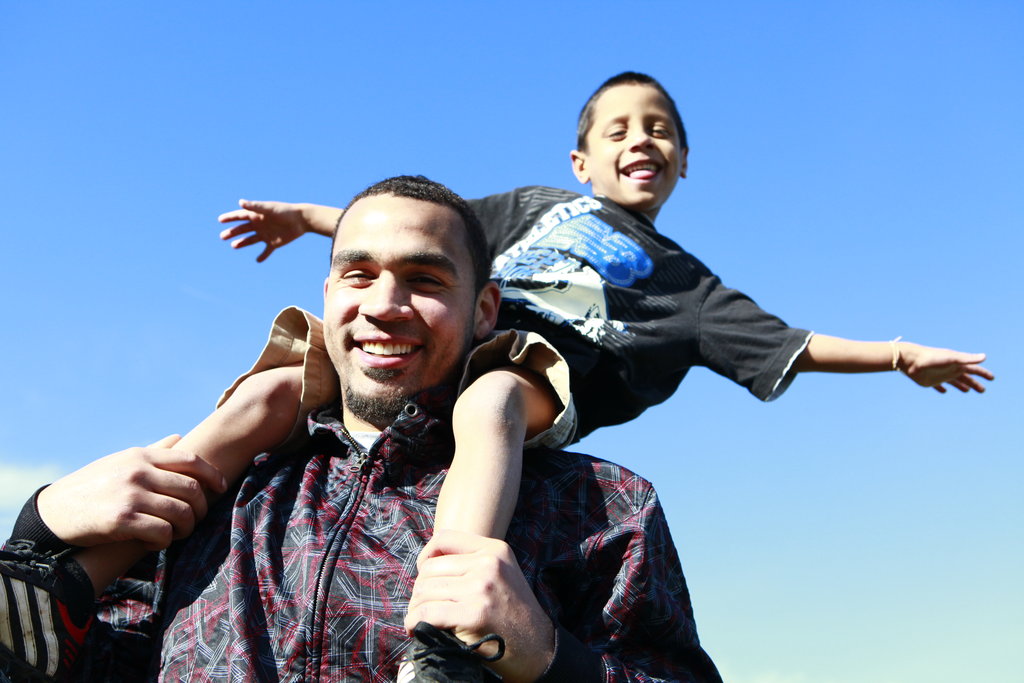
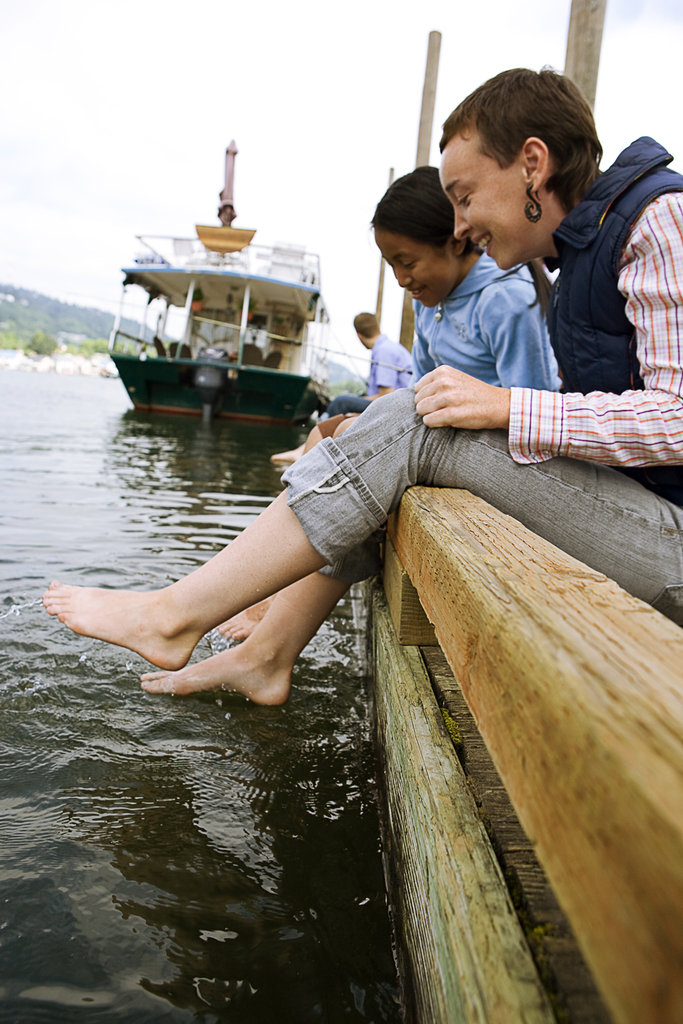
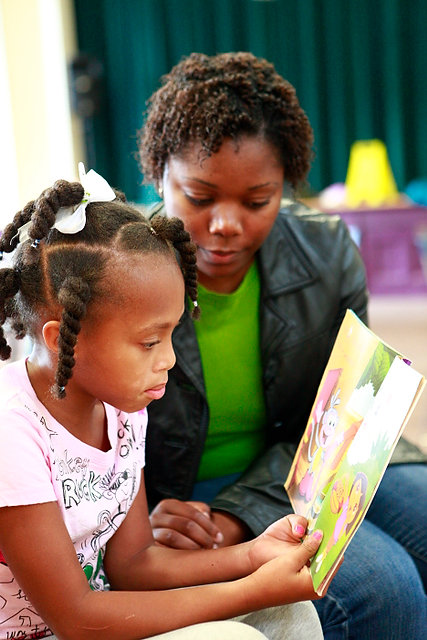
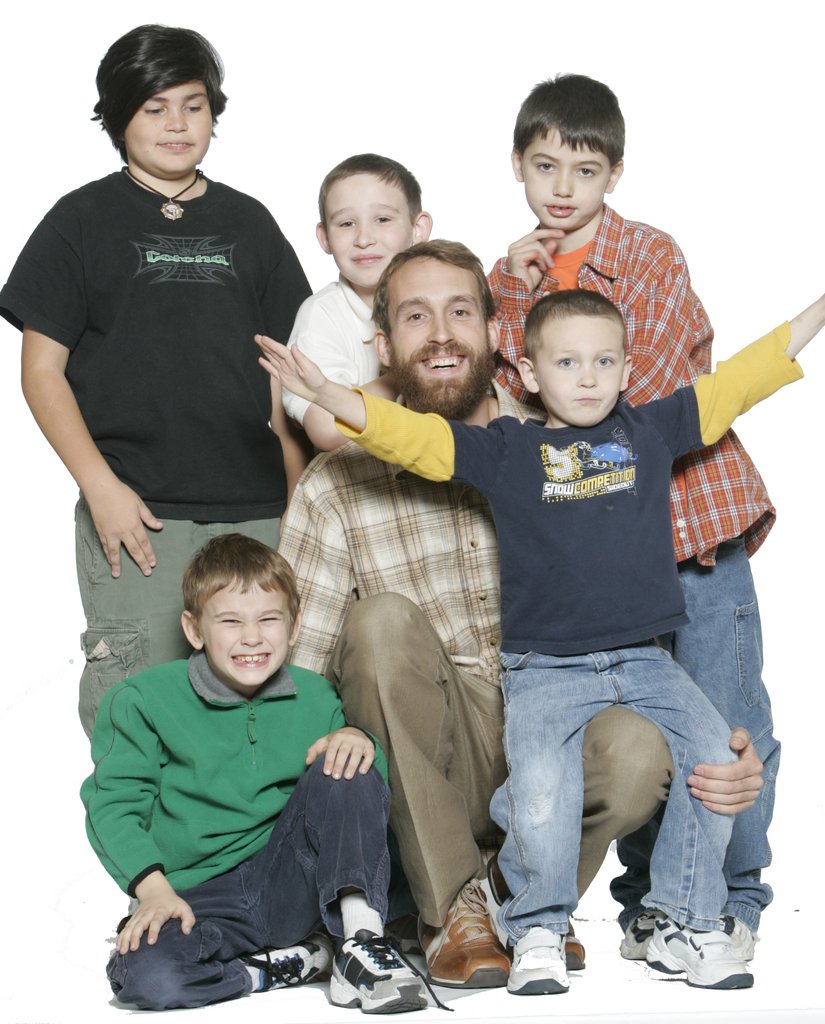
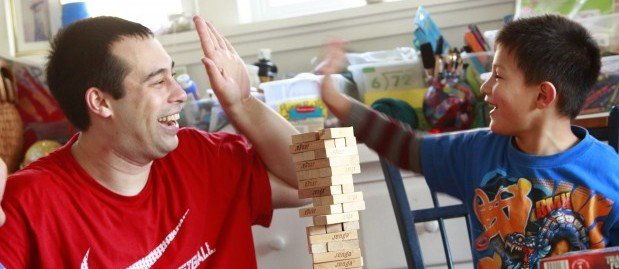
*To protect our program youth names have been changed & photos do not represent youth in story.
Links:
Project reports on GlobalGiving are posted directly to globalgiving.org by Project Leaders as they are completed, generally every 3-4 months. To protect the integrity of these documents, GlobalGiving does not alter them; therefore you may find some language or formatting issues.
If you donate to this project or have donated to this project, you can receive an email when this project posts a report. You can also subscribe for reports without donating.