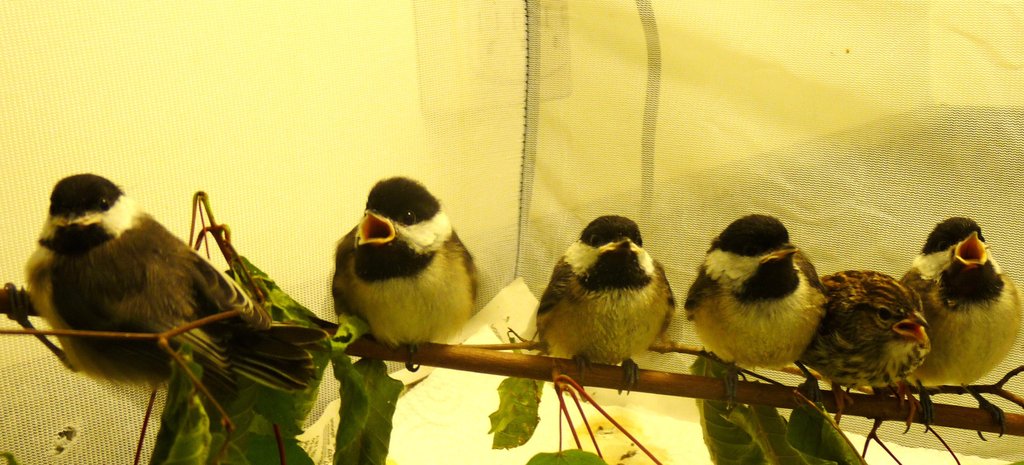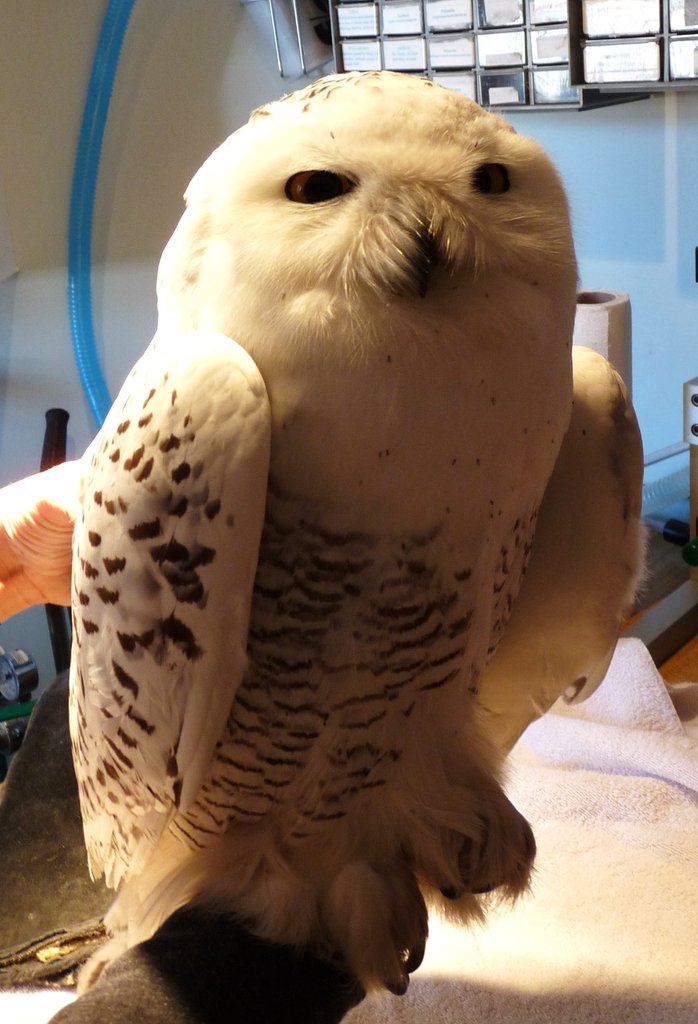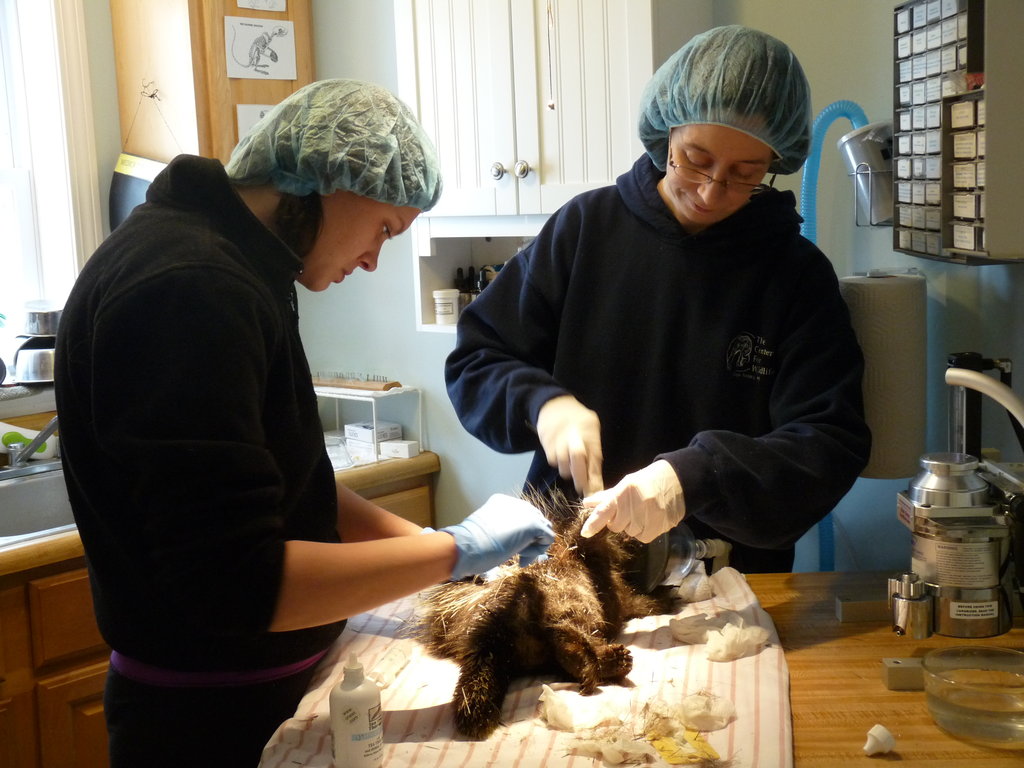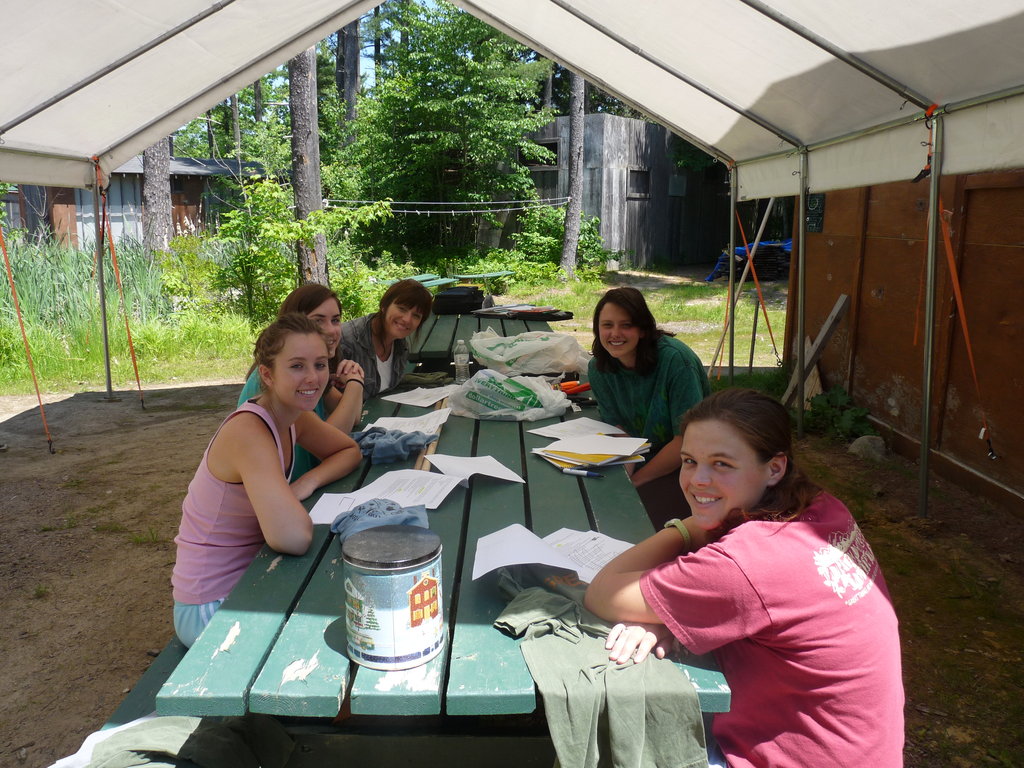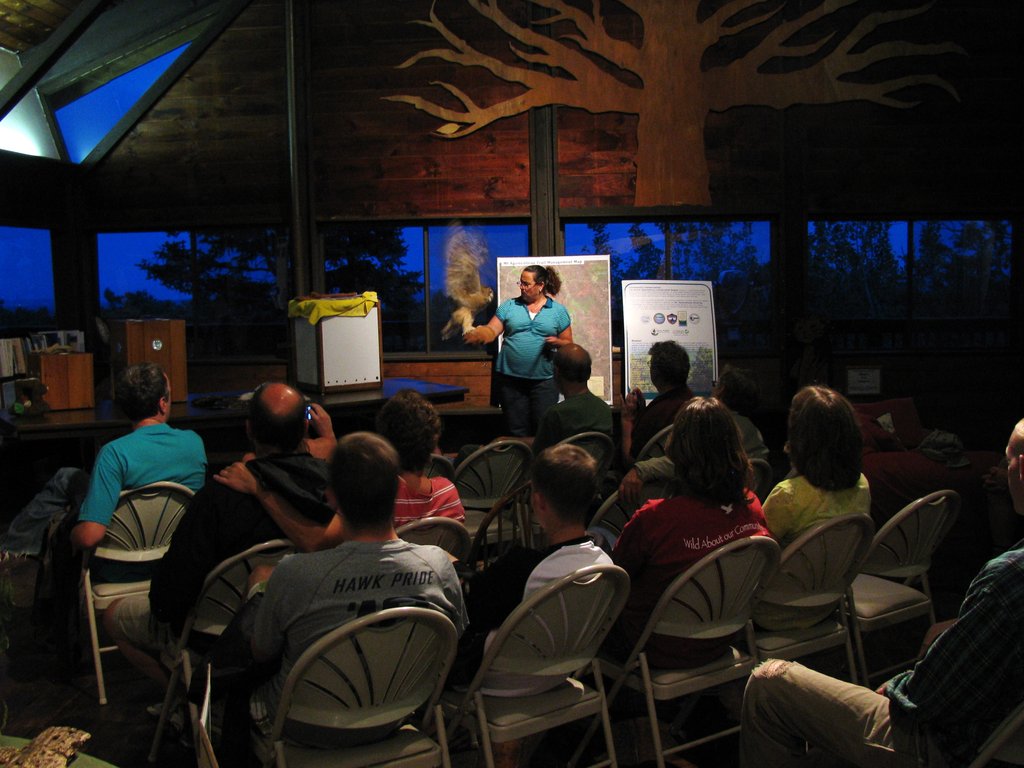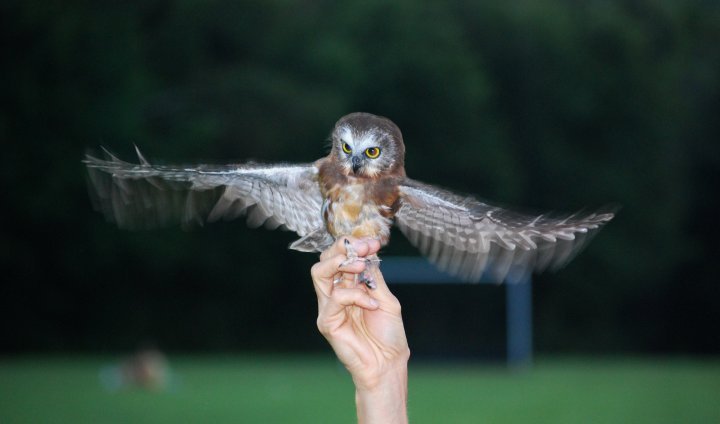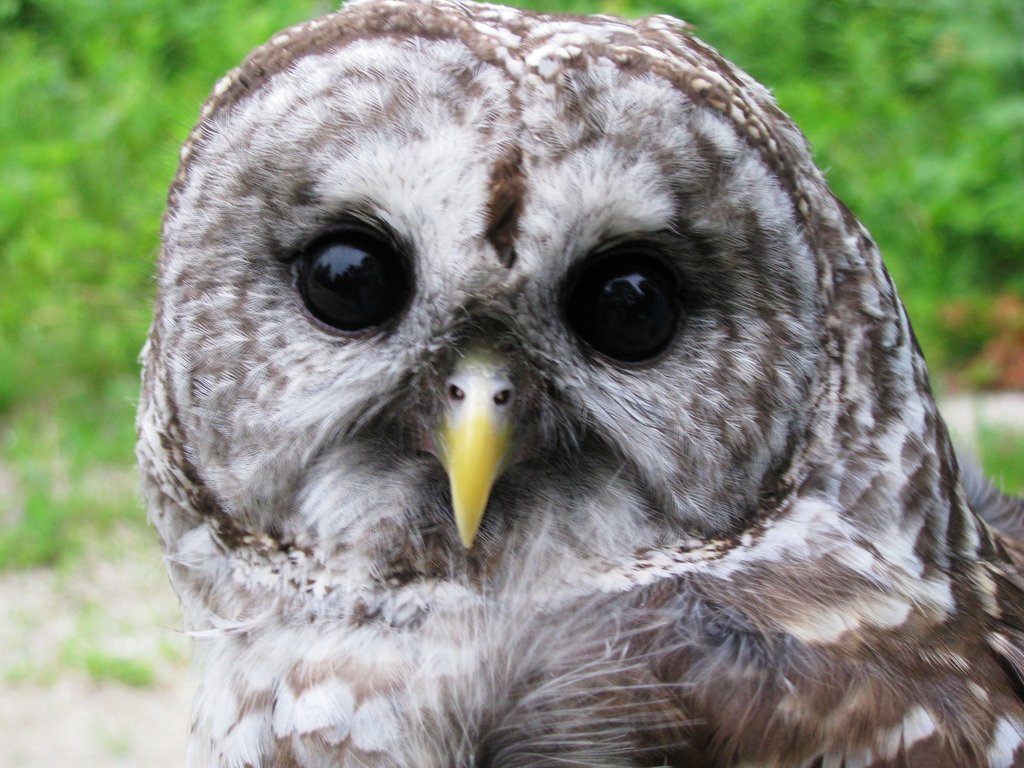
Demand for Center for Wildlife's services continues to grow dramatically; caring for 100 injured or orphaned wild animals in 1986, to close to 1,700 in 2011. We additionally provide a Wildlife Assistance Hotline to over 12,000 callers, environmental education programs to over 5,000 participants, and provide training and hands-on experience to over 70 interns and volunteers each year from a 1,200sf building. This project will build a state-of-the art medical clinic and regional education center.
With no state or federal funding for the medical care of wildlife, we are the largest center in Northern New England, treating wild animals within a 100 mi radius of York, ME. The community often has no where else to turn when they find an injured owl or turtle on the side of the road, a nest of young mammals that has been cut down, or a songbird caught by a cat or flown into a window. Expansion of our facilities is imperative to keep up with the community's inspiring demand for wildlife care.
This multi-purpose facility's primary focus will be a state-of-the-art wildlife medical clinic dedicated to providing medical care to a population of animals that are under served in New England. In addition to improving the quality of care for thousands of wildlife patients, this project will allow Center for Wildlife to enhance its training and outreach programs for professional staff, volunteers, interns, local wildlife rehabilitators, and the public through improved training and lab space.
CFW's mission is to build a sustainable future for wildlife through medical treatment, rehabilitation, educational outreach, research, and conservation activities. This project will help us achieve 3 key goals: strengthen regional capacity to rescue, rehabilitate and return injured animals to the wild; provide learning opportunities and expand community outreach to teach and inspire people of all ages to help protect local wildlife; and achieve long-term financial and ecological sustainability.
This project has provided additional documentation in a Microsoft Word file (projdoc.doc).