Dear colleagues at GlobalGiving,
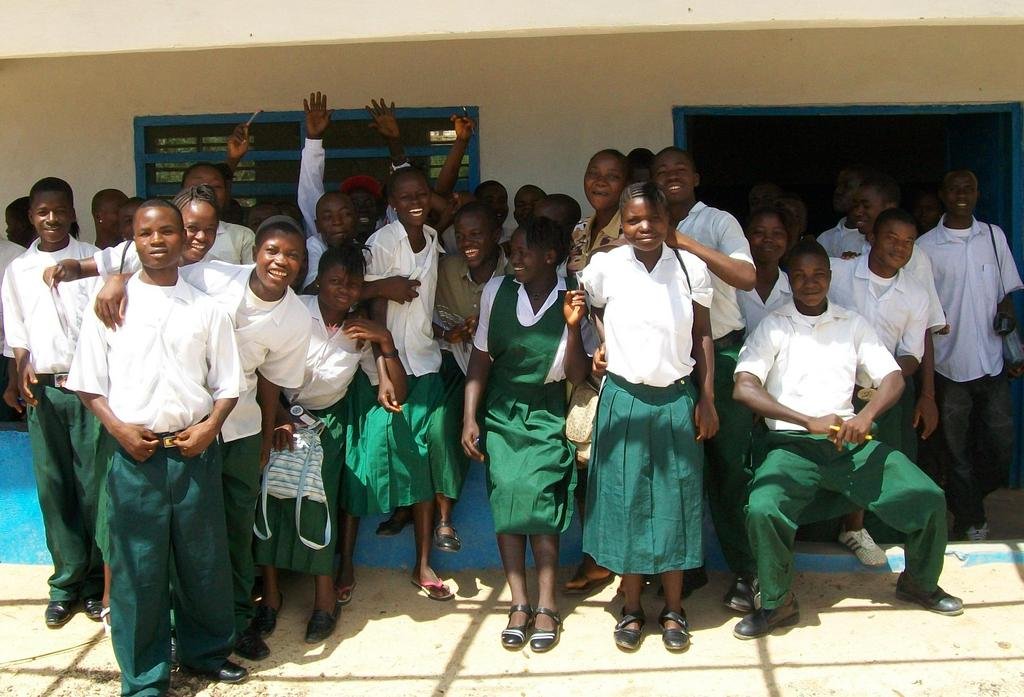
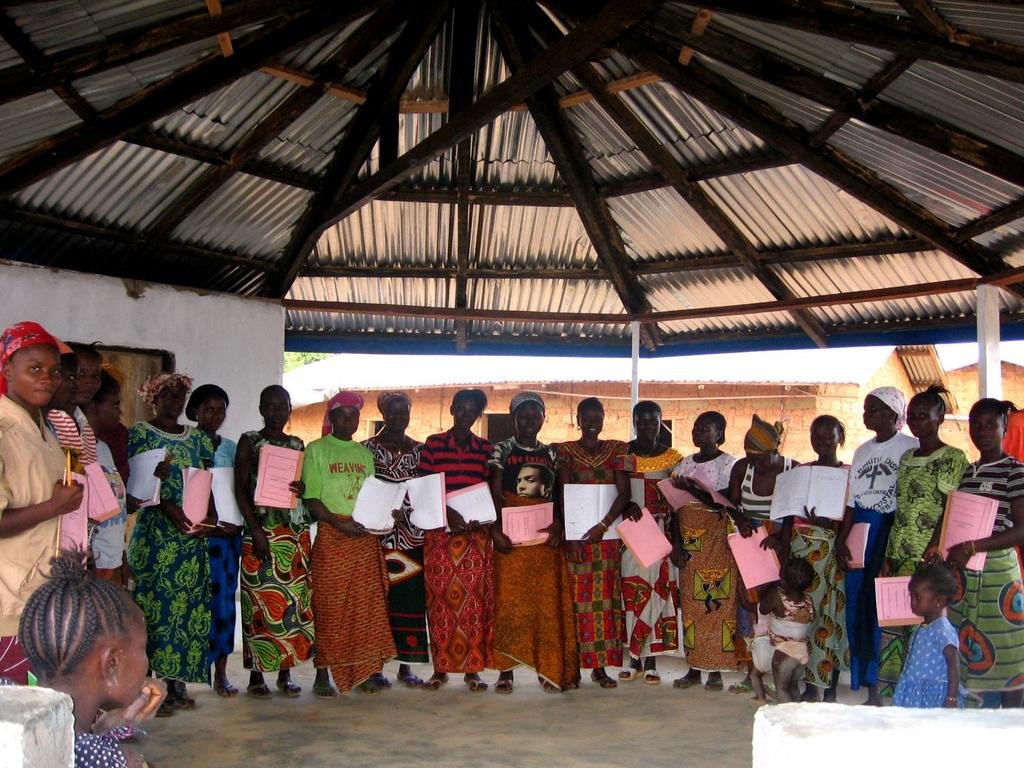
Our project on Training Liberians in literacy and numeracy is gaining momentum. From the northeastern part of the country we now plan to replicate some of the experiences in the western parts of the country. Lives are being transformed at the various generational levels. Many young women are beginning their journey to a career and future education, by going through our literacy programs. Many elderly women are now making sure that their children and grand children of school age are in school. Recently the graduates from our literacy training are now actively involved in building the young democracy in Liberia by their involvement in the up coming elections of their parliamentarians and presidential and vice presidential leaders. Rural Liberians are becoming active subjects of their own transformation. Your assistance is greatly appreciated. We need more assistance to keep up this great work. Thank you all. James

Literacy and Numeracy Training Increases Women Participation in Governance and Development
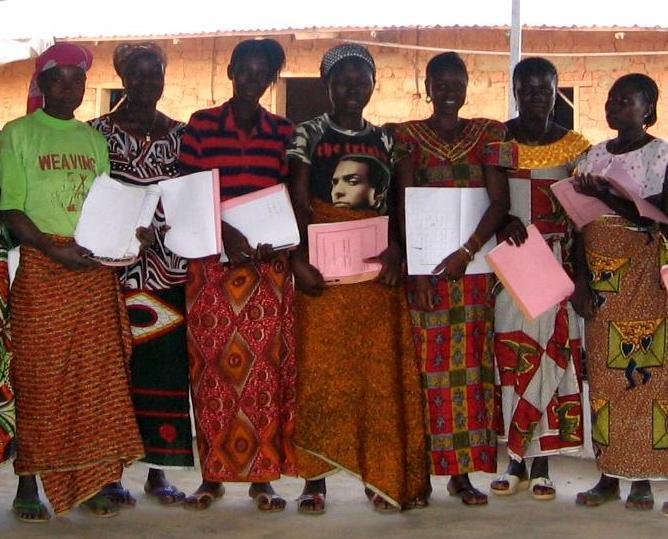
Mrs. Bendu Amara is 40 years old , a resident of Kporkuloe community, Foya district, Lofa County. Bendu, is one of the beneficiaries of the Adult Literacy and Numeracy program that is been carried out by Rights and Rice Foundation. During one of the sessions, Mrs. Bendu Amara demostrated her writing skill as showcase of her achievenment. She told the RRF monitors that during the the 2005 general and presidential elections in Liberia she used her thumb print with ink to register and to vote. Upon her completion of the literacy numeracy training in 2010 however, and during the January 2011 voters’ registration awareness campaign the registrar held her hand to be placed in the ink-pad for making the same thumb print, but she told the registrar she could spell and write her own name. To the amazement of the regististrar, Ms. Amara wrote her name on the registration form, for which she was so proud.
Piror to her doing the literacy, numeracy training, Ms. Amara said that she usually complained when her children returned from school with demaged exercise books. But during her 11 months training she actually experienced how difficult it is to write, so she will double up her effort in providing more exercise books for her children and to be more tolerant when the children use so many notebooks. Ms. Amara is now an example to members of her community and encourages all women to take advantage of this program; she further appealed to the Liberian Government and donor(s) to continue the adult literacy program in Liberia not only in her district but in many other parts of Liberia, to give the women an opportunity to be able to read and write. Through this program she is now actively and proudly participating in electing her leaders and will do more to promote her children education.
The intervention of Rights and Rice Foundation in the area of Literacy and numeracy is not only giving skills to illiterate women to learn how to read and write, but also creating awareness on human and civil rights, good governance and democracy, rule of law and knowing their roles and responsibilities as good citizens.
Prepared by Porgram Unit, RIGHTS AND RICE FOUNDATION, LIBERIA - FEBRUARY 25, 2011
Some of the key outcomes of the program of training rural Liberians in literacy and governance run by the Rights and Rice Foundation has begun to be felt. In previous reports we outlined the fact that 27 women participants of a previous training program who graduated from our one year training had all benefitted from a micro finance program, run by BRAC, an international micro finance organization. The criterion required to benefit from the scheme was that members had to be able to read and write. Thus training in literacy and democracy has gone just restoring dignity to the participants; it is also bringing them tangible proof of how they can improve their increased income and increase in living standards of their families.
In another report we had reported that a young lady who previously did not attend school prior to going through the literacy and democracy training, following her graduation from the literacy and democracy training, build enough courage to attend the formal school is now in grade 5 and plan on becoming a nurse. Many other young women in her age group had done the same, and are now enrolled in formal schooling.
In this report we now highlight that in a number of communities where our program has gone on and have completed the core training of one year, some graduates have launched a new scheme to mobilize local resources and ensure that the training benefit many more members of their communities. There are seven (7) communities in which this initiative is on going. If successful, another 105 men and women who have in the past had no exposure to formal schooling will be able to write their names and write simple sentences, know and use the numbers 1 – 100, know and demand their rights as members of the universe and also as civilians of their country.
This new initiative needs the full encouragement and support; and the contribution of all of you our donors is very much valued.
Tewah Fayiah is 23 years old, a resident of Bayama community, a beneficiary of the functional adult literacy project implemented by Rights and Rice Foundation. Before the Liberian civil war she was 8 years. In an interview, Tewah said that she had never been to formal school as the result of the 15 year civic unrest in Liberia. Tewah has long wished to acquire formal education but feeling too old to sit with children in the beginner’s class (ABC).
Tewah has made up her mind after attending the functional adult literacy program in 2009 for nine months to enroll to formal school. She took part in the literacy course in 2009. The reading and writing skills acquired by Tewah Fayiah have motivated her to sit among her peers in the 4th grade last academic year; she is now registered for the 5th grade for the new academic school year 2010- 2011, at the Kpormbu Road Public School, Foya District, Lofa County. Tewah who is supported by her poor mother who also benefited from the literacy program, plans to be a nurse in the future if she completes high school. She is now serving as motivator to her peers, who benefited from the Literacy program. Rebecca Alex and Finda Fayiah both beneficiaries of the Literacy class have also decided to follow Tewah’s example and plan to enroll into formal school when school reopens in September this year.
The Literacy program of Rights and Rice Foundation not only offers reading, writing and numeracy skills but it is now an impetus for young Liberian girls like Teweh to begin their academic journey and become productive citizens for the future.
James Yarsiah, the founder of Rice and Rights Foundation (RRF), met me on the street and ushered me up to his office. His Monrovia-based staff was waiting, eager to tell me about the exciting work they are doing to help rebuild Liberia after years of civil war.
Their programs focus on two main areas: literacy and democracy. They focus on the rural areas of the country, which are often ignored by other non-profits in the country. As James explained, “If things are going to change, there needs to be participation by the rural people who up to now have been so left out of this peace process. They have been the object of change, not the participants.” RRF’s goal is that by the end of their program, rural citizens will hold their leaders accountable to provide the services that they need in their communities.
They work toward this goal through two ways: teaching literacy to women and encouraging democratic participation by citizens. They told me of some of their successes so far: - I heard about the women who can now read the directions they get from the hospital; - Saw pictures of citizens who for the first time were able to address issues of corruption directly with their local leaders; - Read about the women in their literacy program had recently been accepted for loans to start their own business – something they had never been able to do before, literacy being a requirement for the loans.
When James told me about his local Community Peace Committees – made up of 1/3 women, 1/3 youth, and 1/3 elders – I asked how the traditional leaders were adjusting to this new structure. The Community Peace Committees were created to deal with small conflicts that arose in the villages – a role that traditional leaders had previously held. He said that there were some conflicts at first, but they had talked with the local community and determined a system where both the traditional chiefs and the village councils could co-exist.
Rice and Rights Foundation seems to be filling a necessary gap in areas of the country that are badly in need of services. And on June 16, GlobalGiving allows your support to go even further with a 50% match on all donations up to $1000 per donor!
Project Reports on GlobalGiving are posted directly to globalgiving.org by Project Leaders as they are completed, generally every 3-4 months. To protect the integrity of these documents, GlobalGiving does not alter them; therefore you may find some language or formatting issues.
If you donate to this project or have donated to this project, you will get an e-mail when this project posts a report. You can also subscribe for reports via e-mail without donating or by subscribing to this project's RSS feed.
This project is no longer accepting donations.
Still want to help?
Find another project in
Liberia
or in
Democracy and Governance
that needs your help.
Paynesville City, Liberia
Monrovia,
Liberia