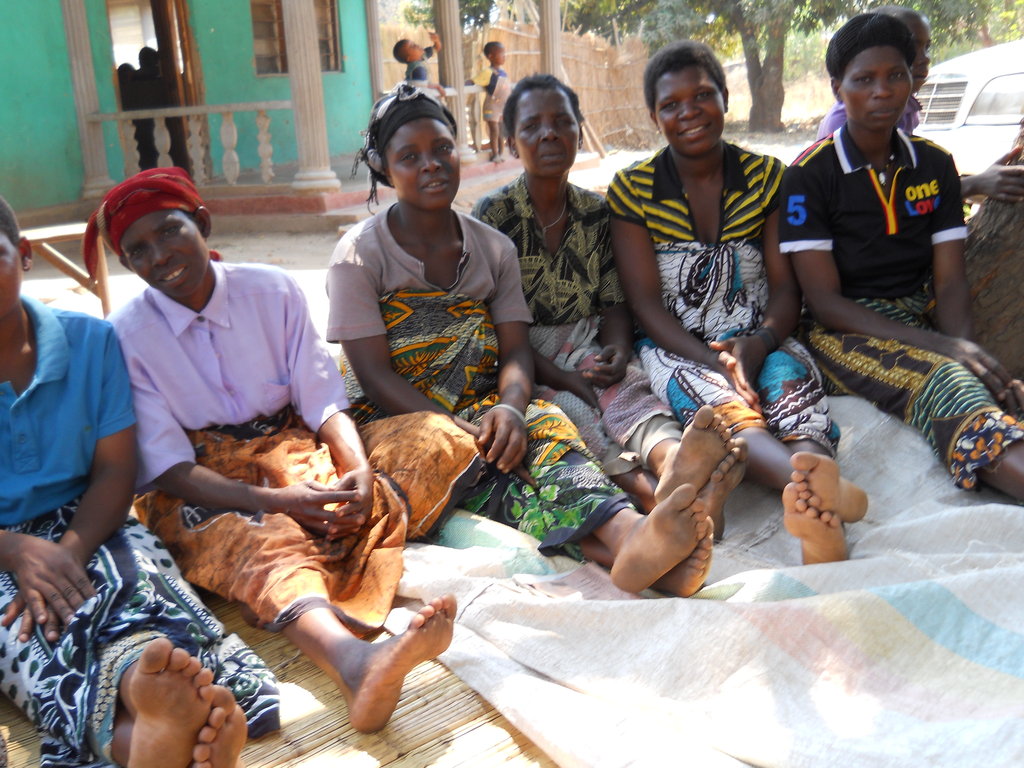
This project will alleviate human/wildlife conflicts and provide alternative income streams for villagers with projects such as fish farming, bee keeping, chili pepper cultivation, making bricks, maintaining equipment, and many other small vending businesses; and ensure the protection of elephants and other species in the long-term by encouraging tourism, which provides essential income for the park and the surrounding communities, while generating increased community support for conservation.
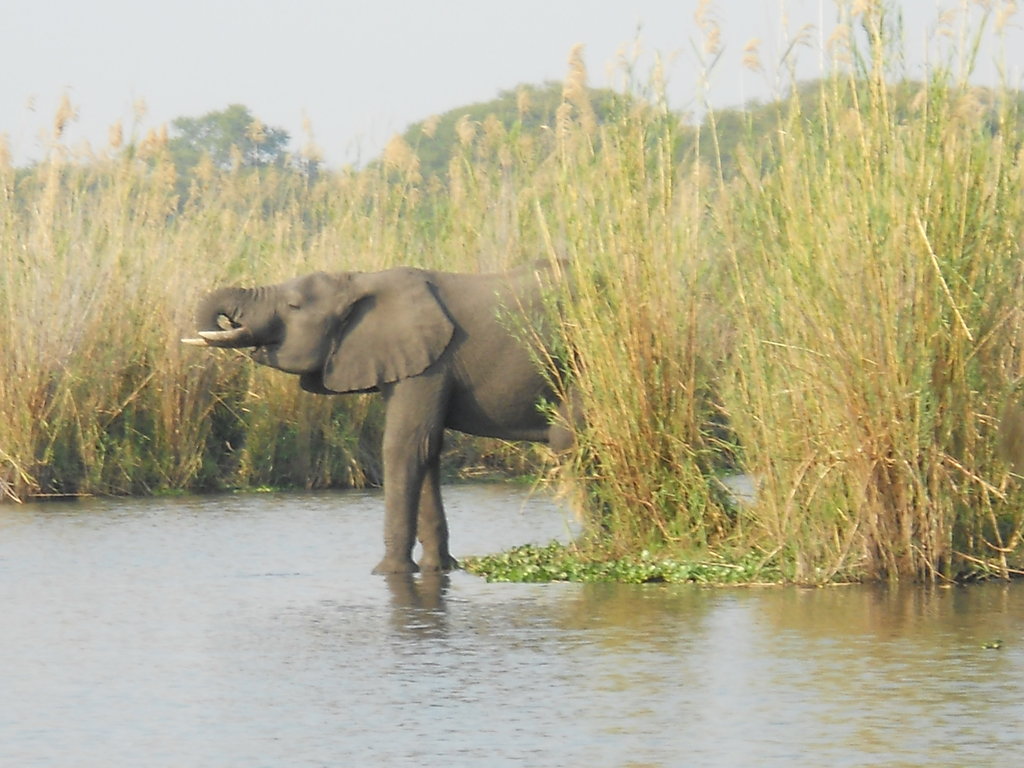
Malawi is one of the poorest countries in the world with a population of 14 million +. Subsistence farming is the main form of livelihood. This has had a huge impact on the country's wildlife - especially the elephant. Fragmented habitat and severe competition for land have caused human-elephant conflicts that have ended in violent loss of life for both people and animals. There is a need to address the issues of both to achieve a sustainable future, where everyone, (animals and people) thrive.
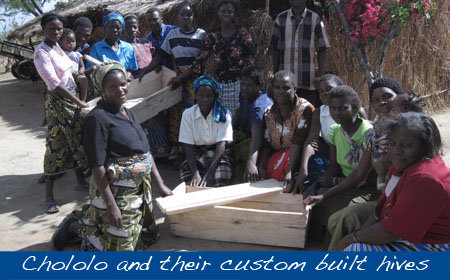
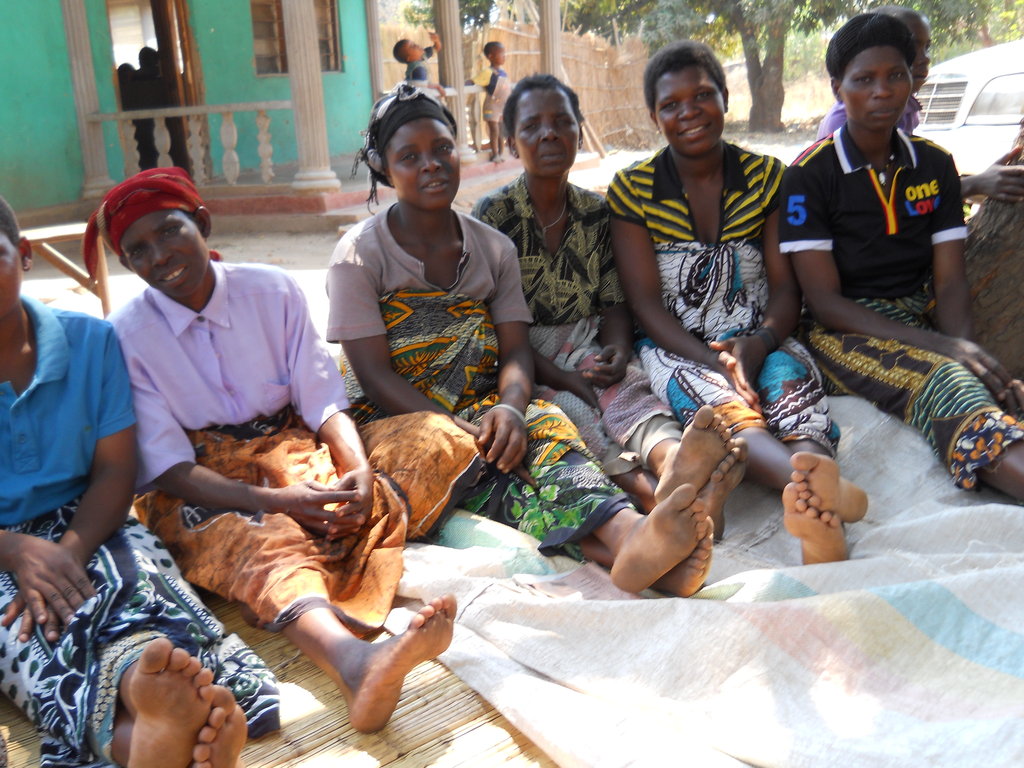
By building a fish farm along with associated agricultural initiatives, the villagers will have a source of protein for consumption, increased employment opportunities and less need to encroach on the Park's resources. The animals will have a more secure environment, and less need to rampage through the villagers crops. Through microfinance services, the local women will be able to develop sustainable businesses selling fish, peppers and honey, and better provide for their families
Investment in this project should increase wildlife populations, park security and accessibility, which will lead to increased income from tourism. Increased tourism will allow for the availability of funds for park operations, and economic opportunities for local people. This, in turn, generates increased community support for conservation and improves the long-term outlook for the park. Initially, the Chikolongo community will be the main beneficiary, approximately 40 women and 200+ children.
This project has provided additional documentation in a Microsoft Word file (projdoc.doc).