By Ather Zia & Rafique Khan | Media Unit
Dispatch I: July 24, Wednesday, New Delhi Collaborating with Global-READ Met with representatives of Read INDIA, Indrani Sharma. Indrani Sharma, on behalf of the Global READ, parent organization of Read INDIA is very willing and eager to help work with KER to establish a library Reading room in Kashmir. We discussed the need to have hands-on grass root efforts were the community is not only eager to do the program but must take the lead in identifying the program and taking a lead in establishing and running the program. One of the requirements for Global READ is to have as part of the initial program project a sustainability element; meaning that part of the program is to identify the income source for operating the program.
Notes of meeting with Ms Sharma
1. Interact with villagers, education platform. 2. Sustainability project –Routine costs Rs 10,000 per month , income needed to run the project. 3. Land to be provided by the community 4. Library committee to be a-political 7 or 8 members or even 10. may be school master, businesswomen, Housewife. Implementation Cost running a library Rs 4,000 librarian, Book list, 21 day library program, about Rs 10,000 per month. Funds 15% local, 35% other 50% global read.
Dispatch II: July 30 Monday, Srinagar, Kashmir Meeting with Usmaan Raheem and his team at Mercy Corp International
Criteria for selecting a place for KER phase three operations 2. Apparent need 3. Must have good, reasonable access 4. Willingness of the community to participate (imitative) 5. Feasibility 6. Ecology, topography, 7. Free of undue tension
Based on the working experience of the Mercy, about ten young professionals, educated and motivated places were suggested • Chandanwari , in Pahalagam area. • Palhalan area , no interaction with NGO’s , many widows. • Kangan Chartergund (wangat area) lowest litracy rate , most hard working people. • Burzahama • Dona Harwan • Rainawari (city of Srinagar) • Langanbal, Pahalgam area • Rampur (Wular) • Krashbal (on banks of River Jehlum)
KER met twice with Mercy Corp officials. Majority of the Mercy officials supported working in Kangan Valley. The area has one of the lowest literacy rates and people are hard working. Mercy provided contact names and offered to help with data collection.
KER decided to visit areas and the come back to discuss findings with Mercy.
Dispatch III: July 31 2007, Srinagar Meeting with Mr. Faroque Renzu, DC Budgam
Mr. Renzu is Deputy Commissioner Budgam District Kashmir. He also serves as Chief Commissioner of J&K All India Scouts. The J&K is a registered NGO, recognized by J&KUniversity. Many activities spread over 130 schools and 60 colleges in the State. One of the recent events was a race to Pari Mahal, a historic monument situated on a hill. The race participants were 20,000.
Mr. Renzu, suggested a location that would meet better the KER selection criteria. The site about 2 to 3 hours driving distance was Sitaharan in Budgam Tehsil. Mr Renzu offered the help of his office to facilitate our visit to Sitaharan.
Dispatch IV: from August 1 2007 onwards, Sitaharan, Budgam
Visits to Village Sitaharan Sitaharan is two and half hours driving distance from Srinagar. Two ways to go to the place one via Budgam (district commissioners office is in Budgam) . Another via Baramulla road. In both cases the last ten miles are grueling. The road is in bad state of repair and only a four wheel drive can get to the place in fair weather. From Srinagar we reach Drung; then Khag, from where there a stretch of a bad road staring at us.
The road ends in an alpine meadow; it is about two kilometers long and may be about a kilometer in width. On one side of the meadow is a depression that as per the local legend was a lake once fed by the many natural springs that are on the other side of the depression were the mountains begin. The mountain range one covered with dense forests reaches up to one of the historic high meadow of Kashmir Tos Maidan.
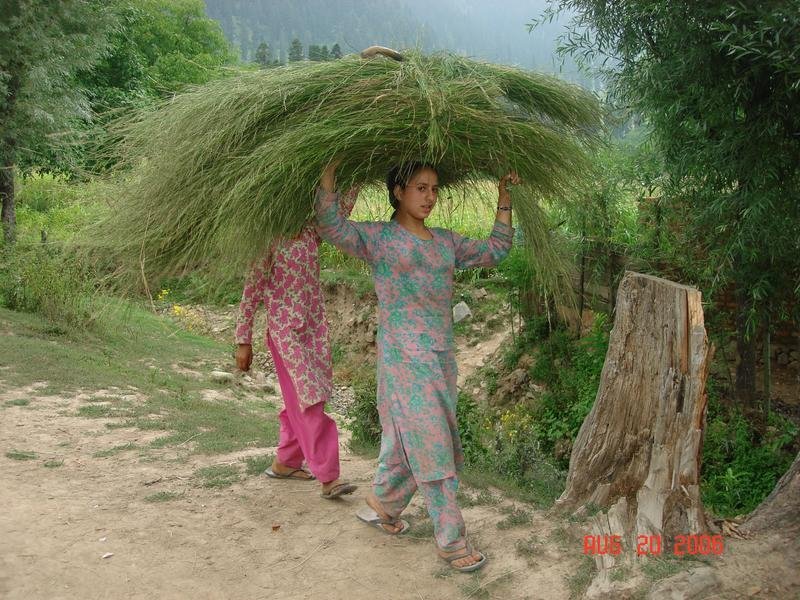
Village Satharn is at the base of the mountain. Some four kilometers by four kilometers. There are some 450 house holds. Unlike a traditional Kashmiri village in Satharan the houses are scattered , each cluster of homes within the agricultural plot. More like a Gujjar (nomadic) settlement except that the house architecture is more like a traditional Kashmiri home, sloping roofs with gables.
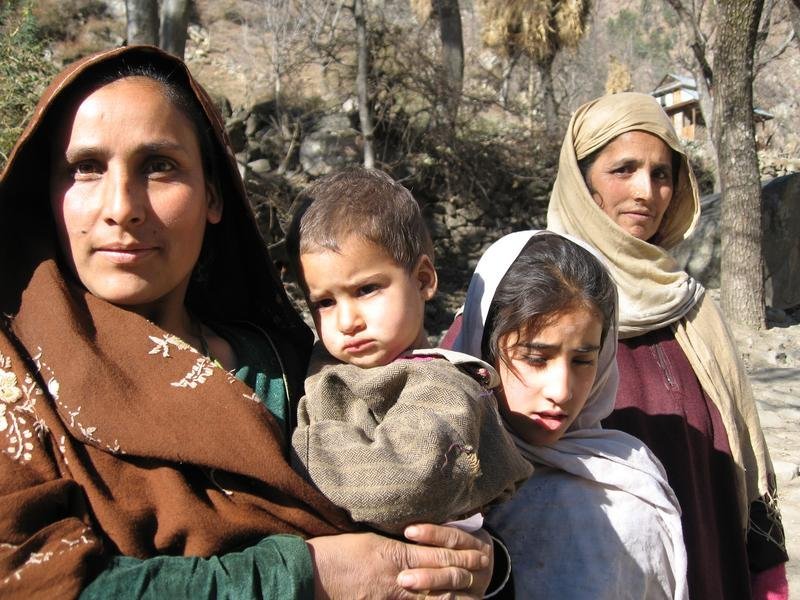
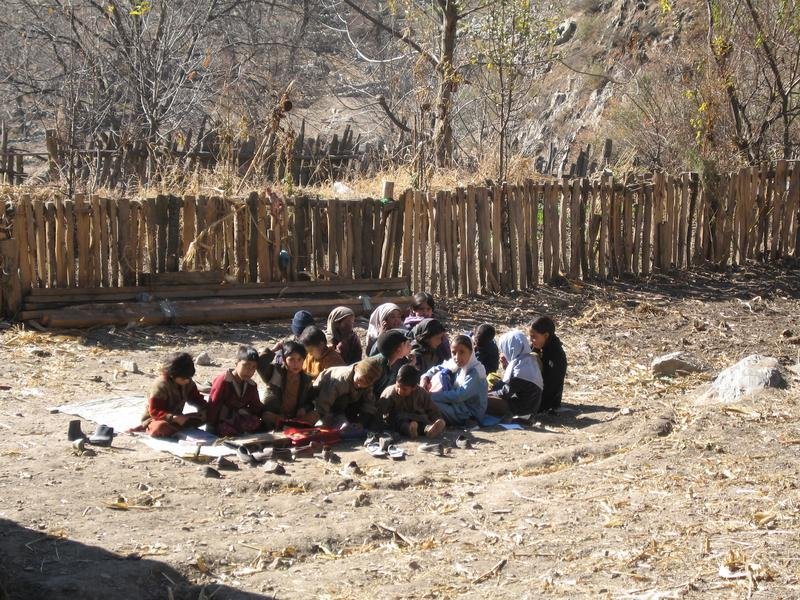
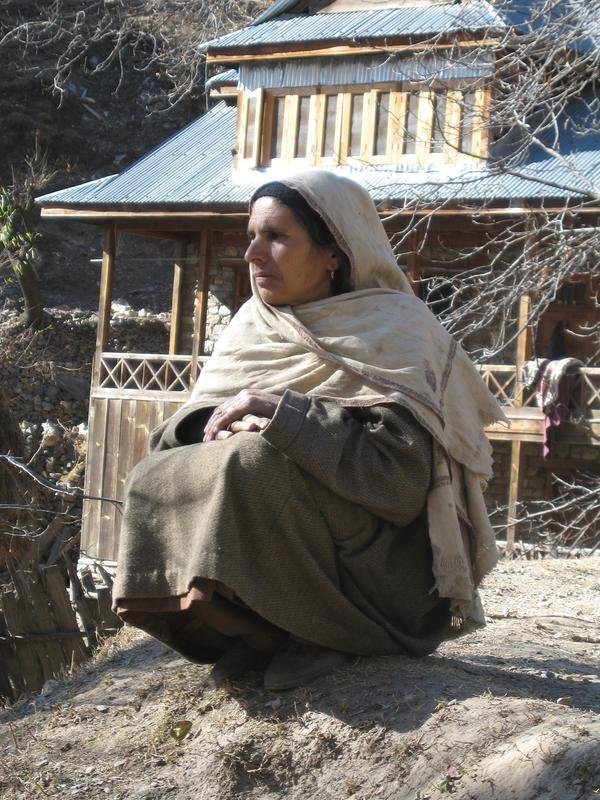
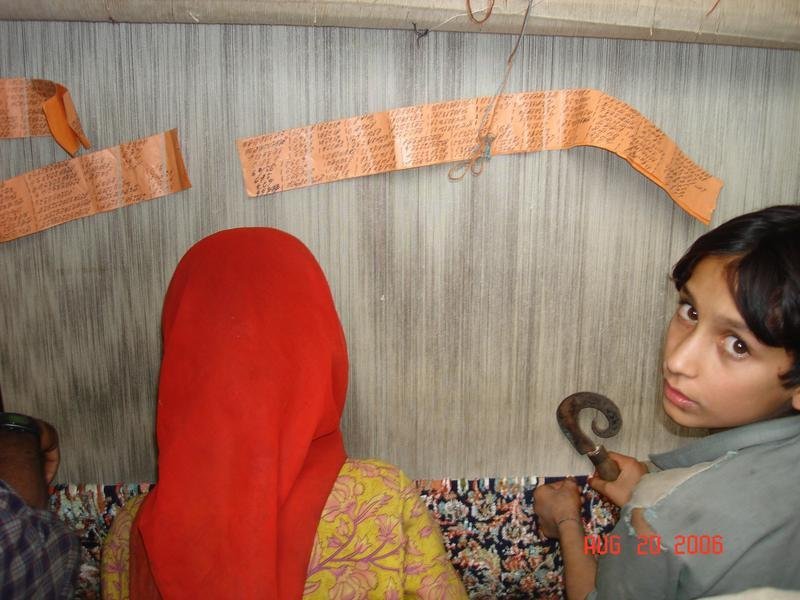
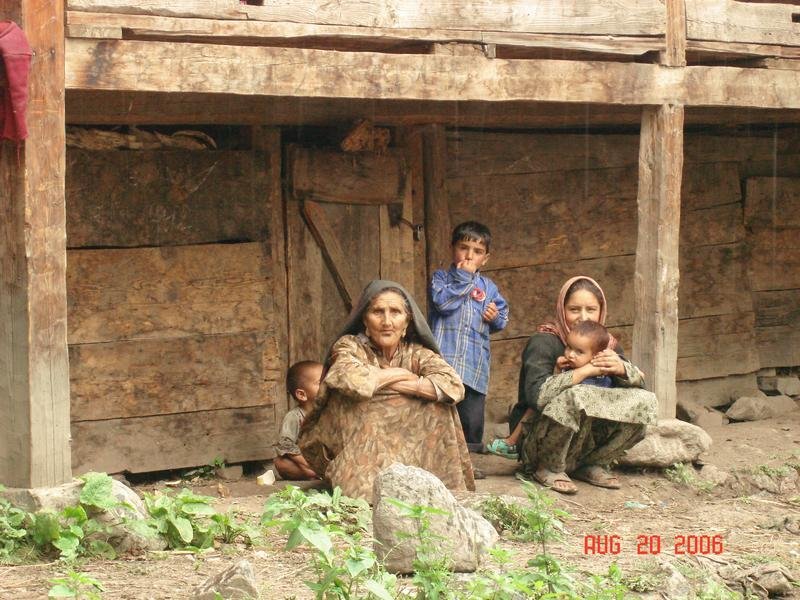
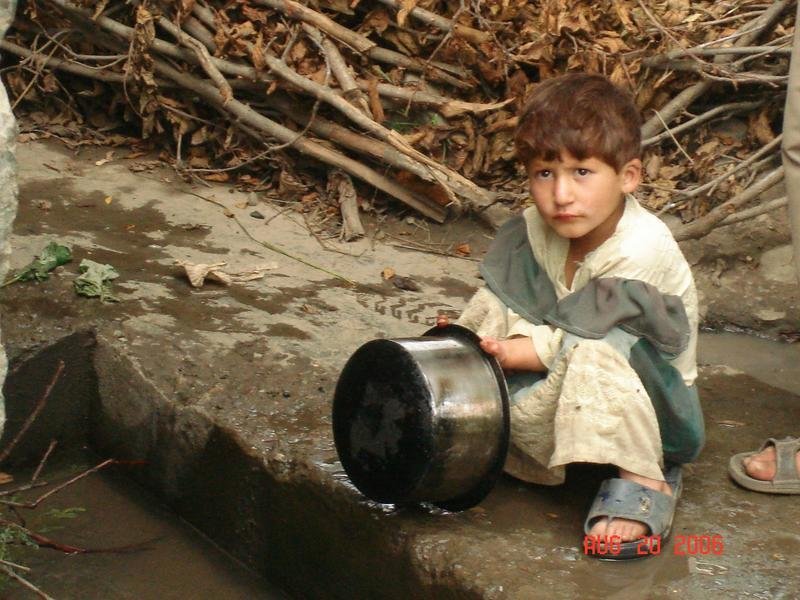
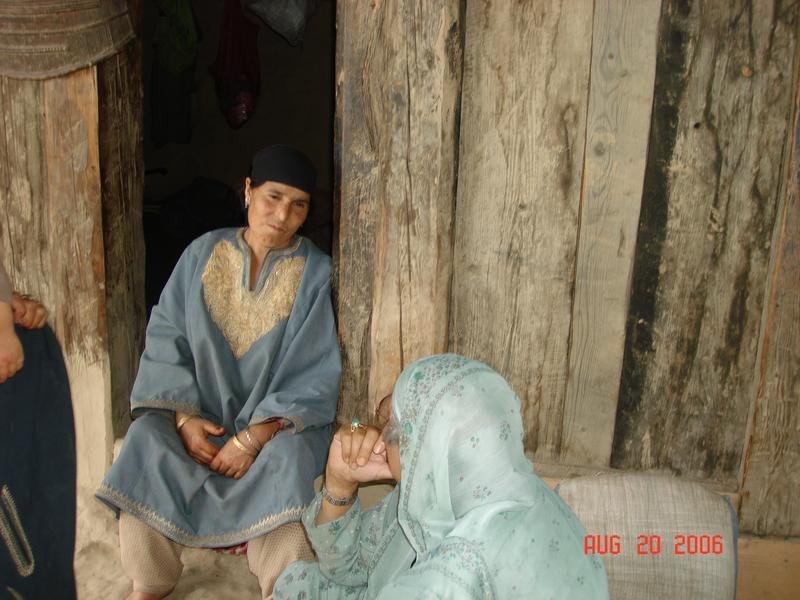
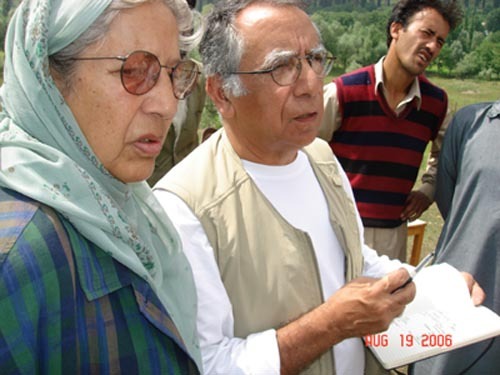
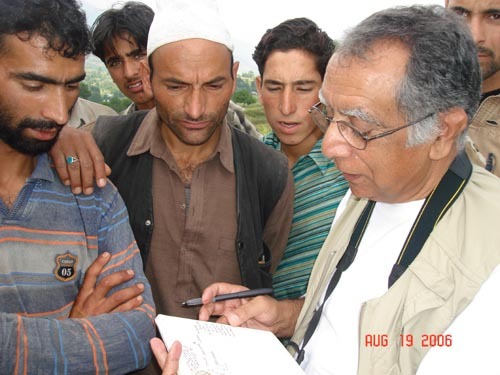
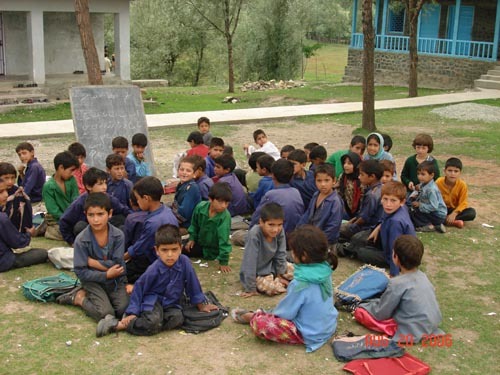
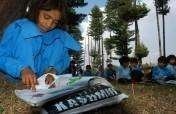
The village Sitaharan is made up of 10 neighborhoods. Most of the homes are relatively well built, brick and tin roofs. However, the village has no roads; not even an approach road, municipal services are near zero. There are natural springs that provide water. There is no electricity and few households have solar lights. There is one one government run school in the meadow, and one room elementary schools. There are no medical facilities, no recreational spaces within the village. We visited Sitaharan to do a basic survey and start immediate relief work in the village, after it was identified as a project village. Our first meeting was with the DC of the district Mr. Farooq Renzu and the Molvi (cleric) and Teacher of the school. We kept broadening our support and resource base by meeting with Lumberdar (village supervisor) who arranged our visits to the different mohallas. In our subsequent visits we distributed supplies to school at Shikari Mohallas and middle school, which we identified as immediate relief for children. Our project coordinator along with the other staff will be carrying out other programs that have been outlined in our earlier objectives. The needs and requirements expressed by the village Representatives reflected the already set objectives of KER mission for the project, including demands for Health Care/Dispensary, Generating Employment, Community Center and Recreational programs for children, vocational centers etc.
By Ather Zia & Rafique Khan | Media Unit
By KER |
Project reports on GlobalGiving are posted directly to globalgiving.org by Project Leaders as they are completed, generally every 3-4 months. To protect the integrity of these documents, GlobalGiving does not alter them; therefore you may find some language or formatting issues.
If you donate to this project or have donated to this project, you can receive an email when this project posts a report. You can also subscribe for reports without donating.