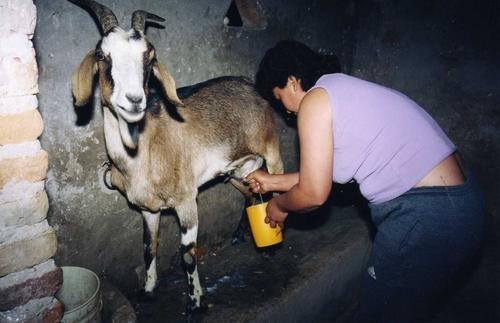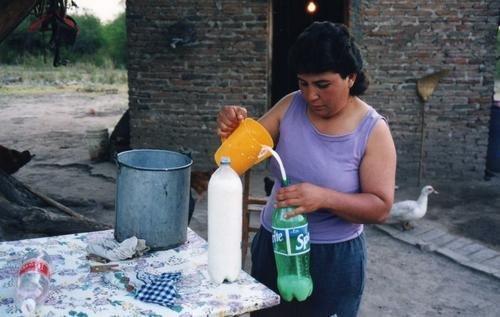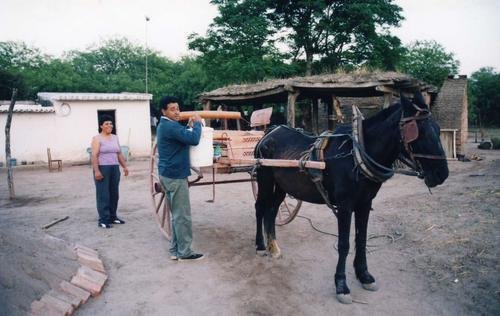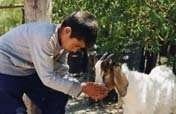
Caprines (dairy goats) are a key source of income for rural families in Santiago del Estero. However, many do not meet the standards required to sell their goat milk. Our goal is to solve this issue.
The beneficiaries are sixty families who need to be licensed by the National Animal Health Organization. In order to achieve this, these low income farmers need to comply with the sanitary and structural requirements of the NAHO. Licenses will enable them to deliver goat milk to a local factory and expand their market. The beneficiaries suffer from structural poverty. The majority of them are officially unemployed and have low level of education, poor housing and lack of health services.
Installation of technological innovations such as cooling systems to preserve the quality of the milk. Financial aid to acquire milking equipment and improve the infrastructure. Technological training. Advice to comply with sanitary requirements.
The families will have fully equipped and authorized milking rooms that will enable them to sell their production and improve their milk in quality and quantity, and therefore increase their income. Their overall quality of life will be improved
This project has provided additional documentation in a Microsoft Word file (projdoc.doc).