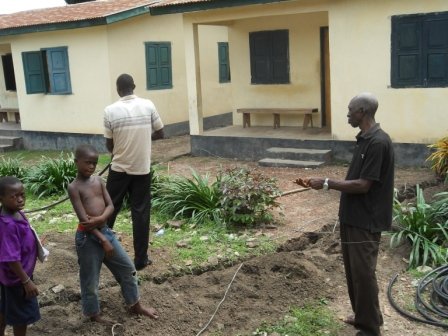
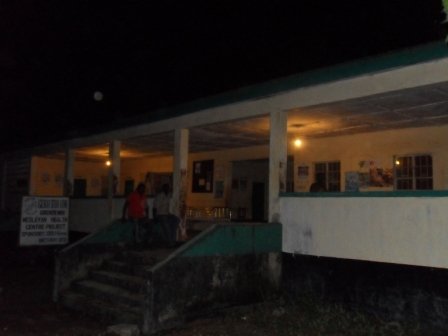
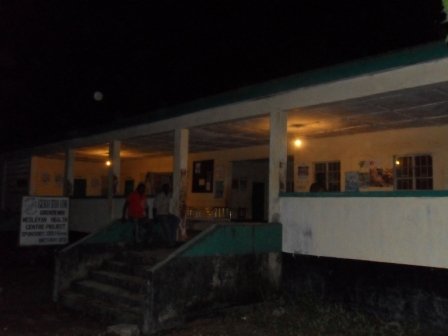
The Madina clinic serves an estimated catchment population of 5,714 people and provides primary health care for 13 villages. Without any form of energy, it is limited in the quality and variety of services it can offer the community members who rely on the facility for their medical needs. Solar power can provide the ideal solution, providing cost effective, low maintenance energy for lighting, equipment and other critical needs.
Sierra Leone suffers from some of the highest infant and maternal mortality rates in the world, with the limited access to health care being one of the major contributing factors. A lack of energy for basic diagnostic equipment and medical storage are also issues. Rural communities such as those served by the Madina clinic are especially vulnerable, as they are often unable to quickly access the larger urban centres and rely on first line treatment.
Residents of rural Sierra Leone will receive dramatically increased access to health care through the provision of solar energy. Vaccines will now be effectively stored, lighting will enable access to health facilities at night and energy will power basic equipment such as microscopes, contributing to the improved quality and access of care these communities receive. The clinic serves an estimated catchment population of 5,714 people and provides primary health care for 13 villages.
The project will have dramatic impacts in both the short and long term. Improved health care services are a vital part of the development process and improving the health of the residents is a critical first step in enabling other activities to occur.