Project Report
| Jul 19, 2007
Update on Mentally Handicapped Children's Project
By Pramila Balasundaram | Founder-Director of Samadhan
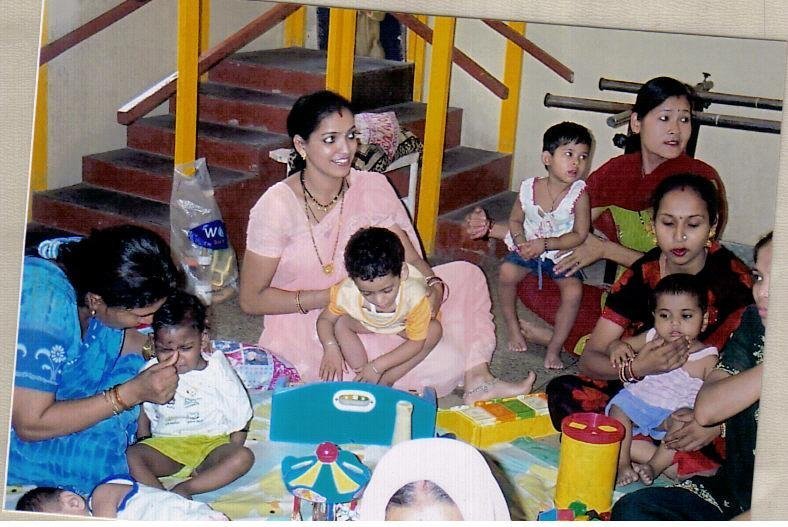
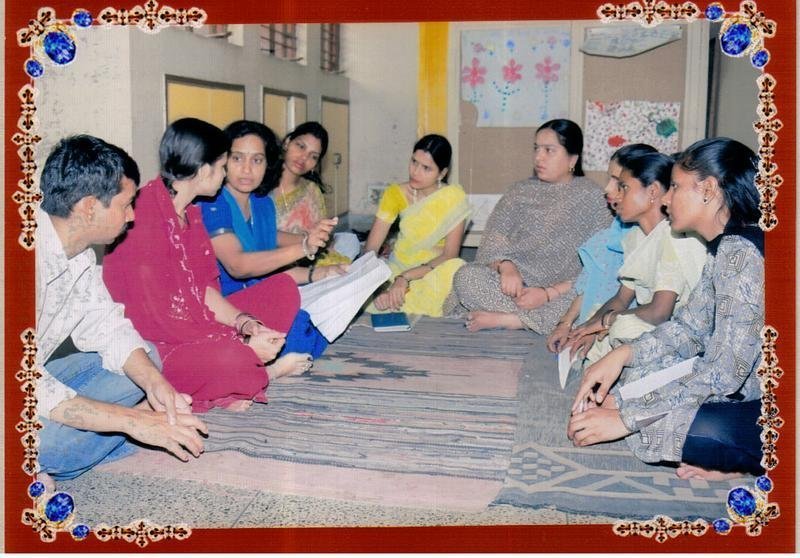
This project has seen considerable improvements both in expansion of services and greater number of children reached. The activities we had planned to quote from our existing proposal were to “Identify children with mental handicap of primary school age, and establish a Resource Facility in our Center to prepare them for admission into normal schools and also to train staff involved in both our center and normal schools in its implementation.” However we found that the mainstream schools were far from receptive to the concept of inclusion and were unprepared to change mindsets and traditional ways of teaching going back to many years. So we have added new dimensions to our delivery of this service . The first is a survey to ascertain the readiness of mainstream schools to receive our inputs and the second was to expand our own early intervention services by adding a Preschool , a Crecche and a one to one service for the severely mentally handicapped child and the mother.
Separate write ups are added which will give a more comprehensive view of the changes made .We give the results of the survey so that the situation is more fully understood by our donors. Problems seem unsurmountable but if we motivate even a maximum of three to five schools as models replication will definitely follow. And our own liaison with the Delhi government will be that much more productive.
Please click below to read more detailed reports and updates on this project, including a success story about a child Samadhan has helped!
Attachments:
![Share on Twitter]()
![Share on Facebook]()
May 18, 2006
Maya Devi's Story
By Samadhan |
MAYA DEVI
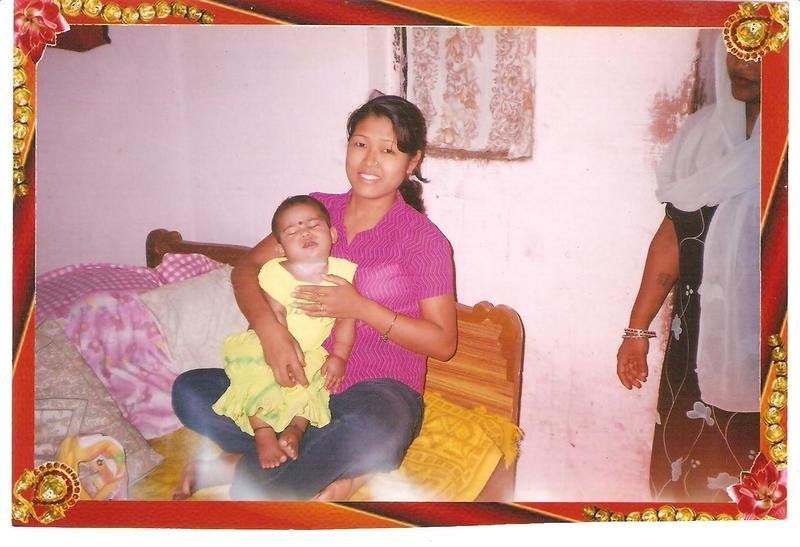
Maya Devi lives in a low-income community in Pappankalan in Dwarka, West Delhi. She comes from Nepal and moved to Delhi after her marriage. Her husband works in a dry cleaning shop. She finds it difficult to run the house on his income
She is the mother of Santosh, a boy who has mild intellectual disability and is now 7 years old.. He was identified two years ago during one of our regular identification surveys by our community worker. Besides Santosh, who is the youngest, Maya and her husband have five daughters. After Santosh was identified, Maya came to the Rehabilitation Clinic. Santosh was placed in the educational unit and Maya came with him regularly in the morning. Her daughters who attend the local government school came in the afternoon to take Santosh back home with them. During her interaction with the staff members Maya shared her difficulties, especially that of running the house and not getting much support from the husband. She was also worried about the future of Santosh since he is the only male child. When the second Self Help Group was set up in the Dwarka Centre, Maya was surprised to know that she could join the group despite being illiterate. She is proud to be one of the founder members of the group. She along with other members of the group is involved in cleaning, grinding and packaging of the 'spices'. She is very confident of the quality and purity of the spices. She also does marketing of the spices in her neighborhood.
Maya's brother-in law (husband's brother) who lived with them used to run a shop. When he decided to move to another community he handed over the shop to Maya. Maya felt she could handle the shop since she has the experience of selling the spices and interacting with people. So she decided to do only the marketing the spices and run the shop where she sells biscuits, snacks and also 'Samadhan Spices'. Now Maya gets some income selling our spices. Once her sale starts picking up she has promised a 7% return to Samadhan but not as yet.
After one year in our education unit Santosh has also been placed in the local MCD (municipal corporation of Delhi) mainstream school and since he is mildly mentally handicapped has adjusted well.
Maya’s story shows what communities we work with and why and how our way ahead is often made more difficult by traditions and superstitions. It is not merely working with children with mental handicaps but the families, the extended family (the mother-in-law in this case) and the whole Nepali community as well contends with superstition and potentially harmful traditions.
Despite many counseling sessions, Maya continued to have her babies with the hope that she will one day have a boy who was not disabled. She was under pressure from her husband as well as her mother-in-law. Talking to the husband and mother-in-law proved futile. The Hindu belief that the son in the family has to light the funeral pyre after the death of the parents was the belief that made it crucial that Maya persist, in spite of ill health and the fact that she already has five daughters. Unfortunately such adherence to traditional beliefs, which is often a legacy of the villages they originally came from is kept alive even here in Delhi since Maya and many like her live in small ethnic communities where traditions good and bad still flourish and older women like Maya's mother-in-law have a strong voice in such matters. Maya lives in a Nepali colony.
Maya has had another baby girl who is now two-months old reports our community worker. This has cut into her work time and she is unable to sell our spices as before. So until such time as the baby grows up sufficiently to be left alone we will provide Maya with home visits and provide whatever support we can in terms of emotional and psychological help.
We will continue to counsel Maya and her husband and mother-in-law. But we still see Maya as one of our success stores since she has the potential and the courage to carry on regardless of family pressures and her determination in making a success out of her little shop, which we will help her to set up once again when she is ready.
![Share on Twitter]()
![Share on Facebook]()
Apr 11, 2006
Payal's Story
By Samadhan |
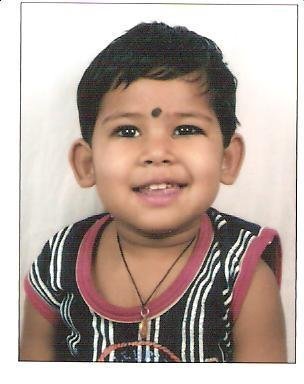
Read Payal's story. Payal was a young girl that the project worked with and is now a happy schoolgirl.
Attachments:
![Share on Twitter]()
![Share on Facebook]()