By Peter Crable | International Service Participant
The campaign achieved several milestones over the past several months that demonstrate the level of success achieved.
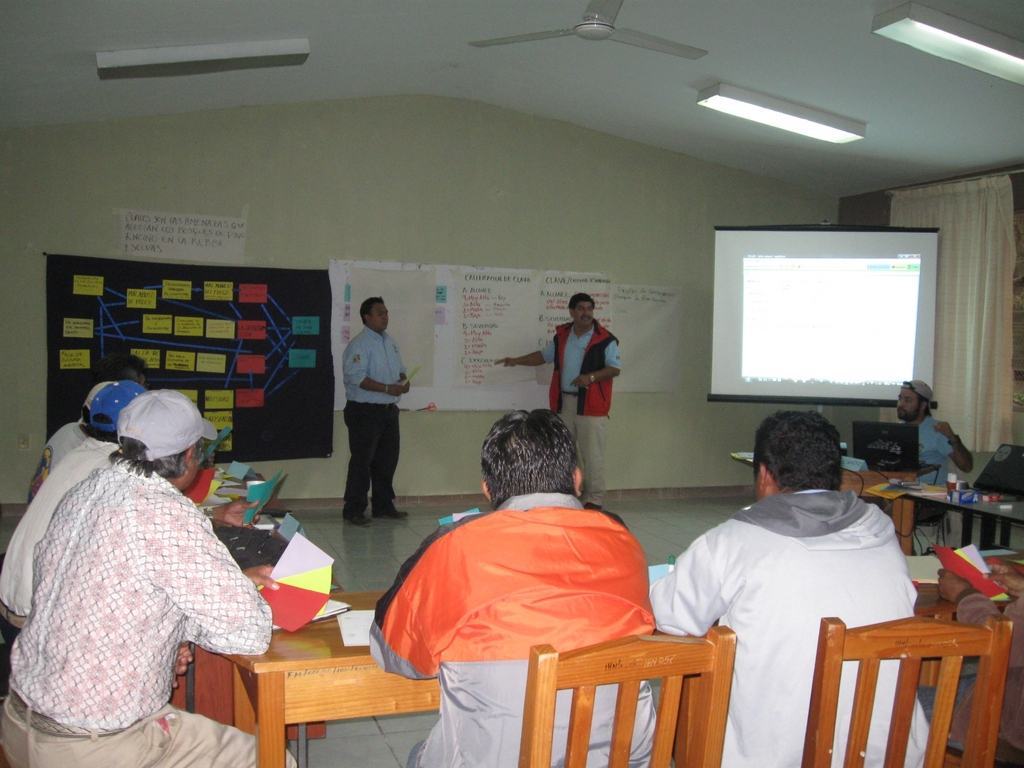
In late April, a press conference was held in the city of Tuxtla Gutierrez on the “Campaign for the Integrated Management of Fire.” The press conference was well attended by news outlets such as Televisa, Cable 7, Channel 5, and the Journal of Chiapas. The event lasted about 45 minutes and dealt mostly with the goals of the campaign, the dangers of burning forest, and the methodology employed by Rare. Afterward, news of the press conference spread to other newspapers, local radio, TV stations, and the official website of CONANP. Overall, the press conference was just the sort of thing needed to raise the message and visibility of the campaign.
A new facility at the Center for Conservation of Culture was opened in early June to celebrate the 15th anniversary of the establishment of the reserve. The facility uses pictures to give a historical narrative outlining the many successes of the reserve. To celebrate the occasion, government and local leaders were greeted by Tito the Tapir and received a tour of the facilities. Attendees were also treated to a presentation on the Pride campaign currently at work. The combination of the new facility and presentation served to expand awareness of the plight of the forest.
While many goals have been reached, we still need your help to ensure the continued protection of the forest reserve.
By Amy Rinaldi | Development Coordinator
Project reports on GlobalGiving are posted directly to globalgiving.org by Project Leaders as they are completed, generally every 3-4 months. To protect the integrity of these documents, GlobalGiving does not alter them; therefore you may find some language or formatting issues.
If you donate to this project or have donated to this project, you can receive an email when this project posts a report. You can also subscribe for reports without donating.