By Joe Bass | Founder, President
Peace Corps Volunteer leaving after two years of living among indigenous people says…
“CHILDREN REALLY ARE DYING FOR LACK OF SAFE DRINKING WATER.”
Michelle Aguilar (below ) departing Peace Corps Volunteer
“I’VE BEEN TO TOO MANY INFANT FUNERALS”

Below– A RACE AGAINST TIME
We rush a mother and her critically sick infant to
the nearest hospital in our boat. 80% of all
child sicknesses are due to bad water.

Infants are always the most vulnerable.
Life for indigenous infants, especially, is often very short.
A worried mother’s concern needs no translation.
Mothers everywhere understand.

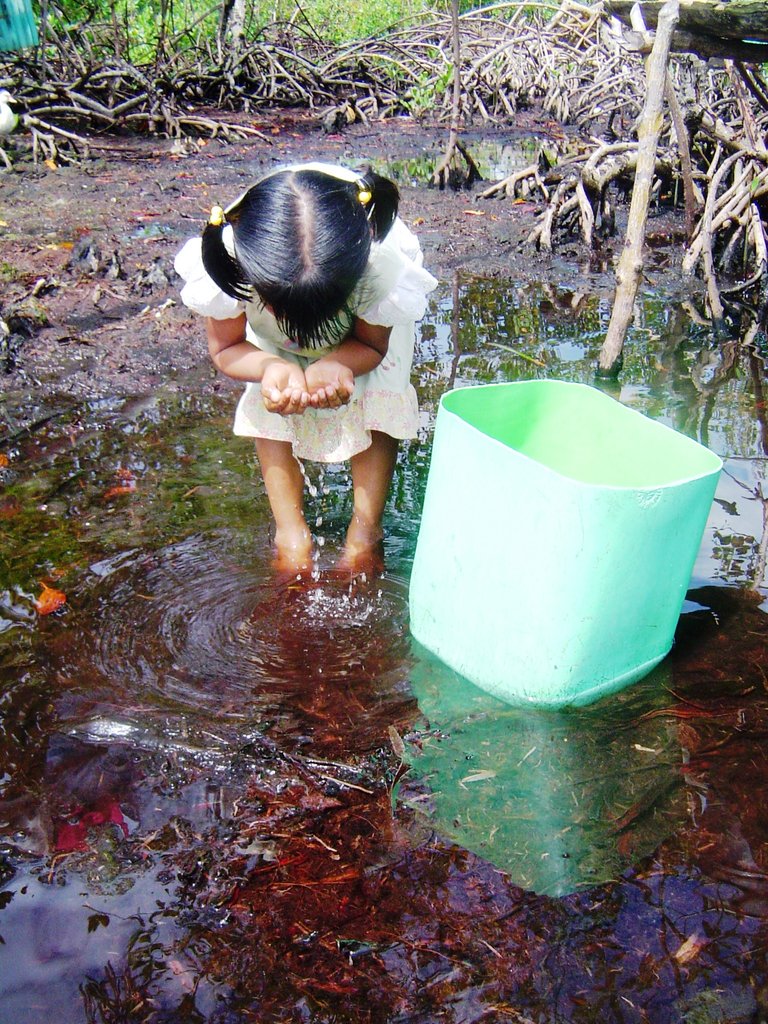
(Below) Washed with polluted water, a baby’s mosquito bites
quickly become infected. Polluted water kills.
Indigenous infants are often the victims.
Health — and survival for those most vulnerable — depends
on having clean, safe water.

SEE WHAT ONE SCHOOL PRINCIPAL DID TO SAVE LIVES
Maribel Dominguez, principal of the school at Cauchero, met us on arrival with
two bowls. “Give me your bottle of water,” she asked, and poured the clean water into one bowl.
She then showed us the bowl of water from her school. “I got this five minutes ago,” she said.
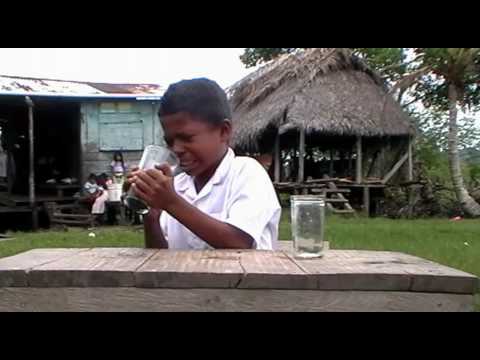
“Look at the difference.This is why half my students are always absent from sickness.
Chronic diarrhea and stomach disorders keep our kids from getting an education.”

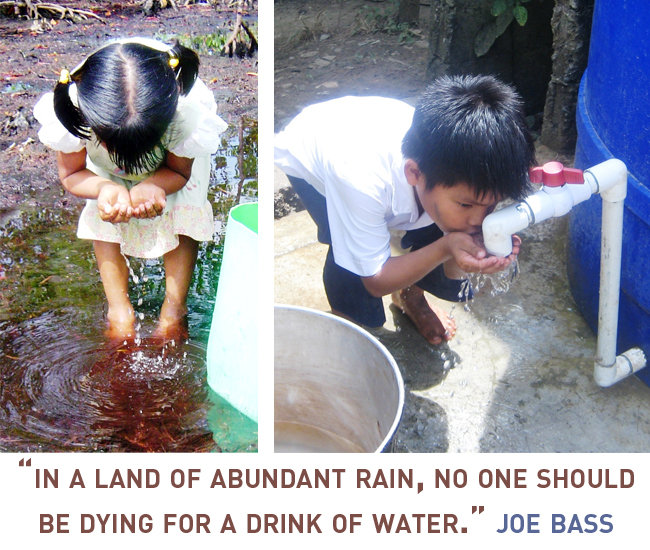
(Above) Contaminated water contrasts
with the bottled water we brought along
That’s why we had come all the way to Cauchero.
Our OSDW team quickly went to work.
“How often does it rain?” we asked
“Every two or three days” she said.
Within 3 hours Maribel had a new 600-gallon rain catchment system.
Ken Eide of OSDW led the ground team.
The volunteers who donated the tank
climbed up on the roof to do their part.
ar.
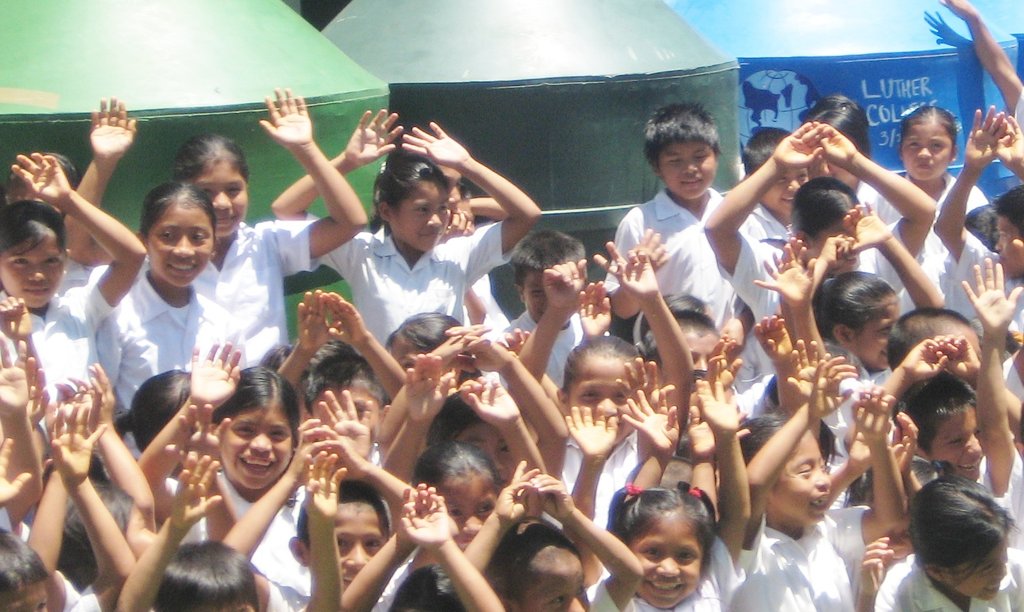
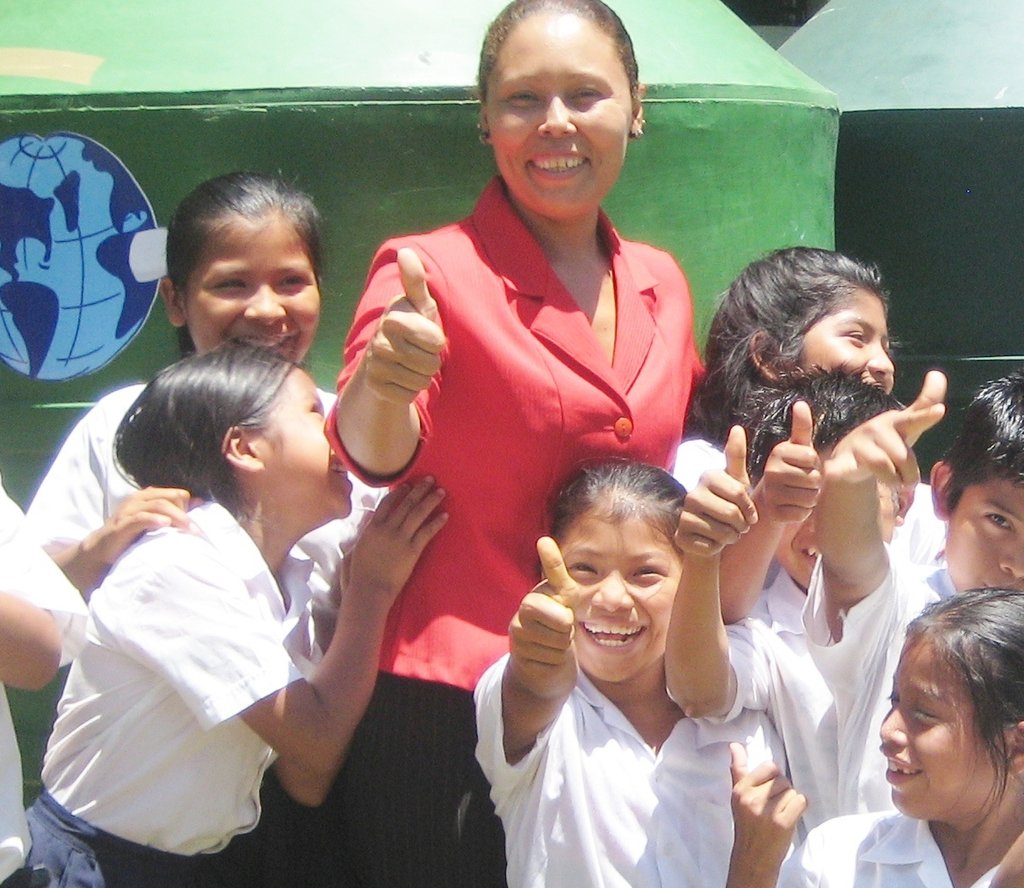
At the end of the day, a smiling principal and happy joy among her students
– and the volunteers who donated the tank.

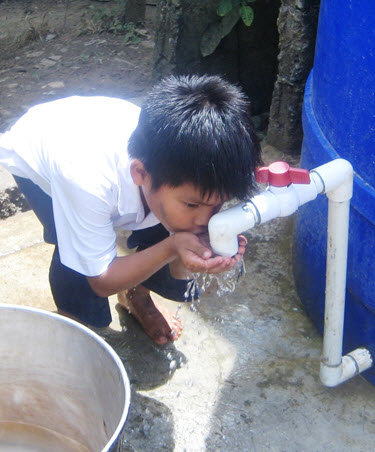
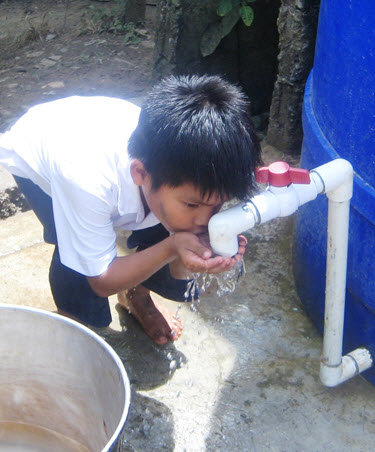
Maribel’s water tank holds 600 gallons of safe, disease-free water.
It refills in 4-5 hours in a tropical downpour.
It’s simple and easy to maintain, with only one moving part — the faucet.
It’ll provide safe, disease-free water for years to come.
It cost only $975.
it was installed by the volunteers who
donated it.
Project reports on GlobalGiving are posted directly to globalgiving.org by Project Leaders as they are completed, generally every 3-4 months. To protect the integrity of these documents, GlobalGiving does not alter them; therefore you may find some language or formatting issues.
If you donate to this project or have donated to this project, you can receive an email when this project posts a report. You can also subscribe for reports without donating.