By Laurel Groh | Sr. Communications Manager
Project Status: Ongoing
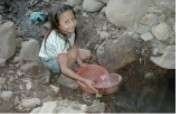
The village of Santa Cruz, Honduras, faced a severe water and health crisis. Women and children spent hours each day collecting water for household use and drinking. Water was either collected from small springs/waterholes or from small springs near neighboring villages, during the dry season. Often miles away from their homes, most of these sources were contaminated. Water-related diseases, such as cholera, were high. Local sanitation customs further impeded access to safe drinking water. Most community members used open, poorly constructed, public latrines that were not only dangerous but contributed to the local water contamination. Further unsanitary conditions and practices at the household level, such as the absence of sanitary latrines, unsafe waste disposal and unhygienic behavior in childcare and food preparation, created a dangerous environment especially risky for children’s health. A lack of sanitation facilities in schools helped transmit diseases and kept girls out of school.
The incidence of water-related diseases and malnutrition were on the rise in Santa Cruz, fueling the cycle of poverty and disease.
Using an integrated approach, the Santa Cruz Water and Sanitation Project combines health/sanitation education with constructing a new sanitation and water system. Combining these two approaches has been shown to lead to a greater reduction of childhood mortality than any other tactic.
The project got underway in late 2005. Initial project activities focused on community development and education. The community has elected its water administration board, to oversee the construction and later the maintenance of the new system. In cooperation with local health care workers, our partner organization began the first stage of an intensive community hygiene and sanitation education program. Santa Cruz also began construction of latrines in each participating household.
The construction of the water system is nearing completion. The community has played an active role throughout the project, providing the labor and local construction materials. To date, the spring has been capped and the main pipeline has been installed. Over the next reporting period, the project will focus on finalizing the distribution network and installing individual water connections and washbasins. Significant progress has also been made in the household. More than half of the participating families have fully excavated their tanks and are part way through installing their new latrine.
Links:
Project reports on GlobalGiving are posted directly to globalgiving.org by Project Leaders as they are completed, generally every 3-4 months. To protect the integrity of these documents, GlobalGiving does not alter them; therefore you may find some language or formatting issues.
If you donate to this project or have donated to this project, you can receive an email when this project posts a report. You can also subscribe for reports without donating.