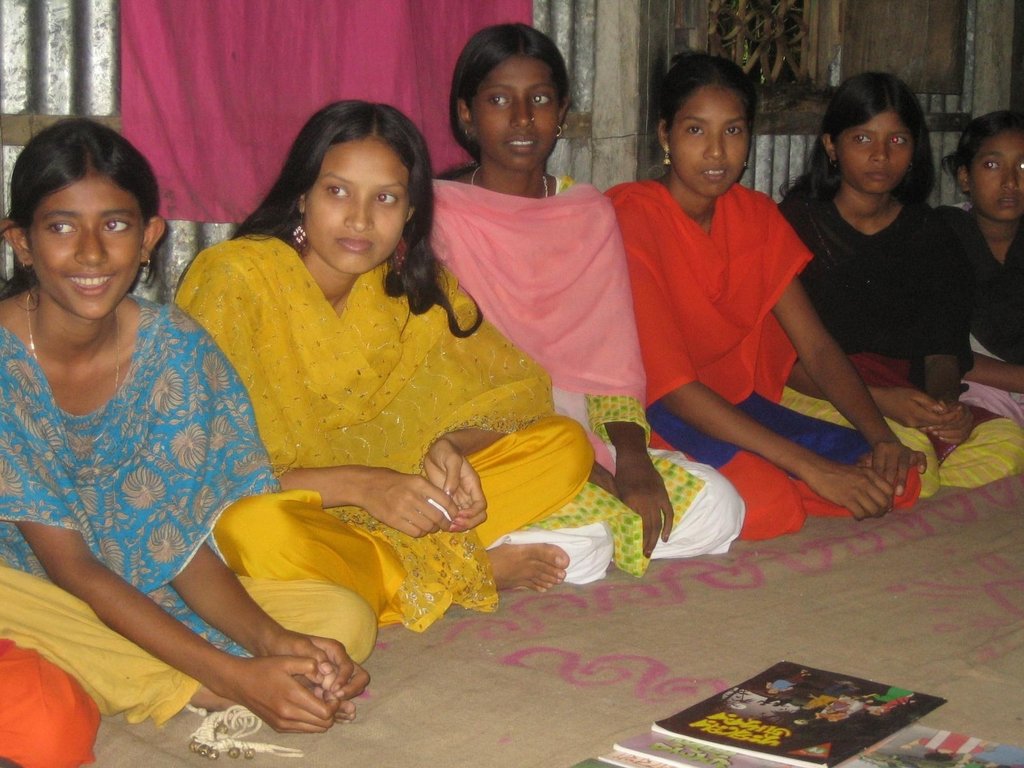
In Bangladesh, close to two million young people join the workforce annually. Many of the opportunities that are currently on the market are not in the formal sector, but rather are entrepreneurial opportunities in the growing informal service sectors.
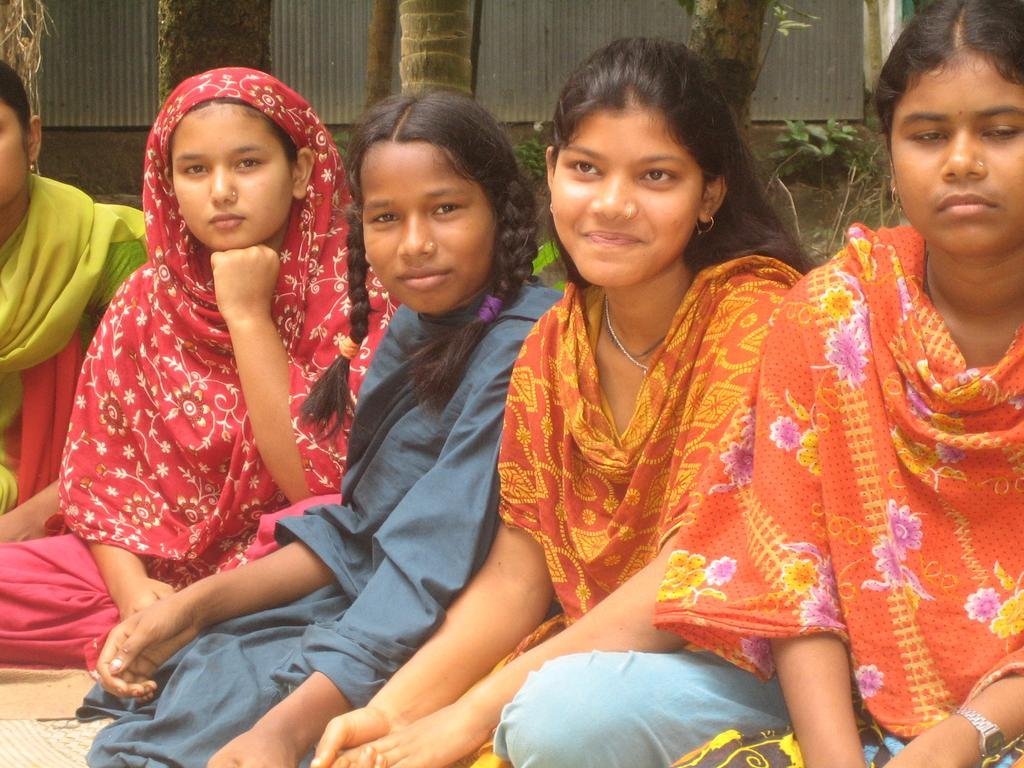
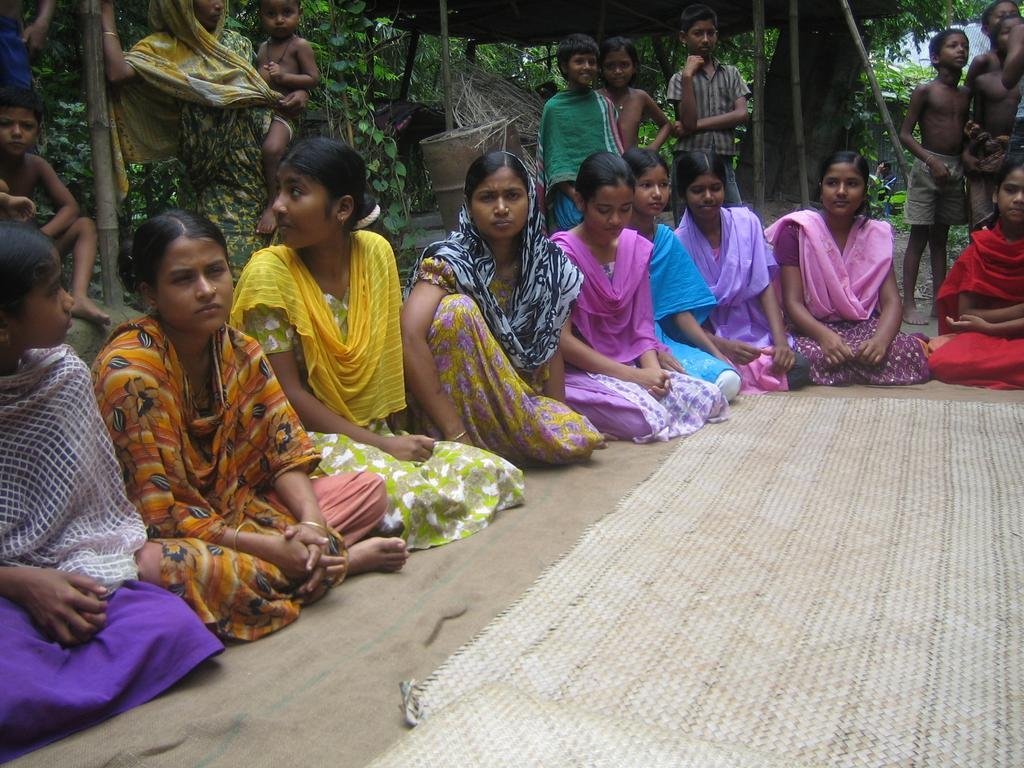
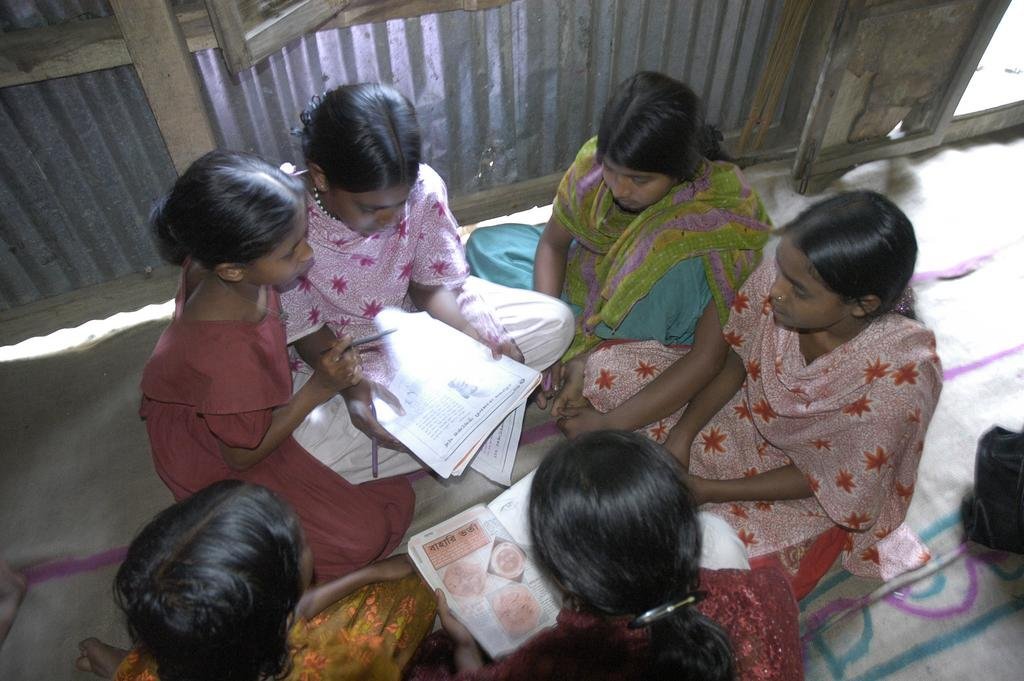
BRAC caters to hundred of thousands of youths and offers a range of empowering programs and services, including many dedicated to livelihood development and income generation. Last year, BRAC's Social Innovation Lab explored how BRAC's programs are working to support entrepreneurship and where there are opportunities to do more. We learned the most in speaking with current members of BRAC's programs, such as the Adolescent Development Program and listening to their stories.
Contrary to what you may expect (and to our experience in adolescent programs outside of Bangladesh), the adolescents who we spoke to showed a keen interest in job-seeking rather than entrepreneurship. In Dhamrai, Dhaka, we met a Rabeya, a 16-year-old member of ADP. Rabeya is a very bright student and is consistently at the top of her class. She plans to complete higher studies and pursue a career in the job market, but when we asked about applying her talent to become an entrepreneur, she is afraid to even consider it as an option. The risk and stigma associated with entrepreneurial ventures has her choosing the security the formal employment sector over the potential of establishing a thriving business.
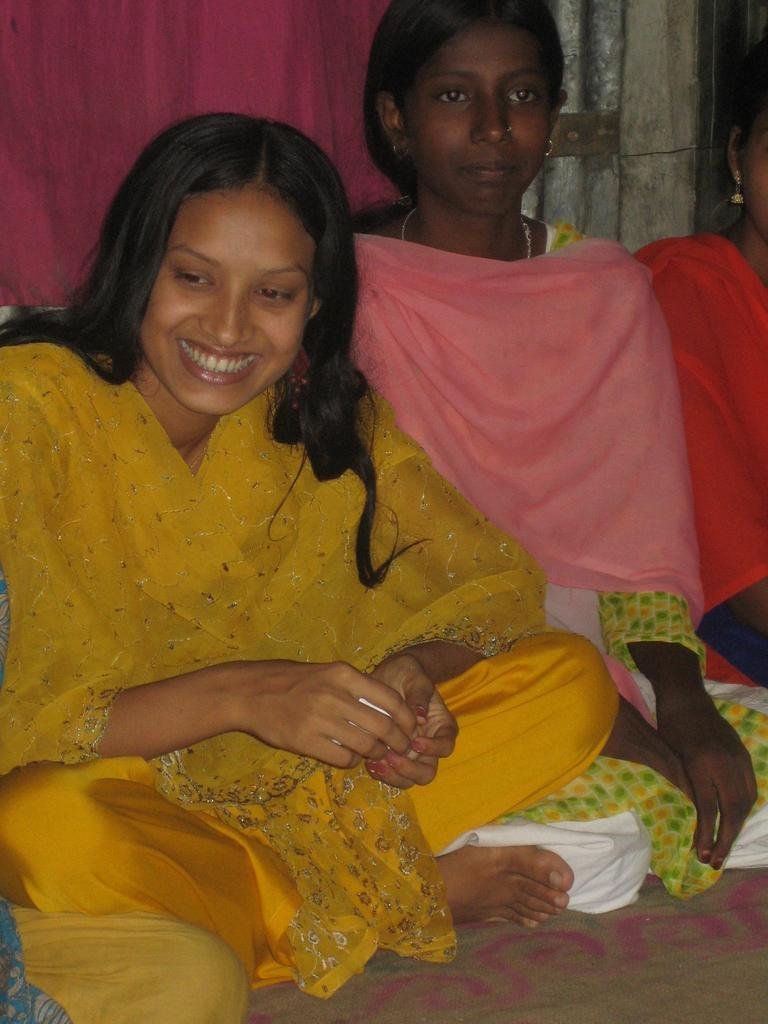
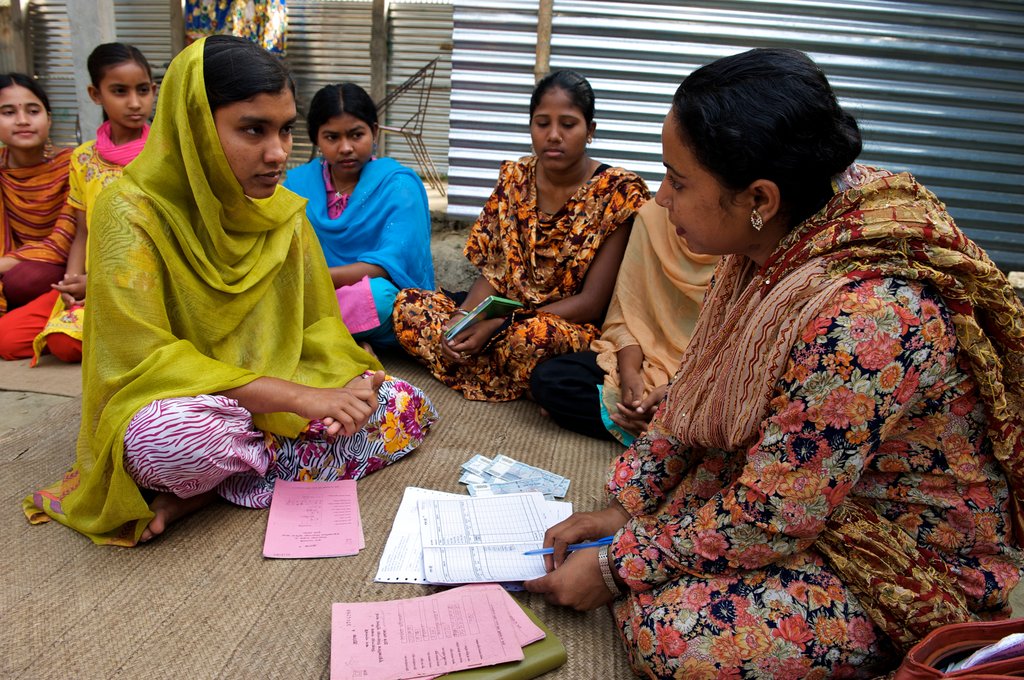
In Chittagong, we met Halima, an ambitious15-year-old girl who is receiving training from another BRAC program--STAR or Skills Training for Advancing Resources, to become a tailor. STAR is currently providing vocational training to 1,000 school dropouts, drastically increasing their chances for job placement through training in growing market sectors. Halima is ambitious and displays the characteristics of a natural entrepreneur as she dreams of one day having her own shop. However, she doesn't equate that goal with that of being an entrepreneur. Difficulty in accessing financial resources and knowledge on basic business practices hampers her confidence in pursuing her dream.
This feedback from our participants helps us to understand that drastic improvements are needed at all levels of society to cultivate the entrepreneurial mindsets of young people. Successful entrepreneurs need to be celebrated and their stories and knowledge shared with creative and aspiring youths in Bangladesh.
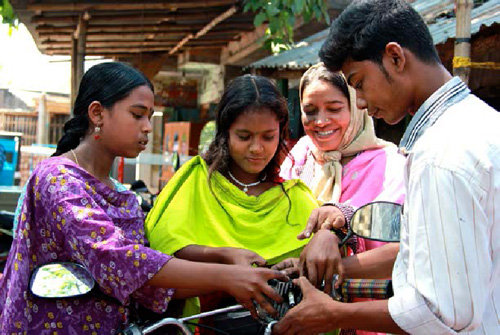
But just a change of mindset still won't be enough. At the "Investing in Youth" workshop held by the Social Innovation Lab in April 2012, we met Sabila, a young energetic tech entrepreneur running her own company and has great potential for success. Unfortunately, a lack of societal support for her venture and the ventures of other emerging young entrepreneurs like herself is hindering their success in a highly competitive market.
With your support of BRAC's Adolescent Program, we are able to continue identifying opportunities to improve our programs and find new ways to empower these bright young entrepreneurs, cultivate interest in market innovation and break down stubborn taboos that hinder the entrepreneurial spirit of young people in Bangladesh.
Learn more about Sabila, the progress of young entrepreneurs, and much more in: BeyondSkills: Supporting Youth to Become Successful Entrepreneurs in Bangladesh.

The success BRAC's adolescent program has experienced in Bangladesh is far from being a result of chance--thanks to rigorous research and evaluation, the program has evolved through a combination of statistical analysis coupled with a native understanding of local social practices. The strategy starts by mobilizing the communities where BRAC aims to build adolescent programming by taking the following steps:
1. Identifying social groups and mapping existing formal structures or networks. In many rural areas, networks include adult males, religious leaders, teachers, and the parents and extended family of children. BRAC also recruits and trains female volunteers who become the nucleus of a social network of women.
2. Building trust with the community by providing something to meet their perceived needs. In most communities, BRAC starts a credit program that involves the poorest of the poor in economic activities to alleviate poverty.
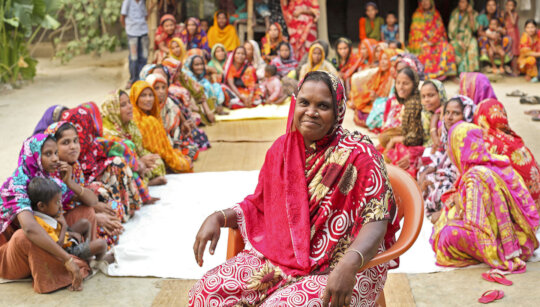
3. Developing forums around social networks to engage in dialogue with the community. Key elements of developing effective community forums include 1) identifying appropriate actors; 2) recognizing and responding to communication patterns and behavioral cues that exist in the community; 3) building cultural beliefs about the authority and reliability of the information provided in the forum; and 4) using fora to strengthen existing positive relationships within the family and community.
4. Within community forums, exposing members to new ideas, involving them in problem solving, and encouraging "risky innovations." As forum members are taken through this process, they become advocates for the program approach by integrating program objectives into their own lives and value systems.
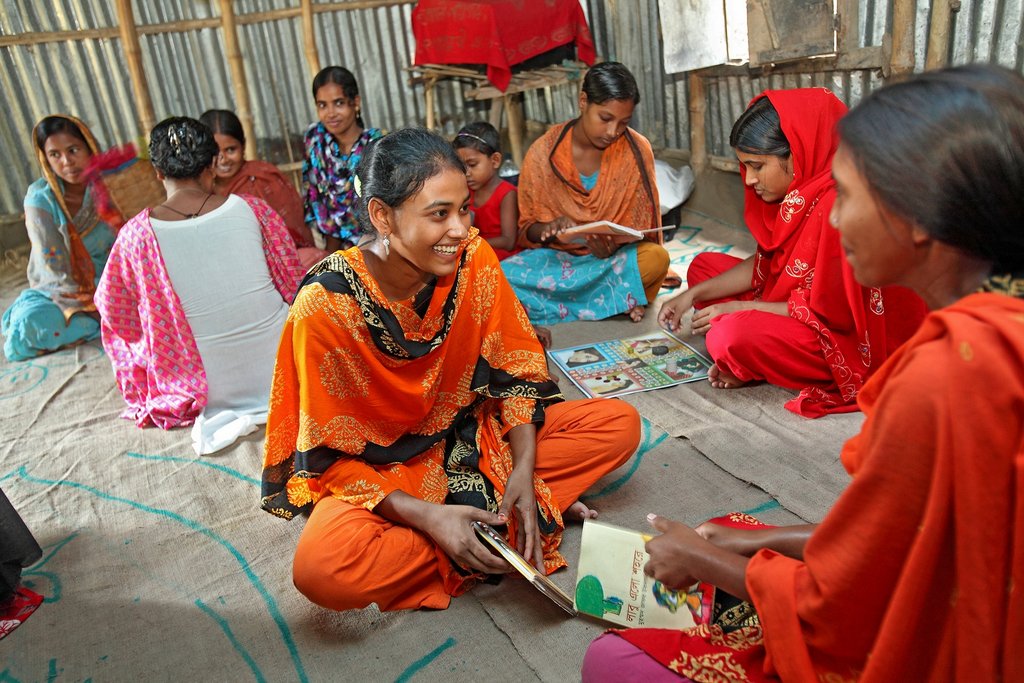
BRAC engages communities in an evolutionary process that introduces new ideas, and through open dialogue, community members are able to address more sensitive issues such early marriage, women's rights and adolescent reproductive health. It was through the process of community mobilization that BRAC has been able to establish 8,037 adolescent clubs to date across the country, and has become a widely accepted and celebrated part of the community.

It's usually an insult to say that someone "throws like a girl," but the members of BRAC's Adolescent Development Program, or ADP, in Bangladesh have shown that throwing - or kicking, or hitting - like a girl is something to aspire to. ADP has developed 35 soccer teams, 40 cricket teams and 15 volleyball teams comprised of adolescent girls, who are experiencing organized team sports for the first time in their lives. These girls are proving to themselves and the program directors that team spirit enhances self-esteem and helps to build lasting social skills like cooperation and teamwork. Check out the link below to see how our girls - and boys!- are going from poor villages to national stadiums with their skills.


Links:
Ruma is a member of Tollabari adolescent club in Magura, Bangladesh. Because her family was too poor to support her, Ruma was forced into marriage at the age of 13, when she was in seventh grade.
After a while, her husband and father-in-law began to pressure her for a dowry payment. She was not respected by her husband, and the pressure of the impending dowry payment caused her great hardship and stress. After discussing the situation with her parents, she decided to divorce her husband. Ruma returned home to live with her parents, who could barely afford to feed her, let alone continue her schooling.
Then Ruma joined the local BRAC adolescent club, where she received training in poultry rearing and took out a loan of BDT 7,000 ($85). She used BDT 2,000 ($25) to purchase chickens and used the remaining funds to purchase a sewing machine. She also participated in BRAC’s financial literacy training program and returned to school.
With her income from chicken rearing and tailoring, Ruma is able to pay her loan installments and also save money regularly. Now, she is able to bear her educational expenses, in addition to contributing to her family’s economic well-being.
Links:
Like too many girls in rural Bangladesh, Fizora was married when she was only 16 years old.
Four years later, she has two young children and a husband who is handicapped and unable to work. Her family was so poor that Fizora would regularly go without food so her husband and children could eat.
Fizora joined the local BRAC girls club where, for the first time in her life, she got to interact with girls her own age as they learned valuable life skills. She also received financial literacy training as well as livelihood training on vegetable cultivation.
Fizora used the skills she learned through BRAC to start a vegetable garden growing spinach and okra. Within a few months, she was able to sell her vegetables for a profit at the local market. She used the profits to feed her family and invest in additional seedlings and materials to grow her garden. She also started a savings account so she can afford to send her children to school once they're old enough.
Without your support, Fizora's life could have gone in a very different direction. What's more, all the benefit she's realizing from her participation in the girls club and her new livelihood is spread to her husband and two young children.
By investing in a girl, you can benefit everyone around her. This is the Girl Effect.
Links:
Project Reports on GlobalGiving are posted directly to globalgiving.org by Project Leaders as they are completed, generally every 3-4 months. To protect the integrity of these documents, GlobalGiving does not alter them; therefore you may find some language or formatting issues.
If you donate to this project or have donated to this project, you will get an e-mail when this project posts a report. You can also subscribe for reports via e-mail without donating or by subscribing to this project's RSS feed.