By DR SUSHIL SHARMA | Project Leader
SECOND REPORT FOR GLOBAL GIVING: AAROHI’S HEALTH EFFORTS JAN – JUN 2012
18 Oct 2012
Since the month of April 2012 when Aarohi's project to “Reduce Infant and Maternal Mortality in the Himalaya” was posted on Global Giving's website, people from all walks of life have found it in their hearts to contribute. These contributions have had an incredibly positive impact on the project, benefiting and supporting whole communities through Aarohi's Mother and Child health program.
This second report aims to put six months of work from January to June 2012 into perspective. Future reports, will become quarterly.
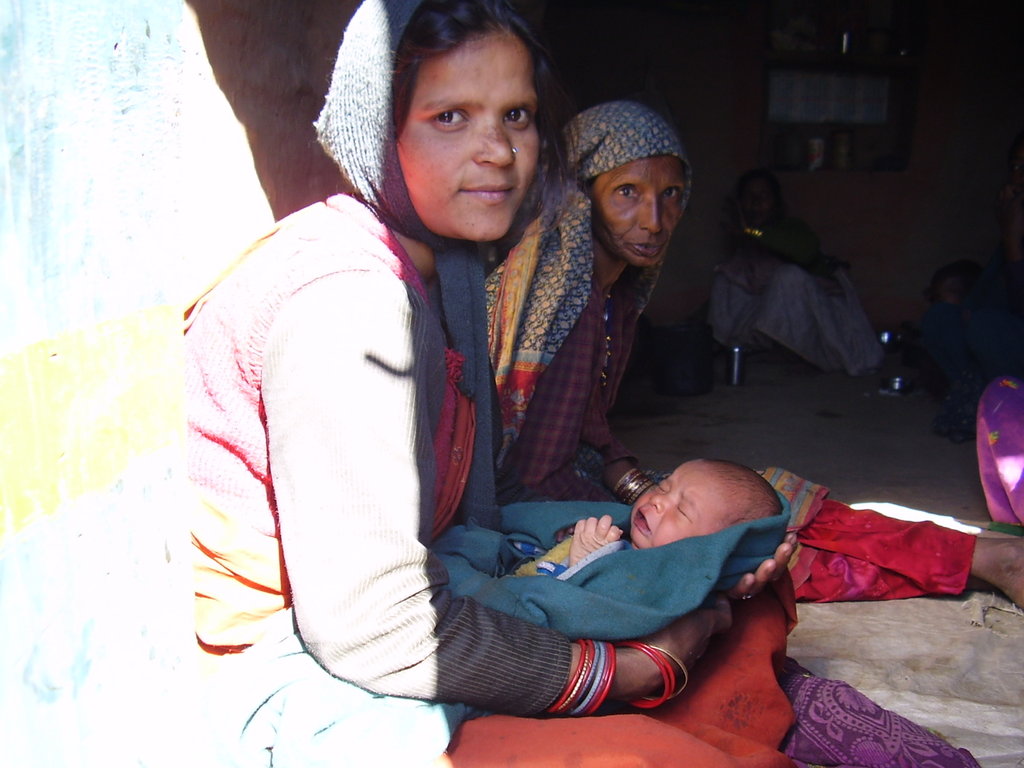
Located in the Kumaon Himalyas of Uttarakhand, India, Aarohi’s project serves a population of approximately 12,500. Funds raised on the Global Giving website have enabled Aarohi to offer extensive community-based training to Traditional Birth Attendants and local Health Workers.
In Feb 2010 Aarohi’s health program received a major Sir Dorabji Tata Trust (SDTT) grant for strengthening its model community based health care delivery system, which aims to reduce maternal and child mortality. The project focuses in on training village health workers and midwives, increasing community awareness about their health needs and rights, and improving access to affordable and ethical health care. The project covers around 14,000 people in 30 extremely remote villages in Nainital district.
A detail of patient care is reflected below:
TOTAL PATIENTS BENEFITED: 1914
TOTAL VILLAGES COVERED : 45
SPECIALIST CAMPS HELD 7
PATIENTS TREATED IN SPECIALIST CAMPS 638
TOTAL SURGERIES DONE 46
TOTAL ULTRASOUNDS DONE 136
DENTAL CAMPS HELD 6
TOTAL DENTAL PATIENTS TREATED 230
MOBILE HEALTH CAMPS IN REMOTE VILLAGES 5
PATIENTS TREATED IN MOBILE HEALTH CMPS 83
NO. OF CHILDREN DEWORMED AND GIVEN VIT A
SUPPLEMENTS IN MOBILE HEALTH CAMPS 356
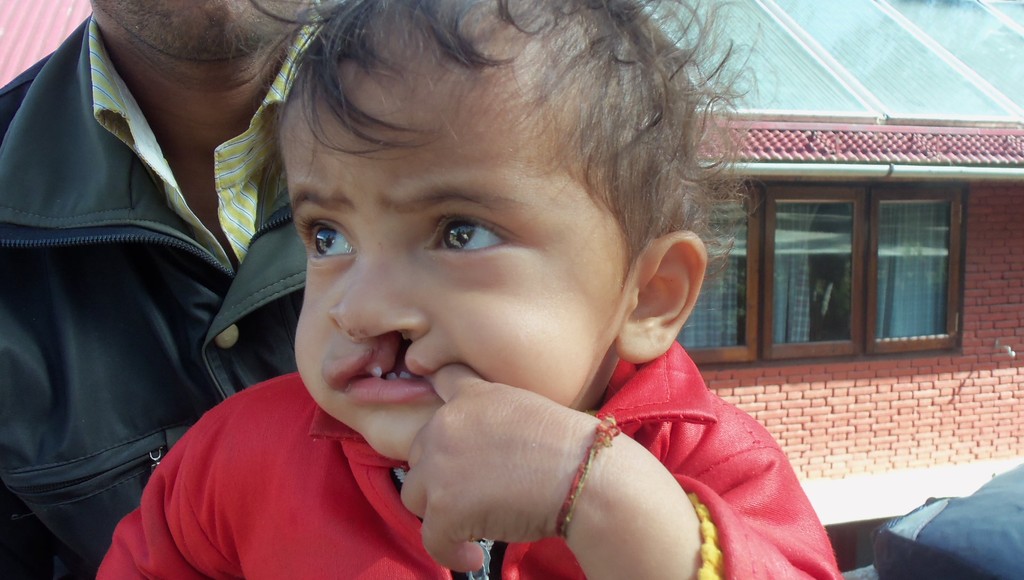
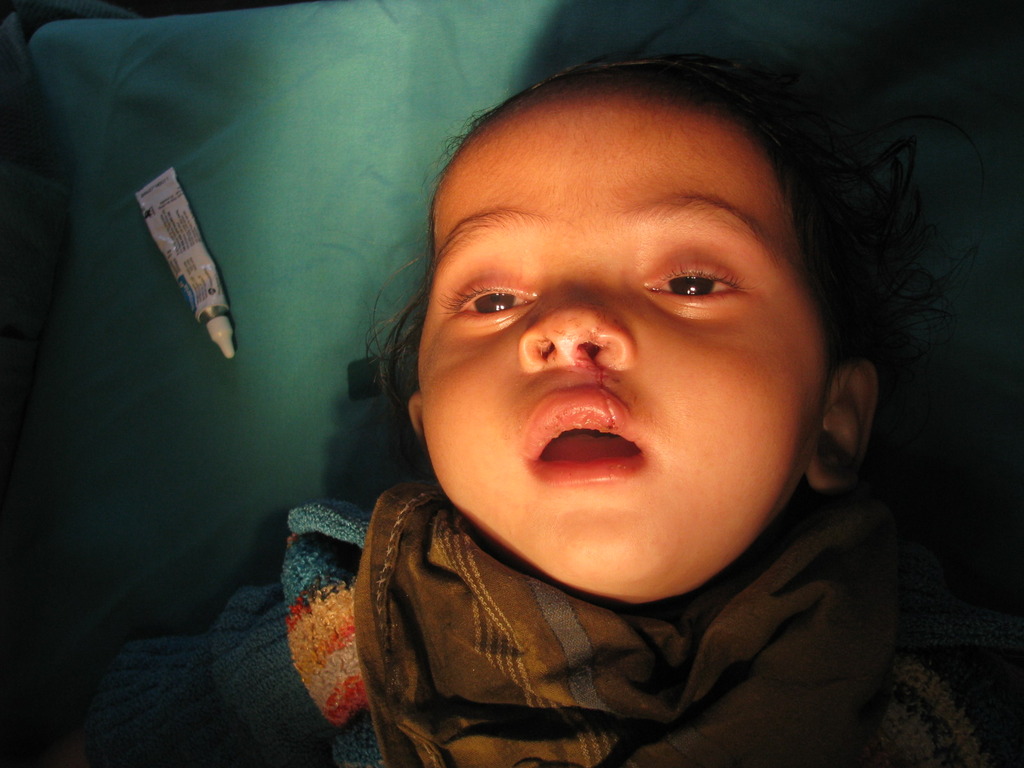
Funds from Global Giving, co-supported by the SDTT enabled 7 specialist health camps in Satoli. 638 patients were treated and 136 ultrasound investigations done during these camps with the help of visiting volunteer doctors. A further 230 patients were treated for dental problems in 6 dental camps. 46 surgical procedures including cholecystectomies, hysterectomies and reconstructive surgeries for post burns contractures and developmental defects like cleft lip and palate were conducted.
Medical trends noticed during the mobile health camps check-ups showed an alarming number of children complaining of headaches despite good vision. When questioned, the students claimed that their family members were also suffering from headaches. The medical team speculated that this might be a result of chronic smoke inhalation so common in rural homes that cook with traditional open fire stoves. Many children in Juni’s Secondary School as well as Jatoli’s Primary School were found to be Anaemic.
MOBILE HEALTH CAMPS
In April 2012, Aarohi took 18 volunteers to 7 of the Central Himalayas most remote villages in the Pindari river basin. The group was a diverse one, consisting of doctors, paramedics, a dental surgeon, a teacher, a filmmaker, photographers, an economist, a professor, a businessman, and a handful of fellows from ICICI and AIF foundations, respectively.
The objective was to bring modern healthcare and educational exposure to these isolated communities, many of which are a day’s walk or more from the nearest road head, and many of which have never been visited by a doctor. In most of these villages there also no teachers in the Government schools.
All medical and educational camps were held at local government schools.
Project reports on GlobalGiving are posted directly to globalgiving.org by Project Leaders as they are completed, generally every 3-4 months. To protect the integrity of these documents, GlobalGiving does not alter them; therefore you may find some language or formatting issues.
If you donate to this project or have donated to this project, you can receive an email when this project posts a report. You can also subscribe for reports without donating.