By Dr. Sangeeta Sharma | Health Supervisor at Aarohi
Final Report – June 2016
Project Title: Reduce Infant & Maternal Mortality in the Rural Himalayas
Project Duration 4 years: 2012-16
Reason for Closure: Full funding received
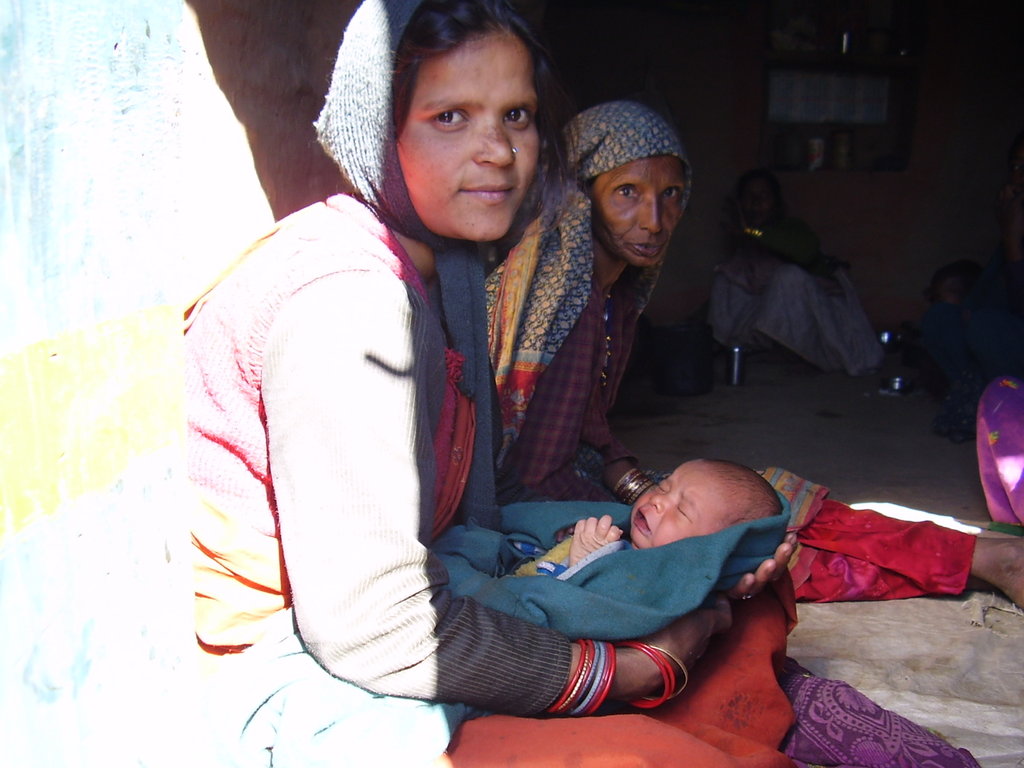
Summary: The Arogya Health Project brings together training, awareness and treatment to reduce the number of mother and infant deaths, and improve the general state of well being for 30 remote villages in the Central Himalayas of India.
Challenge: Over half of the women living in mountain villages of Uttarakhand are severely anemic and malnourished. This along with a lack of health care services in the area results in alarming rates of maternal and child mortality and morbidity. The problem is further compounded by social taboos that often resort in extreme diet restrictions of pregnant and nursing mothers, endangering the health of the infant. Aarohi aims to change this trend through comprehensive community-based training and awareness.
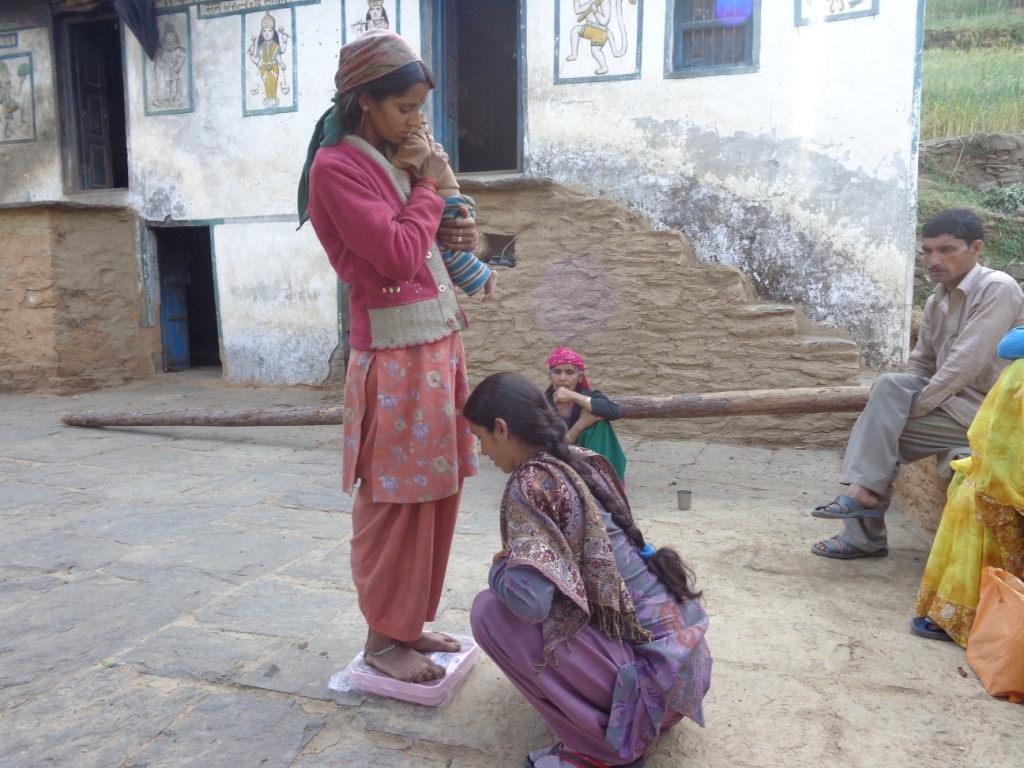
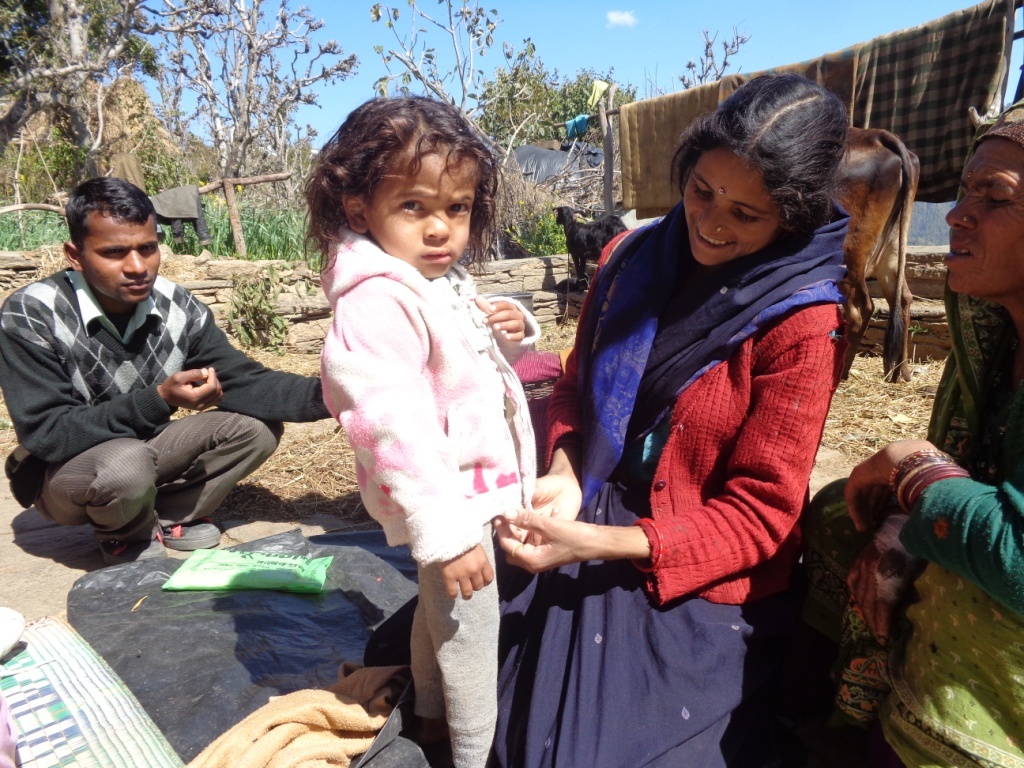
Solution: This project provides extensive training for traditional birth attendants and local health workers (accredited social health activist) in antenatal and post-natal care, safe delivery, and comprehensive growth monitoring of children in the age group 0-3 years. Through Aarohi's mother and child care program, these community members are provided with a dignified livelihood, and are equipped with the skills, guidance and support needed to tackle high morbidity and mortality rates in their village communities.
Long-Term Impact: Going beyond simply providing services to remote mountains villages, the Arogya Project empowers traditional birth attendants and health workers (ASHAs) to improve the quality of health care in their own communities. This ensures that mother and child health is achieved in a sustainable way that provides local people with the knowledge and determination to continue providing services long after the project has ended. The proven result is fewer mother and infant deaths and healthier communities.
Achievements these past 4 years
- Our outreach grewfrom 70 to 105villages in theCentral Himalayas
- We trained 36health supervisors, 114 ASHAs and other health workers and 111 Traditional Birth Attendants,who now help to support health programs in their villages.
- With the help of these trained workers, we have increased our antenatal checkup coverage (which includes one pregnancy consultation by a skilled care provider) from 49% to 88% of pregnant women.
- Institutional deliveries has increased from 20% to 35%, geography of the area is a main obstacle to institutional delivery
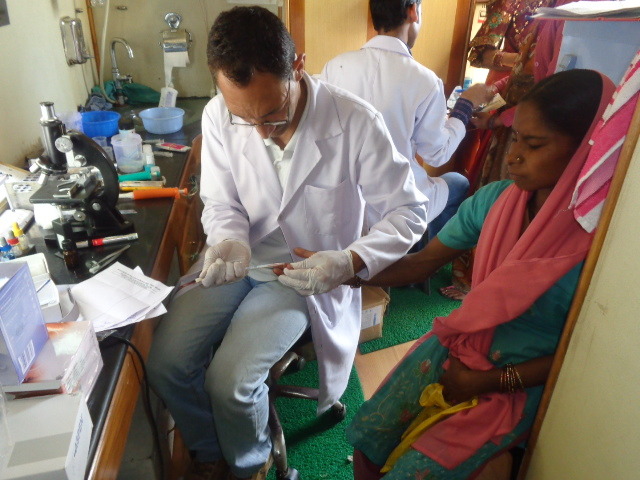
- Of the total patients receiving ultrasounds during the Medical Mobile Unit (MMU) camps, 68.2% were pregnant women. However, only 48% of the women return for a follow-up consultation and our goal moving forward is to increase the percentage of women who receive follow-up care throughout pregnancy.
- Through the MMU,the number of women receiving antenatal care doubled from the first to the second half of 2015 (461 from January-June to 877 from June-December, for a total of1338 women).
- Infant mortality was 57 per 1000 live births has reduced to 38 per 1000 live births likewise neonatal mortality has fallen from 36 deaths per 1000 live births to 29 deaths per 1000 live births.
Conclusion
In light of these successes, we seek to continue our grassroots approach to healthcare in rural Uttarakhand. In the next phase of this project, we will consolidate our coverage of remote and underserved communities by working jointly with the Uttarakhand government and other regional NGOs—strengthening current collaborative efforts and exploring new cost-effective ways to reach our goals.
By Dr. Sushil Sharma | Vice Chairman
By Dr Sushil Sharma | Project Advisor
Project reports on GlobalGiving are posted directly to globalgiving.org by Project Leaders as they are completed, generally every 3-4 months. To protect the integrity of these documents, GlobalGiving does not alter them; therefore you may find some language or formatting issues.
If you donate to this project or have donated to this project, you can receive an email when this project posts a report. You can also subscribe for reports without donating.